Family to Family Adoption Guide: Your Essential Handbook 2025
Considering family to family adoption in 2025? This heartfelt approach is transforming how families are built, creating lasting bonds and brighter futures for everyone involved.
This essential handbook delivers a clear, step-by-step roadmap through every stage of family to family adoption. Both birth and adoptive families will find empowering resources, practical advice, and ethical guidance for a smooth, successful journey.
Discover the basics, legal and emotional factors, the adoption process, and post-placement support. Real stories and expert tips will inspire you to take the next step. Ready to start your family to family adoption journey? Let’s dive in.
Understanding Family to Family Adoption
Thinking about family to family adoption in 2025? You are not alone. More families are exploring this path as a way to build meaningful, lifelong connections. Let’s break down what makes this adoption model unique, its benefits, common misconceptions, arrangement types, and how to decide if it’s right for your family.
What is Family to Family Adoption?
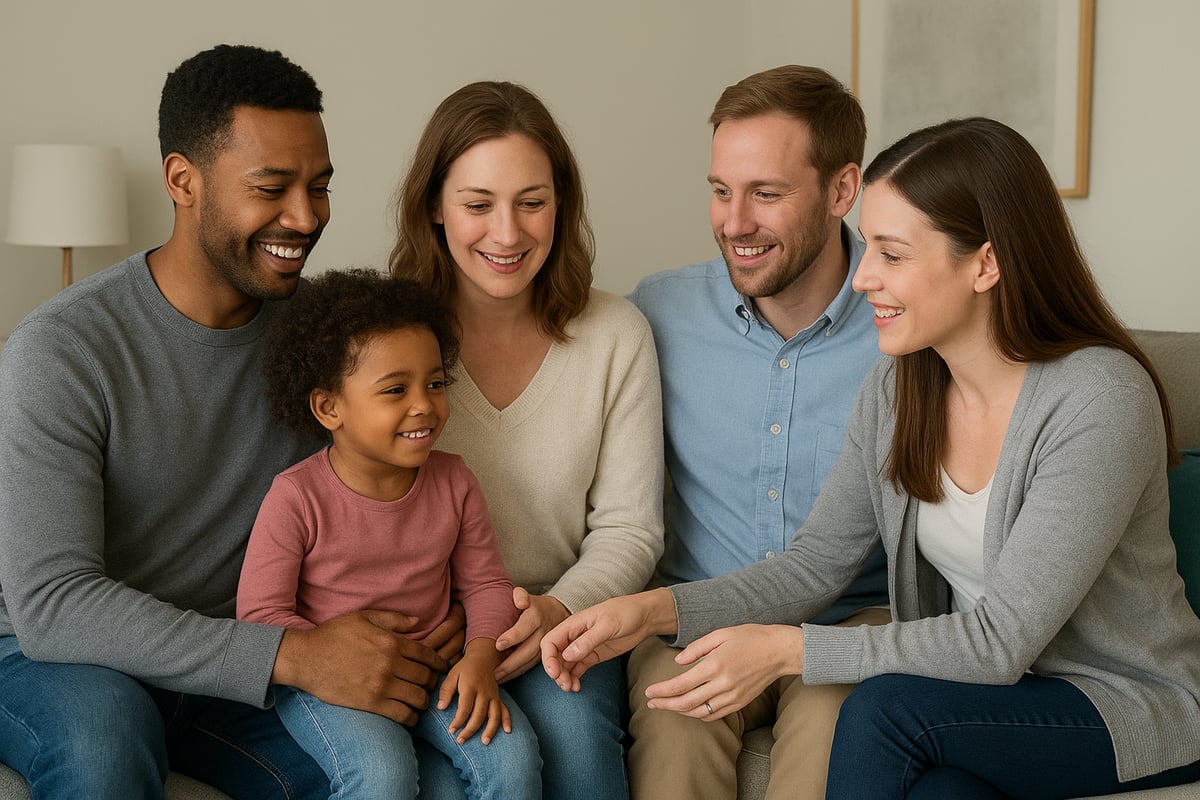
Family to family adoption creates a direct, personal connection between birth and adoptive families. Unlike traditional agency or foster care adoptions, this approach encourages open communication and ongoing relationships.
A key difference is the level of transparency—67% of private adoptions in the US now involve some direct family contact, according to recent Adoption by the Numbers 2025 Report. Open adoption agreements are common, allowing both families to collaborate on the child’s future. This open style supports trust and shared decision-making, which is the heart of family to family adoption.
Benefits for Birth and Adoptive Families
Family to family adoption offers emotional and practical advantages for everyone involved. For birth families, it means ongoing connection and peace of mind, knowing their child’s well-being. Adoptive families benefit from transparency, shared history, and fewer unknowns.
Children gain a stronger sense of identity and belonging. Legally and socially, open contact can reduce confusion about their roots. Waiting times are often shorter compared to agency placements, and a recent survey found that 82% of adoptive parents report higher satisfaction with open or family to family adoption. These benefits lead to smoother transitions and improved outcomes for children.
Common Myths and Misconceptions
Some worry that family to family adoption means losing privacy or control. In reality, both families retain clear legal rights and can set boundaries together. Legal agreements outline everyone’s roles and responsibilities.
Another myth is that children will be confused by contact with both families. However, research shows children in open or family to family adoption often have similar or even better mental health outcomes. Positive co-parenting relationships can flourish, helping children thrive emotionally and socially.
Types of Family to Family Adoption Arrangements
There are several ways to structure family to family adoption. The main types include:
- Open adoption: Direct, ongoing contact.
- Semi-open adoption: Limited, mediated communication.
- Closed adoption: No contact after placement.
Arrangements can also be direct placements or kinship adoptions, such as when a grandparent or sibling adopts. The right choice depends on family values, comfort levels, and the child’s needs. Many extended families find kinship adoptions provide stability and preserve important bonds.
Is Family to Family Adoption Right for You?
Ask yourself:
- Are you comfortable with ongoing contact?
- What are your expectations for communication?
- How do your values align with open relationships?
Consider a case where families navigated complex dynamics by setting clear boundaries and using support resources. If you are unsure, reach out to counselors or adoption professionals. They can guide your decision and ensure your family to family adoption journey is positive and well-supported.
The Family to Family Adoption Process: Step-by-Step
Embarking on the family to family adoption journey can feel overwhelming, but breaking it down into clear, manageable steps makes it achievable. This process gives both birth and adoptive families the confidence to move forward, knowing what to expect at every stage. To deepen your understanding, consider referencing the Adoption process step-by-step guide for a detailed roadmap.
Step 1: Initial Research and Self-Assessment
Your first step in the family to family adoption process is research and honest self-reflection. Begin by learning about adoption laws and requirements in your state, as these can vary significantly. Understanding the legal landscape prepares you for what lies ahead.
Identify your motivations for pursuing family to family adoption. Are you ready emotionally and financially? Consulting with adoption professionals or joining online forums and support groups can be incredibly helpful. For example, many families attend adoption seminars to connect with others and gather insights before making a decision.
This stage sets the tone for a transparent and successful family to family adoption experience.
Step 2: Connecting with a Birth or Adoptive Family
Finding the right match is crucial in family to family adoption. Many families use personal networks, online platforms, or community organizations to connect. It is important to look for shared values, open communication, and expectations that align.
Screening for compatibility helps ensure a positive relationship. Transparency from the start fosters trust. Sometimes, introductions happen through mutual friends or community events, making the process feel more personal.
Taking time to connect on a meaningful level paves the way for a smooth family to family adoption.
Step 3: Legal Considerations and Home Studies
Legal requirements are a cornerstone of family to family adoption. Each state sets its own rules, so working with a licensed professional is vital. The home study is a key part of this process, involving background checks, interviews, and home visits to ensure the child’s safety.
Both birth and adoptive families should understand their legal rights and responsibilities. For example, kinship adoptions may have different requirements than non-relative placements. According to AdoptUSKids, 95% of US states require a home study for non-relative family adoptions.
Proper legal guidance ensures every family to family adoption is secure and ethical.
Step 4: Counseling and Emotional Preparation
Family to family adoption is as much an emotional journey as a legal one. Pre-adoption counseling is highly recommended for both families to address grief, attachment, and future expectations. Support groups and professional resources offer a safe space to process feelings.
For example, many birth families benefit from counseling to prepare for ongoing contact and navigate complex emotions. Data from the National Council for Adoption shows that families who access counseling experience 30% fewer post-adoption disruptions.
Investing in emotional preparation is a cornerstone of a healthy family to family adoption.
Step 5: Drafting and Signing Adoption Agreements
A legally binding adoption agreement is the backbone of family to family adoption. This agreement outlines roles, ongoing contact, visitation, and communication terms. Negotiating these details openly prevents misunderstandings in the future.
It is essential to involve legal professionals to draft and review all documents. Many families use sample contact agreement templates to guide their discussions and ensure clarity.
A well-crafted agreement supports a positive, transparent family to family adoption relationship.
Step 6: Finalizing the Adoption in Court
Finalizing family to family adoption in court is a major milestone. Prepare all required documentation and court filings in advance. A judge will review the case, and legal representation helps ensure the process moves smoothly.
The timeline from petition to final decree varies but typically spans several months. Recent family to family court hearings highlight the importance of preparation and clear communication between families and the court.
This final step legally confirms the new family relationship and opens a new chapter.
Step 7: Post-Placement Adjustment and Support
The transition period after a family to family adoption is vital for everyone involved. Both families and the child may need time to adjust to their new roles and routines. Accessing post-placement counseling and support services can make this period smoother.
Some states require ongoing monitoring or reporting, especially in the months following placement. Adoption agencies and therapists often provide crucial support during this time.
Prioritizing post-placement support ensures lasting success for every family to family adoption.
Tapestry Adoption: Support for Family to Family Adoption
Tapestry Adoption offers a full range of services for those pursuing family to family adoption. Their counseling, legal guidance, and home study services support both expectant mothers and adoptive families every step of the way.
With a commitment to ethical and transparent practices, Tapestry Adoption provides no-cost services for birth mothers and comprehensive resources for families. Their personalized approach helps families navigate transitions and build lasting, positive relationships.
Relying on expert support like Tapestry Adoption can make a profound difference in your family to family adoption journey.
Legal, Financial, and Ethical Considerations
Navigating the legal, financial, and ethical landscape of family to family adoption is crucial for a smooth, transparent process. Each step requires careful planning, professional guidance, and a deep commitment to the child’s best interests. Let’s break down these essential considerations to empower your adoption journey.
Navigating State Laws and Regulations
Every state sets its own rules for family to family adoption, so understanding your local laws is key. Some states require specific consent forms, waiting periods, or background checks before an adoption can be finalized. Others may have unique requirements for kinship placements or open adoption agreements.
Seeking help from licensed adoption attorneys or agencies will keep your process compliant and stress free. For example, in Texas, both birth and adoptive parents must attend a court hearing to confirm consent, while in California, written consent alone may suffice.
Navigating legal requirements early in your family to family adoption journey builds a strong foundation for a positive outcome.
Financial Aspects of Family to Family Adoption
Costs for family to family adoption are often lower than traditional agency placements. Typical expenses include legal fees, home studies, and counseling services. Many families find financial assistance through grants or nonprofit organizations, making adoption more accessible.
Here’s a quick comparison of costs:
| Adoption Type | Average Cost (USD) |
|---|---|
| Family to Family Adoption | $4,000–$12,000 |
| Private Agency Adoption | $20,000–$40,000 |
Family to family adoption typically costs 40 to 60 percent less than private agency options, making it a compelling choice for many. Always budget for unforeseen expenses and ask about available financial support.
Ensuring Ethical Adoption Practices
Ethics are at the heart of every successful family to family adoption. Informed consent, transparency, and respect for birth family rights must guide every decision. Avoid any situation that feels rushed or coercive.
Working with licensed professionals protects everyone involved and upholds the integrity of the process. For a more detailed look at best practices, see the Ethical adoption practices overview.
Ethical family to family adoption honors the dignity of birth parents, ensures adoptive families are well prepared, and keeps the child’s welfare front and center.
Rights and Responsibilities of All Parties
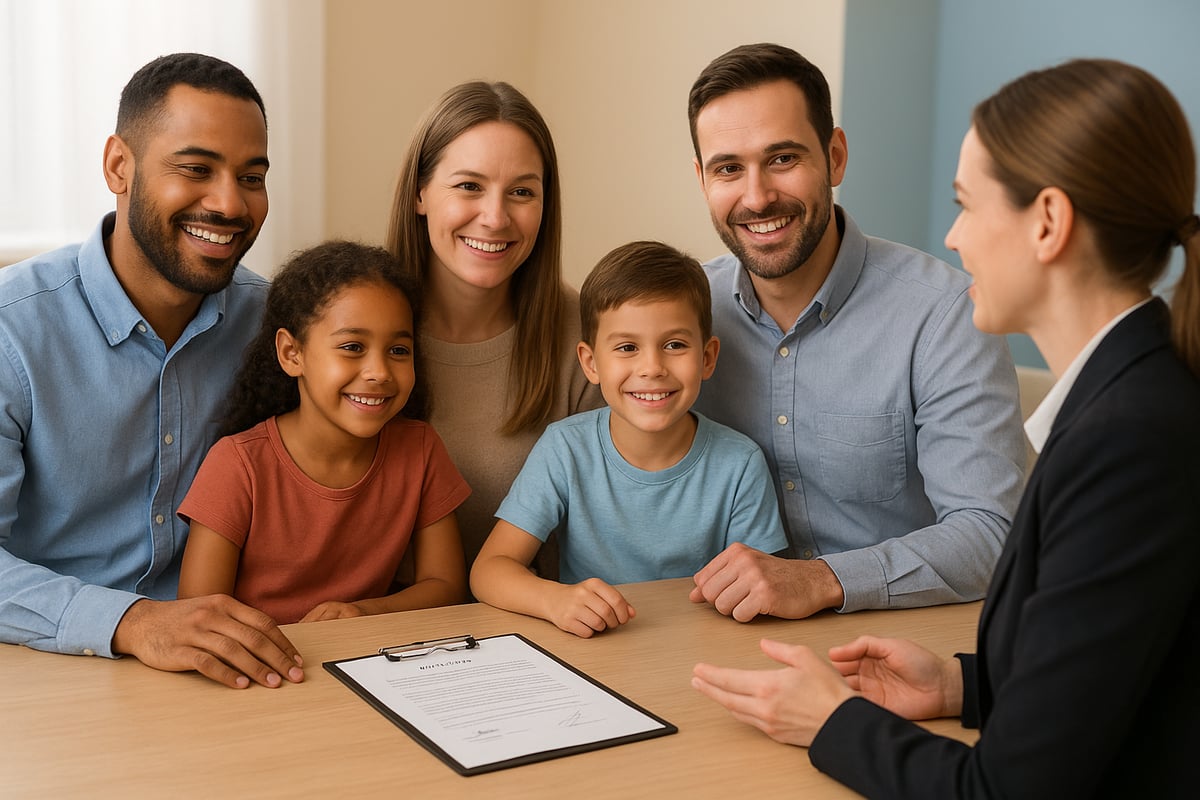
Clear agreements protect the legal rights of birth parents, adoptive parents, and the child in family to family adoption. This often includes detailed contact arrangements, visitation schedules, and plans for future communication.
If disputes arise, courts typically prioritize the best interests of the child while respecting original agreements. For instance, if a birth parent wishes to adjust visitation, both families may seek mediation before returning to court.
Understanding everyone’s rights and responsibilities helps avoid misunderstandings and supports lasting, healthy relationships in family to family adoption.
Protecting the Child’s Best Interests
The child’s well being is the most important goal in family to family adoption. Stability, safety, and emotional health must always come first. Open communication between families helps the child feel secure and loved.
Child centered planning means listening to the child’s needs and being honest about their story. Creating a supportive environment encourages the child to thrive and build positive connections with both birth and adoptive families.
A thoughtful approach ensures family to family adoption remains a life changing, positive experience for everyone involved.
Preparing for Life After Adoption
The journey of family to family adoption continues long after the final court decree. Preparing for life after adoption means intentionally building relationships, nurturing identity, and accessing the right support. With thoughtful planning, every family can create a loving, stable environment that honors the unique connections formed through family to family adoption.

Building Healthy Family Relationships
Integrating a child into your home through family to family adoption is a profound experience. It requires patience, empathy, and a willingness to embrace new dynamics. Start by creating welcoming routines, like shared meals or bedtime stories that help your child feel secure.
Establishing trust with the birth family is equally important. Openly discuss boundaries and expectations from the beginning. Many families find success by involving both families in new traditions, such as celebrating birthdays together or planning joint family outings.
More articles
- What Happens at the Hospital When You Place a Baby for Adoption
- Adoption After the Baby Is Born: Rights, Risks, Recovery
- Open vs. Semi-Open Adoption: What Actually Changes
- Financial Help for Pregnant Women Considering Adoption in Indiana
- Choosing an Adoptive Family in Indiana: What to Weigh
- Placing a Baby Up for Adoption in Indiana