Choice Adoptions Guide: Your Pathway to Adoption in 2026
Considering adoption in 2026? The journey can feel overwhelming, but you are not alone. Each year, more families and expectant mothers choose adoption as a way to create loving, supportive homes.
Making informed decisions about choice adoptions can truly transform lives for both adoptive families and birth parents. The right guidance helps you move forward with confidence and clarity.
This guide offers a clear, step-by-step approach to every stage of the process. You will learn about adoption types, preparation, legal and emotional steps, finances, and ongoing support. Let’s begin your pathway to adoption in 2026 together.
Understanding Choice Adoptions in 2026
Choosing adoption is a life-changing decision, and understanding the landscape in 2026 is crucial for anyone considering this path. Choice adoptions put birth parents and adoptive families at the center, giving everyone more voice, transparency, and support than ever before. In this section, we’ll break down what makes choice adoptions unique, explore the main pathways, clarify roles, cover legal and ethical considerations, and highlight the latest innovations shaping adoption today.

What is Choice Adoption?
Choice adoptions are built on a foundation of openness, empowerment, and respect for everyone involved. Unlike traditional closed adoptions, choice adoptions invite birth parents to actively participate in the process, from selecting the adoptive family to deciding on the level of ongoing contact. This approach fosters transparency and trust, helping both birth parents and adoptive families feel informed and supported.
For example, open adoption allows ongoing visits and communication, semi-open maintains contact through letters or emails, while closed adoption involves no contact after placement. Recent trends show a significant rise in open adoptions, with over 60 percent of adoptions now involving some form of ongoing connection. For a deeper dive into open adoption scenarios and the benefits of choice adoptions, check out Open adoption explained.
Types of Adoption Pathways
When considering choice adoptions, it’s important to understand the main pathways available:
- Domestic infant adoption: Newborns adopted within the US, often with open or semi-open arrangements.
- Foster care adoption: Children of various ages, often with more complex backgrounds, adopted from the foster system.
- International adoption: Children adopted from other countries, requiring compliance with both US and international laws.
Here’s a quick comparison:
| Pathway | % of US Adoptions | Pros | Cons |
|---|---|---|---|
| Domestic Infant | 67% | Greater openness, more support | Higher costs, wait times |
| Foster Care | 26% | Lower cost, urgent need | Older children, trauma |
| International | 7% | Diverse backgrounds | Complex laws, travel |
Each pathway within choice adoptions offers distinct advantages and challenges, so research is vital.
The Role of Birth Parents and Adoptive Families
In choice adoptions, birth parents have the right to choose the family, decide on the adoption plan, and set boundaries for future contact. This level of involvement empowers them to make decisions that align with their wishes and values.
Adoptive families, meanwhile, are expected to be open, communicative, and supportive, respecting the birth parents’ choices and participating in transparent conversations. For instance, a birth mother might select a family based on shared beliefs and agree to regular updates, ensuring everyone’s needs are met and honored.
Clear roles and honest communication are at the heart of successful choice adoptions.
Legal and Ethical Considerations
Legal requirements for choice adoptions in 2026 emphasize transparency, informed consent, and the protection of all parties. States now require thorough counseling for birth parents, ensuring they fully understand their rights and the adoption process.
Ethical adoption practices are more important than ever, focusing on voluntary, pressure-free choices and safeguarding everyone’s interests. Recent state law updates have standardized waiting periods for consent and increased oversight to prevent coercion. Staying informed about these changes helps ensure your adoption journey is both legal and ethical.
Recent Trends and Innovations in Adoption
Choice adoptions have embraced technology to simplify and personalize the process. Digital profiles and matching platforms allow families and birth parents to connect more efficiently. Virtual home studies and interviews reduce wait times and make the process more accessible nationwide.
There’s also a stronger focus on post-placement support, with agencies offering counseling, education, and community resources. In 2026, about 40 percent of agencies now provide virtual services, making choice adoptions more flexible and responsive to modern families’ needs.
Preparing for Adoption: Steps for Prospective Adoptive Parents
Starting your journey with choice adoptions means taking practical, thoughtful steps. Each stage prepares you emotionally, financially, and logistically for welcoming a new family member. Let’s break down the process into clear, actionable steps so you can move forward with confidence.
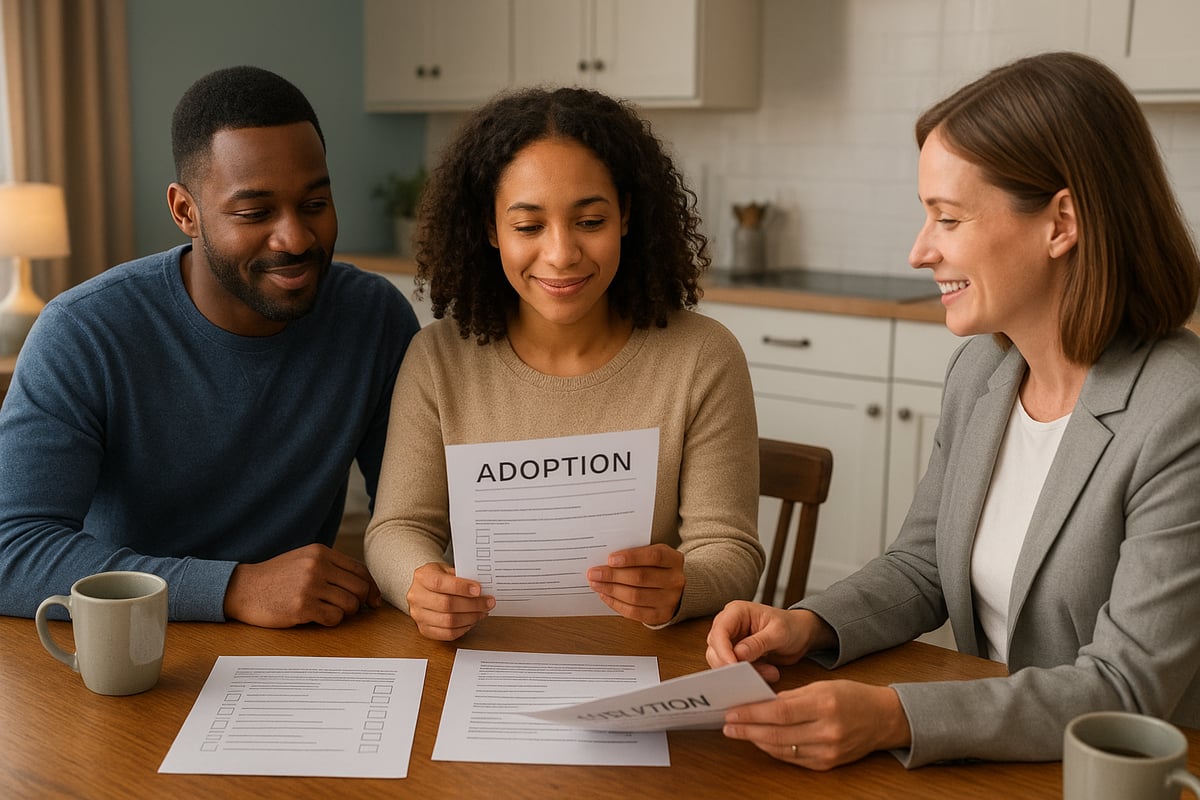
Step 1: Self-Assessment and Readiness
Before moving forward with choice adoptions, take time to reflect on your motivations and readiness. Adoption is a lifelong commitment that requires emotional stability, financial preparedness, and a supportive environment.
Ask yourself:
- Are you emotionally prepared for the unique challenges of adoption?
- Is your family supportive of this decision?
- Do you have the financial resources and time needed?
Use self-assessment checklists to evaluate your strengths and identify areas for growth. Honest reflection now leads to a smoother journey with choice adoptions and sets a solid foundation for your future family.
Step 2: Researching and Choosing an Adoption Pathway
With choice adoptions, understanding your options is essential. Research the differences between domestic infant, foster care, and international adoption. Each pathway has unique requirements, timelines, and rewards.
Consult with experienced adoption professionals and read real family stories to gain perspective. For a detailed comparison, explore the types of adoption pathways to see which route best fits your family’s vision.
Making informed decisions at this stage ensures that your choice adoptions journey aligns with your values, lifestyle, and long-term goals.
Step 3: Selecting an Adoption Agency or Professional
Choosing the right partner in your choice adoptions journey is crucial. Look for agencies or professionals with proper licensing and accreditation, positive reviews, and a transparent approach.
Ask these questions:
- How do they support both birth and adoptive families?
- What is their experience with your preferred adoption pathway?
- What post-placement resources do they offer?
Trustworthy agencies offer guidance at every step, making choice adoptions less overwhelming. Taking the time to vet your options empowers you to move forward with confidence and peace of mind.
Step 4: Completing the Home Study Process
The home study is a vital requirement for choice adoptions. This process involves background checks, interviews, and home visits to ensure a safe, welcoming environment for a child.
Prepare your home by:
- Checking safety features, like smoke detectors and secure storage.
- Gathering necessary documents, such as financial records and references.
- Involving all household members in the process.
On average, home studies take 3 to 6 months in 2026. Stay organized and proactive, and you’ll navigate this step in choice adoptions smoothly, demonstrating your readiness for parenthood.
Step 5: Financial Planning and Resources
Finances are a critical part of choice adoptions. Costs vary depending on the adoption path you choose. Domestic infant adoption may range from $20,000 to $50,000, while foster care adoption is often less expensive.
Explore these resources:
- Grants and loans specifically for adoptive families.
- Employer benefits and adoption tax credits.
- Community fundraising and support networks.
Careful planning and research ensure that the financial aspect of choice adoptions doesn’t become a barrier, allowing you to focus on building your family.
Step 6: Creating a Family Profile
Your family profile is your introduction to expectant mothers and agencies during choice adoptions. Make it authentic and heartfelt, sharing your story, values, and hopes for your future child.
Tips for a compelling profile:
- Use genuine photos and share personal interests.
- Be honest about your lifestyle and parenting philosophy.
- Highlight your support system and community.
Successful family profiles in choice adoptions reflect openness and sincerity, helping you connect with birth parents who share your vision for the child’s future.
Step 7: Preparing for Placement and Post-Placement
The final steps in choice adoptions involve preparing for placement and the period after your child comes home. Set realistic expectations and plan for emotional, logistical, and practical adjustments.
Common challenges include:
- Navigating new family dynamics.
- Managing the transition period for siblings or extended family.
- Seeking support for emotional ups and downs.
Stay connected with your agency and support groups, and remember that flexibility and patience are key during this transformative stage of choice adoptions.
The Adoption Process: Step-by-Step Journey
Embarking on the journey of choice adoptions means navigating a detailed, step-by-step process that ensures the best interests of everyone involved. With the right guidance, each stage brings you closer to building your family or making an empowered adoption plan. Let’s break down every phase so you know exactly what to expect and how to prepare.

Step 1: Application and Intake
The first step in choice adoptions is submitting an application to your chosen agency or professional. This application gathers essential background details, family history, and your motivations for adopting. You’ll also submit documents like identification, references, and sometimes an initial fee.
Once your paperwork is complete, the agency reviews your materials and determines if you’re ready for the next phase. On average, about 80% of applicants advance past intake. Taking this step seriously sets the tone for the rest of your choice adoptions experience, helping agencies understand your unique needs.
Step 2: Home Study and Approval
Next, the home study evaluates your readiness for choice adoptions. This comprehensive review includes interviews, background checks, and safety assessments of your home environment. Social workers will meet with you, your partner, and any household members to discuss your lifestyle and parenting approach.
Home studies typically take between three and six months in 2026. To ensure success, gather all required documents, prepare your home, and be open during interviews. A completed home study is a crucial milestone, signaling that you are prepared and eligible for choice adoptions.
Step 3: Matching and Placement
After approval, the matching phase begins. Agencies use digital profiles and interviews to connect families with children or expectant mothers. Your family’s profile, values, and preferences are carefully considered to find the best fit.
On average, it takes 12 to 18 months to find a match. Throughout this stage, choice adoptions professionals guide you and provide updates. This is a time of anticipation and hope, as you move closer to welcoming a child into your life.
Step 4: Pre-Placement Meetings and Communication
Before placement, you may have the chance to meet birth parents or your future child. These meetings help set expectations for ongoing contact and communication. Open discussions about boundaries, preferences, and hopes are encouraged.
In choice adoptions, transparency is vital. Many families find these conversations ease anxieties and lay the foundation for positive, respectful relationships. For more on what to expect at each stage, see this Adoption process step-by-step guide.
Step 5: Legal Finalization
Legal finalization is the step where your adoption becomes official. This involves court hearings, post-placement visits, and compliance with state or federal regulations. You’ll work closely with your attorney and agency to complete necessary paperwork and attend required hearings.
Finalization timelines vary by state, but most families complete this step within several months of placement. By following all legal requirements, you ensure your choice adoptions journey is secure and recognized by law.
Step 6: Transition and Adjustment Period
The first months after placement are a period of adjustment for everyone. Children may experience mixed emotions, and families can face new routines and challenges. Common issues include sleep disruptions, attachment concerns, or navigating new family dynamics.
Support is available throughout this period. Agencies and counselors offer advice and resources tailored to choice adoptions families. Open communication, patience, and flexibility are key as your family bonds and grows together.
Step 7: Post-Adoption Support and Resources
Support does not end after finalization. Ongoing counseling, support groups, and educational resources are available for both adoptive families and birth parents. These services ensure everyone involved in choice adoptions continues to thrive.
Programs often include peer mentorship, workshops, and access to community networks. Many families credit post-adoption support with helping them navigate challenges and celebrate milestones, making it an essential part of the process.
Financial and Legal Considerations in Adoption
Navigating the financial and legal side of choice adoptions is essential for a smooth, confident journey. Understanding expenses, available support, and your rights helps you make empowered, informed decisions. Let’s break down what you need to know to move forward with clarity in 2026.

Understanding Adoption Costs
When considering choice adoptions, families often wonder about the financial commitment. Costs vary by pathway. Domestic infant adoptions typically range from $20,000 to $50,000. Foster care adoption is often the most affordable, sometimes even free, while international adoption can exceed $40,000 due to travel, legal, and agency fees.
More articles
- What Happens at the Hospital When You Place a Baby for Adoption
- Adoption After the Baby Is Born: Rights, Risks, Recovery
- Open vs. Semi-Open Adoption: What Actually Changes
- Financial Help for Pregnant Women Considering Adoption in Indiana
- Choosing an Adoptive Family in Indiana: What to Weigh
- Placing a Baby Up for Adoption in Indiana