Us Adoption Photolisting Guide: Your Essential 2026 Handbook
Discover how a single click can change a child's life. In 2026, us adoption photolisting platforms are transforming the way families and children find each other. More hopeful parents than ever are connecting with waiting children through these innovative online tools.
Understanding the us adoption photolisting process can open doors, offering new beginnings for both families and children in need. This handbook is your trusted companion for every step of the journey.
Inside, you'll find a clear, step-by-step guide to using us adoption photolisting: from understanding the basics to navigating legal steps, practical tips, and where to find support.
Understanding US Adoption Photolistings
The digital age has revolutionized how families connect with children in need of adoption. US adoption photolisting platforms now play a pivotal role in bringing hope to waiting children and prospective parents alike.
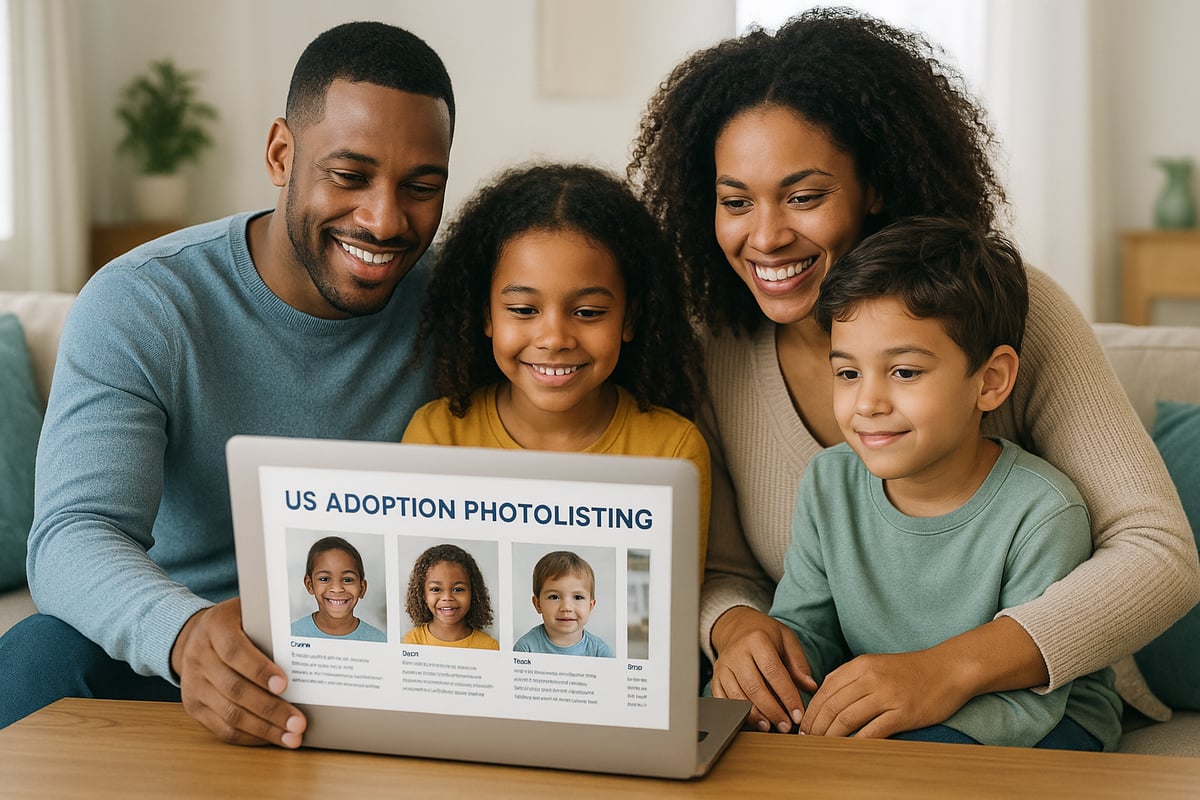
What Are Adoption Photolistings?
US adoption photolisting sites are online platforms that showcase profiles of children in foster care who are waiting to be adopted. These profiles often include a child’s photo, a brief biography, interests, and sometimes a video or personal statement. The main purpose of these photolistings is to connect children who need permanent families with adults ready to adopt.
Historically, photolistings began as printed books or newsletters distributed to agencies and families. Today, these resources have shifted almost entirely to digital platforms, making them more accessible and interactive. Some of the most widely used platforms include AdoptUSKids, state-run photolisting sites, and private agency listings.
Here’s a quick comparison of major US adoption photolisting platforms:
| Platform | Features | Special Focus |
|---|---|---|
| AdoptUSKids | National coverage, search filters, multimedia profiles | Sibling groups, teens, special needs |
| State Listings | Local focus, direct contacts | State-specific requirements |
| Private Agencies | Personalized support, smaller databases | Infants, special situations |
The types of children featured in US adoption photolisting systems are diverse. Profiles often highlight children of all ages, sibling groups who need to stay together, and children with special medical or emotional needs. According to AdoptUSKids, more than 25,000 children are photolisted each year, with many eventually finding families through these services. If you are curious about the children featured, you can explore detailed demographics and stories through Children on AdoptUSKids.
Common misconceptions exist around photolistings. Some believe only older children or those with complex needs are listed, but in reality, children of all backgrounds and ages may be featured. Others worry about the privacy of children, but strict guidelines ensure their dignity and safety remain top priorities.
Ultimately, understanding US adoption photolisting processes helps demystify adoption and empowers families to take informed steps forward.
Who Uses Photolistings and Why?
US adoption photolisting platforms serve a broad community. Prospective adoptive parents use these sites to search for children who might be a good fit for their family. These platforms allow parents to filter profiles by age, location, sibling status, and special needs, making the search more manageable and focused.
Social workers and agencies rely on US adoption photolisting tools to recruit families and match waiting children with suitable homes. By presenting up-to-date, detailed profiles, they increase a child's visibility and chances of finding a permanent family.
Birth families can also benefit from photolistings, as they offer transparency into the adoption process and help them understand the matching journey. For children, seeing their own stories shared respectfully can bring hope and a sense of agency, although their perspectives are often filtered through the guidance of caseworkers.
There are countless success stories. Many families speak about the moment they first saw a child’s profile and felt an instant connection. Yet, challenges exist, such as navigating incomplete information or managing the emotional highs and lows of the process. Still, when used thoughtfully, US adoption photolisting resources can be life-changing for everyone involved.
How to Search and Navigate US Adoption Photolistings
Navigating a us adoption photolisting for the first time can feel overwhelming, but breaking the process into manageable steps makes it achievable for any hopeful parent. The right approach will empower you to connect with waiting children and move forward confidently. Let’s explore each step in detail so you can maximize your chances of a successful adoption journey.

Step 1: Determine Your Adoption Readiness
Before diving into a us adoption photolisting, assess your family’s readiness for adoption. This self-check lays the foundation for everything that follows. Start by considering your emotional, financial, and practical preparedness. Are you ready for the lifelong commitment and possible challenges of adopting a child from foster care?
Key components of adoption readiness include:
- Emotional stability and support network
- Financial security and planning for adoption-related costs
- Openness to different ages, sibling groups, or special needs
A home study is required in nearly every us adoption photolisting process. This comprehensive evaluation reviews your background, home environment, and parenting approach. To learn more about what to expect, visit What is a home study for adoption.
Understanding your preferences is also essential. Are you open to adopting older children or those with specific needs? Clarifying these factors now will guide your search and ensure a smoother journey.
Step 2: Choose the Right Photolisting Platform
Selecting the best platform is crucial in your us adoption photolisting experience. Major platforms include AdoptUSKids, state-specific websites, and private agency listings. Each offers unique features and support options.
Platform comparison table:
| Platform | Search Filters | Multimedia | Support Resources |
|---|---|---|---|
| AdoptUSKids | Yes | Photos, video | Extensive |
| State Photolistings | Yes | Photos | Moderate |
| Agency Listings | Varies | Photos | Personalized |
Look for platforms that provide:
- Detailed child profiles
- Robust search filters (age, state, needs, sibling groups)
- Privacy protections for your data
- Support resources like FAQs or live chat
Registration is often required to express interest or access full profiles. Take care to use secure passwords and be mindful of the personal information you share.
Step 3: Search Strategies and Profile Evaluation
Once you’re on a us adoption photolisting, search efficiently to find children who match your family’s strengths and desires. Use filters for age, location, sibling groups, and special needs to refine your results.
When reviewing profiles, pay attention to:
- Key details: age, interests, background, support needs
- Common terms: “legally free” means parental rights are terminated, “special needs” can refer to emotional, physical, or developmental needs, and “waiting child” indicates a child seeking a permanent family
A sample profile might read: “Aiden, age 8, enjoys soccer and art. He is part of a sibling group and needs a patient, loving family.” Take notes as you review, and don’t hesitate to ask questions if information is unclear.
Evaluating profiles thoughtfully helps you make informed decisions and increases your chances of a meaningful match.
Step 4: Making Initial Inquiries
After identifying a child or sibling group on a us adoption photolisting, the next step is to express your interest. Follow the platform’s instructions for submitting inquiries and be prepared with required documentation, such as your completed home study and family profile.
Communication etiquette matters. Be respectful, concise, and patient in your messages to social workers or agencies. After your inquiry, expect a waiting period as professionals review your information and determine next steps. Timelines vary, so stay proactive but flexible.
Understanding what to expect after your initial inquiry will help you navigate the process with confidence and set realistic expectations for your adoption journey.
Legal and Ethical Considerations in Photolisting Adoption
Navigating the legal and ethical landscape of us adoption photolisting is essential for every prospective adoptive parent. Understanding the rules, responsibilities, and best practices ensures a smoother journey for you and, most importantly, protects the well-being of waiting children.
Legal Frameworks and Requirements
The us adoption photolisting process is governed by a combination of federal and state laws. These laws are designed to protect children and ensure ethical matches. Federal guidelines, such as those enforced by the Adoption and Safe Families Act, set standards for how children are listed and matched. State laws may add extra requirements, so it is vital to understand your state’s specific rules.
A crucial part of the process is the Interstate Compact on the Placement of Children (ICPC). This agreement coordinates placement when a child is adopted across state lines. It ensures that all legal and safety checks are completed before a child moves to a new home.
Another key term in us adoption photolisting is “legally free for adoption.” This means a child’s parental rights have been terminated by the courts, clearing the way for adoption. Requirements for finalizing adoptions can vary by agency and state, so always consult with your agency or legal advisor.
Ethical Issues and Best Practices
Ethics are at the heart of every us adoption photolisting. Protecting a child’s privacy is non-negotiable. Photos and descriptions must be respectful and never exploit a child’s story for publicity. Agencies and professionals are responsible for ensuring that profiles are accurate, up-to-date, and written with sensitivity.
It is also essential to recognize the risks of disruption and secondary trauma. Children featured in us adoption photolisting often have complex backgrounds. They deserve dignity and care throughout the process. Families should approach inquiries thoughtfully, focusing on the child’s needs, not just their own wishes.
For a deeper dive into confidentiality and privacy, Ethical Considerations in Adoption Research provides valuable insights for all parties involved. Following these best practices builds trust between families, agencies, and children.
Navigating Potential Challenges
The us adoption photolisting journey is not without hurdles. Delays and communication breakdowns can occur, especially when coordinating between multiple agencies or states. Sometimes, the information in a child’s online profile might not reflect the full reality, leading to surprises during the matching process.
Families may encounter challenges such as:
- Waiting longer than expected for responses
- Discovering additional needs not listed in the profile
- Facing emotional ups and downs during the matching phase
Learning from both successful and unsuccessful matches helps future families prepare. Stay proactive, keep the lines of communication open, and remain flexible in your expectations. By anticipating these common challenges, you can navigate us adoption photolisting with resilience and compassion.
Steps to Pursue Adoption Through Photolistings
Starting your journey with a us adoption photolisting can feel overwhelming, but breaking it into clear steps makes the process manageable and rewarding. Let’s walk through each stage so you can move forward with confidence and clarity.

Step 1: Completing the Home Study
The first official step in any us adoption photolisting journey is the home study. This comprehensive review ensures you are ready to provide a loving, stable environment. During this stage, you’ll gather essential documents, complete background checks, and participate in interviews.
Common requirements include:
- Proof of income and employment
- Medical records and clearances
- References from friends or family
Timelines and costs vary, but here’s a quick overview:
| Step | Average Timeline | Typical Cost |
|---|---|---|
| Home Study | 2–6 months | $1,000–$3,000 |
Being open, honest, and timely with your social worker will speed things up. Remember, the home study is not about perfection. It’s about showing your readiness and commitment to a child’s well-being.
Step 2: Submitting Your Family Profile
Once your home study is approved, it’s time to create and submit your family profile to the us adoption photolisting platform. This profile is your chance to introduce your family to caseworkers and, sometimes, children searching for families.
Include:
- Recent family photos
- A heartfelt letter describing your values and lifestyle
- Details about your home, pets, and interests
Make your profile authentic and welcoming. Caseworkers want to see your genuine personality and what makes your family unique. Share stories or traditions that highlight your strengths as potential adoptive parents.
A strong profile increases your chances of being noticed and matched with a child who fits your family’s dynamic.
Step 3: Matching and Selection Process
After submitting your information on a us adoption photolisting, you’ll enter the matching and selection phase. Social workers and agencies review family profiles to identify the best fit for each child’s needs.
This stage might involve:
- Matching meetings or interviews with social workers
- Additional requests for information or clarification
- Waiting periods while agencies review multiple families
Partnering with adoption professionals and agencies can streamline this process, offering guidance and advocacy as you navigate complex decisions. Stay proactive and responsive, and don’t hesitate to ask questions about the process or the child’s needs.
Step 4: Meeting and Transitioning with the Child
Once a match is made through a us adoption photolisting, you’ll begin meeting your prospective child. The transition is gradual and designed to support both you and the child emotionally.
Typical steps include:
- Virtual introductions or video calls
More articles
- What Happens at the Hospital When You Place a Baby for Adoption
- Adoption After the Baby Is Born: Rights, Risks, Recovery
- Open vs. Semi-Open Adoption: What Actually Changes
- Financial Help for Pregnant Women Considering Adoption in Indiana
- Choosing an Adoptive Family in Indiana: What to Weigh
- Placing a Baby Up for Adoption in Indiana