The Adoption Process Guide: Everything You Need to Know in 2026
Thinking about starting the adoption process in 2026? You’re in good company, as more families are exploring this life-changing path each year. The adoption process can feel overwhelming, but understanding each step brings clarity and confidence.
In this guide, you’ll discover the different types of adoption, how to prepare, the stages involved, costs to expect, emotional realities, and what’s changing in 2026. By learning the adoption process, you empower yourself to make informed, confident choices for your family.
Ready to take the next step? Dive into each section for expert advice and up-to-date insights that will help you navigate adoption in 2026.
Understanding Adoption: Types, Trends, and Key Terms
Adoption is a legal process that creates a permanent parent-child relationship between individuals who are not biologically related. In 2026, the adoption process involves careful legal steps and protections for everyone involved, ensuring the child's best interests are at the center.

Types of Adoption
There are several main pathways in the adoption process, each with unique considerations:
- Domestic Infant Adoption: Involves adopting a newborn from within the United States.
- Foster Care Adoption: Provides a permanent home for children who cannot return to their birth families.
- International Adoption: Adopting a child from another country, which includes additional legal steps.
- Kinship Adoption: Relatives, such as grandparents or aunts, adopt a child within the extended family.
- Stepparent Adoption: A stepparent assumes legal parental rights for their spouse’s child.
To explore these options in more detail, visit Types of adoption explained. Understanding these choices is crucial for navigating the adoption process successfully.
Key Terms and Legal Implications
Familiarity with key terms is essential as you move through the adoption process:
- Home Study: A comprehensive evaluation of your family, home, and lifestyle.
- Placement: The period when a child moves in with the adoptive family before finalization.
- Finalization: The legal court process that makes the adoption permanent.
- Open vs. Closed Adoption: Open adoption allows ongoing contact with birth families, while closed adoption limits or ends contact.
- Post-Adoption Support: Counseling, resources, and education available to families after finalization.
In 2021, over 113,000 children in the U.S. were eligible for adoption, with the average wait time nearing three years. These numbers highlight why it’s important to understand the adoption process from start to finish.
Trends Shaping Adoption in 2026
Recent years have seen major shifts in the adoption process. Changes in abortion laws, such as Dobbs v. Jackson, have influenced adoption rates and birth parent decision-making. Open adoption is now more common, with families and birth parents working together to support the child’s identity.
Kinship placements are increasingly prevalent. For example, when a grandparent adopts their grandchild, the adoption process is often faster and helps maintain family continuity. Staying informed about trends and terminology empowers both adoptive and birth families to make confident choices.
Preparing for Adoption: Emotional, Legal, and Financial Readiness
Preparing for the adoption process is a journey of self-discovery, research, and planning. Before you dive in, take time to understand your motivations and ensure your family is truly prepared for the lifelong impact of adoption.

Emotional Readiness: Checking Your Motivation
Ask yourself why you want to pursue the adoption process. Are you ready for the joys and challenges ahead? Adoption is not just adding a child to your family; it is embracing a lifetime of change, questions, and growth. Children experience adoption as a form of trauma, even in the best scenarios. Ongoing support, empathy, and openness are essential for helping your new family member thrive. Many parents say, "Double your expected timeline and be ready for emotional ups and downs." Taking time to reflect now will help you stay grounded as the journey unfolds.
Legal Readiness: Understanding the Rules
The adoption process is highly regulated. Each state has its own criteria, but all require background checks, home studies, and detailed documentation. You will need to prove your eligibility, complete training, and meet state-specific requirements. Legal steps can feel overwhelming, so start by researching your state’s rules and connecting with experienced adoption professionals. Knowing what to expect and gathering your paperwork ahead of time can reduce delays and stress. Understanding the legal landscape is a crucial part of preparing for the adoption process and sets the stage for a smoother experience.
Financial Readiness: Planning for the Costs
It is important to face the financial realities of the adoption process early. Costs vary widely, from lower fees in kinship or foster-to-adopt placements to higher expenses in private or international adoptions. Typical costs include agency or attorney fees, legal paperwork, travel, and post-placement support. Many families worry about affording adoption, but resources exist. Grants, employer benefits, and the federal adoption tax credit can help. To learn more about average expenses and available support, read this guide on adoption costs and financial help. Careful planning will help you navigate this critical part of the adoption process with confidence.
Support Systems: Building Your Team
No one should go through the adoption process alone. Counseling and support groups offer a lifeline for both adoptive families and birth parents. Connecting with others who have walked this path gives you a place to share, ask questions, and find reassurance. Research agencies, attorneys, and resources thoroughly before starting. Seek out testimonials and reviews, and do not hesitate to ask for references. Building a strong support system before, during, and after the adoption process will help you handle challenges and celebrate milestones together.
Step-by-Step Guide to the Adoption Process in 2026
Embarking on the adoption journey may seem daunting, but breaking down the adoption process into clear steps makes it manageable and empowering. In 2026, families have access to more resources, technology, and support than ever before. Let’s walk through each stage so you can take confident action toward building your family.
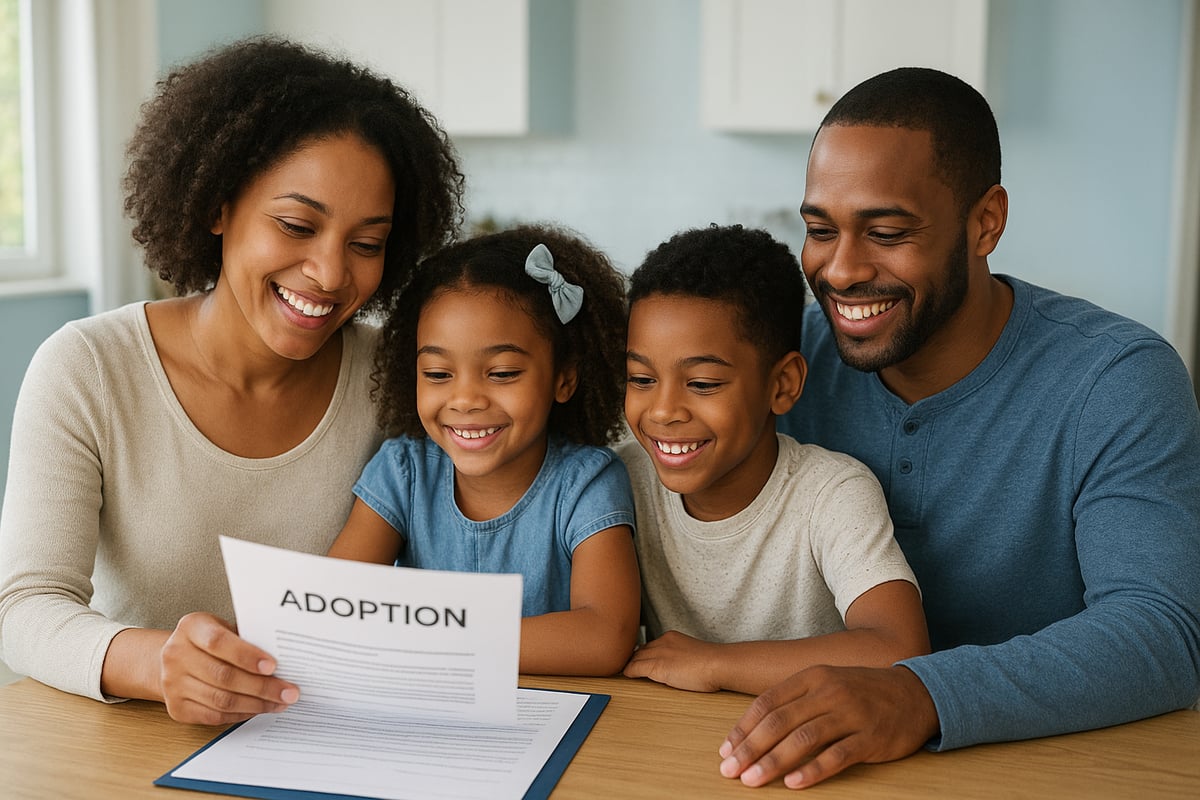
Step 1: Research and Choose an Adoption Path
The first step in the adoption process is deciding which path fits your family best. Options include domestic infant adoption, foster care adoption, international adoption, kinship, and stepparent adoption. Each has unique requirements, timelines, and emotional journeys.
Here’s a quick comparison:
| Adoption Path | Typical Wait Time | Cost Range | Openness Options |
|---|---|---|---|
| Domestic Infant | 1-3 years | $25K-$50K | Open or Closed |
| Foster Care | 6-18 months | Low/State-subsidized | Usually Open |
| International | 2-5 years | $30K-$60K | Usually Closed |
| Kinship | Varies | Low | Usually Open |
| Stepparent | Few months | Low | Usually Open |
Consider your comfort with open vs. closed adoption, your budget, and your willingness to wait. Understanding the adoption process at this stage helps you set realistic expectations and goals.
Step 2: Select an Agency or Attorney
Next, you’ll need to choose a licensed adoption agency or adoption attorney to guide you through the process. Vet agencies carefully—ask about their experience, support services, transparency, and fee structure. Peer reviews and testimonials are invaluable for insight.
When interviewing professionals, ask:
- What support do you offer after placement?
- How do you handle birth family communication?
- Are all fees disclosed upfront?
- What ethical standards guide your work?
Using resources like Choosing an adoption agency can help you make an informed decision. Selecting the right partner is crucial for a smooth adoption process and lasting peace of mind.
Step 3: Complete the Home Study
Every adoption process requires a home study, which is a comprehensive review of your home, background, and readiness to adopt. This includes background checks, interviews, home visits, references, and documentation.
The typical timeline is 3–6 months, but this can vary by state and agency. Prepare by gathering documents, childproofing your home, and being open during interviews. The home study is not an inspection to catch mistakes, but a way to ensure a safe, loving environment for a child.
Stay proactive and organized to move smoothly through this stage of the adoption process.
Step 4: Matching and Waiting
After your home study is approved, you enter the matching and waiting phase of the adoption process. This stage can be emotionally taxing, as the wait for a match may last months or even years, depending on your chosen path and preferences.
Factors such as age, race, openness, and special needs influence your match. Birth parents may select families based on profiles, or agencies may make matches. Many adoptive parents find this phase challenging, so lean on support groups and counseling.
Remember, patience and flexibility are essential during the adoption process at this stage.
Step 5: Placement and Transition
Once matched, the placement and transition step of the adoption process begins. You’ll meet your child, sometimes through gradual visits, and prepare your home and family for their arrival.
Transition periods vary. Some children may move in immediately, while others benefit from a slower adjustment. Prepare siblings and relatives, set up the child’s room, and connect with therapists or support groups if needed.
This is a time of excitement and change, and having resources ready will help everyone adjust smoothly throughout the adoption process.
Step 6: Legal Finalization
The legal finalization phase of the adoption process involves court hearings, legal documentation, and formalizing your parental rights. Timelines vary by state and adoption type, but most families reach this step several months after placement.
You’ll need to submit paperwork, attend a final hearing, and may need to resolve issues like a child’s new birth certificate or social security number. Once finalized, you gain all legal rights and responsibilities as the child’s parent.
Celebrate this milestone—it is the official completion of the adoption process for your family.
Step 7: Post-Adoption Support and Adjustment
The adoption process does not end with finalization. Ongoing support is vital for your family’s long-term success. Many children and parents benefit from post-adoption counseling, support groups, and educational resources.
Topics such as identity, trauma, and open adoption agreements may arise. Be proactive in seeking help, maintaining healthy communication, and honoring your child’s story. The journey continues, and accessing support ensures your family thrives after completing the adoption process.
Navigating Challenges and Complexities in Adoption
Starting the adoption process is exciting, but it is also filled with unique hurdles. Both adoptive and birth families encounter a mix of emotions, legal steps, and unexpected situations. By understanding these challenges, you can better prepare for the journey ahead.

Emotional Realities for Adoptive and Birth Families
One of the first hurdles in the adoption process is managing the emotional rollercoaster. Adoption brings immense joy to some, but it can also mean loss and grief for others, especially birth parents.
Children often experience trauma and attachment challenges, even in the most loving homes. Adoptive parents should be aware that healing takes time and patience. Ongoing therapy and support can make a significant difference for everyone involved in the adoption process.
It is crucial to manage expectations. Love does not erase all difficulties. Many families find that joy and hardship walk hand in hand. A wise piece of advice: keep a therapist on standby and build a network of support early in the adoption process.
Legal and Administrative Hurdles
Every state has its own requirements for the adoption process, making legal navigation tricky. Delays in paperwork, such as obtaining social security numbers or adoption tax IDs, are common frustrations. Staying organized with documentation is essential.
Legal guidance is a must, especially when it comes to understanding tax credits and financial paperwork. For example, recent changes in the Adoption Tax Credit Updates can impact your planning, so staying informed helps avoid surprises.
The adoption process can also bring unexpected administrative challenges. Adoptive parents sometimes face complications when filing taxes or finalizing their child’s legal status. Working with experienced professionals can smooth out these bumps.
Medical and Special Needs Considerations
Another layer of the adoption process is preparing for potential medical or special needs. Many children waiting for adoption have experienced prenatal exposure to substances like drugs or alcohol, which can affect development.
Being proactive is key. Alert your pediatrician early and create a care plan that addresses possible behavioral or developmental needs. This preparation ensures your family is ready for whatever comes next in the adoption process.
Relationship with Birth Family and Open Adoption
Navigating relationships with birth families is an evolving part of the adoption process. Open adoption is becoming more common, offering ongoing contact between adoptive and birth families. Setting clear boundaries and expectations is vital to ensure healthy relationships.
When open adoption works well, it can benefit everyone involved. Many families report that having honest conversations and mutual respect leads to positive outcomes. Remember, the adoption process does not end at placement; it is an ongoing journey of connection and understanding.
Adoption Costs and Financial Assistance in 2026
Adoption is a meaningful commitment, but it can also be a significant financial undertaking. Understanding the costs involved in the adoption process is crucial for families considering this journey in 2026. Budgeting ahead relieves stress and empowers you to focus on building your family, not just managing expenses.
More articles
- What Happens at the Hospital When You Place a Baby for Adoption
- Adoption After the Baby Is Born: Rights, Risks, Recovery
- Open vs. Semi-Open Adoption: What Actually Changes
- Financial Help for Pregnant Women Considering Adoption in Indiana
- Choosing an Adoptive Family in Indiana: What to Weigh
- Placing a Baby Up for Adoption in Indiana