Home Study for Foster Care Guide: What to Expect in 2026
Are you thinking about opening your heart and home to a child in need in 2026? The journey begins with the home study for foster care, a step that can feel intimidating but is truly your pathway to making a difference.
Many future foster parents worry about what the home study for foster care involves or if they’ll pass. This guide will break down every stage, from new requirements to practical steps, so you know exactly what to expect. The foster care system is searching for compassionate families now more than ever.
With the right knowledge and preparation, you can approach the home study for foster care with confidence. Ready to see how you can change a child’s life? Read on for your essential 2026 guide.
What Is a Foster Care Home Study?
Becoming a foster parent is a meaningful commitment, and the home study for foster care is the first major milestone on your path. But what does this process really involve? Understanding the ins and outs can help you move forward with confidence, knowing exactly what to expect and how to prepare.

Definition and Purpose of a Home Study
A home study for foster care is a comprehensive evaluation designed to ensure that prospective foster parents and their homes meet all legal and safety standards. This process is required in every state before you can welcome a child into your care. It involves a licensed social worker or agency representative visiting your home, meeting your family, and reviewing your living environment.
The main goal is to confirm that your home provides a safe, stable, and nurturing setting for children. The home study for foster care also helps agencies match children with families who are best equipped to meet their needs. It lays the groundwork for a positive, supportive foster care experience for everyone involved.
Key Components of the Home Study
During the home study for foster care, you will complete several important steps. These include:
- Background checks and fingerprinting for all adults in the home
- In-depth interviews with every household member
- A review of your finances, employment, and health status
- A thorough safety inspection of your home and property
- Collection of personal references and supporting documents
Each element of the home study for foster care is designed to build a complete picture of your family’s readiness. For a detailed list of requirements, you can review the Foster Care Licensing Requirements in Indiana, which outlines what agencies typically look for nationwide.
Why Home Studies Matter in 2026
The home study for foster care is more important than ever in 2026. With rising numbers of children entering foster care, agencies are looking for families who are not just loving, but also well-prepared. New standards emphasize trauma-informed care and mental health awareness, ensuring that foster parents can support children who may have experienced significant challenges.
Diversity and inclusion are also key. Agencies want foster parents to respect and celebrate each child’s cultural background. In 2026, technology will play a bigger role in the home study for foster care, with digital applications and virtual interviews streamlining the process and ensuring compliance with updated regulations.
Types of Home Studies (Foster vs. Adoption)
Not all home studies are the same. The home study for foster care is distinct from adoption home studies, although there is often overlap. Foster care studies focus on temporary placements and reunification, while adoption studies emphasize permanency and long-term fit. There are also specialized home studies for kinship care, respite care, and emergency placements.
Requirements and documentation can vary by state. For example, Indiana requires separate home studies for foster care and adoption. This ensures that the unique needs of each child and family situation are fully considered before placement.
2026 Foster Care Home Study Requirements: What’s New and What’s Standard
Getting ready for a home study for foster care in 2026 means understanding both new changes and long-standing expectations. Agencies are updating their processes, so being informed is your best strategy for success. Let’s break down what you’ll need to know and do.

Updated Legal and Regulatory Standards
Federal and state laws set the foundation for every home study for foster care. In 2026, expect even stricter background checks and a shift toward digital documentation. States now require more extensive training in trauma-informed care, cultural sensitivity, and online safety.
Agencies are rolling out new digital platforms for submitting applications and tracking your progress. For example, in 2025, there was a 12 percent increase in digital application submissions, showing the trend toward streamlined, paperless processes. Some states have introduced specific updates, such as mandatory online safety modules and stricter fingerprinting protocols. Staying current with these changes is vital, no matter where you live.
Home Environment and Safety Criteria
A safe, welcoming environment is non-negotiable in the home study for foster care. Inspectors will look for childproofing steps like outlet covers, window guards, and safety gates. Secure storage of medications, alcohol, and cleaning products is a must.
Fire safety is also under the microscope. Working smoke detectors, fire extinguishers, and clear evacuation plans are required in every home. While a bit of clutter is understandable, unresolved safety hazards are a dealbreaker. Agencies want to see that your living space is clean, well-maintained, and ready to support a foster child’s needs.
Financial, Health, and Lifestyle Assessments
Stability is key in the home study for foster care. Agencies will request proof of steady income and current employment. You don’t need to be wealthy, but you must show you can meet a child’s basic needs.
All household members will need up-to-date medical exams, and some agencies may require mental health screenings. Inspectors will also ask about your lifestyle, including smoking habits, pets, and how you plan to ensure digital safety for teens. This holistic approach helps confirm your home is a healthy, stable environment for fostering.
Documentation and Background Checks
Paperwork is a big part of the home study for foster care, so organization is crucial. You’ll need to provide identification, birth and marriage certificates, financial records, and reference letters. Agencies conduct criminal background checks and review child abuse and neglect registries for all adults in the home.
Reference checks from non-family members are standard, and some states now require digital uploads of all documents. For more details on what’s involved, see this overview of background checks in Indiana adoption, which outlines procedures that often mirror those for foster care home studies.
Training and Education Requirements
Training is a cornerstone of every home study for foster care. You’ll be asked to complete between 10 and 30 plus hours of pre-service training, covering topics like trauma-informed care, discipline, and cultural awareness. CPR and first aid certification are usually required.
Ongoing education is now standard, with annual training updates to keep foster parents equipped for changing needs. Virtual learning options have expanded, making it easier to fit training into your schedule. These requirements help ensure you are prepared for the realities of fostering in 2026.
Step-by-Step: The Foster Care Home Study Process in 2026
Preparing for a home study for foster care can feel like navigating a maze, but breaking it into clear steps makes the process manageable. Each stage serves a purpose, helping both you and the agency ensure the best fit for a child in need. Here’s what to expect at every step.

Step 1: Application and Initial Screening
The journey begins with an application, either through your local agency or an online portal. During this stage, you’ll answer basic questions about your household, background, and motivation for fostering.
- Provide contact details and household information
- Confirm you meet minimum requirements (age, space, residency)
- Participate in a phone or virtual pre-screening
Red flags, like unresolved criminal history or major health issues, are identified early. Virtual pre-screenings are increasingly common in the home study for foster care process, streamlining eligibility checks and saving time for everyone.
Step 2: Gathering and Submitting Documentation
Next, you’ll collect and submit essential paperwork. Agencies typically provide a detailed checklist, making it easier to organize documents like IDs, proof of income, and health records.
- Gather birth certificates, marriage licenses, and financial statements
- Complete background check forms for all adults
- Submit reference letters from non-family members
Timely submission is crucial. Many agencies now use digital platforms for uploading and tracking documents, helping you stay on top of your home study for foster care requirements and avoid unnecessary delays.
Step 3: Home Inspection and Safety Review
A licensed social worker schedules a visit to inspect your home environment. The focus is on safety, cleanliness, and space for a foster child.
- Walkthrough of every room to check for hazards
- Verification of working smoke detectors and fire extinguishers
- Review of sleeping arrangements and emergency plans
You’ll receive feedback on any needed improvements. Across the country, states like Texas outline these expectations in detail, as seen in the Home Study Guidelines in Texas. Remember, the home study for foster care prioritizes safety over perfection—minor clutter isn’t a dealbreaker.
Step 4: In-Depth Interviews and Family Assessment
Interviews are a core part of the home study for foster care. Social workers meet privately and as a group with everyone in your household.
- Discuss your motivation and readiness to foster
- Explore family dynamics, routines, and discipline approaches
- Address sensitive topics like past trauma or mental health
Typical questions include: “How will you support a child’s cultural background?” and “What challenges do you anticipate?” Openness and honesty are valued, not perfect answers.
Step 5: Reference Checks and Background Verification
Agencies verify your references and background to confirm your suitability for fostering. This part of the home study for foster care ensures child safety and agency compliance.
- Contact personal and professional references
- Confirm employment and income stability
- Follow up on flagged background check results
Delays often occur if references are incomplete or unreachable, so double-check your contact list before submitting. Agencies may request additional references if any concerns arise.
Step 6: Final Evaluation and Report Compilation
Finally, the social worker compiles a comprehensive report summarizing your strengths, concerns, and overall readiness. This report is essential for the home study for foster care approval process.
- Review and correct any factual errors
- Submit the report to the agency or court for final approval
- Receive feedback and next steps
The entire process—from application to approval—typically takes 60 to 120 days. With preparation and transparency, you can navigate each step confidently and move closer to welcoming a child into your home.
Preparing Your Home and Family: Practical Tips for Success
Getting ready for a home study for foster care takes more than paperwork. It means preparing your environment, your mindset, and your family for a life-changing journey. Here are practical tips to help you shine in every area of the process.
Childproofing and Safety Measures
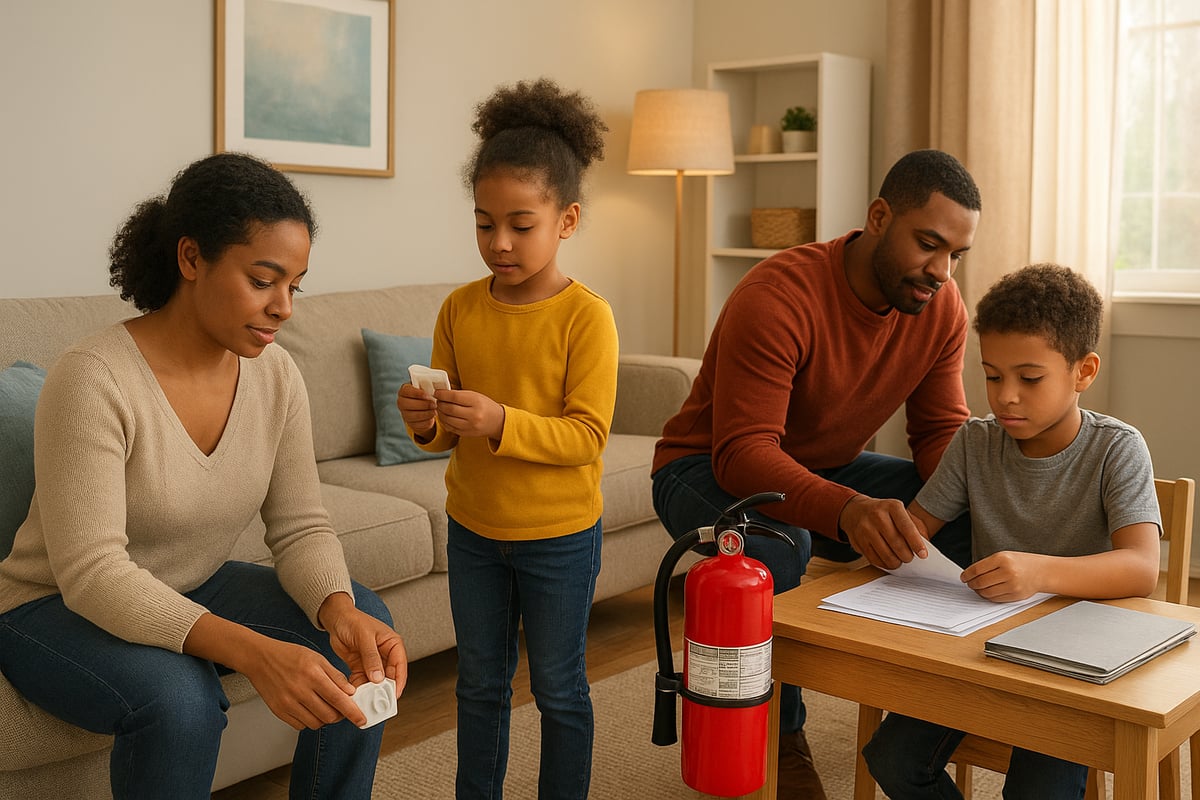
Safety is the first thing a social worker will check during your home study for foster care. Take a walkthrough of your home and look for common hazards.
- Install outlet covers, cabinet locks, and window guards.
- Secure stair gates and keep small objects out of reach.
- Store cleaning supplies, knives, medications, and alcohol in locked cabinets.
If you have pets, ensure they are friendly and have up-to-date vaccinations. For families with teens, set up parental controls on devices and discuss digital safety rules. Ask a parent friend for advice if you are new to childproofing. Remember, small messes are okay, but unresolved safety risks can delay approval.
Organizing Paperwork and Legal Documents
One major challenge in the home study for foster care is keeping documents organized. Create a dedicated binder or digital folder for everything you collect.
- Make copies of all original documents and keep them handy.
- Prepare health and vaccination records for every household member.
- Sign forms ahead of meetings to avoid last-minute stress.
- Use a checklist to track what you have submitted.
Staying organized streamlines the process and shows the agency you are reliable. Aim to have every document ready before deadlines to prevent delays.
Preparing for the Interview: What Social Workers Want to Know
The interview is a crucial part of your home study for foster care. Social workers want to learn about your motivations, strengths, and family dynamics.
Reflect on why you want to foster, and be honest about any concerns or past challenges. Highlight your support network, stable relationships, and flexibility. Be ready to discuss your approach to discipline, routines, and cultural awareness.
Practice answering common questions, such as why fostering is important to you, or how you will support a child’s identity. Preparation helps you share your story with confidence.
Family and Household Readiness
Open communication is key for a successful home study for foster care. Talk openly with every member of your household about what fostering will mean.
Set clear expectations, address any fears, and involve everyone in planning for changes to routines or privacy. Identify your support system—friends, relatives, or community groups—who can help during challenging times.
Agencies value transparency and teamwork. Taking time to prepare your family demonstrates commitment and resilience, two qualities that help children thrive.
More articles
- What Happens at the Hospital When You Place a Baby for Adoption
- Adoption After the Baby Is Born: Rights, Risks, Recovery
- Open vs. Semi-Open Adoption: What Actually Changes
- Financial Help for Pregnant Women Considering Adoption in Indiana
- Choosing an Adoptive Family in Indiana: What to Weigh
- Placing a Baby Up for Adoption in Indiana