The Expert Guide to Cost for Private Adoption in 2026
Are you exploring the possibility of private adoption in 2026? Understanding the true cost for private adoption is the first step toward making your dream of growing your family a reality.
This expert guide will break down every dollar you can expect to spend, from agency fees to hidden expenses, so you know exactly what lies ahead. You will discover the different types of private adoption, get a detailed cost breakdown, and learn practical ways to save money.
Let’s remove the guesswork and empower you to take confident steps on your adoption journey.
Understanding Private Adoption in 2026
Thinking about growing your family in 2026? Private adoption is a pathway many hopeful parents consider, but understanding the cost for private adoption is crucial before you begin. This section breaks down what private adoption really means, the latest trends shaping 2026, the main types of arrangements, and who typically chooses this journey.

What is Private Adoption?
Private adoption occurs when birth parents voluntarily place their child directly with adoptive parents, rather than through the foster care system or an international program. The cost for private adoption can differ significantly from other forms since it is typically managed by a licensed agency or an adoption attorney.
Unlike public or foster care adoption, which often involves children already in state care, private adoption usually focuses on infants. The process generally includes matching, counseling, legal steps, and sometimes financial support for the birth mother. Each stage can affect your overall cost for private adoption, so it’s important to know what’s included before you commit.
Trends in Private Adoption for 2026
As we approach 2026, private adoption in the U.S. is evolving. Data shows a steady demand, but legal reforms and changing social attitudes are having an impact on the cost for private adoption and on the adoption process itself.
Regulatory updates in several states are shaping how fees are structured and what expenses are permissible. There’s also a growing preference for open and semi-open adoptions, where birth and adoptive families maintain some contact. These trends can influence both emotional outcomes and the cost for private adoption, making it essential to stay informed about new developments.
Types of Private Adoption Arrangements
Private adoptions generally fall into two categories: agency-facilitated and independent (or private attorney) adoptions. Agency adoptions involve a licensed organization managing the process, often including counseling, matching, and post-placement support. Independent adoptions are arranged directly between the birth parents and adoptive parents, usually with legal oversight from an attorney.
The cost for private adoption can vary greatly between these types. For a detailed comparison, see the Costs of Adopting: Fact Sheet. Agency adoptions often have higher upfront fees but provide more comprehensive services. Independent adoptions may offer more flexibility and sometimes lower costs, but may require you to coordinate more steps yourself. Typical scenarios include families working with agencies for greater support, or choosing independent routes for more direct control.
Who Chooses Private Adoption and Why?
Families pursue private adoption for many reasons. Some want to adopt a newborn, while others seek more involvement in the matching process. The cost for private adoption, while significant, is often offset by the benefits of greater choice and earlier involvement in a child’s life.
Demographically, private adoption appeals to a wide range of families, including singles, couples of all backgrounds, and LGBTQ+ parents. Birth parents may choose private adoption to participate in selecting their child’s family or to maintain some level of contact. While private adoption offers unique rewards, it also comes with challenges such as emotional complexities and the need for careful financial planning.
Comprehensive Breakdown of Private Adoption Costs
Understanding the full cost for private adoption is crucial for families planning this life-changing journey. Expenses can vary widely, so let’s look at each major category to help you budget with confidence.

Agency Fees and Service Charges
Agency fees are often the largest component of the cost for private adoption. In 2024, these fees typically range from $20,000 to $50,000, and this is expected to rise slightly by 2026.
What do these fees cover? Most agencies include:
- Counseling and support for both adoptive and birth families
- Matching services and outreach
- Case management and coordination
- Educational resources
Costs can vary based on your region and the agency’s reputation. Some agencies offer more comprehensive support, which can increase the overall cost for private adoption. Always request a detailed fee schedule before committing.
Legal Fees and Court Costs
Legal expenses are another significant part of the cost for private adoption. Attorney fees generally range from $4,000 to $15,000, depending on complexity.
Key components include:
- Preparing and filing all necessary legal documents
- Representing you in court hearings
- Handling the Interstate Compact on the Placement of Children (ICPC), which is required for out-of-state adoptions
Some states may require multiple court appearances or additional filings, so always confirm with your legal professional. Factoring in legal costs early ensures you’re not surprised later in the process.
Home Study and Background Checks
A home study is mandatory and a critical part of the cost for private adoption. On average, you can expect to pay $2,000 to $4,000 for the initial study, plus fees for background checks.
The home study process includes:
- Interviews with all household members
- Home safety inspections
- Collection of personal documents and references
If a placement takes longer than anticipated, you might need to renew or update your home study, which involves additional fees. For more details on this important step, see the home study process and expenses.
Birth Mother Expenses
In many private adoptions, adoptive parents are responsible for certain birth mother expenses, which contribute to the total cost for private adoption. These expenses are regulated by state law and may include:
- Living expenses (rent, utilities, groceries)
- Medical care not covered by insurance
- Counseling and emotional support services
The typical range is $5,000 to $15,000, but this can be higher in some states. Negotiations are usually handled by your agency or attorney, and payments are made directly to service providers rather than the birth mother herself.
Medical and Hospital Expenses
Medical and hospital expenses are an essential part of the cost for private adoption, covering prenatal care, delivery, and postnatal care.
Insurance or Medicaid may cover a portion of these costs, but adoptive parents are often responsible for any remaining out-of-pocket expenses. These can fluctuate based on the birth mother’s health, insurance status, and the hospital’s billing practices.
It’s important to clarify what is covered before proceeding, and to set aside funds for unexpected medical needs that may arise during the adoption process.
Travel and Accommodation
Travel can be a hidden but significant part of the cost for private adoption, especially if the placement is out of state or requires multiple trips for legal or hospital visits.
Typical expenses include:
- Airfare for one or more trips
- Hotel stays, sometimes for several weeks
- Meals and transportation
For example, a family adopting across state lines may spend $2,000 to $5,000 on travel. Planning ahead, booking early, and using travel reward points can help minimize these costs and keep your adoption journey on budget.
Hidden and Unexpected Costs in Private Adoption
Taking the leap into private adoption can be life-changing, but hidden and unexpected costs often catch families off guard. Understanding these lesser-known expenses is critical for accurately estimating the total cost for private adoption and preventing financial surprises. Let's break down the key categories every prospective parent should consider.

Advertising and Outreach
Many families underestimate how much advertising and outreach can affect the cost for private adoption. Prospective parents often invest in creating online profiles, running social media ads, and even placing print advertisements to connect with expectant mothers.
- Typical spend ranges from $500 to $5,000, depending on the reach and platform.
- Some states strictly regulate adoption advertising, so always check local laws.
- The effectiveness of paid outreach varies, but a compelling online presence increases your chances of a successful match.
These costs can quickly add up, so factor them into your adoption budget early on.
Post-Placement Supervision and Finalization
After a child is placed in your home, post-placement supervision is a required step that adds to the overall cost for private adoption. Social workers must conduct several home visits and submit detailed reports to the court.
- Fees for post-placement services often range from $1,000 to $3,000.
- Every state has different requirements for the number and frequency of visits.
- Final court filings and legal wrap-up can introduce extra charges.
Properly budgeting for these expenses helps avoid last-minute financial stress as you move toward finalization.
Insurance and Contingency Fees
Unexpected situations can arise, and insurance or contingency fees are often overlooked when calculating the cost for private adoption. Adoption disruption insurance, for example, may cover certain expenses if a placement falls through, but premiums can run from several hundred to over a thousand dollars.
- Not all agencies or attorneys offer refund policies, so review contracts carefully.
- Some fees, like application costs or legal retainers, are non-refundable.
- Medical or legal complications can result in additional out-of-pocket costs.
Understanding these potential risks will help you set aside a contingency fund and protect your investment.
Opportunity Costs and Time Investment
Beyond direct expenses, the cost for private adoption includes indirect or opportunity costs. Many adoptive families must take unpaid leave, miss workdays, or even relocate temporarily during the process.
- Lost wages and travel time can significantly impact your finances.
- Emotional stress and logistical hurdles also add to the overall investment.
- For a deeper comparison of these hidden costs versus foster care, see Private adoption vs. foster care costs.
Planning for these realities ensures you are prepared for both the seen and unseen aspects of your adoption journey.
How to Reduce and Manage Private Adoption Costs
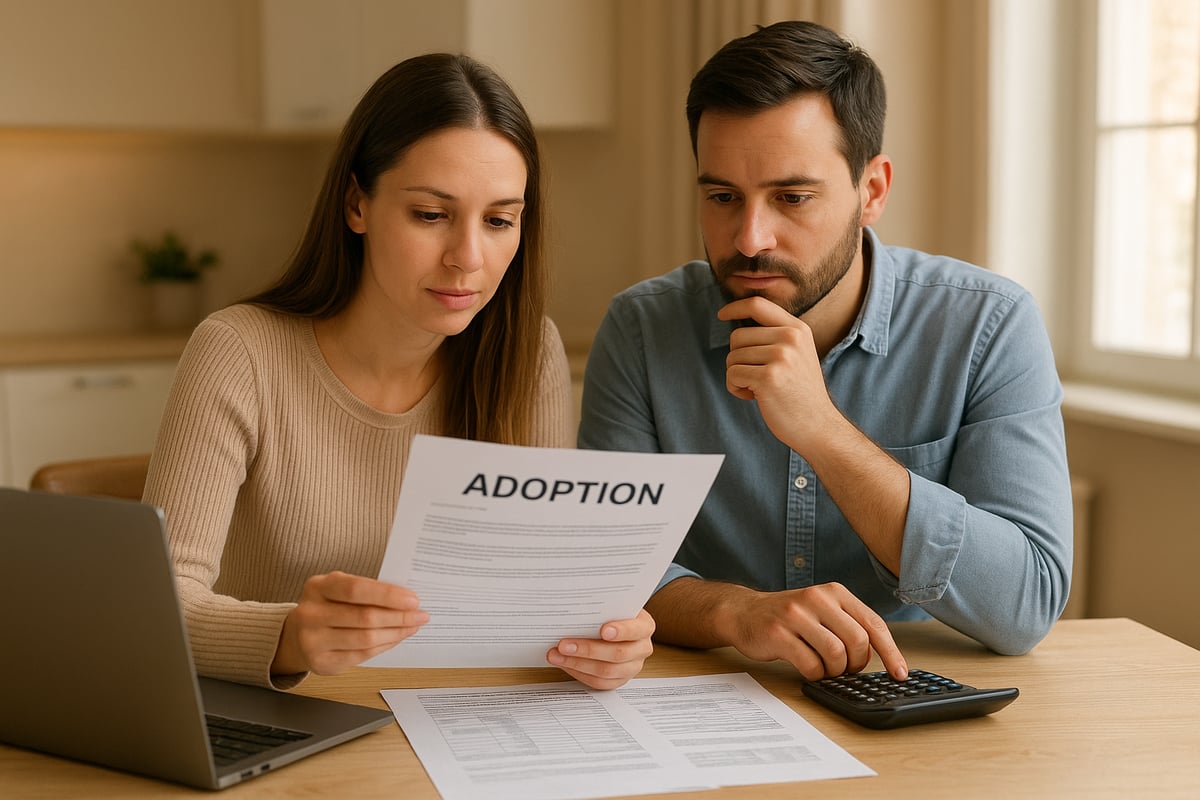
Managing the cost for private adoption is crucial for families who want to make adoption accessible and sustainable. With the right strategies and resources, you can minimize unnecessary expenses and approach your adoption journey with confidence.
Choosing the Right Adoption Professional
Selecting the right adoption professional is the first step to managing the cost for private adoption. Agencies often bundle services, which can be more expensive, while independent attorneys may offer more flexibility and transparency in pricing.
Before committing, ask for a detailed fee schedule. Clarify what is included, such as counseling, matching, and post-placement support. Compare agencies and attorneys in your area, and check reviews or references to ensure you are working with reputable professionals.
List of questions to ask:
- What services are included in the quoted fee?
- Are there any non-refundable costs?
- How do you handle unexpected expenses?
Being proactive at this stage can help you avoid hidden fees and set realistic expectations for the total cost for private adoption.
Financial Assistance, Grants, and Tax Credits
There are several ways to offset the cost for private adoption. Many families qualify for grants from nonprofit organizations, and some employers offer adoption assistance programs that reimburse part of your expenses.
One of the most effective tools is the federal Adoption Tax Credit, which provides significant relief for eligible families. For up-to-date details on the tax credit and financial aid options, visit Adoption tax credit and financial aid.
Make a list of grants, tax credits, and employer benefits you might qualify for. Applying early can ensure you maximize your savings and better manage the overall cost for private adoption.
Budgeting and Planning Strategies
Smart budgeting is essential to keep the cost for private adoption under control. Start by creating a comprehensive budget that covers every possible expense, from agency fees to travel and legal costs.
Consider using checklists, spreadsheets, or online adoption cost calculators to track spending. Break down your budget into categories, and update it regularly as you receive new invoices or incur additional expenses.
Tips for effective budgeting:
- Set aside a contingency fund for unexpected costs
- Review your budget monthly with your partner or support network
- Use digital tools to stay organized
These steps will help you avoid financial stress and ensure you are prepared for every stage of the adoption process.
Negotiating and Understanding Fee Schedules
Negotiation can play a big role in reducing the cost for private adoption. Some agencies and attorneys offer sliding scale fees based on income, or flexible payment plans to spread out expenses.
Ask for itemized quotes and do not hesitate to discuss fee reductions, especially if you are open to adopting a child with special needs or from a higher-risk situation. Understanding the payment schedule, refund policies, and possible additional costs is vital.
Examples of negotiation tactics:
- Request discounts for lump-sum payments
- Ask about reduced fees for siblings or multiple placements
- Inquire about any available grants or scholarships
By being informed and assertive, you can make the cost for private adoption more manageable and predictable.
Step-by-Step Financial Planning for Private Adoption
More articles
- What Happens at the Hospital When You Place a Baby for Adoption
- Adoption After the Baby Is Born: Rights, Risks, Recovery
- Open vs. Semi-Open Adoption: What Actually Changes
- Financial Help for Pregnant Women Considering Adoption in Indiana
- Choosing an Adoptive Family in Indiana: What to Weigh
- Placing a Baby Up for Adoption in Indiana