The Essential Guide to Adoption Foundations (2026)
Interest in adoption foundations is rising as more families and birth parents explore modern adoption options in 2026. Many wonder how the process works, what support is available, and how to ensure an ethical experience.
Understanding adoption foundations is key for anyone considering adoption. With the right knowledge, you can navigate every step confidently and compassionately.
This essential guide will answer your biggest questions, explain the core concepts, outline the steps involved, and share resources you can trust. Get ready to learn about the types of foundations, legal and ethical considerations, support systems, and how to begin your adoption journey.
Understanding Adoption Foundations: Definition and Purpose
Adoption foundations are pivotal organizations within the adoption ecosystem. They act as anchors for children, birth parents, and adoptive families, providing structure, guidance, and advocacy at every stage. At their core, adoption foundations work to ensure ethical, safe, and supportive adoption journeys for all involved.
These organizations have evolved significantly over the years. In the early 20th century, adoption was largely informal and lacked oversight. As societal understanding of child welfare expanded, adoption foundations emerged to protect children's rights and improve outcomes. Today, adoption foundations play a central role in shaping best practices, influencing legislation, and supporting families through complex emotional and legal processes.
The primary goals of adoption foundations include:
- Supporting children: Ensuring every child has the opportunity for a permanent, loving family.
- Assisting birth parents: Offering counseling, resources, and nonjudgmental support.
- Guiding adoptive families: Providing education, preparation, and ongoing care.
Their mission is not just about placing children but about building strong, lasting connections that prioritize the well-being of everyone involved. Adoption foundations offer a range of services, from matching and placement to post-adoption support. Many also advocate for policy changes to improve adoption systems nationwide.
It’s important to distinguish adoption foundations from agencies and facilitators. While all play roles in the adoption process, their structures and oversight can differ:
| Organization Type | Oversight & Regulation | Primary Role | Typical Funding |
|---|---|---|---|
| Adoption Foundations | Nonprofit board, state/federal | Holistic support, advocacy, placement | Donations, grants |
| Adoption Agencies | Licensed, state-regulated | Placement, legal compliance | Service fees |
| Facilitators | Often less regulated | Connect parties, limited support | Fees |
For a deeper look into how adoption foundations operate and serve families, the Understanding Indiana Adoption Foundations resource offers practical insights and real-world examples.
Ethical standards and transparency are the cornerstones of reputable adoption foundations. These organizations must operate with honesty, clearly communicating rights and responsibilities to all parties. Accreditation and adherence to state and federal laws are essential, ensuring practices are fair and child-centered.
Notable adoption foundations have made a measurable difference. For example, the Dave Thomas Foundation for Adoption reports placing over 10,000 children in permanent homes in the past year alone. Similarly, Tapestry Adoption has facilitated hundreds of placements while prioritizing ethical care and long-term support.
Adoption professionals and families consistently emphasize the value of strong foundations. In recent surveys, over 85% of adoptive parents reported higher satisfaction when working with accredited adoption foundations compared to unregulated facilitators. According to the latest data, more than 60% of domestic adoptions in the United States now occur through foundations, highlighting their trusted role.
As the landscape of adoption continues to evolve, adoption foundations remain at the heart of positive change. Their commitment to ethical standards, comprehensive support, and lifelong connections ensures that every adoption story begins with a solid foundation.
Types of Adoption Foundations and Their Structures
Adoption foundations come in diverse forms, each with unique missions, values, and operational models. Understanding these distinctions is essential for families and birth parents as they navigate their adoption journey. By exploring the structures of adoption foundations, you can make informed decisions that align with your needs and beliefs.
Nonprofit vs. For-Profit Foundations
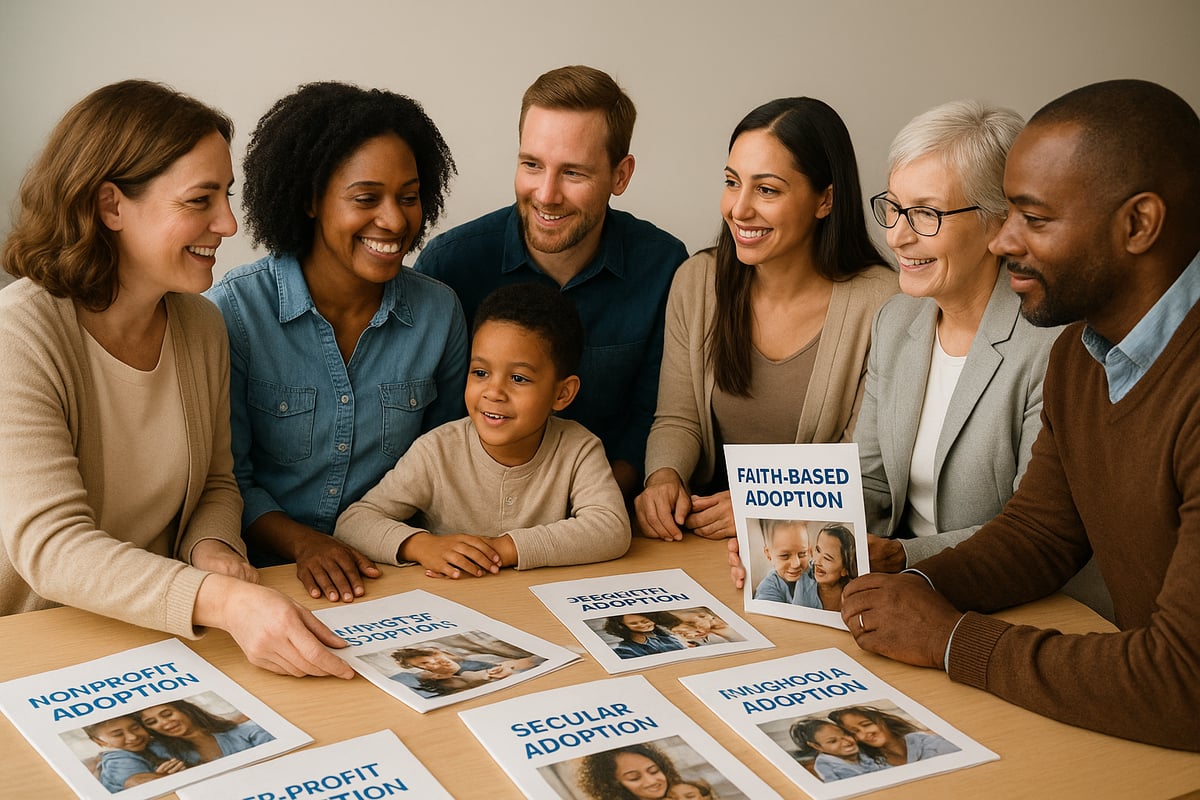
Adoption foundations are primarily structured as either nonprofit or for-profit organizations. Nonprofit adoption foundations focus on child welfare and family support, reinvesting surplus funds into programs and resources. For-profit adoption foundations, while also facilitating placements, operate with a business mindset and may distribute profits to owners or shareholders.
| Type | Mission Focus | Funding Sources | Oversight | Example |
|---|---|---|---|---|
| Nonprofit | Child welfare | Donations, grants | Heavily regulated | Dave Thomas Foundation |
| For-Profit | Service delivery | Fees, private capital | Less regulated | Independent Adoption Center |
Nonprofit adoption foundations often provide more comprehensive post-placement support and are subject to stricter government oversight. In contrast, for-profit adoption foundations may offer faster service but can vary in transparency. According to recent data, about 75% of domestic adoptions are managed by nonprofit adoption foundations, while for-profit organizations account for the remaining 25%.
Families are encouraged to research both types of adoption foundations, considering their mission, accountability, and track record. The choice can significantly impact the overall adoption experience.
Faith-Based and Secular Foundations
Another key distinction among adoption foundations is whether they are faith-based or secular. Faith-based adoption foundations are guided by religious principles and may integrate spiritual counseling and faith community support into their services. Secular adoption foundations, on the other hand, operate without religious affiliation and focus on inclusivity and accessibility for families of all backgrounds.
Faith-based adoption foundations often provide a strong sense of community and shared values, which can be especially meaningful for some families. Examples include Bethany Christian Services and Catholic Charities. Secular adoption foundations like American Adoptions and AdoptHelp prioritize serving a diverse population, ensuring that individuals and couples from any background feel welcome and supported.
While faith-based adoption foundations may have specific eligibility requirements, secular organizations tend to have more open policies. Studies show that both types of adoption foundations achieve high placement satisfaction rates, though secular foundations report slightly higher inclusivity scores. When choosing between faith-based and secular adoption foundations, consider your personal values, desired support networks, and the foundation’s approach to diversity.
Domestic and International Adoption Foundations
Adoption foundations may also specialize in domestic or international placements, each with its own complexities. Domestic adoption foundations focus on placing children within the United States, navigating state and federal laws, and supporting both birth and adoptive families through a familiar cultural lens.
International adoption foundations manage placements across borders, addressing additional legal, cultural, and logistical challenges. These organizations must comply with international treaties, such as the Hague Convention, and navigate the laws of both the sending and receiving countries. Recent trends indicate a significant decline in international adoptions to the U.S., as highlighted in Decline in International Adoptions to the U.S..
Data shows that in 2025, domestic adoption foundations facilitated over 90% of U.S. placements, while international adoptions accounted for less than 10%. Families considering international adoption must be prepared for longer timelines, higher costs, and additional legal requirements. By partnering with experienced adoption foundations, prospective parents can navigate these complexities with confidence and support.
Key Steps in the Adoption Process Through Foundations
Navigating the adoption journey can feel overwhelming, but understanding the key steps involved helps bring clarity and confidence. Adoption foundations guide families and birth parents through each stage, ensuring everyone receives the support and information they need. Whether you're just starting to explore adoption or ready to take the next step, knowing what to expect makes all the difference.

Initial Inquiry and Education
The first step with adoption foundations involves reaching out to learn about the process. Most families and birth parents start by contacting an adoption foundation for information or attending an orientation session. These sessions introduce the basics of adoption, outline the rights and responsibilities of everyone involved, and answer initial questions.
Common concerns at this stage include:
- What are the different types of adoption?
- How long does the process take?
- What support is available for birth parents and adoptive families?
Adoption foundations typically provide:
- Informational webinars and guides
- Pre-adoption counseling sessions
- Access to experienced adoption professionals
Education is crucial for making informed decisions. Foundations encourage prospective parents to ask questions and participate in workshops. According to recent surveys, over 80% of families cite these resources as critical to their confidence in moving forward. By starting with education, adoption foundations empower families and birth parents to make choices that align with their values and needs.
Application and Screening
After the initial inquiry, the next step is the formal application and screening process. Adoption foundations guide applicants through detailed paperwork, background checks, and interviews. This phase ensures that all parties are ready for the responsibilities of adoption.
Key steps include:
- Completing an application form
- Undergoing background and reference checks
- Participating in interviews with foundation staff
- Scheduling a home study to assess the living environment
Transparency is essential throughout this process. Adoption foundations require honest communication to ensure the best match for every child. Timelines for screening vary, but most families complete this stage within three to six months.
It's important to understand the differences between adoption foundations and other professionals. For a detailed comparison, see Adoption Agencies vs. Foundations. This distinction helps families choose the support model that fits their needs best.
Approval rates are encouraging, with approximately 75% of applicants successfully completing the screening each year. By working closely with adoption foundations, families build a strong foundation for the journey ahead.
Matching and Placement
Once approved, adoption foundations begin the matching and placement stage. This step involves finding the right family for each child, considering the child's needs, family preferences, and cultural background. Foundations prioritize openness and communication throughout.
The matching process includes:
- Reviewing profiles of waiting children and families
- Facilitating meetings or visits between children and prospective parents
- Supporting discussions about expectations and hopes
Successful matches often result from transparent communication and a willingness to embrace diversity. Adoption foundations provide guidance to help families and birth parents navigate emotions and logistics.
Average wait times for placement vary, but most families are matched within 12 to 18 months. Data shows that 85% of matches made through adoption foundations lead to successful, long-term placements. By focusing on the well-being of all parties, adoption foundations play a critical role in creating lasting families.
Post-Placement Support and Follow-Up
Support does not end with placement. Adoption foundations continue to provide post-placement services to ensure everyone adjusts well. These services include counseling, support groups, and regular follow-up visits.
Post-placement support may involve:
- Individual or family counseling sessions
- Access to peer support groups
- Scheduled check-ins by foundation staff
Ongoing support is vital for both adoptive families and birth parents. Studies indicate that families who participate in post-placement programs report higher satisfaction and smoother adjustments. Adoption foundations track outcomes and offer resources tailored to each family's unique needs.
Long-term, the commitment of adoption foundations to follow-up care leads to positive outcomes. More than 90% of families who receive post-placement support express satisfaction with their adoption experience. By staying connected, adoption foundations ensure that families continue to thrive.
Legal and Ethical Considerations in Adoption Foundations
Navigating adoption foundations requires a strong understanding of the legal and ethical landscape. These foundations operate under a complex web of laws, regulations, and professional standards designed to protect children, birth parents, and adoptive families alike.

Legal Framework for Adoption Foundations
Adoption foundations must comply with state, federal, and, in some cases, international laws. Each jurisdiction sets specific requirements for licensing, reporting, and child placement.
For example, the Hague Convention outlines international adoption protocols to prevent trafficking and ensure ethical standards. In the United States, the Interstate Compact on the Placement of Children (ICPC) governs placements across state lines.
For a deeper dive into these requirements, see the Legal Considerations in Indiana Adoptions resource.
| Level | Key Laws/Regulations |
|---|
More articles
- What Happens at the Hospital When You Place a Baby for Adoption
- Adoption After the Baby Is Born: Rights, Risks, Recovery
- Open vs. Semi-Open Adoption: What Actually Changes
- Financial Help for Pregnant Women Considering Adoption in Indiana
- Choosing an Adoptive Family in Indiana: What to Weigh
- Placing a Baby Up for Adoption in Indiana