Adoption at Birth Guide: Understanding the 2026 Process
Adoption at birth is one of the most significant, sensitive decisions anyone can face, shaping lives forever. In 2026, evolving laws, advanced hospital protocols, and new support systems have transformed the adoption at birth experience for expectant mothers and adoptive families alike. This guide is here to help you navigate each step, from understanding legal requirements to managing emotions, hospital procedures, and knowing your rights. Our goal is to empower you with clarity and compassion. Use this guide as your roadmap to make informed, confident choices on your adoption at birth journey.
Understanding Adoption at Birth: Key Concepts and 2026 Trends
Adoption at birth is a life-changing decision that touches the hearts of everyone involved. In 2026, this process is shaped by evolving laws, technology, and support systems. Understanding the basics, the latest trends, and the roles of professionals can help expectant mothers and adoptive families make confident, informed choices as they navigate adoption at birth.

Defining Adoption at Birth
Adoption at birth refers to the legal and emotional process where an expectant mother places her newborn with adoptive parents immediately after delivery. Unlike foster care or older child adoption, this arrangement begins at the earliest moments of life.
Key terms include birth mother (the woman giving birth), adoptive parents (those assuming legal responsibility), and open versus closed adoption (levels of contact post-placement). In the United States, adoption at birth is a common choice, with thousands of families forming this way each year.
Many expectant mothers choose this path due to personal, financial, or emotional reasons. Early decision-making is vital for everyone involved, ensuring a smoother transition and greater emotional support throughout the journey.
Major Shifts in the 2026 Adoption Landscape
The adoption at birth landscape has seen major changes in 2026. Recent laws focus on increased transparency and ethical standards, protecting the rights of everyone involved. Open adoptions are now more prevalent, offering benefits like continued contact and identity support for adoptees.
Digital platforms have transformed how expectant mothers and adoptive families connect, making the matching process more accessible and secure. Agencies now prioritize ethical practices, with strict oversight and clear communication at every step. According to recent studies, open adoptions and robust post-placement support are on the rise, helping families thrive. For a deeper look at open adoption's impact, see Open Adoption Explained.
Emotional and Psychological Considerations
The adoption at birth journey is deeply emotional for all parties. Birth mothers may feel grief, relief, or uncertainty, while adoptive parents often experience anticipation, joy, and worry. These strong emotions highlight the importance of unbiased counseling and ongoing support.
Recent research reveals that adoptees can have higher risks of anxiety or identity questions, making post-adoption mental health care essential. Hospitals and agencies in 2026 now offer trauma-informed care, connecting families with social workers, counselors, and peer groups. This focus on emotional well-being helps everyone process their feelings and move forward with confidence.
The Role of Professionals and Agencies
A successful adoption at birth involves a team of dedicated professionals. Social workers, counselors, attorneys, and licensed agencies guide families through every legal and emotional step. Agencies ensure ethical and legal compliance, from matching to placement and beyond.
Choosing a reputable, licensed organization is critical. Agencies provide matching services, hospital coordination, and ongoing support. They also offer counseling before, during, and after adoption, ensuring that both birth mothers and adoptive families feel informed and empowered at every stage of the process.
Step-by-Step Guide to the Adoption at Birth Process in 2026
Navigating adoption at birth in 2026 can feel overwhelming, but understanding each step empowers you to make informed, confident choices. This guide breaks down the process so expectant mothers and adoptive families know what to expect, from the first conversation to the moment of placement.
Step 1: Deciding on Adoption and Initial Counseling
The journey of adoption at birth begins with a deeply personal decision. Expectant mothers considering this path often face a mix of emotions—hope, uncertainty, and concern for their child's future.
Professional, unbiased counseling is available early on. Counselors help mothers explore all options without pressure. Many agencies offer emotional, financial, and medical support, ensuring needs are met regardless of the final decision.
Typical questions include:
- What will my relationship with my child look like?
- Can I change my mind?
- What support is available during and after adoption at birth?
Early counseling stories show how timely support leads to empowered, confident choices for both birth mothers and adoptive families.
Step 2: Selecting the Type of Adoption and Creating a Birth Plan
Choosing the right type of adoption at birth is crucial. Options include open, semi-open, and closed adoptions. Open adoption allows for ongoing contact, while closed means no identifying information is shared. Semi-open is a blend of both.
Together, birth mothers and adoptive families collaborate on a birth plan. This plan addresses hospital preferences, such as who will be present, whether the birth mother wants to hold the baby, and privacy needs. Plans remain flexible—choices can be adjusted anytime.
Sample scenarios:
- Birth mother holds the baby before placement.
- Adoptive parents participate in delivery.
- Private moments for birth mother and child.
Clear communication ensures everyone’s wishes are respected throughout the adoption at birth process.
Step 3: Matching with Adoptive Parents
Matching is a vital stage in adoption at birth. In 2026, digital profiles and agency platforms streamline the process, allowing expectant mothers to review adoptive parent profiles that highlight values, backgrounds, and lifestyles.
After an initial review, interviews and agency-facilitated meetings occur. Open communication helps establish comfort and boundaries. Criteria for selection often include parenting philosophies, cultural background, and support systems.
Example matching timeline:
- Week 1: View profiles
- Week 2: Initial interviews
- Week 3: In-person or virtual meetings
- Week 4: Match confirmation
This step ensures the adoption at birth aligns with everyone’s expectations and needs.
Step 4: Legal Steps and Consent Process
Legal requirements for adoption at birth vary by state but share common features. Birth mothers must complete consent forms, often after a mandatory waiting period. Attorneys and social workers ensure the process is ethical and fully understood.
Revocation periods—timeframes when consent can be withdrawn—differ across states. It is critical for birth mothers to know their rights and for adoptive parents to respect these boundaries.
Signing process:
- Consent forms explained by a professional
- Witnesses present
- Time to review and ask questions
Voluntary, informed consent is the foundation of every adoption at birth.
Step 5: Hospital Experience and Immediate Post-Birth Procedures
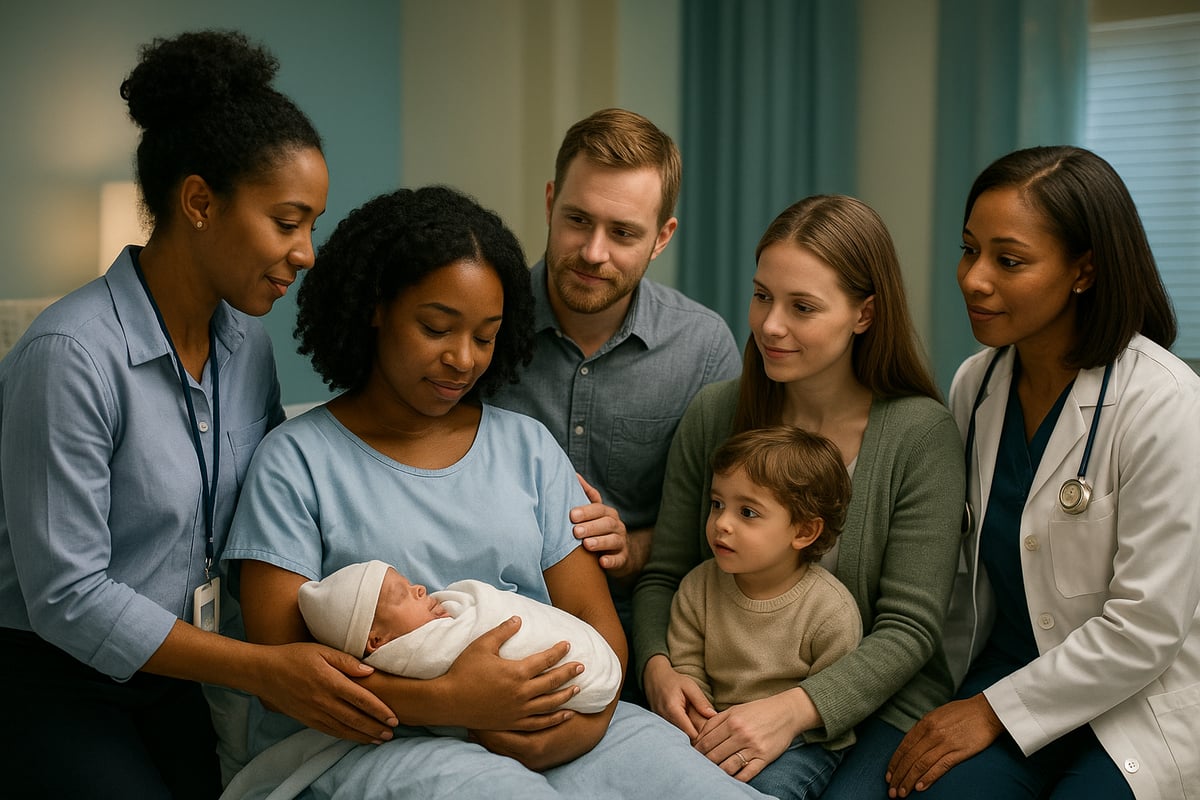
The hospital stay is a sensitive time during adoption at birth. Hospitals in 2026 have clear protocols to support all parties. Birth mothers decide if they want to hold, feed, or spend time with the baby. Social workers coordinate the involvement of adoptive parents, who may be present in the delivery room, nursery, or nearby.
Emotional support is always available, with hospital staff trained in trauma-informed care. For a detailed look at hospital-based procedures and what to expect, visit the Adoption at the Hospital Process guide.
Every adoption at birth experience is unique—flexibility and compassion are key during this critical time.
Step 6: Discharge, Placement, and Transition
After delivery, the baby is typically discharged to the adoptive parents once legal requirements are met. The timing and privacy of discharge depend on the birth mother’s wishes and the hospital’s policies.
Some situations may require temporary custody arrangements. Support is provided for closure rituals, such as saying goodbye or creating keepsakes.
Direct placement vs. intermediary handoff:
- Direct: Birth mother places baby into adoptive parents’ arms.
- Intermediary: Agency or social worker facilitates the transition.
The adoption at birth journey closes one chapter and opens another, with ongoing support available for everyone involved.
Legal Rights and Protections for Birth Mothers and Adoptive Families
Navigating the legal landscape of adoption at birth in 2026 requires a clear understanding of the rights and protections for everyone involved. Laws and support systems have evolved to ensure ethical, transparent, and compassionate practices. Here’s what you need to know about your legal standing, responsibilities, and available resources at every stage.
Birth Mother’s Rights Before, During, and After Birth
Birth mothers have robust rights throughout the adoption at birth process. Before signing consent, you have full control over your decision, and no one can legally pressure or coerce you. States mandate access to unbiased counseling, letting you explore all options confidentially.
During and after birth, you can choose your level of involvement, including time with your baby and participation in the adoption plan. Each state enforces specific revocation periods, allowing you to change your mind within a set window after signing consent. For example, some states provide 48–72 hours post-birth for reconsideration. Understanding your rights empowers you to make the best choice for yourself and your child during adoption at birth.
Adoptive Parents’ Rights and Responsibilities
Adoptive parents in adoption at birth must meet strict legal requirements, including home studies, background checks, and parenting education. These steps ensure a safe, loving environment for the child. During the hospital stay, adoptive parents are expected to respect the birth mother’s wishes and boundaries, especially regarding contact and involvement.
After placement, you gain temporary legal custody but finalization occurs only after all legal steps are complete. Communication agreements, especially in open adoptions, outline future contact and are legally recognized in many states. By honoring these responsibilities, adoptive parents build trust and support the well-being of everyone involved in adoption at birth.
The Role of the Legal System and Adoption Agencies
The legal system and licensed adoption agencies play a central role in protecting the interests of all parties during adoption at birth. Agencies are required to follow state and federal laws, ensuring ethical practices and transparency from start to finish.
Legal representation for both birth mothers and adoptive families is essential. Attorneys oversee consent, guide you through paperwork, and monitor for any signs of coercion or misconduct. Agencies also conduct thorough screenings and supervise the matching process. Thanks to recent reforms, agency oversight has increased in 2026, reducing the risk of unethical or illegal adoptions and making adoption at birth safer for everyone.
Support Services for Expectant Mothers and Families
Expectant mothers considering adoption at birth have access to a range of support services, including counseling, medical care, financial assistance, and legal help. Many agencies now offer holistic programs: housing, prenatal care, emotional support, and post-placement guidance.
Choosing an agency that provides comprehensive, ethical care is crucial. These services empower you to make informed, confident decisions without pressure. For example, many families and birth mothers have found lasting support through full-service agencies, which guide them before, during, and after adoption at birth. To learn more about these resources, visit Support Services for Expectant Mothers and Families.
Emotional Well-Being and Support Systems Throughout the Adoption Journey
Navigating adoption at birth is a deeply emotional experience for everyone involved. Having strong support systems and access to professional guidance can make this journey more manageable and empowering.

Counseling and Mental Health Resources
Professional counseling plays a vital role in supporting birth mothers, adoptive parents, and adoptees through adoption at birth. Individual and group counseling, peer support, and spiritual mentorship are all valuable options.
Many hospitals offer access to social workers or mental health professionals right from the start. Studies have shown that ongoing emotional support can reduce anxiety and improve long-term well-being for everyone involved in adoption at birth.
Seeking help is a sign of strength, not weakness. For a deeper understanding of the emotional journey and available support, check out Placing a Baby for Adoption, which covers the process and counseling resources in detail.
Normalizing conversations about mental health is crucial. Open dialogue and professional guidance help everyone feel heard, understood, and better prepared for what lies ahead.
Navigating Grief, Loss, and Attachment
Grief and loss are common, natural emotions during adoption at birth. Birth mothers may experience waves of sadness, longing, or relief, while adoptive parents might struggle with managing expectations and forming early bonds.
Healthy coping strategies include journaling, mindfulness, and participating in structured goodbye rituals. Hospitals and agencies often facilitate memory-making activities, like creating keepsake boxes, which can provide comfort and closure.
Supporting adoptees’ emotional development is equally important. Open communication, honesty, and age-appropriate explanations help children build a strong sense of identity during adoption at birth.
More articles
- What Happens at the Hospital When You Place a Baby for Adoption
- Adoption After the Baby Is Born: Rights, Risks, Recovery
- Open vs. Semi-Open Adoption: What Actually Changes
- Financial Help for Pregnant Women Considering Adoption in Indiana
- Choosing an Adoptive Family in Indiana: What to Weigh
- Placing a Baby Up for Adoption in Indiana