Adoption After Birth Guide: Navigating Your 2026 Options
Making decisions about adoption after birth can feel overwhelming, emotional, and deeply personal. If you’re facing this choice, know that you’re not alone and support is available every step of the way.
This guide will help you navigate adoption after birth in 2026, providing the latest information, practical steps, and resources to empower your journey.
Inside, you’ll find clear explanations of your rights, the adoption process, legal and emotional considerations, how to choose adoptive families, available support, and options for future contact—so you can move forward with confidence.
Understanding Adoption After Birth: Key Facts and Your Rights
Making decisions about adoption after birth can feel overwhelming, especially when emotions are still raw and every moment with your baby is precious. If you’re considering this path, know that you are not alone and your feelings are valid. Understanding your options and rights is the first step to making the best choice for both you and your child.
What Is Adoption After Birth?
Adoption after birth means choosing adoption once your baby has already been born. This can happen while you’re still in the hospital or even weeks or months after you have taken your baby home. It is different from adoption during pregnancy because you are making the decision with your child already in your arms, which can add layers of complexity to your emotions and thought process.
Your Legal Rights and Decision Timelines
As a birth parent, you have important legal rights when considering adoption after birth. You have the right to make this decision at your own pace—there is no deadline. Whether you are still in the hospital or have been home for several weeks, the law allows you to consider adoption. Consent requirements and timelines can vary by state, but reputable agencies will ensure you understand every step before you sign anything. You must give informed, voluntary consent, and you can ask questions or change your mind before finalization.
Why Parents Choose Adoption After Birth
Many parents arrive at adoption after birth due to life changes, financial hardship, family circumstances, or emotional readiness. Sometimes, unexpected challenges arise after delivery that make parenting difficult. It’s important to know that choosing adoption is not “giving up” your baby, but rather making a loving, responsible decision that puts your child’s needs first.
Myths and Stigma: The Truth Behind the Choice
Unfortunately, myths and stigma still surround adoption after birth. Some believe it’s only for emergencies or that it reflects poorly on the birth parent. In reality, adoption after birth is a brave and thoughtful choice. Agencies report that hundreds of parents each year make this decision after delivery, and their stories are full of love and hope.
Flexibility and Timing: No Pressure, No Deadline
You can choose adoption at the hospital, days, weeks, or even months after your baby is born. If you want to understand how this works step by step, see the Adoption at the hospital guide for details on your options and what to expect.
Real Stories: Finding Peace After the Decision
Katherine, a birth mother, shared: “It took time for me to realize adoption was the best choice for my son and me. The support I received helped me find peace, even after bringing him home.”
Choosing adoption after birth is a deeply personal journey. Take your time, seek support, and remember that you have the right to make the decision that feels right for your family.

Step-by-Step Guide: How to Place Your Baby for Adoption After Birth
If you are considering adoption after birth, knowing the process can help you feel more in control and supported. Every journey is unique, but most birth parents follow similar steps to ensure their child’s future is secure and loving. Here is a clear, compassionate guide to each stage, so you can make informed, confident decisions at your own pace.
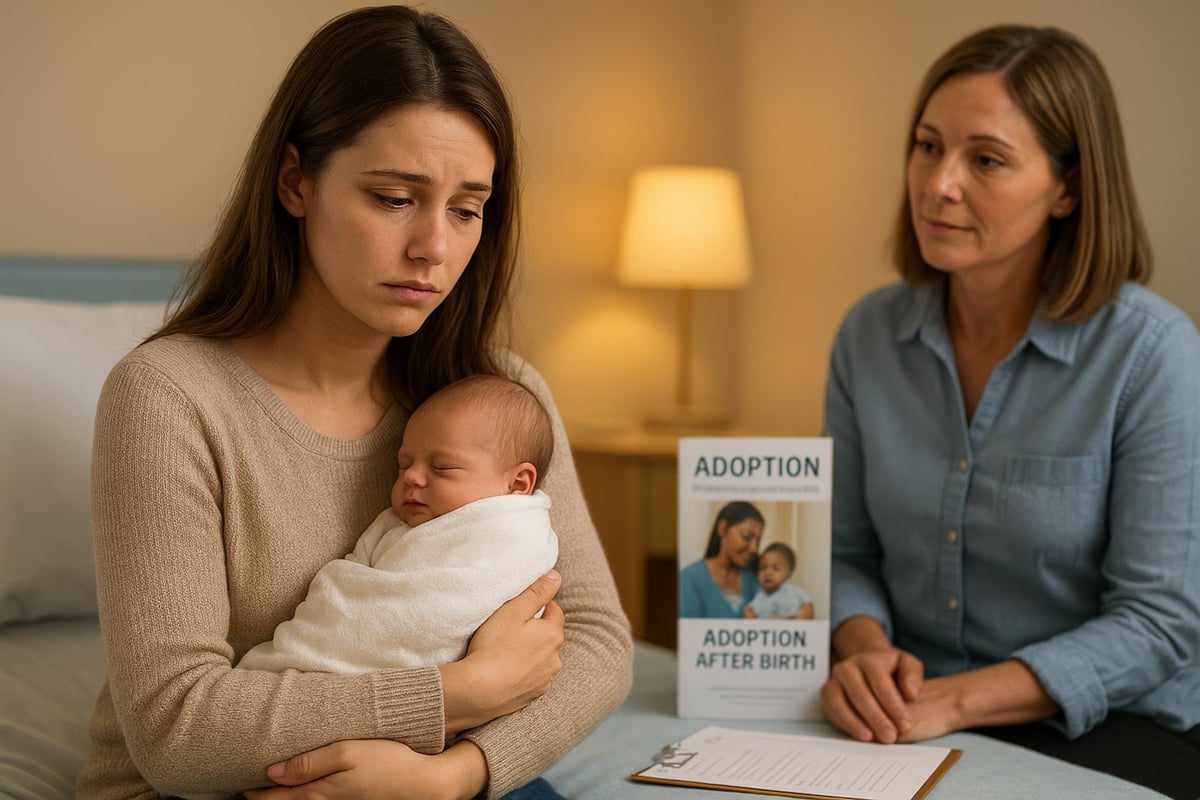
Step 1: Deciding If Adoption Is Right for You
Choosing adoption after birth is a deeply personal decision. Take time to reflect on your feelings, circumstances, and long-term goals. There is never a rush—many parents need days, weeks, or even months to decide what is best for their child.
Consider reaching out for counseling or talking with trusted people in your life. Many agencies offer free, non-judgmental counseling to help you sort through your emotions. One birth parent shared, “I needed space to think, and once I felt ready, I made the choice that gave me peace.” Remember, adoption after birth is about making a thoughtful, loving plan for your child's future.
Step 2: Contacting an Adoption Professional or Agency
When you feel ready, reach out to a licensed adoption professional or agency. Look for organizations with strong reputations and clear ethical standards. During your first conversation, expect a confidential, pressure-free environment where you can ask questions and get honest information.
Most agencies provide 24/7 hotlines and online resources, so support is always available. If you are facing an urgent situation, such as considering adoption from the hospital, specialized services exist for last-minute placements. For a detailed overview, visit Placing your baby for adoption to understand what to expect during this step.
Step 3: Creating Your Personalized Adoption Plan
With adoption after birth, you have the power to shape your adoption plan. This includes deciding how much contact you want with the adoptive family, what values matter most to you, and how you want the hospital experience to go.
You can update your plan as your feelings or needs change. For example, you might choose between open, semi-open, or closed adoption. Your agency will help you explore each option and ensure your wishes are respected. The adoption after birth process is flexible—your voice matters every step of the way.
Step 4: Selecting an Adoptive Family
You will have the opportunity to review profiles of hopeful adoptive families. Think about what is important to you: location, values, religious background, culture, or family structure. Agencies conduct thorough background checks and home studies to ensure safety and readiness.
You can meet or communicate with prospective families if you wish. Taking time to ask questions and build trust helps ensure your child’s future is in caring hands. Adoption after birth lets you play an active role in this decision.
Step 5: Legal Process and Finalizing the Adoption
Legal steps vary by state, but generally, you will sign consent forms and have a waiting period before the adoption is finalized. Your rights and responsibilities will be clearly explained by your agency or attorney.
Parental rights are not terminated until all legal steps are complete. It is important to have your own legal representation to ensure you fully understand every part of the process. The typical adoption after birth timeline moves from decision to finalization in a way that prioritizes your needs and your child’s well-being.
Step 6: Post-Placement Support and Ongoing Contact
After placement, support does not stop. Most agencies offer counseling, financial help, and peer support groups for at least 6 to 12 months. You can also choose ongoing contact with your child’s adoptive family, such as visits, letters, or photo updates.
Adjusting emotionally is a process, and you do not have to go through it alone. Adoption after birth is a journey—healing, support, and connection are available long after placement. Reaching out for help can make all the difference as you move forward.
Types of Adoption After Birth: Open, Semi-Open, and Closed
Choosing the right type of adoption after birth is a deeply personal decision. Each option offers a unique path for your relationship with your child and their adoptive family. Understanding your choices can give you more control and peace of mind during this important time.
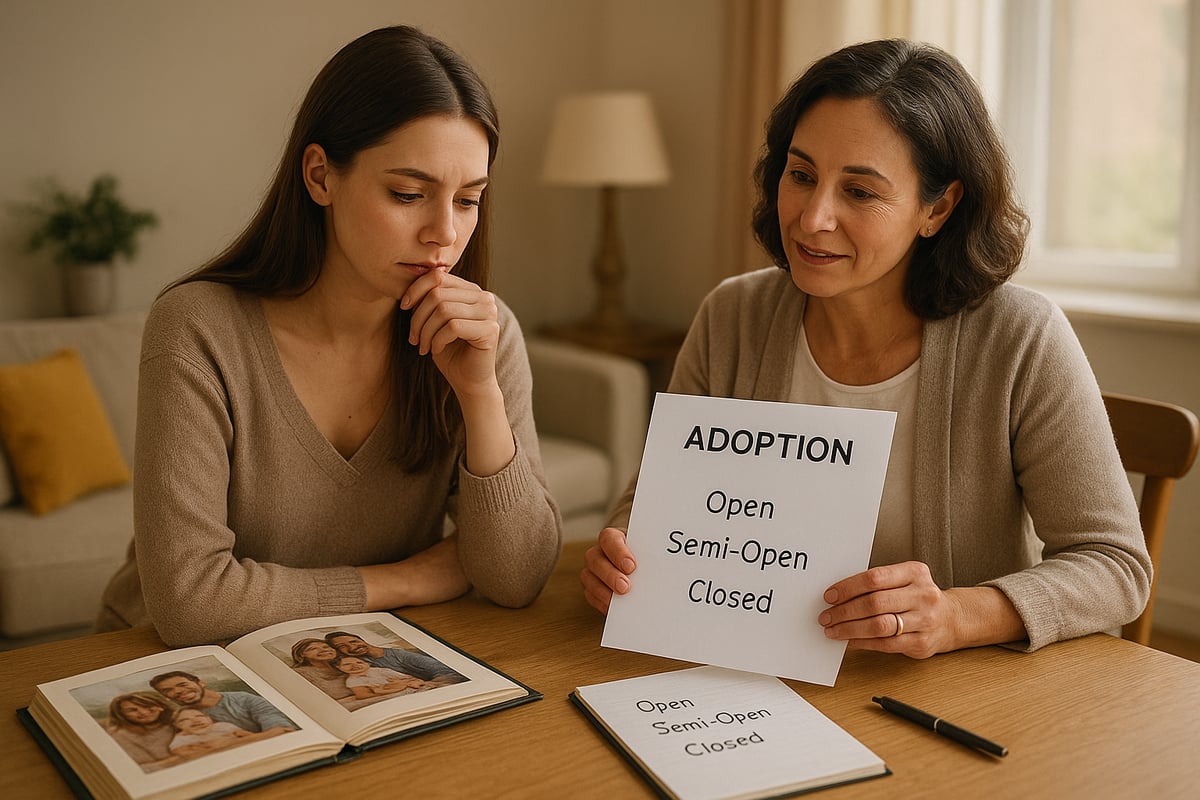
What Are the Types of Adoption After Birth?
There are three main types of adoption after birth: open, semi-open, and closed. Each offers different levels of connection and communication. In an open adoption after birth, birth parents and adoptive families share identifying information and may have ongoing contact. With a semi-open adoption after birth, communication is usually mediated by the agency, and contact may include letters or photos. A closed adoption after birth means no identifying information is shared, and there is no direct contact.
To learn more about each type, see the Types of adoption explained resource, which breaks down these options in detail.
Comparison Table: Open, Semi-Open, Closed
| Feature | Open Adoption After Birth | Semi-Open Adoption After Birth | Closed Adoption After Birth |
|---|---|---|---|
| Identifying Info | Yes | Limited/None | None |
| Direct Contact | Possible (visits, calls) | Mediated (agency, letters) | No contact |
| Updates/Photos | Yes | Yes (through agency) | No updates |
| Flexibility | High | Moderate | Low |
| Emotional Impact | Ongoing relationship, support | Some connection, less direct | Closure, but less connection |
Over 60% of all adoption after birth cases today are open or semi-open. Many agencies encourage these choices for the benefits of ongoing connection and information sharing.
Communication Methods and Flexibility
Communication in adoption after birth can take many forms. Some families enjoy in-person visits, while others prefer regular photo updates or emails. Semi-open arrangements often use the agency as a go-between for letters or pictures. The level of contact is decided together and can change over time if everyone agrees.
Making and Changing Agreements
Adoption after birth agreements are made based on everyone’s comfort level. You might start with a semi-open arrangement and later agree to more direct contact. These plans are flexible, and agencies can help you adjust them as your feelings or circumstances evolve.
Privacy, Boundaries, and Relationship Building
It is normal to have concerns about privacy or setting boundaries in adoption after birth. These are deeply respected by professionals and families. With clear communication, you can build a healthy relationship that honors everyone’s needs. Many birth parents find that even limited contact brings peace of mind and healing.
Legal Enforceability
Keep in mind, the legal enforceability of contact agreements in adoption after birth depends on your state. Some states recognize these agreements, while others do not. Always ask your agency or attorney how your plan will be honored.
A Birth Mother’s Experience
Consider Lisa’s journey: “I chose open adoption after birth because I wanted to know my son was happy and loved. We exchange letters and meet once a year. It gives me comfort, and I feel connected to his life.”
Every adoption after birth story is unique. Understanding these options empowers you to make the best choice for you and your child.
Legal and Financial Considerations for Birth Parents
Navigating the legal and financial landscape of adoption after birth can feel overwhelming, but knowing your rights and protections makes all the difference. If you are considering adoption after birth, understanding the consent process, timelines, and your options is crucial.

Key Legal Requirements
Every state has its own laws regarding adoption after birth. Generally, birth parents must provide written consent for the adoption, and there is often a mandatory waiting period before this consent becomes legally binding. Some states allow you to sign consent at the hospital, while others require a short delay. Most importantly, you have the right to change your mind within a specified revocation period, which varies by location.
- Written consent is required for adoption after birth.
- Revocation periods differ in each state.
- Court approval is necessary for finalization.
The Role of the Birth Father
The involvement of the birth father can impact the adoption after birth process. If the birth father is known, he usually must be notified and may need to give consent. However, if he is absent, unsupportive, or unknown, agencies and attorneys can help navigate these complexities. Some states have procedures for terminating parental rights if the birth father cannot be located or does not respond. This ensures adoption after birth can move forward while respecting everyone’s legal rights.
Financial Support and No-Cost Guarantee
One of the most important facts about adoption after birth is that it should never cost birth parents anything. Reputable agencies cover all related expenses so you can focus on your well-being and your child’s future. Typical supports include:
- Medical bills and prenatal care
- Housing assistance
- Transportation to appointments
- Counseling and emotional support
You might also qualify for help with living expenses, maternity clothing, and more. For a detailed overview of what you can receive, visit Financial and legal support for birth parents. Remember, any agency or individual who asks you to pay for adoption after birth is not following ethical or legal standards.
Avoiding Scams and Accessing Extra Benefits
Working with licensed professionals is essential to protect yourself from scams. Always ask for proof of licensing and a clear explanation of your rights. Some states even offer additional post-placement benefits or scholarships to support your next steps.
Here’s a snapshot:
| State Benefit Type | Example Support |
|---|---|
| Medical coverage | Prenatal & delivery care |
| Post-placement counseling | 6-12 months minimum |
| Education assistance | Scholarships available |
A birth mother named Jasmine shared, “Knowing my medical bills and living expenses were covered let me focus on making the best choice for my baby.” This level of support is available to you, too.
No matter where you are in the adoption after birth journey, you have legal rights and financial support. Take your time, ask questions, and lean on professionals who put your needs first.
Choosing the Right Adoption Agency or Professional
Choosing the right agency or professional for adoption after birth is one of the most important decisions you will make. The right partner can offer reassurance, clarity, and genuine support throughout your journey. It is essential to find an agency that prioritizes your needs, upholds ethical standards, and ensures your voice is heard at every step.
More articles
- What Happens at the Hospital When You Place a Baby for Adoption
- Adoption After the Baby Is Born: Rights, Risks, Recovery
- Open vs. Semi-Open Adoption: What Actually Changes
- Financial Help for Pregnant Women Considering Adoption in Indiana
- Choosing an Adoptive Family in Indiana: What to Weigh
- Placing a Baby Up for Adoption in Indiana