How to Adopt and Infant: The Essential Guide for 2025
Dreaming of expanding your family with a child? In 2025, the journey to adopt and infant is more open, accessible, and supportive than ever before. Whether you are just starting or have been considering adoption for years, this guide is designed to provide you with everything you need to know.
Inside, you will discover the latest adoption types, updated eligibility requirements, a clear step-by-step process, and transparent legal guidelines. We will break down the real costs, explain the home study, and highlight essential post-adoption support.
Let this essential guide empower you to adopt and infant confidently. With new 2025 changes making the process smoother, your dream of parenthood is closer than you think. Take the next step with clarity, hope, and expert advice.
Understanding Infant Adoption in 2025
Dreaming to adopt and infant in 2025? Understanding the landscape is your crucial first step. Infant adoption has evolved, offering more options, clearer processes, and support for diverse families. In this section, we break down the essentials so you feel confident as you start your journey.

What is Infant Adoption?
Infant adoption involves welcoming a baby, typically under one year old, into your family through a legal process. When you decide to adopt and infant, you are committing to raising them as your own from their earliest days. Unlike older child adoption, infant adoption often includes more time for bonding and early attachment.
There are two main paths: domestic and international. Domestic adoption means adopting a child born in your country, while international adoption brings a child from abroad. Each route comes with its own legal steps, timelines, and emotional considerations. Understanding these differences helps you choose the right path to adopt and infant.
Types of Infant Adoption
There are several ways to adopt and infant, each with its own pros and cons. You might choose agency adoption, where a licensed organization helps match you with a birth mother, or private adoption, which usually involves working directly with an attorney. Open, semi-open, and closed adoptions define the level of contact between birth and adoptive families.
| Type | Pros | Cons |
|---|---|---|
| Agency | Guidance, screening | Higher fees |
| Private | Direct communication | Less oversight |
| Open | Ongoing contact possible | Emotional complexity |
| Closed | Privacy for all parties | Lack of medical history |
In 2024, 62% of U.S. infant adoptions were open or semi-open. To explore each option in detail, see Types of adoption explained.
Recent Trends and Changes for 2025
If you plan to adopt and infant in 2025, expect more transparency and updated regulations. Agencies now provide clearer timelines, and there is stronger oversight to prevent unethical practices. Birth parent rights are front and center, with laws ensuring they receive counseling and make informed choices.
A standout example is Indiana’s newly updated consent laws, which require additional waiting periods and education for birth parents. Post-adoption contact agreements are also gaining recognition, giving both families more clarity and peace of mind. These changes make it safer and more supportive to adopt and infant.
Who Can Adopt an Infant?
Eligibility to adopt and infant is broader than ever in 2025. Most agencies require you to be at least 21, demonstrate financial stability, and pass background checks. Marital status is less of a barrier, with many single parents and LGBTQ+ individuals successfully adopting.
Some states and agencies have unique requirements, so research is vital. Key eligibility factors include:
- Age (usually 21+)
- Stable income and housing
- Background checks
- Willingness to complete education and home study
Single parents and same-sex couples are welcomed by most agencies. When you decide to adopt and infant, you join a diverse and growing community.
Common Myths and Realities
Many believe only wealthy, married couples can adopt and infant, but this is far from true. In reality, adoptive parents come from all backgrounds. The average adoptive parent in 2024 was 38 years old, and nearly 30% were single or part of an LGBTQ+ household.
Let’s debunk some myths:
- Myth: Adoption is only for the rich.
- Reality: Financial assistance and sliding-fee scales exist.
- Myth: Only couples can adopt.
- Reality: Singles and LGBTQ+ parents are welcome.
- Myth: The process is always long and secretive.
- Reality: Transparency and support are increasing every year.
Understanding the facts empowers you to confidently pursue your dream to adopt and infant.
Step-by-Step Process to Adopt an Infant
Beginning your journey to adopt and infant can feel overwhelming, but breaking it down into clear steps will help you move forward with confidence. Each stage brings you closer to growing your family, and 2025 offers more transparency and support than ever before.
Step 1: Deciding to Adopt
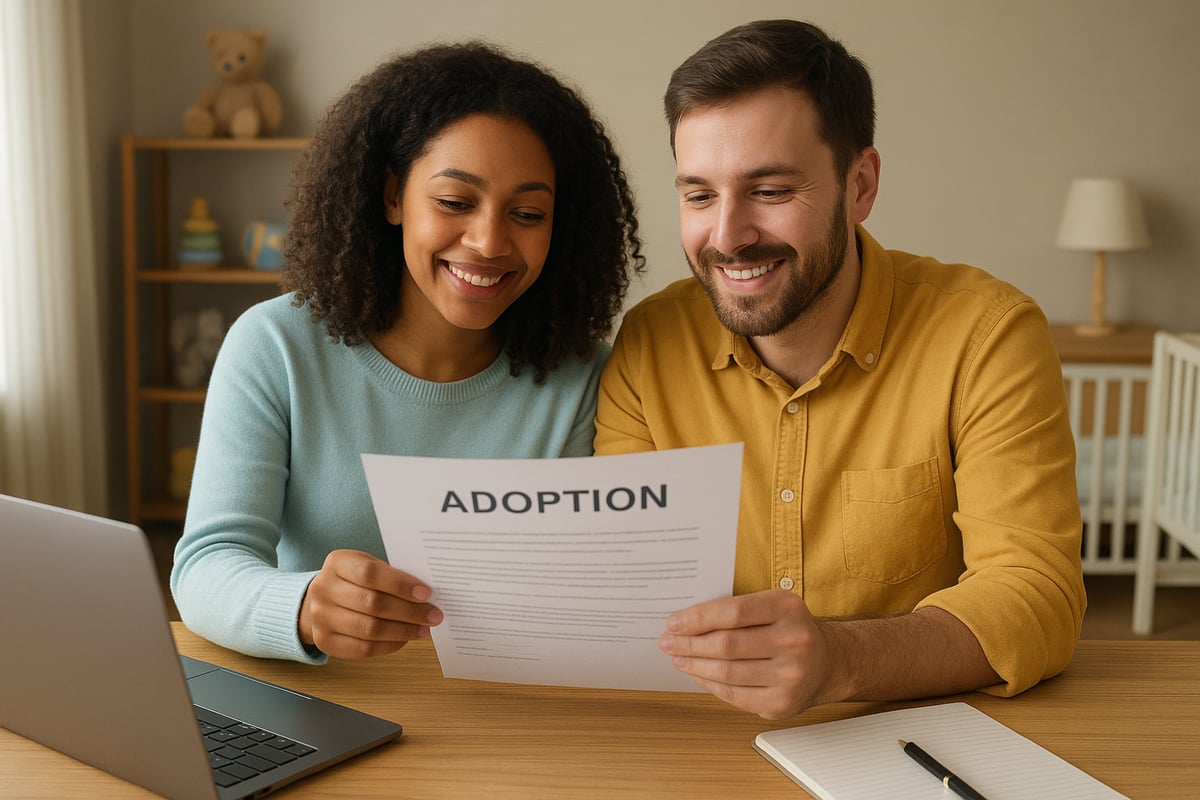
The first step to adopt and infant is honest self-reflection. Ask yourself why you want to adopt, whether you are emotionally and financially prepared, and if you have the support of family and friends.
Seeking counseling or joining a support group can help you clarify your motivations. Remember, adopting is a lifelong commitment, so take time to understand what it means for you and your loved ones. For a detailed overview of the process, explore the steps in the adoption process to help set your expectations.
Step 2: Researching Adoption Options
Once you decide to adopt and infant, research your adoption options. Compare agencies, adoption attorneys, and independent adoption paths.
Consider these factors:
- Agency reputation and accreditation
- Success rates and wait times
- Support services for both adoptive and birth families
Create a list of questions for each provider. Ask about costs, post-adoption support, and legal guidance. Taking time to research now helps you avoid surprises later.
Step 3: Completing the Home Study
A home study is a crucial requirement when you want to adopt and infant. The process involves background checks, interviews, and home visits by a licensed social worker.
Prepare your home for safety inspections, gather necessary documents, and be ready to discuss your lifestyle and parenting approach. In 2024, 98% of home studies included at least two in-person visits. The home study is not about perfection, but about ensuring a safe, loving environment for a child.
Step 4: Matching with a Birth Mother
Next, you will work on matching with a birth mother to adopt and infant. This involves creating a family profile with photos, letters, and details about your values and daily life.
There are open, semi-open, and closed matching processes, each with different levels of contact. Median wait times are 12 to 24 months, depending on preferences and circumstances.
| Matching Type | Description | Level of Contact |
|---|---|---|
| Open | Direct contact | High |
| Semi-Open | Mediated contact | Moderate |
| Closed | No contact | None |
Be patient and authentic in your profile, as this helps birth parents connect with you.
Step 5: Legal Procedures and Placement
The legal phase to adopt and infant includes obtaining consent from the birth parents, navigating relinquishment, and understanding legal risk periods.
If your adoption crosses state lines, the Interstate Compact on the Placement of Children (ICPC) ensures compliance with both states’ laws. International adoptions add another layer, requiring compliance with the Hague Convention. Work closely with your attorney or agency to avoid delays or complications during this step.
Step 6: Bringing Your Infant Home
When it is time to bring your child home, transition support is essential for your family and your new infant. Agencies often provide guidance and resources, including checklists and counseling for the adjustment period.
You will also have post-placement visits, where a social worker checks in to ensure your family is adjusting well after you adopt and infant. These visits are supportive, not judgmental, and help you access resources if needed.
Step 7: Finalizing the Adoption
The final step to adopt and infant is the court hearing, where a judge reviews your case and issues the adoption decree. This usually happens after six months of post-placement supervision in most states.
After finalization, you will receive an amended birth certificate listing you as the legal parent. Celebrate this milestone—your family is officially complete, and you can now focus on building your future together.
Costs and Financial Planning for Infant Adoption
Planning to adopt and infant in 2025 means preparing for a significant financial journey. Understanding typical costs, available assistance, and how to budget smartly can help you move forward with confidence. Let's break down the expenses and resources that can make your adoption dreams a reality.
Typical Costs in 2025
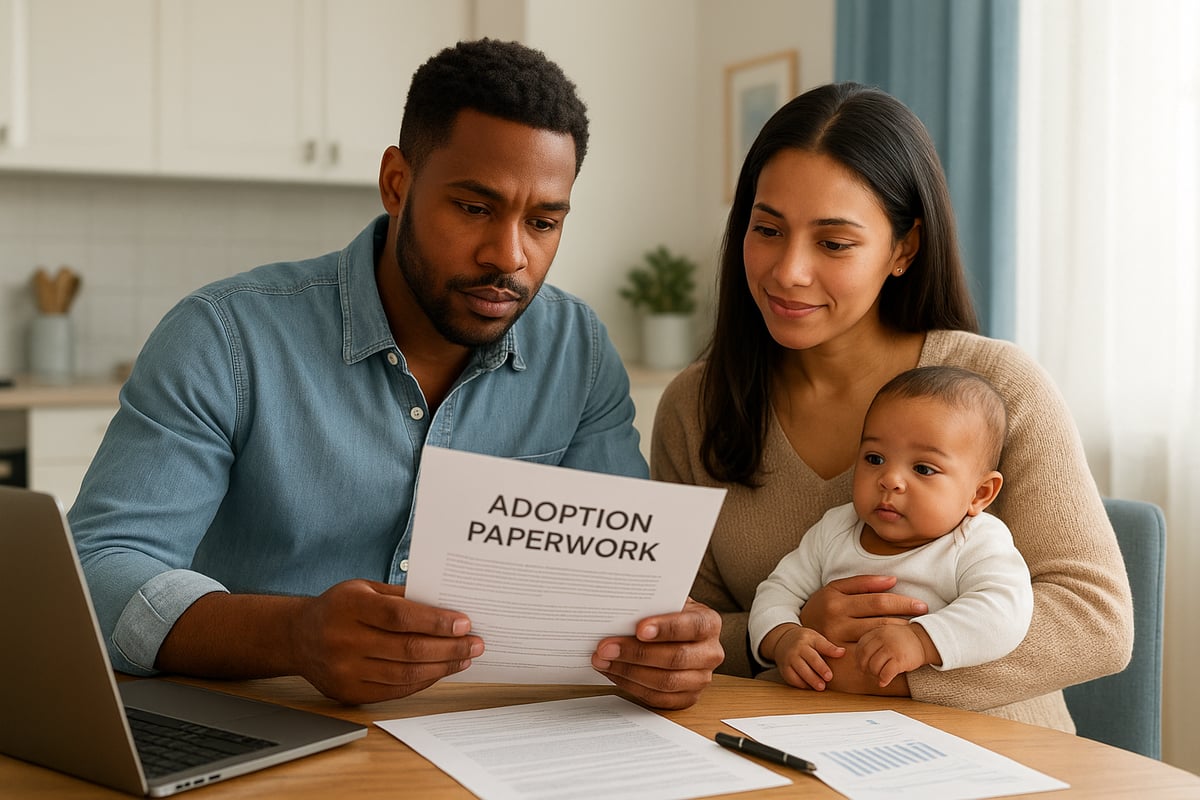
The cost to adopt and infant can vary widely based on the type of adoption, location, and agency involved. On average, U.S. domestic infant adoption costs range from $20,000 to $50,000. In 2024, the national average was $37,000, reflecting agency fees, legal services, and birth mother expenses.
| Expense Type | Estimated Range |
|---|---|
| Agency Fees | $15,000–$30,000 |
| Legal Fees | $4,000–$7,000 |
| Birth Mother Expenses | $2,000–$10,000 |
| Travel & Miscellaneous | $1,000–$5,000 |
Keep in mind, when you adopt and infant, costs may also include home studies, document preparation, and court fees.
Financial Assistance and Grants
Many families exploring how to adopt and infant are relieved to learn about financial aid options. The federal adoption tax credit can offset up to $15,950 in qualified expenses for 2024, and programs are expected to remain strong in 2025. For more details, visit the Adoption Tax Credit Details page.
Other potential sources of help include:
- Employer-provided adoption benefits
- Grants from organizations like HelpUsAdopt and the Gift of Adoption Fund
- Scholarships for adoptive families
These resources can make the decision to adopt and infant more achievable for many hopeful parents.
Budgeting and Avoiding Hidden Fees
A realistic budget is critical when you decide to adopt and infant. Start by listing all anticipated expenses, then add a cushion for unexpected costs. Always ask agencies for a detailed fee schedule and question any vague or extra charges.
For example, some families face surprise travel costs in interstate adoptions. Clarify what is included and get everything in writing. Thoughtful budgeting ensures you can adopt and infant without facing financial strain.
Fundraising and Community Support
Fundraising can bridge the gap for many families who want to adopt and infant. In 2024, 34% of adoptive families used crowdfunding platforms to raise part of their adoption expenses. Community events, church support, and family donations are also common sources of help.
Remember, it is important to follow legal and ethical guidelines when fundraising. Clear communication about your journey to adopt and infant will inspire others to support your family’s growth.
Legal Requirements and Ethical Considerations
Navigating the legal and ethical landscape is crucial if you want to adopt and infant in 2025. Regulations can be complex, but understanding your responsibilities and rights will keep your adoption journey secure and positive. Below, we break down the essential legal steps, how to work with reputable professionals, protecting birth parent rights, and safeguarding your family from scams.

Key Legal Steps in Infant Adoption
Every state has its own laws for families who want to adopt and infant, so it’s vital to research local requirements. Generally, the process includes terminating birth parents’ rights, obtaining their legal consent, and meeting state or federal regulations. If you are adopting across state lines or internationally, you must comply with the Interstate Compact on the Placement of Children (ICPC) or the Hague Convention.
International adoptions require additional steps, such as immigration clearance and eligibility checks. For more about these requirements, see the USCIS Adoption Process Overview. Remember, legal timelines can vary, but transparency and documentation are key to a smooth journey.
Working with Ethical Adoption Professionals
Choosing the right professionals is essential if you hope to adopt and infant without hidden risks. Only work with licensed, reputable agencies and attorneys. Look for:
- Clear, upfront fee structures
- Transparent communication
- No pressure tactics or promises that sound too good to be true
In 2023, 12% of failed adoptions involved legal or ethical violations. Always verify credentials and ask for references. Ethical professionals prioritize the well-being of both the child and the birth family, ensuring a positive experience for all involved.
Birth Parent Rights and Informed Consent
Respecting birth parent rights is foundational when you adopt and infant. Birth parents must give voluntary, informed consent before placement. States may have unique rules for timing and revocation of consent, so understanding these details will protect everyone involved.
Open adoption agreements, which outline future contact, are increasingly common. While not always legally binding, they set expectations and support a child’s sense of identity. Ethical agencies make sure all parties understand their rights and the long-term implications of their choices.
Adoption Scams and How to Avoid Them
Unfortunately, scams are a real threat for families trying to adopt and infant. Common scams include fake profiles, requests for untraceable payments, or agencies with no verifiable credentials. The FBI reported an 8% increase in adoption scams in 2023.
How can you protect your family?
- Never wire money or pay with gift cards
- Insist on written contracts and receipts
- Research agency or attorney licenses with your state
Trust your instincts. If something feels off, pause and confirm before proceeding. Staying vigilant will help ensure your adoption journey is both safe and successful.
Home Study and Family Preparation
Preparing your home and family is a cornerstone when you decide to adopt and infant. The journey can feel overwhelming, but breaking it into manageable steps makes it achievable. Each part of the process ensures you are truly ready to welcome a new child into your life.
More articles
- What Happens at the Hospital When You Place a Baby for Adoption
- Adoption After the Baby Is Born: Rights, Risks, Recovery
- Open vs. Semi-Open Adoption: What Actually Changes
- Financial Help for Pregnant Women Considering Adoption in Indiana
- Choosing an Adoptive Family in Indiana: What to Weigh
- Placing a Baby Up for Adoption in Indiana