



Guide to Giving Up Newborn for Adoption: What to Expect 2026
Facing an unplanned pregnancy can feel overwhelming. If you are considering giving up newborn for adoption, it’s natural to experience a flood of emotions and questions about what’s next.
You are not alone in this journey. This guide is designed to walk you through every step of the process in 2026, from your rights as a birth parent to what happens after placement.
We’ll cover the emotional, legal, and practical aspects, so you have clear answers and real support. By the end, you’ll feel empowered to make the best choice for yourself and your child.
Understanding Your Decision: Why Birth Parents Consider Adoption
Facing the possibility of giving up newborn for adoption is not an easy road. Each birth parent’s story is unique, shaped by deeply personal circumstances, values, and hopes for the future. Understanding the reasons behind this decision can help you feel less alone and more empowered as you consider your options.

Common Reasons for Choosing Adoption
There are many reasons a parent may consider giving up newborn for adoption. Financial struggles, emotional readiness, or life circumstances can make parenting feel impossible at this moment.
Some birth parents lack support from family or a partner, making solo parenting overwhelming. Others want their child to have more stability, opportunities, or a safer environment than they can currently provide.
For example, a young couple facing unemployment might realize they cannot meet their baby’s needs. Another mother may be in a situation where her own safety, or her baby's, is at risk. Health concerns, whether mental or physical, can also play a role.
- Financial instability or homelessness
- Limited family or partner support
- Desire for child’s better future
- Health or safety concerns
Whatever your reason, know that giving up newborn for adoption comes from a place of care and hope for your child.
Emotional Considerations and Myths
Making the choice is emotional, no matter your circumstances. Many birth parents experience a mix of grief, relief, guilt, and hope when giving up newborn for adoption.
There are also common myths, such as the idea that “giving up” means you do not love your child. In reality, placing a newborn for adoption is an act rooted in love and courage.
Some myths and truths:
- Myth: “You’ll forget and move on quickly.”
- Truth: Healing takes time, and feelings may shift over years.
- Myth: “Adoption is only for young, single mothers.”
- Truth: Birth parents come from all backgrounds and ages.
Adoption counselors and birth parents alike emphasize that it is normal to grieve, but with the right support, you can find peace and healing.
Social and Cultural Perspectives
How society views giving up newborn for adoption is changing. In some communities, adoption is openly discussed and supported. In others, stigma or misunderstanding can make the process harder.
Today, more people recognize the bravery and thoughtfulness of birth parents. Support networks, both online and in person, are growing, helping to combat outdated stereotypes.
Still, some birth parents face judgment from family, friends, or their community. Connecting with others who understand your journey can make a big difference.
Statistics on Newborn Adoption in the U.S.
Understanding the bigger picture can help you feel more informed. Each year, thousands of families are formed through newborn adoption. The majority of birth parents are women in their 20s and 30s, and adoptive families come from all walks of life.
Open adoption, where birth and adoptive families maintain some level of contact, is becoming more common. Closed adoptions, where no contact occurs, are less frequent now.
You can find up-to-date figures and trends in Newborn adoption statistics in the US, which reveal that the landscape of giving up newborn for adoption is evolving, with more support and resources available than ever before.
The Adoption Process Step-by-Step: What Happens When You Give Up a Newborn
Facing the journey of giving up newborn for adoption can feel overwhelming. Knowing the process ahead helps you feel more confident and supported. Here’s a step-by-step breakdown so you can move forward with clarity and peace of mind.
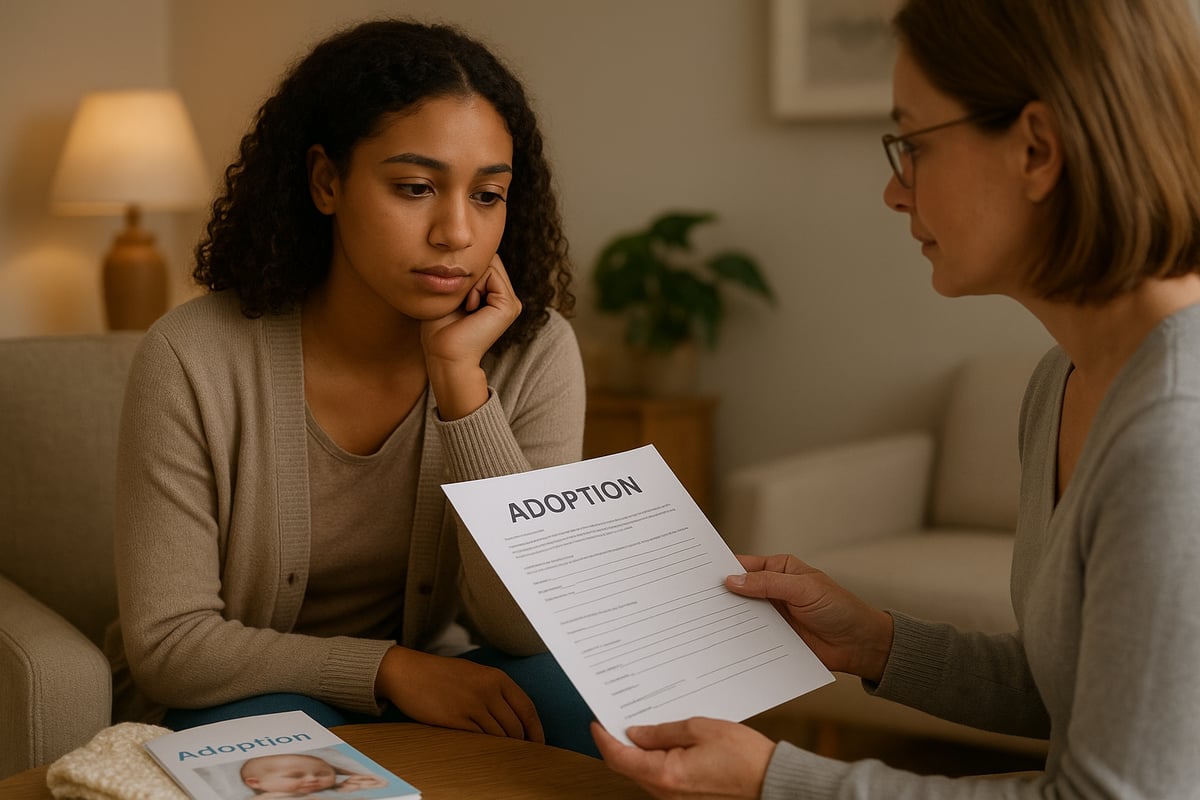
Step 1: Exploring Your Options and Getting Support
The first step in giving up newborn for adoption is learning about your choices. Most birth parents start by meeting with a counselor or social worker. These professionals answer your questions and offer emotional support.
You have the right to keep your situation private. Meetings are confidential, and no one will force you to decide before you are ready.
Here’s how you can begin:
- Reach out to licensed adoption agencies or attorneys.
- Attend informational sessions or support groups.
- Ask about counseling and privacy policies.
Taking time to explore your options ensures you are making the best decision for yourself and your baby.
Step 2: Creating an Adoption Plan
When you decide giving up newborn for adoption is the best path, the next step is making a personalized adoption plan. This plan lets you set your preferences for how the adoption will work.
There are three main types of adoption:
| Type | Description |
|---|---|
| Open | Direct contact with the adoptive family |
| Semi-Open | Contact through the agency |
| Closed | No contact or identifying information |
You get to choose the level of contact you want. Your plan can include details like:
- Who will be present at the hospital
- Whether you want to meet the adoptive family
- What kind of updates or photos you’d like after placement
For more guidance, you can check out creating an adoption plan as an expectant mother.
Step 3: Selecting an Adoption Agency or Attorney
Selecting a trustworthy agency or attorney is crucial when giving up newborn for adoption. Licensed professionals protect your rights and ensure the process is ethical.
Here’s what to look for:
- Proper licensing and accreditation
- Clear, upfront information about your rights and costs
- Positive reviews from other birth parents
Ask these questions during your search:
- What support do you offer before and after placement?
- How do you ensure privacy and respect my choices?
- How do you handle open and closed adoptions?
Transparency and ethics matter. Take your time and choose a provider that makes you feel secure.
Step 4: Matching with an Adoptive Family
After selecting your agency, you’ll begin the process of matching with an adoptive family. This is an important step in giving up newborn for adoption, as you want to feel confident in your choice.
Agencies create detailed profiles of waiting families. You can review these profiles and, if you wish, meet the families in person or virtually.
Consider these factors:
- Parenting style and values
- Location and family structure
- Interests and lifestyle
You are always in control of your decision. Take your time to find the right match for your child.
Step 5: Legal Rights and Consents
Understanding your legal rights is vital when giving up newborn for adoption. Each state has specific laws about consent and revocation periods.
Key points to remember:
- You maintain full parental rights until you sign legal consent forms, usually after birth.
- There are waiting periods for consent, which vary by state.
- You have the right to independent legal representation, often provided at no cost.
Ask your agency or attorney about:
- How long you have to change your mind
- The steps to finalize the adoption
- Your rights after placement
Being informed protects you every step of the way.
Step 6: Hospital and Birth Planning
The final step in giving up newborn for adoption is planning for the birth and hospital stay. You are in control of this experience.
You decide:
- Who is with you during labor and delivery
- How much time you want with your baby
- Whether to take photos, create keepsakes, or invite the adoptive family
A detailed hospital plan ensures everyone knows your wishes, making the experience as comfortable as possible. Remember, support is available to help you through every moment.
What Happens to the Newborn After Adoption Placement?
When considering giving up newborn for adoption, one of the biggest concerns parents have is what happens next. Understanding each stage of your baby’s care and transition can provide peace of mind and help you make informed decisions for your family.

Immediate Care and Transition
After giving up newborn for adoption, your baby will receive attentive medical care from hospital staff. Newborns are monitored for health and well-being, just like any other infant. Depending on your adoption plan, the baby may stay in the hospital nursery, with the adoptive parents, or sometimes in temporary care if needed.
You have a voice in these decisions. Many birth parents choose to spend time with their newborn before placement, while others prefer the adoptive parents to be present right away. Hospitals and adoption professionals follow clear protocols to ensure the transition is gentle and respectful for everyone involved.
Transitioning to the adoptive family is handled with care. Your wishes, and the baby's needs, guide the process to create a smooth start.
The Adoptive Family’s Role
For families preparing for giving up newborn for adoption, knowing what adoptive parents do next matters. Adoptive families often attend parenting classes and work closely with agencies to be ready for placement. They may bring special items, like blankets or clothing, to help the baby feel comforted and secure.
During the first days and weeks, the adoptive family focuses on bonding. They provide round-the-clock care, attend medical appointments, and work to create a loving environment. Many agencies offer support and guidance to help these families adjust smoothly.
This nurturing period is important for both the newborn and the adoptive parents. Everyone benefits from ongoing support and open communication.
Emotional Impact on the Newborn
When giving up newborn for adoption, it’s natural to wonder how your baby will adjust emotionally. Research shows that newborns are resilient, but transition can still affect them. Babies sense changes in caregivers and environment, so gentle handling and bonding are essential.
Adoptive parents are encouraged to practice skin-to-skin contact and soothing routines. These actions help newborns form secure attachments. While some infants experience brief periods of fussiness or sleep changes, most adjust well with loving care.
Real-life stories from adoptive families often describe the early days as a time of both joy and adjustment. Support from professionals ensures any signs of distress are addressed quickly.
Long-Term Outcomes for Adopted Newborns
The long-term outcomes for children after giving up newborn for adoption are generally positive. Studies show that adopted newborns can thrive physically, emotionally, and academically in supportive families. Many adoptees form strong identities and maintain healthy relationships with both adoptive and birth families.
Trends in open adoption have shown benefits for all parties involved. For more insights and up-to-date statistics, the Adoption by the Numbers Report offers valuable information on adoption outcomes in the United States.
Support resources are available for adoptees as they grow, including counseling, support groups, and educational materials. Success stories highlight resilience and strong connections, while challenges are met with ongoing care and understanding.
Legal, Financial, and Practical Considerations for Birth Parents
Facing the decision of giving up newborn for adoption involves more than just emotional choices. It is essential to understand your legal rights, financial options, and the practical steps involved. This section breaks down what you need to know, so you can move forward with confidence and support.

Understanding Your Legal Rights
When considering giving up newborn for adoption, you hold specific legal rights at every step. Consent laws vary by state, so it is crucial to learn when and how you can give legal consent. Most states require waiting periods after birth before consent is final.
You have the right to change your mind within a set timeframe, but this varies depending on your location. Independent legal representation is recommended, ensuring your interests are protected throughout the process. Ask your agency or attorney for a clear explanation of your rights in your state. Understanding these details helps you make the best decision for yourself and your newborn.
Financial Assistance and Support
Financial stress is a common reason for giving up newborn for adoption. If you are worried about costs, know that many adoption agencies provide help with medical bills, housing, and maternity needs. These expenses are regulated by state law, so only approved costs are covered.
Support is meant to ease your situation, not to pressure you. Always work with licensed professionals and beware of anyone promising cash incentives. For a detailed breakdown of what support is available and how it is regulated, visit Legal and financial assistance for birth mothers. This resource can help you avoid scams and get the help you deserve.
Counseling and Emotional Support
Choosing giving up newborn for adoption is never easy, so emotional support is vital. Many agencies provide free counseling before, during, and after placement. This can include one-on-one sessions, group support, or peer mentorship with other birth parents.
Ongoing care helps you process feelings like grief, relief, or uncertainty. Do not hesitate to ask about available counseling options, both in-person and online. You deserve ongoing support, no matter where you are in your journey. Your well-being matters as much as your child’s.
Post-Placement Contact and Updates
After giving up newborn for adoption, you can arrange for contact or updates if you wish. Many adoption plans allow for photos, letters, or even visits, depending on what you and the adoptive family agree to. Setting clear boundaries and expectations early helps everyone adjust smoothly.
Remember, these arrangements can change as your needs evolve. Communication is key—talk openly with your agency or attorney about your wishes. Your relationship with your child can grow and change over time, so stay informed and advocate for what feels right for you.
Choosing the Right Adoption Agency or Support Organization
Choosing the right agency or support organization is one of the most important decisions you’ll make when giving up newborn for adoption. The process can feel overwhelming, but the right support will empower you and protect your rights every step of the way.
What to Look for in an Adoption Agency
When giving up newborn for adoption, prioritize agencies that meet strict licensing and ethical standards. Look for these key qualities:
- Proper licensing and accreditation: Confirm the agency is state-licensed and follows national standards.
- Transparency: The agency should be upfront about all costs, your rights, and available services.
- Positive testimonials: Read reviews from other birth parents who have gone through the process.
Choosing an agency with a strong reputation ensures your journey is guided by professionals who truly care.
Questions to Ask Before Choosing
Before giving up newborn for adoption, ask each agency these important questions:
- What support is provided before, during, and after adoption?
- How is my privacy protected throughout the process?
- What is your approach to open versus closed adoption?
These questions help you understand if the agency’s values align with yours and if they will respect your decisions and privacy.
Comprehensive Support from Tapestry Adoption
If you’re considering giving up newborn for adoption, Tapestry Adoption offers comprehensive, ethical support. Their licensed team provides counseling, financial help, medical care, and legal guidance tailored to your needs.
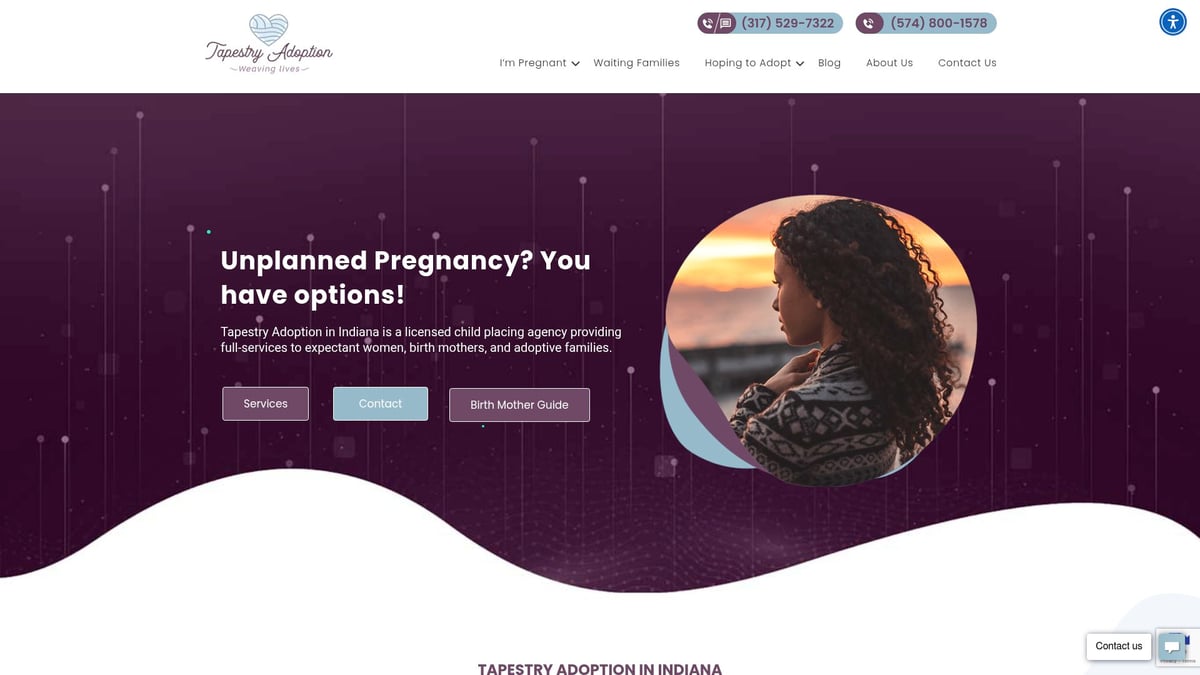
You’ll receive personalized adoption planning and ongoing support at no cost, with services available across Indiana and nationwide. Birth mothers are empowered to make informed choices every step of the way.
Red Flags and How to Avoid Unethical Practices
Protect yourself during the process of giving up newborn for adoption by watching for these warning signs:
- Unlicensed or unaccredited agencies
- Pressure tactics or lack of clear information
- Refusal to provide independent legal advice
Always seek independent legal counsel and report any unethical behavior to the proper authorities. Your safety and rights are non-negotiable.
Life After Adoption: Healing, Growth, and Moving Forward
Facing life after giving up newborn for adoption is a journey filled with a range of emotions, challenges, and opportunities for growth. While the path forward is unique for every birth parent, understanding what to expect and knowing where to turn for support can help you move forward with hope and confidence.
Adjusting Emotionally After Placement
The emotional aftermath of giving up newborn for adoption can be complex. It's normal to experience grief, relief, uncertainty, and hope—sometimes all at once. Many birth parents describe a "rollercoaster" of feelings in the days and months after placement.
Healthy coping strategies can make a difference:
- Allow yourself to grieve: Accept your feelings without judgment.
- Practice self-care: Prioritize rest, nutrition, and gentle activities.
- Seek support: Connect with counselors, friends, or support groups.
Remember, healing is not linear. If you need professional guidance, explore Emotional support for birth mothers for counseling and peer resources tailored to your needs.
Maintaining Connection with Your Child (Open and Semi-Open Adoption)
If you chose open or semi-open adoption, maintaining a connection after giving up newborn for adoption can offer comfort and reassurance. Contact agreements outline how updates, photos, or visits will be shared between you and the adoptive family.
Tips for building healthy connections:
- Set clear boundaries: Communicate your preferences for contact.
- Stay flexible: Relationships may evolve as your child grows.
- Focus on the child's well-being: Keep their needs at the center.
Many birth parents find that ongoing contact brings peace and helps them remain a positive presence in their child's life, even from a distance.
Navigating Family, Friends, and Social Circles
Explaining your decision about giving up newborn for adoption to others may feel daunting. Some people may not understand your choice, and you might face stigma or insensitive questions.
Consider these steps:
- Prepare your story: Decide how much you want to share.
- Seek out allies: Surround yourself with supportive people.
- Educate others: Gently correct misconceptions about adoption.
Finding community with others who have walked this path can help you feel less alone and more empowered to own your story.
Accessing Post-Adoption Resources
After giving up newborn for adoption, continued support is vital for your well-being. Access to counseling, support groups, and online communities can offer comfort and practical guidance.
Valuable resources include:
- Counseling services: Individual or group sessions for birth parents.
- Peer support groups: Share experiences and advice with others.
- Educational materials: Learn about grief, healing, and adoption dynamics.
When you need help, don't hesitate to reach out. Many agencies and organizations provide ongoing care designed specifically for birth parents.
Your Rights and Choices in the Future
Your journey after giving up newborn for adoption doesn't end at placement. You have rights regarding future contact, revisiting agreements, and even seeking reunification as circumstances change.
Be aware of the following:
- Contact agreements: Can often be adjusted if both parties agree.
- Legal rights: State laws protect your interests and privacy.
- Advocacy: You can advocate for your needs and your child's well-being.
For more details on your options and protections, review Birth Parent Rights in Adoption to understand how you can shape your relationship moving forward.
Stories of Birth Parents: Healing and Hope
Many who have gone through giving up newborn for adoption share stories of growth, resilience, and renewed purpose. Some birth parents find peace in knowing their child is thriving, while others discover new strengths within themselves.
Inspirational themes from real stories:
- Rediscovering identity: Embracing personal growth and self-worth.
- Helping others: Becoming mentors or advocates in the adoption community.
- Finding closure: Building a future while honoring the past.
If you're considering this journey, know that hope and healing are possible. Others have walked this path before you and found meaning and happiness again.
I know that thinking about adoption for your newborn can feel overwhelming, but remember—you’re not alone. Throughout this guide, we’ve talked about the emotional journey, your rights, and the kind of support you deserve every step of the way. If you’re ready to explore your options further or just want to understand what comes next, you don’t have to figure it out on your own. Get compassionate, expert advice created just for you by downloading the Free Expectant Mother Guide. It’s packed with real stories, answers to your questions, and guidance to help you make the best decision for you and your baby.