


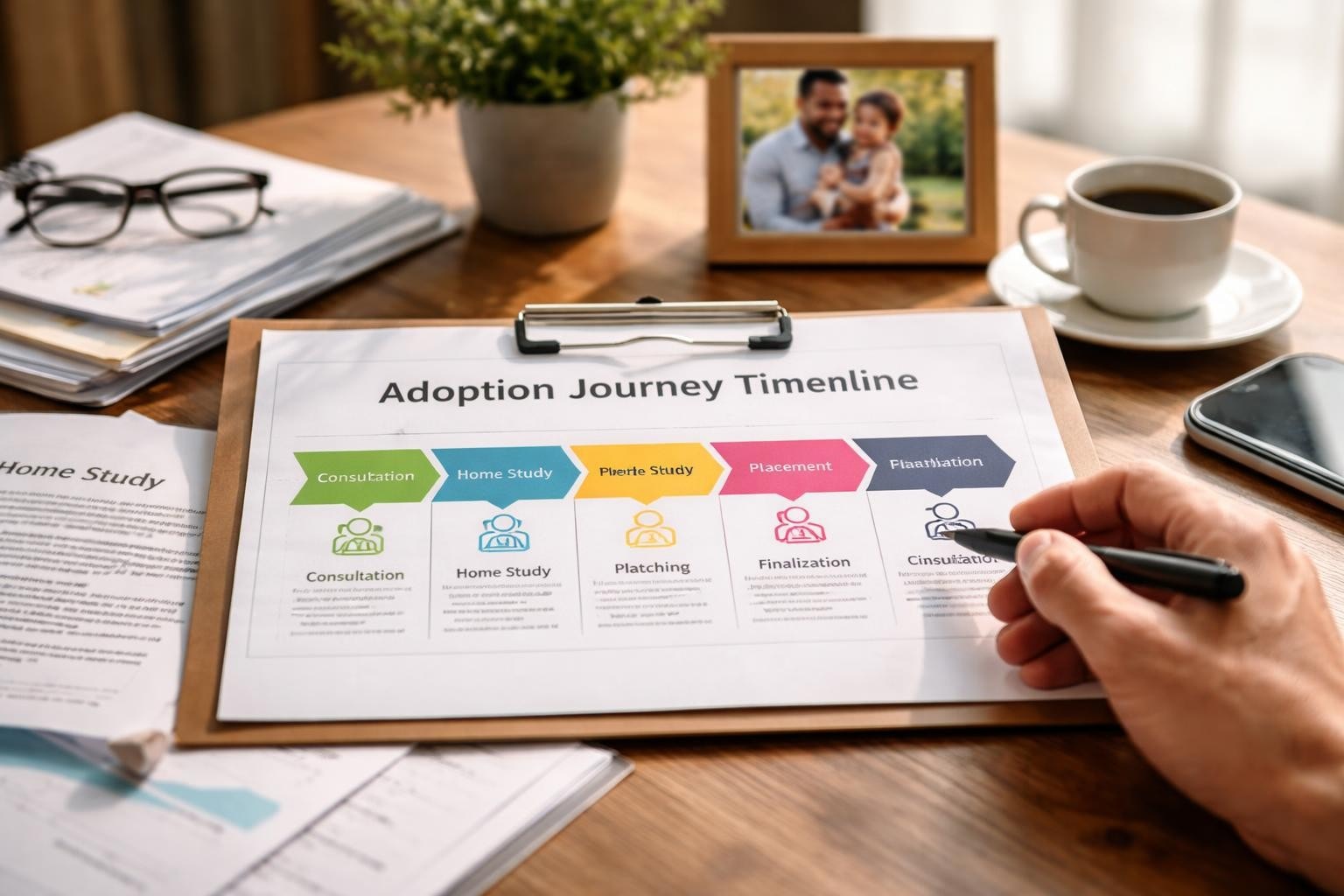
Adoption Timeline: What to Expect During Your Journey
Understanding the adoption timeline is one of the most important steps you can take when considering adoption, whether you're an expectant mother exploring your options or a family ready to welcome a child. The journey involves multiple phases, each with its own requirements and timeframes. While every adoption story is unique, knowing what to expect at each stage helps you make informed decisions and reduces anxiety about the unknown. The path ahead may seem overwhelming, but breaking down the adoption timeline into manageable steps makes the process feel more achievable and helps you prepare emotionally, financially, and practically for what's to come.
Initial Decision and Research Phase
The adoption timeline truly begins the moment you start seriously considering adoption as an option. For expectant mothers, this phase often starts when you're facing an unplanned pregnancy and weighing your choices. For adoptive families, it begins when you decide that adoption is the right path for growing your family.
This exploratory phase typically takes anywhere from one week to several months, depending on your personal circumstances and how much time you need to make this life-changing decision. During this period, you'll be:
- Researching different types of adoption (open, closed, semi-open)
- Learning about your rights and responsibilities
- Connecting with adoption professionals for initial consultations
- Speaking with counselors who can provide unbiased guidance
- Considering your emotional readiness for the journey ahead
Many expectant mothers find that speaking with a licensed counselor helps them process their feelings and make a decision that feels right. The Adoptive Families magazine provides a comprehensive overview that breaks down each phase of the adoption process, which can be invaluable during this research stage.
For families considering adoption, this is when you'll explore whether adoption is right for your family and start understanding the commitment involved. Don't rush this phase-the clarity you gain now will serve you throughout the entire adoption timeline.

Agency Selection and Application
Once you've made the decision to move forward with adoption, the next critical step in your adoption timeline is selecting an agency and beginning the formal application process. This phase typically takes two to six weeks, though it can be shorter if you're working with an agency you already know and trust.
Choosing the Right Adoption Agency
Not all adoption agencies are the same. When selecting your partner for this journey, consider these factors:
- Licensing and accreditation: Ensure the agency is properly licensed in your state
- Services offered: Look for comprehensive support including counseling, legal assistance, and post-placement resources
- Communication style: You'll be working closely with this team, so compatibility matters
- Financial transparency: Clear information about costs and available financial assistance
- Track record: Reviews and testimonials from birth mothers and adoptive families
Read reviews from families who have completed their adoption journey to understand how agency support impacts the overall experience. Their perspectives offer invaluable insights into what makes a positive adoption timeline.
The Application Process
Once you've selected an agency, you'll complete an initial application that includes:
- Basic biographical information
- Background information about your situation
- Preferences regarding the adoption (if you're an adoptive family)
- Initial health and financial disclosures
- References from friends, family, or community members
The Oregon Department of Human Services provides a detailed guide that outlines what to expect during the application phase, though specific requirements vary by state.
Home Study and Assessment Period
For adoptive families, the home study represents one of the most intensive phases of the adoption timeline. This comprehensive evaluation typically takes two to four months to complete, though some families finish in as little as six weeks while others may need longer.
| Home Study Component | Typical Timeline | What's Involved |
|---|---|---|
| Initial paperwork | 2-3 weeks | Financial documents, medical records, employment verification |
| Background checks | 3-4 weeks | Criminal history, child abuse clearances, fingerprinting |
| Home visits | 4-6 weeks | Multiple visits to assess living environment and family dynamics |
| Training sessions | 2-6 weeks | Education about adoption, attachment, trauma-informed parenting |
| Final report | 2-3 weeks | Compilation and review of all materials |
The home study isn't designed to intimidate you-it's a protective measure that ensures children are placed in safe, stable environments. Many families find the process enlightening and valuable for their own preparation.
Understanding what a home study for adoption entails helps demystify this phase and reduces anxiety. The social worker assigned to your case becomes a partner in your journey, offering guidance and support throughout the home study process.
For expectant mothers, this period in the adoption timeline involves different activities. You'll be:
- Attending counseling sessions to process your feelings
- Learning about adoptive family profiles
- Receiving medical care and support
- Understanding your legal rights throughout the process
- Planning for your birth plan and hospital experience

Matching and Waiting Period
This phase of the adoption timeline varies most dramatically from case to case. For some, matching happens quickly-within weeks. For others, it may take six months to two years or longer. Adoption Services, Inc. discusses the various waiting periods that families might experience during this stage.
For Expectant Mothers
If you're an expectant mother who has decided on adoption, you'll review profiles of pre-approved adoptive families. This process is deeply personal and should never feel rushed. You're looking for the family that resonates with your values and vision for your child's future.
Key considerations during matching:
- Communication style and openness preferences
- Family values and parenting philosophy
- Geographic location (if ongoing contact is desired)
- Family structure and existing children
- Shared interests or cultural connections
You control the pace of this process. Some expectant mothers know immediately when they've found the right family, while others prefer to take time reviewing multiple profiles and even meeting families in person.
For Adoptive Families
Once your home study is approved, you enter the waiting period. This can be emotionally challenging, as the adoption timeline becomes less predictable. Families wait an average of six months to two years to be matched with an expectant mother, though this varies significantly based on:
- Your openness to different adoption scenarios
- The type of adoption you're pursuing
- Geographic considerations
- Characteristics you've specified in your preferences
- Current demand and availability in your region
During this waiting period, stay connected with your agency, attend support groups, and continue preparing your home and heart for a child. Premier Adoption delves into factors influencing duration that can help you set realistic expectations.
Placement and Adjustment Phase
When a match is made and both parties are ready to move forward, the adoption timeline accelerates significantly. The placement phase typically begins within days to weeks after the birth of the child, though the exact timing depends on state laws and individual circumstances.
Immediate Post-Birth Period
For expectant mothers, the days immediately following birth are emotionally intense. You'll have time with your baby if you choose, and you'll work with hospital staff and your adoption counselor to ensure your wishes are respected. Remember that in most states, you cannot legally consent to the adoption until after the baby is born, and there's typically a waiting period before consent becomes irrevocable.
State-specific considerations matter significantly:
- Some states require a 72-hour waiting period before consent
- Others allow consent sooner but provide revocation periods
- Each state has different requirements for birth father consent
- Legal procedures vary regarding when adoptive parents can take custody
Understanding birth father consent in adoption is crucial, as this can impact your adoption timeline depending on the biological father's involvement and rights.
The First Months Together
For adoptive families, the first three to six months after placement are about bonding, adjustment, and completing post-placement requirements. Most states require:
- Regular visits from your social worker (typically 3-6 visits)
- Post-placement reports documenting the child's adjustment
- Continued counseling or support services
- Medical care and documentation
- Preparation for the final court hearing
This period is both joyful and challenging. You're building attachment with your child while also managing the administrative requirements that remain before finalization.

Legal Finalization Process
The final major milestone in your adoption timeline is the legal finalization hearing. This typically occurs six months to one year after placement, though some states allow earlier finalization if all requirements are met.
Preparing for Finalization
Before your court date, you'll need to ensure:
- All post-placement visits are completed
- Required waiting periods have passed
- Birth parent rights have been legally terminated (if contested or requiring formal termination)
- All necessary documentation is filed with the court
- Your attorney has prepared all legal paperwork
- Any required witnesses or statements are ready
The Finalization Hearing
The actual court hearing is typically brief-often just 15-30 minutes-and is usually a celebratory occasion. The judge will review the case, ask a few questions to ensure everything is in order, and then issue the final adoption decree.
This moment marks the legal completion of your adoption timeline, making the child a permanent legal member of the adoptive family with all the rights and privileges of a biological child. Many families celebrate this day annually as their child's "adoption day" or "gotcha day."
Factors That Influence Your Adoption Timeline
Understanding what affects the adoption timeline helps you set realistic expectations and prepare for potential variations. Ava Health explores different types of adoption and how they impact overall timeframes.
Type of Adoption
The adoption type dramatically influences duration:
| Adoption Type | Average Timeline | Key Factors |
|---|---|---|
| Infant domestic adoption | 6-24 months | Matching period varies most; higher demand than available infants |
| Foster-to-adopt | 12-36 months | Child welfare system timelines; reunification attempts; parental rights termination |
| Step-parent adoption | 3-9 months | Simplified process if other parent consents; longer if contested |
| International adoption | 12-48 months | Country-specific requirements; travel mandates; immigration processing |
For those exploring step-parent adoption in Indiana, the process is generally more straightforward with a condensed timeline when the other biological parent consents.
Legal and Administrative Variables
Several legal factors can extend or compress your adoption timeline:
- Interstate compact requirements: If adoptive parents and birth mother are in different states, the Interstate Compact on the Placement of Children (ICPC) adds 1-4 weeks
- Birth father rights: Identifying and notifying the birth father, obtaining consent, or terminating rights can add weeks to months
- Court schedules: Availability of court dates for finalization varies by jurisdiction
- Background check delays: Occasionally, background checks are delayed due to administrative backlogs
- Document processing: Obtaining necessary documents like birth certificates or medical records
Personal Circumstances
Your individual situation also influences the adoption timeline:
- Flexibility in preferences: Families open to various situations typically match faster
- Completion of requirements: How quickly you gather documents and complete training
- Health considerations: Complications during pregnancy or special needs of the child
- Financial readiness: Ability to cover required fees and expenses
- Geographic location: Urban areas may have more resources but also more competition
Support Throughout Your Adoption Timeline
No matter where you are in your adoption journey, having the right support system makes an enormous difference. The adoption timeline can feel overwhelming, but you don't have to navigate it alone.
Resources for Expectant Mothers
If you're an expectant mother considering adoption, you deserve comprehensive support including:
- Professional counseling: Unbiased guidance to help you make the decision that's right for you
- Financial assistance: Help with pregnancy-related expenses, medical care, and living costs
- Legal representation: Your own attorney to protect your rights and explain the process
- Medical care: Access to quality prenatal care and delivery services
- Ongoing support: Counseling and resources that continue after placement if desired
Understanding adoption plan support options available to you ensures you receive the care you deserve throughout this journey. Many birth mothers report that having strong support made their experience more positive and helped them feel confident in their decision.
Resources for Adoptive Families
Adoptive families also need robust support systems:
- Education about attachment, trauma, and adoption-specific parenting
- Financial resources, including information about the adoption tax credit
- Community connections with other adoptive families
- Post-placement counseling and adjustment support
- Legal guidance throughout the process
The Commonwealth of Pennsylvania outlines eight adoption steps that many states follow, providing a helpful framework for understanding the journey ahead.
Managing Expectations and Emotions
One of the most challenging aspects of the adoption timeline is its unpredictability. Unlike pregnancy, which follows a relatively standard nine-month timeline, adoption varies dramatically based on numerous factors beyond your control.
For Expectant Mothers
The emotional journey of choosing adoption is profound. You may experience:
- Relief at finding a solution that feels right
- Grief about the loss inherent in adoption
- Hope for your child's future
- Anxiety about making the right choice
- Connection with the adoptive family
- Uncertainty about life after placement
These feelings are all normal and valid. Working with a counselor who understands adoption helps you process these emotions in a healthy way. Remember that you can change your mind at any point before the legal consent period ends-this decision must feel absolutely right to you.
For Adoptive Families
Waiting to become parents through adoption tests patience and emotional resilience. Many families describe the experience as a "roller coaster" with periods of hope, disappointment, excitement, and fear.
Strategies that help during the waiting period include:
- Staying connected with your support network
- Continuing to prepare practically (setting up the nursery, gathering supplies)
- Focusing on aspects of life you can control
- Attending adoption support groups
- Keeping communication open with your agency
- Managing well-meaning but insensitive questions from friends and family
State-Specific Considerations
While the general adoption timeline framework is similar across states, specific requirements and procedures vary. Understanding your state's unique aspects helps you plan more accurately.
Working with a licensed adoption agency that specializes in your state ensures you receive accurate, current information about requirements and timelines. State regulations govern:
- When birth parents can legally consent to adoption
- Revocation periods and their duration
- Home study requirements and standards
- Interstate adoption procedures
- Post-placement supervision requirements
- Finalization timeline minimums
These variations mean that an adoption timeline in one state might differ significantly from another, even when all other factors are similar.
Moving Forward With Confidence
Understanding the adoption timeline empowers you to make informed decisions and set realistic expectations. Whether you're an expectant mother considering adoption in Indiana or a family ready to welcome a child, knowing what lies ahead reduces anxiety and helps you prepare.
The adoption timeline isn't just a series of administrative steps-it's a transformative journey that changes lives forever. Each phase serves an important purpose, whether it's ensuring children are placed in safe homes, protecting the rights of all parties, or allowing time for careful decision-making.
Remember that your timeline will be unique to your situation. Some adoptions proceed quickly and smoothly, while others encounter unexpected delays or complications. Both experiences are normal, and neither reflects on the ultimate success of your adoption.
The most important factor isn't how long your adoption timeline takes-it's that you receive the support, information, and resources you need to make decisions that feel right for you and result in the best possible outcome for everyone involved.
The adoption timeline may seem complex, but understanding each phase helps you approach the journey with confidence and realistic expectations. Whether you're an expectant mother seeking support or a family ready to grow through adoption, having the right partner makes all the difference. At tapestry adoption, we provide comprehensive counseling, financial assistance, and legal support throughout your entire adoption journey. Our experienced team guides you through each step of the process with compassion, transparency, and unwavering support. Contact us today to learn how we can help you navigate your unique adoption timeline with confidence and care.