



Licensed Adoption Agencies: Your Guide to Safe Placement
When making one of life's most significant decisions, whether placing a baby for adoption or growing your family through adoption, the agency you choose matters tremendously. Licensed adoption agencies operate under strict state regulations designed to protect everyone involved, from expectant mothers to hopeful adoptive families and, most importantly, the children at the center of these life-changing journeys. Understanding what licensing means, how it protects you, and why it's essential can help you make informed decisions during this emotional time.
What Makes an Adoption Agency Licensed
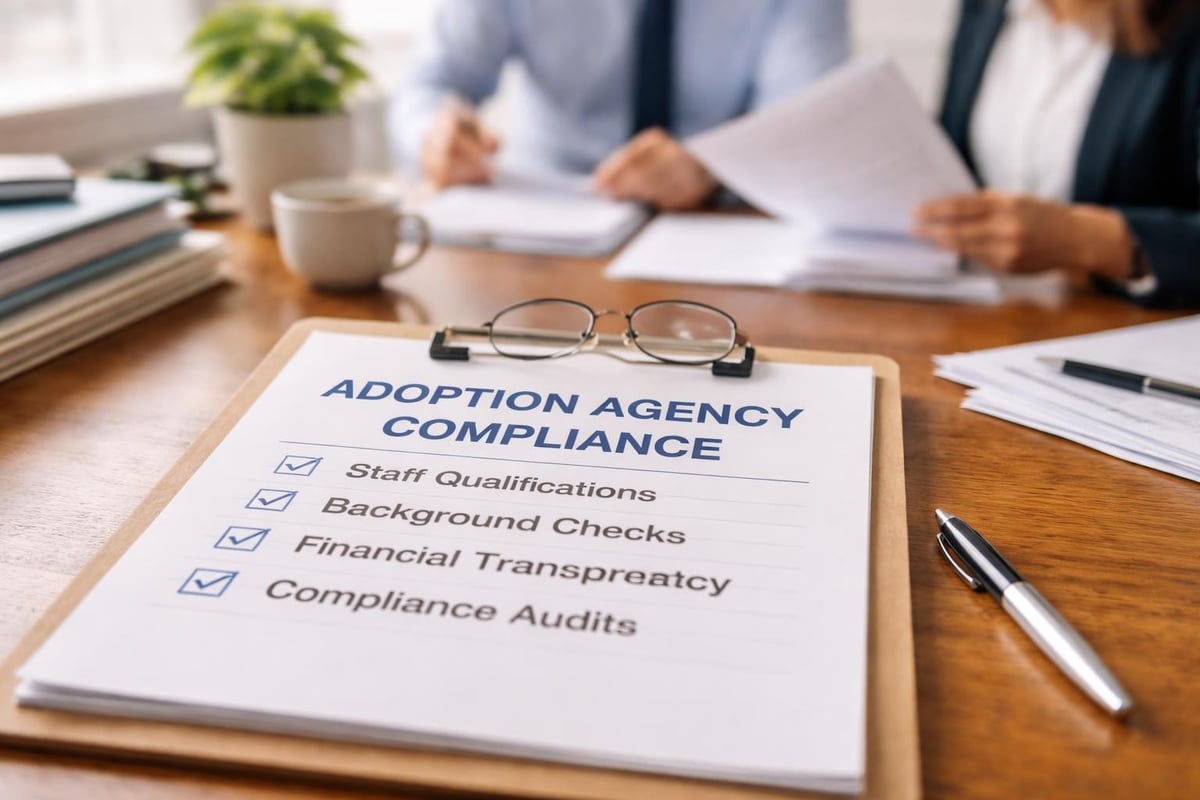
State licensing represents far more than a simple certificate on the wall. Licensed adoption agencies must meet comprehensive requirements established by state departments of child welfare or health services. These standards cover everything from staff qualifications and background checks to financial transparency and ethical practices throughout the adoption process.
The licensing process typically requires agencies to demonstrate:
- Qualified staff with specific educational backgrounds and experience in social work or counseling
- Comprehensive background checks for all employees
- Adequate insurance and bonding to protect clients
- Clear policies for financial transactions and fee structures
- Proper record-keeping and confidentiality protocols
- Regular state inspections and compliance audits
States maintain rigorous oversight to ensure agencies continue meeting these standards year after year. This ongoing supervision protects vulnerable populations and ensures accountability throughout every adoption journey.
The Difference Between Licensed and Unlicensed Facilitators
The distinction between licensed adoption agencies and unlicensed facilitators or consultants carries enormous implications for your safety and legal protection. Unlicensed adoption intermediaries operate in gray areas of the law, often lacking the accountability and ethical standards required of licensed providers.
Licensed adoption agencies must adhere to state-mandated fee structures and cannot profit excessively from adoption placements. They're required to provide counseling services, conduct thorough home studies, and ensure all legal requirements are properly met. Unlicensed facilitators face no such obligations, potentially leaving you vulnerable to unethical practices or legal complications.
Regulatory Standards That Protect You
State regulations governing licensed adoption agencies create multiple layers of protection for everyone involved in the adoption process. Understanding how licensed adoption agencies are regulated helps you appreciate the comprehensive framework designed to safeguard your interests.
Financial Transparency and Accountability
One of the most critical protections involves financial oversight. Licensed adoption agencies must:
Provide detailed fee disclosures before you begin working with them. You should receive itemized lists of all costs, including application fees, home study expenses, legal fees, and any pregnancy-related expenses if you're working with an expectant mother.
Maintain separate trust accounts for client funds, preventing agencies from commingling money or using client payments for operational expenses before services are rendered. This financial structure protects you if an agency faces business difficulties.
Submit to regular financial audits that verify proper handling of client funds and ensure compliance with state fee limitations. Many states cap certain fees or require agencies to justify their pricing structures.
| Expense Category | Typical Range | Regulatory Oversight |
|---|---|---|
| Home Study | $1,500-$3,000 | State-mandated requirements |
| Agency Fees | $15,000-$30,000 | Fee caps in some states |
| Legal Costs | $2,500-$8,000 | Attorney licensing boards |
| Medical Expenses | Variable | Documented necessity only |
Professional Standards for Staff
The people who guide you through your adoption journey must meet specific qualifications. Licensed adoption agencies employ social workers, counselors, and case managers with relevant degrees and, in many cases, state licensure in their professional fields.
This requirement ensures you receive guidance from trained professionals who understand trauma-informed care, attachment theory, and the complex emotional dynamics of adoption. When you work with a licensed agency like Tapestry Adoption, you benefit from staff who have demonstrated competence through formal education and ongoing training.
Services Licensed Adoption Agencies Provide
The comprehensive nature of services offered by licensed adoption agencies sets them apart from other adoption pathways. These agencies provide support throughout the entire adoption continuum, not just during the placement itself.
For Expectant Parents Considering Adoption
Counseling services form the cornerstone of ethical adoption practice. Licensed agencies must offer unbiased counseling that helps expectant mothers explore all their options, including parenting and other support services. This counseling continues throughout pregnancy and after placement, ensuring birth parents receive emotional support during difficult transitions.
Financial assistance for pregnancy-related expenses follows strict legal guidelines. Licensed agencies can help with medical costs, housing, food, and other reasonable expenses during pregnancy, all documented and permissible under state law.
Legal representation protects birth parents' rights throughout the process. Agencies must ensure expectant mothers have access to independent legal counsel who represents their interests alone, not the agency's or adoptive family's interests.

For Families Hoping to Adopt
Licensed adoption agencies guide hopeful parents through each stage of becoming an adoptive family. The home study process represents a critical component where agencies assess your readiness to adopt, prepare you for the realities of adoptive parenting, and ensure safe, stable homes for children.
Background checks and clearances protect children by thoroughly vetting prospective parents. These investigations include:
- Criminal background checks at state and federal levels
- Child abuse registry clearances
- Financial stability assessments
- Home safety evaluations
- Personal reference interviews
Adoption education prepares you for the unique aspects of adoptive parenting, from talking with your child about adoption to understanding attachment and bonding. Quality agencies provide extensive pre-adoption training that equips you with knowledge and realistic expectations.
Matching services connect expectant mothers with families in ways that honor everyone's preferences and values. Licensed agencies facilitate this delicate process with sensitivity, ensuring both parties feel empowered and informed throughout their decision-making.
The Impact of Licensing on Adoption Outcomes
Statistics reveal meaningful differences in outcomes between licensed and unlicensed adoption pathways. According to the National Council For Adoption, licensed agencies have significantly lower rates of disrupted adoptions and provide more comprehensive post-placement support, contributing to healthier long-term outcomes for children and families.
Ethical Practices and Consent
Licensing requirements emphasize informed consent throughout the adoption process. Birth parents must receive comprehensive information about their rights, the adoption process, and alternatives to adoption before making any decisions. This ethical foundation prevents coercion and ensures decisions are made freely.
Licensed adoption agencies must wait specified periods after birth before accepting consent to adoption, recognizing that expectant parents cannot fully understand their feelings until after their baby arrives. These waiting periods vary by state but typically range from 48 hours to several weeks.
Post-Placement Support and Services
The relationship with your adoption agency doesn't end at placement. Licensed agencies provide ongoing support including:
- Post-placement visits required by the court
- Counseling for birth parents, adoptive families, or adopted persons
- Support groups and community connections
- Access to records and information sharing in open adoption arrangements
- Crisis intervention if challenges arise
This long-term commitment reflects the understanding that adoption creates lifelong connections requiring ongoing support.
Choosing the Right Licensed Adoption Agency
Not all licensed adoption agencies approach their work identically, even though they meet the same regulatory standards. Finding the right fit for your unique situation requires research and careful consideration.
Questions to Ask Potential Agencies
What is your philosophy about adoption? Understanding an agency's core beliefs helps you determine alignment with your values. Some agencies emphasize Christian or faith-based approaches, while others maintain secular practices.
How do you support birth parents after placement? The quality and duration of post-placement support for expectant mothers reveals an agency's commitment to ethical practices and long-term well-being.
What are your actual placement timelines? Be wary of agencies promising unrealistically quick placements. Honest agencies provide realistic expectations based on their actual experience.
How do you handle disrupted adoptions? Understanding an agency's policies when placements don't proceed as planned reveals their integrity and how they protect clients financially and emotionally.
Red Flags to Watch For
Certain warning signs should prompt you to look elsewhere for adoption services:
- Pressure to make quick decisions without adequate time for reflection
- Reluctance to provide detailed financial information upfront
- Promises of specific timelines or guarantees about placement
- Discouragement from seeking independent legal counsel
- Lack of clear policies about pregnancy-related expenses
Trust your instincts. If something feels wrong or you feel pressured, licensed adoption agencies should respect your need for time and information.

Regional Variations in Licensing Requirements
Each state maintains its own licensing standards for adoption agencies, creating variations in requirements and oversight. Indiana adoption services, for example, operate under regulations specific to that state's Department of Child Services.
Interstate Compact Considerations
When adoptions cross state lines, the Interstate Compact on the Placement of Children (ICPC) governs the process. Licensed adoption agencies must navigate these additional requirements, ensuring compliance with regulations in both the state where the child is born and the state where the adoptive family resides.
This complexity underscores the importance of working with experienced licensed agencies that understand multi-state adoption procedures. Agencies lacking this expertise may cause delays or legal complications that could have been avoided.
Intercountry Adoption Accreditation
For families considering international adoption, agencies must hold additional accreditation beyond state licensing. The Hague Convention on Protection of Children and Co-operation in Respect of Intercountry Adoption established international standards that accredited agencies must meet. Intercountry adoption statistics reveal trends in these specialized placements.
The Future of Licensed Adoption Agencies
The adoption landscape continues evolving, with licensed adoption agencies adapting to changing demographics, social attitudes, and legal frameworks. Current adoption trends show shifts in how families come together through adoption.
Technology and Modernization
Licensed adoption agencies increasingly leverage technology to improve services while maintaining regulatory compliance. Online profile sharing, video conferencing for counseling sessions, and digital education platforms expand access to quality adoption services, particularly in rural areas.
However, technology must enhance, not replace, the personal connections central to ethical adoption practice. The best licensed agencies balance technological convenience with the human touch essential for supporting people through profound life transitions.
Increasing Emphasis on Openness
Modern adoption practice trends toward greater openness and transparency. Licensed adoption agencies now routinely facilitate ongoing contact between birth families and adoptive families, recognizing the benefits this provides to adopted children as they develop their identities.
This shift requires agencies to provide enhanced support for navigating these relationships, ensuring all parties understand expectations and boundaries. Training for both birth parents and adoptive families prepares everyone for successful open adoption relationships.
Working With Licensed Adoption Agencies Successfully
Maximizing your experience with licensed adoption agencies requires active participation and clear communication. Whether you're an expectant parent considering adoption or a family hoping to adopt, your engagement significantly impacts your journey.
Building Trusting Relationships
Be honest about your circumstances, feelings, and concerns. Licensed adoption agencies can only support you effectively when they understand your complete situation. Social workers and counselors maintain confidentiality and approach your story without judgment.
Ask questions whenever uncertainty arises. No question is too small or insignificant when making adoption decisions. Quality agencies welcome inquiries and provide thorough explanations.
Participate fully in required processes. Home studies, counseling sessions, and educational requirements exist to protect everyone involved. Approaching these requirements as valuable preparation rather than obstacles enhances your experience.
| Stage | Your Role | Agency's Role |
|---|---|---|
| Initial Contact | Share your situation honestly | Explain services and options |
| Evaluation | Complete applications/studies | Assess readiness and provide education |
| Matching | Communicate preferences clearly | Present appropriate opportunities |
| Placement | Follow through on commitments | Coordinate legal and medical requirements |
| Post-Placement | Engage in required support | Provide ongoing counseling and assistance |
Understanding Your Rights
Both birth parents and adoptive families have specific rights throughout the adoption process. Licensed adoption agencies must inform you of these rights and ensure they're protected. Birth parents have the right to change their minds during pregnancy and, in most states, for a specified period after birth. Adoptive families have the right to complete, accurate information about the child's health and background.
Understanding these rights empowers you to advocate for yourself and make informed decisions aligned with your values and circumstances.
The Value of Licensing in Building Families
The regulatory framework surrounding licensed adoption agencies exists because adoption involves life-altering decisions for vulnerable individuals. State oversight ensures agencies operate with integrity, transparency, and accountability, protecting everyone involved in the adoption triad.
When you work with licensed adoption agencies, you access professional support grounded in ethical standards and legal compliance. This foundation creates the security necessary for making confident decisions about your future, whether that means placing a child for adoption or welcoming a new member into your family.
The commitment to ethical practices, comprehensive support, and regulatory compliance distinguishes licensed agencies from other adoption pathways. While the process may seem complex, these requirements exist to protect you and ensure the best possible outcomes for children, birth parents, and adoptive families alike.
Choosing to work with licensed adoption agencies provides the protection, support, and ethical framework you deserve during this significant life transition. Whether you're an expectant mother exploring your options or a family ready to grow through adoption, understanding licensing requirements helps you make informed decisions with confidence. Tapestry Adoption combines full licensing compliance with compassionate, personalized support for expectant mothers and adoptive families throughout Indiana, offering counseling, financial assistance, legal guidance, and comprehensive home study services that honor your unique journey.