



United States Adoption: Complete 2026 Guide & Resources
Navigating the united states adoption landscape in 2026 requires understanding complex legal frameworks, emotional considerations, and the various pathways available to expectant mothers and prospective adoptive families. Whether you're considering placing a child for adoption or hoping to grow your family through this life-changing process, the American adoption system offers multiple options tailored to different circumstances and needs. With thousands of successful adoptions completed annually and comprehensive support systems now available, making informed decisions has never been more accessible.
Understanding the Current State of United States Adoption
The adoption landscape in America has evolved significantly over recent decades. According to adoption statistics from the National Council For Adoption, trends in united states adoption have shifted toward greater transparency, ethical practices, and improved support for all parties involved.
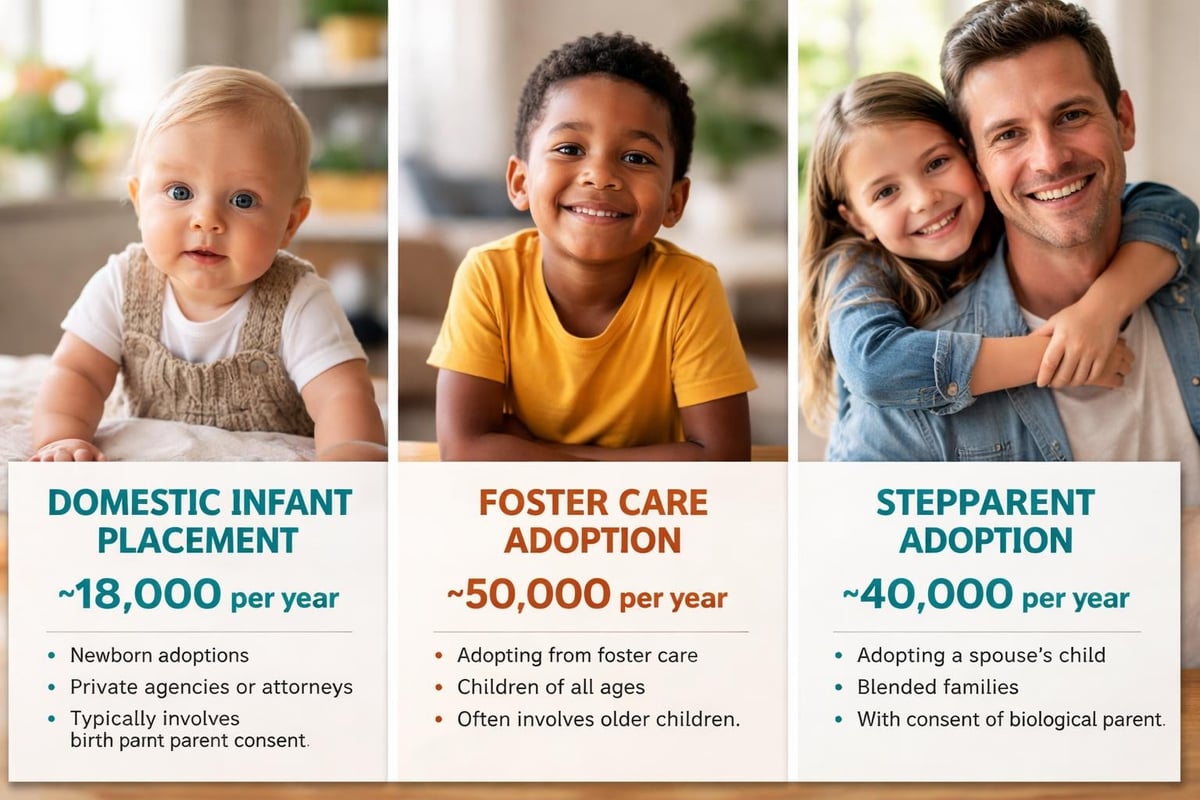
Modern adoption in 2026 encompasses several distinct categories:
- Domestic infant adoption (newborns placed voluntarily by birth mothers)
- Foster care adoption (children in the public welfare system)
- Stepparent and relative adoptions
- Intercountry adoption (children from other countries)
Each pathway comes with unique requirements, timelines, and considerations. For expectant mothers facing unplanned pregnancies, domestic infant adoption provides a compassionate option that allows them to choose the family who will raise their child while receiving comprehensive support throughout the process.
The Numbers Behind United States Adoption
Statistical data reveals important insights about adoption patterns across the country. CDC research on adoption trends shows that approximately 1-2% of American children are adopted, representing over a million families touched by this experience.
| Adoption Type | Approximate Annual Number | Primary Characteristics |
|---|---|---|
| Domestic Infant | 18,000-20,000 | Voluntary placement by birth mothers |
| Foster Care | 50,000-60,000 | Children in state custody |
| Stepparent/Relative | 40,000-50,000 | Family connections maintained |
| Intercountry | 1,500-2,000 | International process required |
The decline in intercountry adoptions since 2004 has been particularly notable, while domestic infant adoption remains relatively stable. Understanding these trends helps both expectant mothers and prospective adoptive families set realistic expectations about their journey.
Legal Framework Governing United States Adoption
Every state maintains its own adoption laws while adhering to federal guidelines. This creates a patchwork system where requirements vary depending on your location, though certain principles remain universal across all united states adoption proceedings.
The legal process protects the rights of birth parents, adoptive parents, and most importantly, the child. Birth mothers maintain the right to make informed decisions about their child's future without coercion, while adoptive families must meet specific criteria to ensure child safety and stability.
Essential Legal Requirements for Prospective Adoptive Parents
Families hoping to adopt must complete several mandatory steps before they can welcome a child into their home:
- Home study evaluation – Comprehensive assessment of living situation, finances, background, and readiness
- Criminal background checks – Federal and state clearances for all household members
- Financial verification – Proof of ability to support a child
- Medical examinations – Health assessments ensuring ability to parent
- Personal references – Character evaluations from non-relatives
- Training completion – Education on adoption-specific parenting topics
The home study serves as the cornerstone of the approval process. At Tapestry Adoption, our experienced team guides families through each requirement, ensuring thorough preparation while minimizing stress and confusion.
Birth Mother Rights and Protections
Expectant mothers considering adoption enjoy comprehensive legal protections throughout the united states adoption process. No woman can be pressured into placing her child, and decisions must be made freely with full understanding of the implications.
Key protections include:
- The right to select the adoptive family
- Access to independent legal counsel
- Revocation periods after signing consent (varies by state)
- Protection from coercion or undue influence
- Confidentiality options regarding identity
Most states prohibit birth mothers from signing final consent until after the baby's birth, recognizing that women deserve time with their newborn before making irrevocable decisions. Revocation periods typically range from 24 hours to several weeks, depending on state law.
Financial Aspects of United States Adoption
Understanding the financial dimensions of adoption helps families plan appropriately while ensuring expectant mothers receive necessary support without creating uncomfortable dynamics or legal complications.
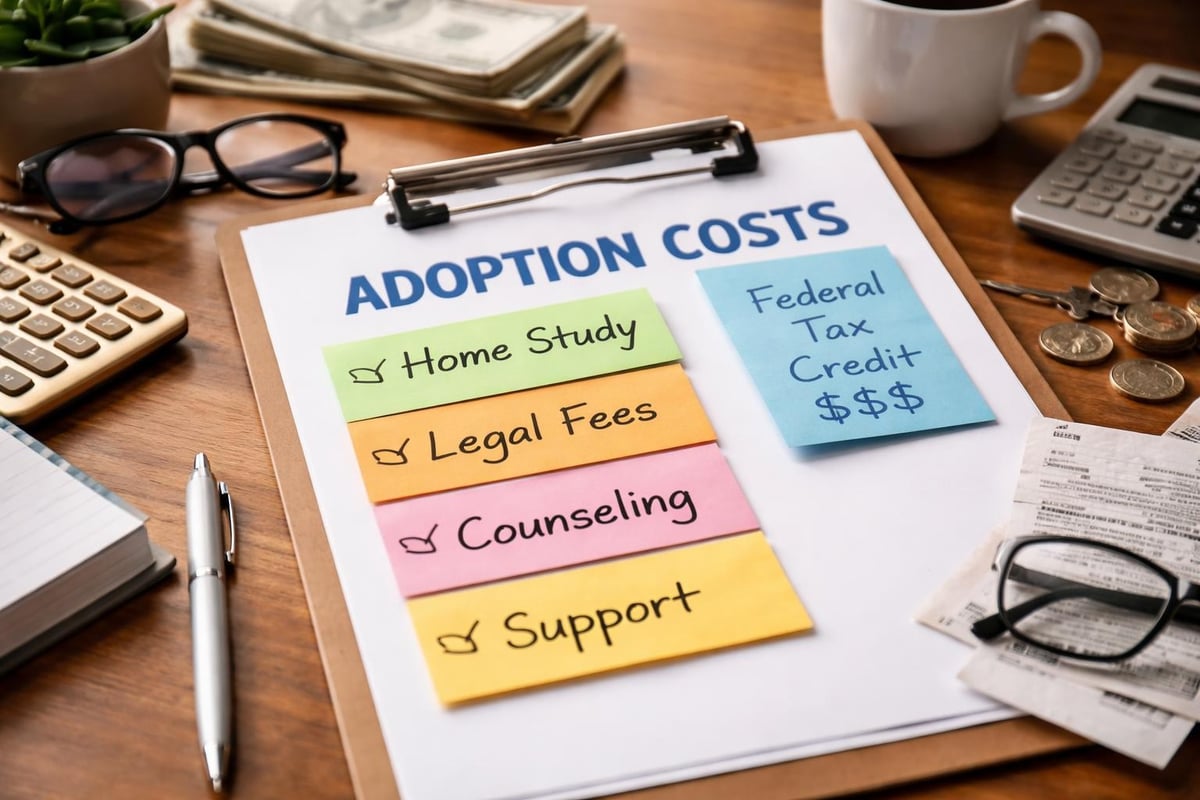
Domestic infant adoption costs typically range from $20,000 to $45,000, covering agency services, legal fees, counseling, and pregnancy-related expenses. Foster care adoption through public agencies usually involves minimal costs, often under $3,000, with many states providing subsidies.
Breaking Down Adoption Expenses
| Expense Category | Domestic Infant | Foster Care | Stepparent |
|---|---|---|---|
| Home Study | $1,500-$3,000 | $0-$500 | $500-$1,500 |
| Agency Fees | $15,000-$30,000 | $0 | N/A |
| Legal Costs | $2,500-$7,000 | $500-$2,500 | $800-$2,000 |
| Birth Mother Support | $5,000-$10,000 | N/A | N/A |
| Total Range | $20,000-$45,000 | $500-$3,000 | $800-$3,500 |
Birth mother expenses legally permitted in united states adoption typically include medical care, counseling, housing assistance, maternity clothing, and basic living expenses during pregnancy. Understanding pregnancy-related financial support ensures compliance with state regulations prohibiting baby-selling while providing compassionate assistance.
The federal adoption tax credit offers significant financial relief, allowing families to claim qualifying expenses up to a specified amount per child. In 2026, this credit helps offset the considerable investment required for domestic adoption.
Choosing Between Open, Semi-Open, and Closed Adoption
One of the most significant decisions in modern united states adoption involves the level of ongoing contact between birth families and adoptive families. This openness spectrum has shifted dramatically over the past three decades.
Open Adoption: Building Lifelong Connections
Open adoption allows direct contact between birth parents and adoptive families, ranging from annual photo exchanges to regular visits and ongoing relationships. Research consistently shows benefits for children who maintain age-appropriate connections to their biological heritage.
Benefits include:
- Children access their complete identity and medical history
- Birth mothers experience reduced grief through continued connection
- Adoptive parents receive firsthand information about the child's background
- Relationships evolve naturally based on comfort levels
Approximately 70% of domestic infant adoptions in 2026 involve some degree of openness. Many expectant mothers considering adoption find comfort in knowing they can witness their child's growth while respecting the adoptive family's primary parental role.
Semi-Open and Closed Arrangements
Semi-open adoption maintains contact through intermediaries, typically with photo/letter exchanges facilitated by the agency. This provides updates without direct contact, offering a middle ground for those desiring some connection with appropriate boundaries.
Closed adoption, once the standard, now represents less than 5% of domestic infant placements. Some birth mothers still prefer complete privacy, and their wishes are respected, though adoption professionals generally encourage at least minimal openness when possible.
Families waiting to adopt often express willingness to embrace whatever openness level birth mothers prefer, recognizing that flexibility in this area expands their opportunities for connection.
The United States Adoption Process: Step-by-Step Timeline
Understanding the sequential nature of adoption helps manage expectations and reduce anxiety. While every journey differs, certain stages occur in predictable order for domestic infant adoption.
For expectant mothers considering placement:
- Research options and contact adoption professionals (immediately upon decision)
- Receive counseling and explore feelings (ongoing throughout pregnancy)
- Review waiting family profiles and select adoptive parents (1-4 weeks)
- Meet chosen family and establish relationship (optional, timing varies)
- Create hospital plan and delivery preferences (third trimester)
- Place baby with chosen family (at birth)
- Sign legal consent (24 hours to several weeks postpartum, state-dependent)
- Receive post-placement support and counseling (ongoing)
For prospective adoptive families:
- Choose adoption professional and begin application (month 1)
- Complete home study process (months 2-4)
- Create family profile and begin waiting (months 4+)
- Connect with expectant mother (timing varies widely)
- Build relationship and prepare for placement (weeks to months)
- Welcome baby and begin bonding (day 1)
- Finalize adoption in court (3-12 months post-placement)
The waiting period between home study completion and placement varies dramatically, ranging from weeks to years depending on family preferences, flexibility, and circumstances.
Support Services Critical to Successful United States Adoption
Professional support transforms adoption from a transactional process into a supported journey with long-term positive outcomes. Quality adoption services provide comprehensive assistance to all parties.
Counseling: The Foundation of Ethical Practice
Expectant mothers deserve access to unbiased counseling that explores all options without pressure toward any particular choice. Ethical adoption practices require that women receive professional support in examining parenting, adoption, and abortion as legitimate options.
Ongoing counseling addresses grief, loss, identity questions, and relationship dynamics. Both birth mothers and adoptive families benefit from professional guidance navigating complex emotions throughout the adoption journey and beyond.
Legal Representation: Protecting Everyone's Interests
Separate legal counsel for birth parents and adoptive parents ensures that each party's rights receive adequate protection. This dual representation prevents conflicts of interest and provides peace of mind that all legal requirements are properly fulfilled.
Competent adoption attorneys understand state-specific regulations governing consent, revocation periods, interstate placement, and finalization procedures. Their expertise prevents costly mistakes that could jeopardize placements.
Post-Placement Support and Resources
The relationship between adoption professionals and families shouldn't end at placement. Quality agencies provide ongoing resources including:
- Support groups connecting birth mothers with others who share their experience
- Educational materials about child development and adoption-specific parenting
- Mediation services for families navigating openness agreements
- Connection to adoption-competent therapists when additional support is needed
- Assistance with post-adoption contact arrangements
Reviews from families we’ve served consistently highlight the importance of feeling supported throughout the entire journey, not just during the initial placement process.

Special Circumstances in United States Adoption
Beyond traditional domestic infant placement, several specialized adoption situations require unique approaches and expertise.
Stepparent Adoption: Formalizing Family Bonds
When a stepparent wishes to legally adopt their spouse's child, the process differs significantly from other adoption types. Stepparent adoption typically requires:
- Consent from the custodial parent (spouse)
- Consent or termination of rights from the noncustodial biological parent
- Background checks and limited home study (requirements vary by state)
- Court hearing and finalization
These adoptions represent the largest category numerically but often receive less attention than infant adoption. They formalize existing family relationships and provide legal security for all parties.
Relative and Kinship Adoption
When family members step forward to adopt related children, the process acknowledges existing bonds while ensuring appropriate safeguards. Grandparents, aunts, uncles, and adult siblings frequently adopt when biological parents cannot fulfill parenting responsibilities.
Kinship adoption often moves more quickly than unrelated adoption, though all safety requirements still apply. The Fostering Connections to Success and Increasing Adoptions Act emphasized the importance of placing children with relatives when possible, recognizing the value of family preservation.
Embryo Adoption: An Emerging Option
Though less common, embryo adoption allows families who created surplus embryos during fertility treatment to donate them to others. This unique form of adoption involves medical procedures and raises distinct legal and ethical questions not present in traditional united states adoption.
Interstate and Intercountry Adoption Considerations
When adoption crosses state or national boundaries, additional regulations ensure child protection while honoring different jurisdictions' laws.
The Interstate Compact on the Placement of Children (ICPC)
When a child is born in one state but will be adopted by parents residing in another, ICPC approval is mandatory before the child can cross state lines. This compact ensures that:
- The receiving state approves the placement
- Both states' legal requirements are satisfied
- The child's interests are protected during transfer
ICPC processing typically adds 1-10 days to the placement timeline, depending on state efficiency. Families must remain in the birth state with their newborn until clearance is granted.
International Adoption Regulations
Intercountry adoption requirements have become increasingly stringent as nations implement the Hague Adoption Convention's safeguards. Prospective parents must meet both U.S. immigration requirements and the sending country's adoption laws.
The decline in international adoption reflects several factors:
- Increased domestic adoption capacity in sending countries
- Stricter regulations preventing trafficking and corruption
- Extended timelines and increased costs
- Political relationships affecting program availability
Families considering international adoption in 2026 should prepare for a multi-year process requiring patience, flexibility, and significant financial resources.
Finding the Right Adoption Professional
Selecting qualified, ethical adoption support makes an enormous difference in your experience. Whether you're considering adoption as an expectant mother or hoping to adopt as a waiting family, partnering with experienced professionals provides crucial guidance.
Questions to Ask Potential Adoption Agencies
- How long have you been facilitating adoptions?
- What licenses and accreditations do you hold?
- What services do you provide to birth mothers versus adoptive families?
- How do you ensure ethical practices throughout the process?
- What are your complete fee structures with no hidden costs?
- Can you provide references from recent clients?
- What post-placement support do you offer?
Transparency regarding costs, services, and practices indicates professionalism and integrity. According to general information about adoption in the United States, the industry has evolved toward greater ethical standards, but families should still carefully evaluate potential partners.
Red Flags to Watch For
Certain warning signs suggest an adoption professional may not operate with appropriate ethical standards:
- Pressure tactics directed at expectant mothers to choose adoption
- Unwillingness to provide detailed cost breakdowns
- Guarantees about timeline or outcomes
- Limited counseling services for birth mothers
- Lack of proper licensing or accreditation
- Negative reviews or disciplinary actions
Trust your instincts. If something feels uncomfortable or wrong, seek a different provider. United states adoption should never feel coercive or transactional.
Medical and Health Considerations
Health information plays a vital role in adoption, affecting placement decisions and long-term child wellbeing.
Medical History Documentation
Comprehensive medical history helps adoptive families provide appropriate healthcare for their children. Birth mothers contribute invaluable information including:
- Pregnancy health and prenatal care
- Family medical history (genetic conditions, mental health, substance use)
- Labor and delivery details
- Birth father's medical background (when available)
This information follows the child throughout life, informing medical care and helping answer questions about genetic predisposition to certain conditions.
Substance Exposure and Special Needs
Prenatal substance exposure requires honest disclosure and specialized support. Babies born with neonatal abstinence syndrome or fetal alcohol spectrum disorders need families prepared for potential developmental challenges.
Many adoptive families specifically request to be matched with children who may have special needs, including medical conditions or substance exposure. These placements often occur more quickly than healthy newborn placements, and families receive additional training and support.
The Emotional Journey of United States Adoption
Beyond logistics, procedures, and legal requirements, adoption is fundamentally an emotional journey filled with hope, grief, love, and transformation.
For Expectant Mothers: Navigating Complex Feelings
Women considering adoption for their children experience a profound range of emotions. Grief coexists with relief. Love manifests through sacrifice. These contradictions are normal and valid.
Professional counseling helps women process:
- Feelings about the pregnancy and circumstances leading to consideration of adoption
- Identity as a mother even after placement
- Grief and loss that accompany placement decisions
- Ways to honor the choice while moving forward
- Relationship management with the adoptive family
No woman should navigate these emotions alone. Support systems including counselors, peer support groups, and compassionate adoption professionals create a foundation for healing.
For Adoptive Families: Managing Hope and Uncertainty
Families pursuing adoption often endure lengthy waits filled with emotional ups and downs. Failed matches, where expectant mothers change their minds, create devastating disappointment even when respecting the mother's right to parent.
Building resilience involves:
- Maintaining realistic expectations about timelines
- Developing coping strategies for the waiting period
- Preparing for attachment and bonding with an adopted child
- Understanding trauma-informed parenting approaches
- Creating support networks with other adoptive families
Testimonials from adoptive parents reveal that while the journey can be challenging, the outcome brings immeasurable joy and fulfillment.
United states adoption in 2026 offers expectant mothers facing unplanned pregnancies a compassionate option built on informed choice, comprehensive support, and ethical practices, while providing hopeful families the opportunity to build their families through this beautiful journey. Whether you're an expectant mother exploring your options or a family ready to welcome a child through adoption, professional guidance makes all the difference in creating positive outcomes for everyone involved. At Tapestry Adoption, we provide the counseling, financial assistance, legal support, home study services, and compassionate care that transform adoption from a process into a supported journey, and we're here to walk alongside you every step of the way.