



US Adoption Process: Complete Guide for 2026
Navigating the us adoption process can feel overwhelming, especially when you're just beginning your journey toward building or expanding your family. Whether you're an expectant mother exploring your options or a hopeful family ready to welcome a child, understanding each step of the adoption process helps you move forward with confidence and clarity. The landscape of adoption has evolved significantly in 2026, with new regulations, improved support systems, and a stronger emphasis on ethical practices that prioritize the well-being of everyone involved. This comprehensive guide breaks down the us adoption process into manageable steps, addresses common concerns, and provides the essential information you need to make informed decisions.
Understanding the Foundation of the US Adoption Process
The us adoption process begins long before paperwork is signed or matches are made. It starts with education, self-reflection, and understanding what type of adoption aligns with your circumstances and values. Domestic infant adoption represents one of the most common paths families choose, connecting expectant mothers with adoptive families through agencies like Tapestry Adoption.
Every state maintains its own adoption laws and requirements, though federal regulations provide overarching guidance. The National Council for Adoption outlines important adoption laws that govern how the us adoption process unfolds across different jurisdictions. Understanding these legal frameworks early prevents surprises and helps you prepare appropriately.
Types of Adoption Available
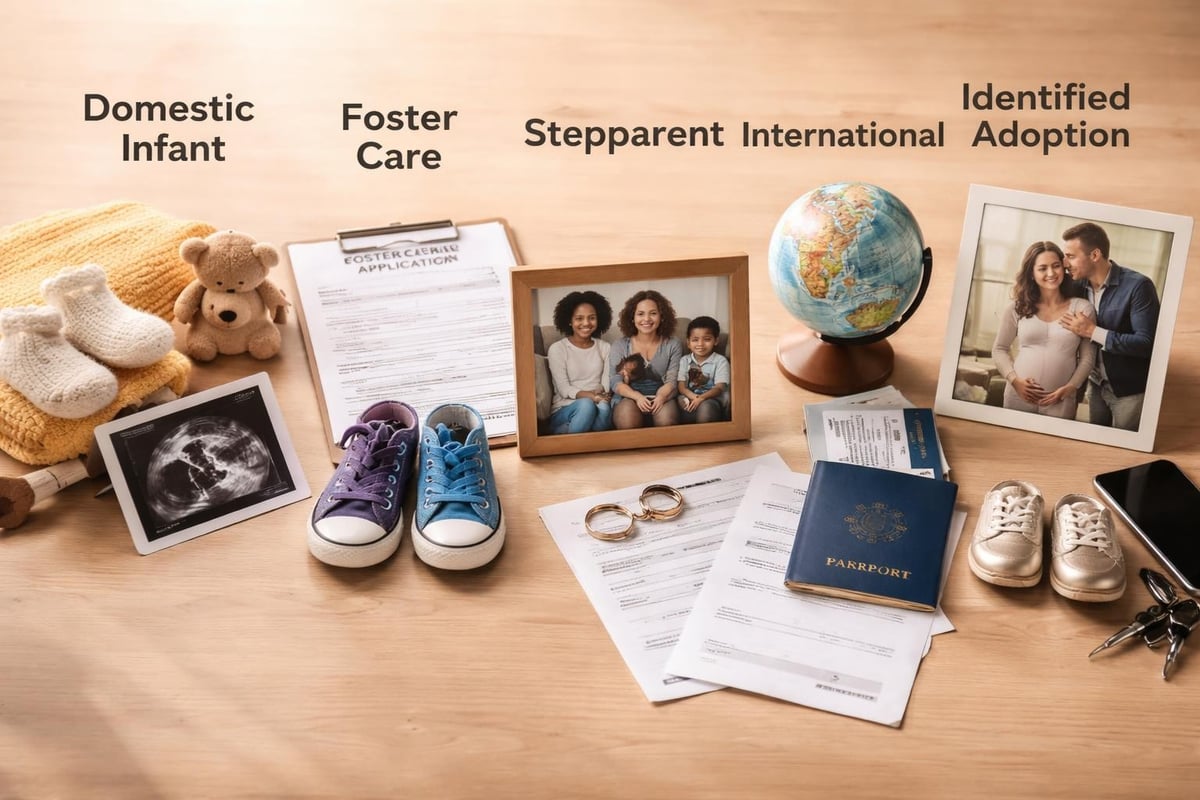
The us adoption process encompasses several distinct pathways:
- Domestic infant adoption through private agencies
- Foster care adoption of children in the state system
- Stepparent or relative adoption within existing family structures
- International adoption from countries with established programs
- Identified adoption where families already know the birth parents
Each pathway follows different procedures, timelines, and requirements. Most families pursuing newborn adoption work with licensed agencies that provide comprehensive adoption services including counseling, home studies, and legal support.
The Home Study: Your Gateway to Adoption
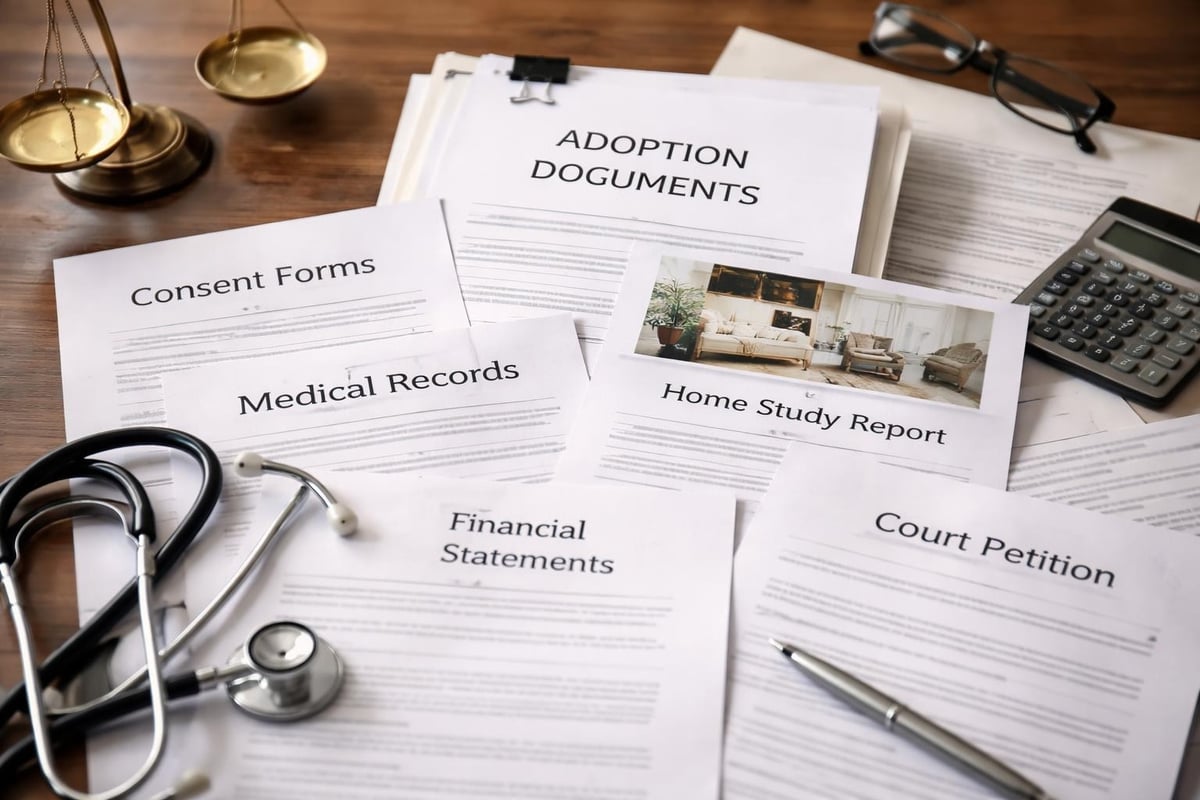
No discussion of the us adoption process would be complete without addressing the home study, which serves as the foundation for any legal adoption. This comprehensive evaluation assesses your readiness to provide a safe, nurturing environment for a child. Far from being an invasive inspection, the home study process educates prospective parents while ensuring children are placed in appropriate homes.
What the Home Study Includes
A licensed social worker conducts multiple visits and assessments throughout the home study process:
- Initial consultation and application where you discuss your motivation and expectations
- Background checks and fingerprinting for all adults in the household
- Home safety inspection ensuring your living space meets basic requirements
- Personal interviews conducted individually and as a couple
- Reference checks from friends, family, and professional contacts
- Financial review demonstrating stability without requiring wealth
- Training sessions on adoption-related topics and parenting approaches
- Final report compilation summarizing findings and approval status
The home study FAQ addresses common questions families have about this critical component of the us adoption process. Most home studies take between three to six months to complete, though timelines vary based on individual circumstances and state requirements.
| Home Study Component | Typical Timeline | Purpose |
|---|---|---|
| Application & Background Checks | 2-4 weeks | Verify eligibility and safety |
| Home Visits | 4-8 weeks | Assess living environment |
| Training & Education | 6-12 hours | Prepare for adoption challenges |
| Report Compilation | 2-4 weeks | Document readiness |
Legal Requirements and Documentation
The us adoption process involves significant legal procedures that protect the rights of birth parents, adoptive parents, and most importantly, the child. Understanding these legal requirements helps you prepare the necessary documentation and avoid delays.
Essential Legal Steps
Termination of parental rights represents the most critical legal component. Birth parents must voluntarily relinquish their parental rights according to state-specific timeframes and procedures. Most states require a waiting period after birth before consent can be legally given, ranging from 48 hours to several weeks.
Adoption laws across states vary considerably, as detailed in resources from Adopt.org. Some states require court appearances, while others process adoptions primarily through administrative channels. Working with experienced adoption professionals ensures compliance with all applicable regulations.
The Interstate Compact on the Placement of Children (ICPC) governs adoptions where birth parents and adoptive parents reside in different states. This additional layer of the us adoption process requires approval from both states before the child can cross state lines, typically adding two to three weeks to your timeline.
Financial and Legal Support Services
Adoptive families should budget for various expenses throughout the us adoption process:
- Home study fees ($1,500-$3,000)
- Agency fees ($20,000-$45,000 for full-service domestic adoption)
- Legal fees ($2,500-$8,000)
- Birth parent support and pregnancy-related expenses
- Travel and accommodation costs
- Post-placement visits and finalization
Many families qualify for the federal adoption tax credit, which in 2026 provides up to $15,950 per child to offset qualifying adoption expenses. Employer adoption benefits, state subsidies for foster care adoption, and grants from adoption-focused organizations provide additional financial support options.
Matching and Placement: Where Families Connect
The matching phase of the us adoption process brings together expectant mothers and hopeful families in meaningful ways. This emotionally charged period requires patience, flexibility, and trust in the process.
Creating Your Adoptive Family Profile
Your family profile serves as your introduction to expectant mothers considering adoption. This critical document should authentically represent who you are, what you value, and what kind of life you can offer a child. Effective profiles balance honesty with warmth, sharing genuine details about your daily life, extended family, community, and dreams for the future.
Many families wonder how long matching takes within the us adoption process. While some families match within weeks, others wait a year or more. Variables affecting wait times include:
- Geographic flexibility and willingness to travel
- Openness to various levels of contact with birth families
- Preferences regarding medical history or prenatal exposure
- Demographics and characteristics of your family
- Current number of families waiting with your agency
Understanding Open Adoption
The us adoption process has shifted dramatically toward open adoption arrangements, where birth families and adoptive families maintain some level of ongoing contact. Research consistently shows benefits for children who have age-appropriate information about their birth families and origins.
Open adoption exists on a spectrum from mediated communication through agencies to direct contact including visits, calls, and messages. Families can view adoptive parent testimonials to understand how open relationships develop and thrive over time.
Birth Parent Counseling and Support
For expectant mothers navigating an unplanned pregnancy, understanding the us adoption process empowers them to make informed decisions about their future and their child's future. Comprehensive support services recognize the courage required to explore adoption and provide resources without pressure or judgment.
Services Available to Expectant Mothers
Quality adoption agencies offer expectant mothers considering adoption a range of support services:
- Professional counseling to explore all available options
- Financial assistance for pregnancy-related expenses, housing, and necessities
- Medical care coordination ensuring proper prenatal care
- Legal representation protecting rights throughout the process
- Post-placement counseling addressing grief, healing, and adjustment
The placement decision remains entirely with the expectant mother. Ethical adoption practice means providing support while respecting her autonomy and ensuring she never feels coerced or pressured into a decision that doesn't feel right.
Birth Father Rights and Involvement
The us adoption process must also address birth father rights, which vary significantly by state. Some states require active consent from identified birth fathers, while others allow adoption to proceed if the birth father fails to establish paternity or demonstrate interest. Understanding birth father rights in Indiana and similar resources for your state ensures all legal requirements are met properly.

Post-Placement Period and Finalization
Once a child is placed in your home, the us adoption process enters the post-placement period. This supervised timeframe allows social workers to ensure the placement is progressing well and the family is adjusting appropriately.
Post-Placement Visits and Reports
Most states require a series of post-placement visits by a licensed social worker before finalization can occur. These visits typically happen:
- Within the first week of placement
- Monthly for the first three months
- Every other month until finalization
- With additional visits as needed
Social workers observe parent-child bonding, assess the child's adjustment and development, answer questions, and provide support during this transitional period. Their reports to the court demonstrate that finalization serves the child's best interests.
The Finalization Hearing
The culminating event of the us adoption process is the finalization hearing in family court. This joyful occasion legally establishes the parent-child relationship, grants you full parental rights and responsibilities, and issues a new birth certificate listing you as parents.
Most finalization hearings are brief, celebratory proceedings where the judge asks a few questions, reviews documentation, and signs the final decree. Many families dress up, bring extended family members, and take photographs to commemorate this milestone. Following finalization, you receive official court documents and can apply for the child's amended birth certificate.
| Post-Placement Phase | Duration | Key Activities |
|---|---|---|
| Initial Adjustment | First 2 weeks | Bonding, establishing routines |
| Regular Supervision | 3-6 months | Social worker visits, progress reports |
| Pre-Finalization | 1-2 months | Court paperwork preparation |
| Finalization Hearing | 1 day | Legal completion |
Navigating Interstate and International Adoptions
The us adoption process becomes more complex when crossing state or international borders. Additional regulations and approval processes protect children while ensuring legal compliance.
Interstate Compact Requirements
When adoptive parents and birth parents live in different states, the Interstate Compact on the Placement of Children (ICPC) governs the us adoption process. Both states must approve the placement before the child can travel to the adoptive family's state. This process requires:
- Submission of home study and placement packet to sending state
- Review and approval by sending state ICPC office
- Forwarding documents to receiving state ICPC office
- Approval from receiving state before child can cross state lines
- Compliance with both states' adoption laws throughout the process
ICPC approval typically takes 7-14 business days but can extend longer during busy periods or if additional documentation is required. Planning for potential delays helps manage expectations during this waiting period.
International Adoption Considerations
For families pursuing international adoption, the us adoption process intersects with regulations from the child's birth country and federal requirements. The U.S. Department of State provides comprehensive information about intercountry adoption procedures, including country-specific requirements and processing timelines.
The Hague Adoption Convention establishes standards for international adoptions from member countries. Families must work with accredited agencies and follow the Hague adoption process, which includes additional safeguards and procedures beyond domestic adoption requirements.
Special Considerations: Stepparent and Relative Adoptions
Not all families navigating the us adoption process are adopting infants from non-relatives. Stepparent adoptions and relative adoptions follow simplified procedures in many states while still protecting children's legal rights.
Stepparent Adoption Procedures
When a stepparent wishes to legally adopt their spouse's biological child, the us adoption process typically requires:
- Consent from the custodial biological parent (your spouse)
- Termination of rights from the non-custodial biological parent or legal grounds for involuntary termination
- Background checks and sometimes abbreviated home studies
- Court petition and hearing
- Final decree establishing legal parent-child relationship
Stepparent adoptions often proceed more quickly than stranger adoptions because the child already resides with the adoptive parent and an established relationship exists. However, obtaining consent from or terminating the rights of the non-custodial parent can present challenges depending on their involvement and willingness to cooperate.
Relative and Kinship Adoption
When family members adopt related children, the us adoption process acknowledges the existing family connection while still ensuring proper legal procedures. Grandparents, aunts, uncles, and adult siblings may pursue kinship adoption when biological parents cannot provide care.
Many states offer subsidies and support services for relative caregivers, recognizing that keeping children within their extended family networks provides stability and preserves important connections. Requirements vary by state but generally include background checks, some form of home assessment, and court proceedings.
Choosing the Right Adoption Professional
Success in the us adoption process often depends on selecting experienced, ethical adoption professionals who support your journey with expertise and compassion. Whether you're an expectant mother or a hopeful family, your choice of agency or attorney significantly impacts your experience.
Evaluating Adoption Agencies
Licensed adoption agencies provide comprehensive services throughout the us adoption process. When evaluating agencies, consider:
- Licensing status and accreditation with relevant organizations
- Years in operation and successful placements completed
- Range of services offered to birth families and adoptive families
- Approach to open adoption and ongoing contact
- Financial transparency and fee structures
- References from families who have worked with them previously
- Ethical practices and commitment to child-centered decisions
Faith-based agencies like Christian adoption agencies may appeal to families seeking values alignment, though reputable agencies serve families of all backgrounds and beliefs.
Questions to Ask Potential Agencies
Before committing to an agency, ask specific questions about their approach to the us adoption process:
- What is your average wait time from completed home study to placement?
- How many families are currently waiting, and how many placements did you complete last year?
- What support services do you provide to expectant mothers?
- How do you handle situations where an expectant mother changes her mind?
- What are your policies on contact and openness?
- What happens if an adoption disruption occurs?
- What post-placement support do you offer adoptive families?
The guide to discussing adoption with an agency helps you prepare for these important conversations and evaluate whether an agency is the right fit for your family.
Resources and Ongoing Support
The us adoption process doesn't end at finalization. Adoptive families benefit from continued education, community connections, and resources that support healthy child development and family adjustment.
Educational Resources and Training
Adoption-competent parenting requires understanding trauma-informed care, attachment, identity formation, and how to discuss adoption openly with your child. Quality agencies provide:
- Pre-adoption training covering adoption-specific parenting approaches
- Post-adoption educational workshops and seminars
- Access to adoption-informed therapists and counselors
- Literature and online resources about developmental stages
- Connections to adoption community groups and support networks
Organizations like Adoptee Health Network offer valuable perspectives on adoption from adoptees' viewpoints, helping parents understand their children's potential questions and feelings as they grow.
Building Your Support Network
Connecting with other adoptive families provides invaluable support throughout the us adoption process and beyond. Many families find community through:
- Agency-sponsored events bringing together families at similar stages
- Online forums and social media groups focused on adoption topics
- Local adoption support groups meeting regularly in communities
- Adoption-focused conferences offering education and networking
- Play groups and family gatherings for adopted children
These connections help normalize the adoption experience, provide practical advice, and remind families they're not alone in navigating challenges and celebrating milestones.
The us adoption process represents a profound journey of hope, patience, and love that changes lives forever. Whether you're an expectant mother seeking the best future for your child or a family ready to welcome a child into your home, understanding each step of the process helps you move forward with confidence. At tapestry adoption, we walk alongside families and expectant mothers throughout every stage of the adoption journey, providing compassionate counseling, comprehensive support services, and expert guidance. If you're considering adoption or beginning your family-building journey, we invite you to connect with our experienced team who can answer your questions and help you take the next step with clarity and support.