


Search Adoption Guide: Expert Tips and Insights for 2026
Are you ready to search adoption records and connect with your roots in 2026? The journey to find biological connections is more accessible—yet more intricate—than ever before.
This comprehensive guide is designed to empower adoptees, birth families, and adoptive parents with expert tips, actionable steps, and the newest insights for every stage of the search adoption process.
You will discover the latest search tools, legal updates, emotional support strategies, and international considerations, all tailored for today's landscape.
If you want clarity, support, and a roadmap for a successful reunion, you are in the right place. Let’s dive in and make your adoption search journey in 2026 a confident one.
Understanding Adoption Search in 2026: Trends and Context
Adoption search in 2026 is more dynamic, accessible, and complex than ever before. People from all sides of the adoption triad are seeking answers, connections, and closure. Whether you are an adoptee, a birth parent, or an adoptive family, the motivations to search adoption records and reunite have never been stronger.
For adoptees, the drive to search adoption files comes from a deep need to understand their identity and heritage. Many seek medical histories, family stories, or a sense of belonging. Birth parents may search adoption records to ensure the well-being of their child or to offer information they could not share before. Adoptive families often want to support their children’s self-discovery or address important health questions.
Statistics tell a powerful story. In 2024, over 4,800 post-adoption services were provided, showing a steady rise in search adoption activity and reunions. Increased awareness, changing social attitudes, and the influence of digital technology all contribute to this upward trend.
One of the most important shifts is toward openness. More states and countries are updating laws to grant greater access to adoption records. Policies that once kept records sealed are being revised, allowing more people to search adoption documents and find long-lost connections. This move toward transparency is transforming the search experience for thousands of families every year.
Technology is revolutionizing how people search adoption records. Digital adoption registries and searchable databases make it possible to connect across states and even continents. DNA testing platforms are bridging gaps that paperwork cannot, connecting relatives who may not even know they are searching for each other. Online communities and social media groups provide support, advice, and real-time connection, empowering searchers to take control of their journey.
Despite these advances, search adoption journeys come with challenges. Privacy concerns remain, especially as more personal information is shared online. Many records are still incomplete or have been lost over time. International adoption searches add layers of complexity, with language barriers, different legal systems, and cultural differences to navigate.
Emotional drivers play a huge role in every search adoption story. The desire for identity, the need to understand medical history, and the hope for closure motivate people to begin their searches. Yet, these journeys can also stir up anxiety, grief, and uncertainty.
A growing number of people are turning to state reunion registries and DNA services for help. For example, more adoptees are using state-run databases and genetic testing to bridge gaps left by missing paperwork. These tools offer hope, but experts stress the importance of setting realistic expectations and building a strong support system throughout the process.
If you are considering starting your own search adoption journey, there are more resources than ever before. Connecting with reputable organizations, such as those found on Adoption resources and support, can provide essential guidance, tools, and community as you take your first steps.
No matter where you are in your adoption search, the landscape in 2026 offers new opportunities, but also calls for careful planning, emotional readiness, and ongoing support.

Step-by-Step Guide to the Adoption Search Process
Embarking on a search adoption journey can feel overwhelming, but breaking the process into clear, manageable steps makes it achievable. Whether you are an adoptee, birth parent, or adoptive family, following a structured approach increases your chances of a meaningful connection.

Step 1: Clarify Your Goals and Motivations
Start your search adoption process by reflecting on your personal reasons. Are you seeking medical history, cultural heritage, or emotional closure? Clear intentions will guide every decision and help set realistic expectations.
Step 2: Gather All Available Information
Collect every document, note, and detail you can access. This includes adoption records, non-identifying information, birth certificates, old letters, and any agency correspondence. Even small clues can be vital in a search adoption effort.
Step 3: Research Legal Requirements and Access Policies
Each state and country has unique laws about accessing adoption records. Investigate the legal steps in your region and learn about consent, privacy, and what information you can request. This research is crucial for a smooth search adoption process.
Step 4: Register with Adoption Reunion Registries
Sign up for state, national, and international reunion registries. These platforms help match adoptees and birth relatives. Some agencies and online registries can facilitate connections if both parties are searching. For those in Indiana, connecting with the right agencies is key—see the Indiana adoption agencies guide for helpful resources.
Step 5: Consider DNA Testing and Genetic Genealogy Services
DNA testing services can uncover biological relationships, especially when records are incomplete. These tools have revolutionized the search adoption landscape, connecting families across continents. Research different companies and consider privacy implications before testing.
Step 6: Utilize Social Media and Online Communities
Social networks and adoption forums expand your reach. Join groups for adoptees and birth families, post relevant details, and connect with others on a similar journey. Social media can amplify your search adoption story and attract helpful contacts.
Step 7: Prepare Emotionally and Seek Counseling Support
Adoption searches can be emotional rollercoasters. Prepare for highs and lows by seeking counseling or joining support groups. Professional guidance will help you process feelings and build resilience through your search adoption experience.
Step 8: Initiate Contact with Found Relatives Respectfully
If you find a potential match, approach them with sensitivity. Respect their privacy and readiness. Initial contact can be through letters, email, or a mediator. Consent and boundaries are essential throughout the search adoption process.
Step 9: Navigate Post-Reunion Relationships with Care
Reunions bring new dynamics. Establish healthy boundaries and communication norms. Give everyone space to process, and consider ongoing counseling. Remember, each search adoption journey is unique, and post-reunion relationships evolve over time.
Example: Blending Official Records and DNA Testing
Consider the story of an adoptee who used both agency records and DNA testing. After years of searching, DNA matches led to the discovery of a sibling, while registry data confirmed the connection. This dual approach made the search adoption journey successful and rewarding.
Adoption Reunion Success: By the Numbers
In 2024 alone, over 29,000 children were reunited with birth families, demonstrating the impact of a determined search adoption process.
| Step | Description |
|---|---|
| 1 | Clarify goals and motivations |
| 2 | Gather available information |
| 3 | Research legal requirements |
| 4 | Register with reunion registries |
| 5 | Consider DNA testing |
| 6 | Utilize social media and communities |
| 7 | Prepare emotionally, seek support |
| 8 | Initiate respectful contact |
| 9 | Navigate post-reunion relationships |
Each step builds on the last, making the search adoption process more structured and less daunting. Take your time, use available resources, and remember that support is always within reach.
Emotional and Psychological Aspects of Adoption Search
Embarking on a search adoption journey is often an emotional rollercoaster. Whether you are an adoptee, a birth parent, or an adoptive parent, the process brings a mix of anticipation and uncertainty. Many feel a deep longing for connection and clarity, yet anxiety and fear of the unknown can surface at every turn.
The emotional landscape of search adoption is complex. People may experience hope, grief, relief, or even guilt. These feelings are not only normal, but expected. It is important to recognize that every search adoption story is unique, and the emotions involved are deeply personal.

Common Emotions in Search Adoption
| Emotion | Description |
|---|---|
| Anticipation | Hopeful curiosity about possible connections |
| Anxiety | Worry about outcomes or possible rejection |
| Grief | Mourning lost time or relationships |
| Hope | Optimism about finding answers or building bonds |
| Relief | Emotional release after discovering new information |
During search adoption, these emotions may come and go, sometimes all in a single day. For many, the process is a pivotal step in their lifelong identity journey.
The Importance of Mental Health Support
Mental health support is essential throughout any search adoption process. Counseling provides a safe space to process feelings and prepare for whatever results may come. Many organizations, including Holt International, report that thousands rely on post-adoption counseling each year.
Connecting with therapists who understand adoption can be transformative. They offer guidance tailored to the unique challenges of search adoption, helping individuals handle setbacks and celebrate progress.
Peer support groups and online communities are also invaluable. Sharing stories with others who have walked a similar path brings comfort and validation. These resources can help normalize the wide range of emotions experienced during search adoption.
Impact of Search Adoption Outcomes
The outcome of a search adoption journey can have a profound emotional impact. A successful reunion may bring immense joy and relief, but can also introduce new challenges as relationships are rebuilt. Sometimes, searches end in disappointment or yield ambiguous results, leaving questions unanswered.
No matter the outcome, it is important to set realistic expectations and be gentle with yourself. The process is rarely straightforward, and emotional highs and lows are part of the experience. Trauma-informed support can offer stability and resilience, no matter where the search adoption path leads.
Trauma-Informed Approaches and Support Systems
Trauma-informed approaches focus on understanding and respecting the emotional history of everyone involved in search adoption. This means acknowledging past losses, respecting boundaries, and prioritizing emotional safety.
Support systems are vital. Counseling, peer mentorship, and online communities provide ongoing care. These resources help individuals navigate complex emotions and offer tools for managing stress throughout search adoption.
For those exploring more open forms of adoption, understanding the dynamics of openness can help set expectations and boundaries. Learn more about these dynamics by visiting Understanding open adoption.
Navigating Post-Reunion Relationships and Setting Boundaries
After a reunion, building healthy connections is a gradual process. Setting boundaries and clear communication norms is key to sustainable relationships. Some find it helpful to work with a counselor to navigate these new dynamics, ensuring everyone’s needs are respected.
For example, one adoptee described feeling both joy and overwhelm after reconnecting with birth relatives. With the support of counseling and peer groups, they learned to set boundaries and communicate openly, which helped them manage the ongoing journey of search adoption.
Expert Perspective: Ongoing Emotional Support is Vital
Experts agree: ongoing emotional support is a cornerstone of a healthy search adoption experience. Whether the journey leads to reunion, new understanding, or more questions, having a strong support network makes all the difference.
Remember, your feelings are valid, and you do not have to face the search adoption process alone. Reach out to counselors, join peer groups, and connect with others who understand. The emotional rewards of search adoption are real, even when the path is challenging.
International and Intercountry Adoption Searches: Unique Considerations
Searching for birth family across borders can be a life-changing journey. For those who want to search adoption histories internationally, it is crucial to understand the unique challenges and opportunities that come with crossing legal, cultural, and language boundaries.
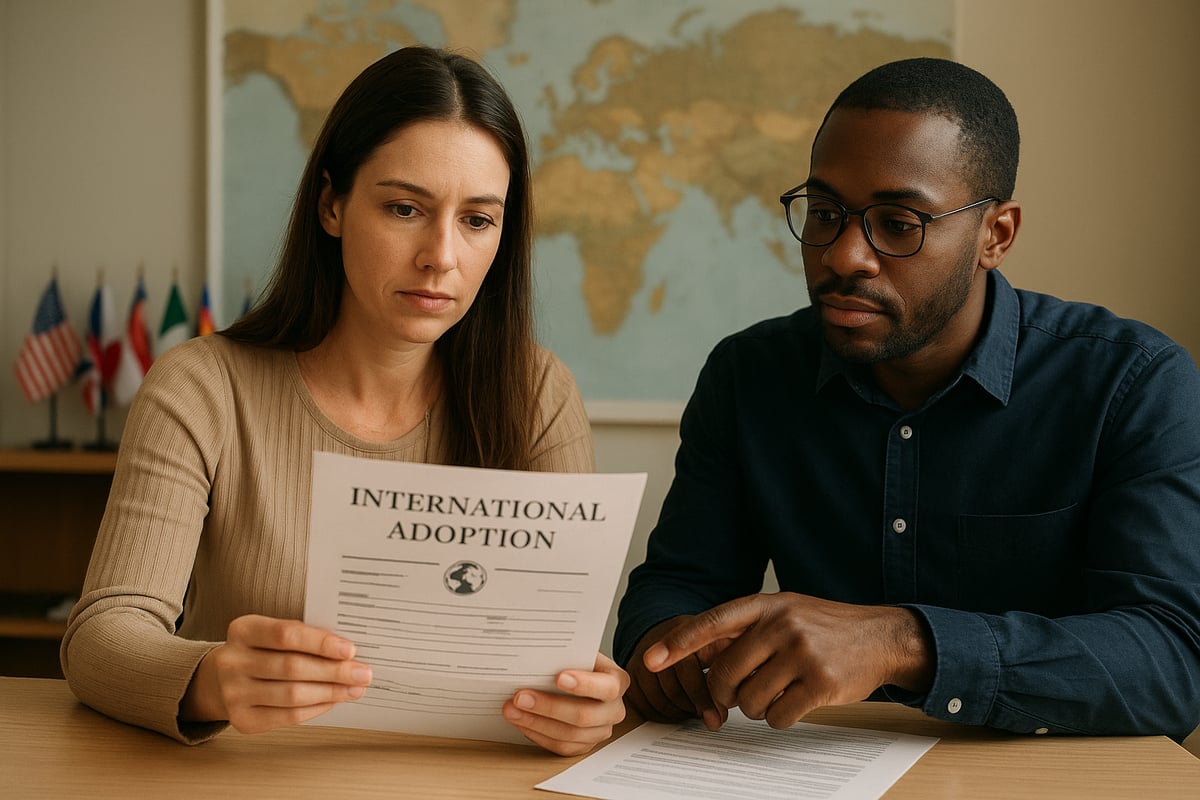
International search adoption efforts often involve navigating a complex web of country-specific laws and practices. Some countries restrict access to adoption records, while others have embraced openness, making searches easier for adoptees and birth families. The table below summarizes common barriers found in popular intercountry adoption destinations:
| Country | Record Access Policy | Language Barrier | Agency Involvement Required |
|---|---|---|---|
| South Korea | Partial | Yes | Often |
| China | Limited | Yes | Yes |
| Guatemala | Restricted | Yes | Yes |
| Russia | Very restricted | Yes | Yes |
| Colombia | Increasingly open | Sometimes | Sometimes |
Language and cultural differences can make the search adoption process more complicated. Documents may be in another language, requiring translation, and cultural expectations around privacy or family reunion can differ widely. Having a cultural liaison or interpreter is often essential for clear communication and respectful outreach.
Legal requirements also vary greatly. Some countries require proof of citizenship, specific documentation, or the involvement of licensed agencies to begin a search adoption journey. Working with reputable international agencies or organizations like Holt International can provide crucial guidance and access to in-country networks. In 2024, over 181 children were united with adoptive families internationally, demonstrating the growing importance of global connections.
Navigating citizenship and documentation issues is another common hurdle. Adoptees may need to obtain:
- Certified copies of original adoption records
- Proof of citizenship or immigration status
- Translated legal documents
- Updated identification or passports
Ethical considerations are vital in every search adoption scenario. It is important to respect the privacy and wishes of all parties, especially in countries where cultural norms around adoption may differ from those in the United States. Sensitivity and patience are key to building trust and achieving meaningful connections.
To empower your search adoption efforts, stay informed about the latest trends and data. For comprehensive intercountry adoption statistics and context, the Adoption Data and Statistics resource is invaluable for understanding global patterns and challenges.
By preparing thoroughly, seeking the right support, and honoring ethical boundaries, you can make your international search adoption journey as successful and meaningful as possible.
Legal Rights, Privacy, and Ethics in Adoption Search
Understanding the legal landscape is essential for anyone beginning a search adoption journey. Laws and ethical guidelines shape what information is accessible, how it can be shared, and the boundaries that must be respected by adoptees, birth parents, and adoptive families.
Understanding Rights in Search Adoption
Each party in adoption has specific legal rights and responsibilities. These rights often depend on state or country law, and they directly affect how the search adoption process unfolds.
| Stakeholder | Typical Rights | Considerations |
|---|---|---|
| Adoptee | Access to non-identifying/identifying information | Varies by age, location, and consent laws |
| Birth Parent | Right to privacy or to be contacted | Consent may be required for data release |
| Adoptive Parent | Access to records for minor children | May participate in search for medical info |
Recent years have seen a growing number of states and countries revising laws to provide more access to adoption records. Some now allow adoptees direct access to their original birth certificates, while others require mutual consent before releasing identifying information.
Consent, Privacy, and Ethics
Consent is the cornerstone of ethical search adoption. In many jurisdictions, both adoptees and birth parents must agree before identifying information is shared. This protects the privacy of all involved, but can sometimes limit access to desired records.
For example, some states require written consent from both parties, while others have opened access to records without consent if certain criteria are met. This patchwork of laws can be confusing, so staying informed is crucial.
Balancing openness with privacy means respecting boundaries. Even when laws allow contact, it is vital to approach every situation with empathy and sensitivity. Ethical search adoption means honoring the wishes of those who may not be ready for contact or disclosure.
If you are unsure about your legal rights or need help navigating complex laws, consult a resource like Legal rights in adoption, which offers guidance on accessing records and understanding your options.
Navigating Disputes and Legal Challenges
Disagreements and legal hurdles can arise during a search adoption. Sometimes, records are incomplete, agencies are unresponsive, or parties disagree about contact. In such cases, advocacy organizations and legal aid can be invaluable.
Here are steps to protect yourself and others during the process:
- Always verify the latest laws in your state or country before starting your search adoption.
- Document every step and communication for future reference.
- Seek mediation or counseling if emotional or legal conflicts occur.
- Remember, non-identifying information is often available even when identifying details are sealed.
Advocacy groups and legal professionals can help you navigate disputes and ensure your rights are respected. As more states open access to adoption records, opportunities for connection are expanding, but so are the complexities.
By staying informed, seeking expert support, and honoring ethical standards, you can make your search adoption journey empowering and respectful for everyone involved.
Expert Tips for a Successful Adoption Search in 2026
Starting a search adoption journey in 2026 can feel overwhelming, but the right strategies and mindset make all the difference. With more tools, data, and support available than ever, you can move forward with clarity and confidence.
Prepare Thoroughly Before You Start
Begin your search adoption process by gathering every piece of information you can. Collect adoption records, non-identifying details, and any paperwork your family or agency may have. Even seemingly small facts can unlock big discoveries later.
Make a checklist of what you have and what you need. Reach out to agencies or legal authorities for missing documents. Reviewing current adoption statistics, like those found in the Adoption Statistics Infographic, helps you understand trends and set realistic expectations for your search adoption experience.
Combine Traditional and Digital Tools
Successful search adoption journeys now blend old and new methods. Start by registering with state or national adoption registries. Next, explore DNA testing platforms, which can connect you to biological relatives worldwide.
Use social media thoughtfully to expand your network. Join online adoption communities for peer advice and support. Combining these resources increases your chances of finding connections and makes your search adoption journey more robust.
Build Your Support System
Emotional support is essential at every stage of search adoption. Connect with counselors specializing in adoption reunions and join support groups, both in-person and online. These communities can help you process emotions, manage setbacks, and celebrate milestones.
Ask trusted friends or family to be part of your journey. Their encouragement will keep you grounded and motivated, especially during challenging moments.
Stay Informed and Persistent
Laws and policies around search adoption are constantly evolving. Stay up to date with changes in your state or country, as new legislation may open previously sealed records or alter consent requirements.
Persistence pays off. Many successful reunions take months or even years. If you hit a roadblock, consult resources like the Adoption Pulse Check Survey Report to learn how others have navigated obstacles and find new avenues to pursue.
Respect Boundaries and Consent
Respect is at the core of every successful search adoption. Always honor the privacy and wishes of all parties involved, including birth relatives, adoptive families, and agencies. Ask for consent before sharing or requesting sensitive information.
Be prepared for different comfort levels. Some relatives may need more time or space before engaging, so patience is vital to maintaining trust and positive relationships.
Document and Reflect on Your Journey
Keep a journal or digital record of your search adoption steps, findings, and emotional responses. This documentation not only helps organize your process but also provides a valuable resource for reflection and future reference.
Consider creating a timeline or checklist to track progress. Many adoptees have found this practice therapeutic, especially when navigating both breakthroughs and setbacks. In 2024, over 4,800 adoptees and families accessed post-adoption services, showing the value of ongoing support and reflection throughout the search adoption journey.
As you take your first steps in the adoption search journey, remember you don’t have to figure it all out alone. Whether you’re an expectant mom weighing your options or someone seeking expert support, starting with the right information can make all the difference. We know how overwhelming this process can feel, which is why we’ve helped countless families and individuals just like you find clarity and confidence. If you’re considering adoption and want compassionate guidance on legal, financial, and emotional aspects, grab your Free Expectant Mother Guide. It’s a practical first step filled with insights and support—because you deserve to feel prepared and empowered.