


Infants Waiting for Adoption Guide: Your Essential 2026 Handbook
Every year, thousands of hopeful families and vulnerable infants waiting for adoption hold onto the dream of finding each other. Are you ready to begin this life-changing journey? This definitive 2026 handbook is designed to guide you through every step, offering the latest insights and support for anyone considering adoption.
We created this guide to empower adoptive families and expectant mothers with up-to-date, actionable information. Inside, you’ll discover the current landscape of infant adoption, legal and emotional considerations, a step-by-step process, tips for preparing for placement, and essential post-adoption support. Dive in, and let your adoption journey start today.
Understanding Infants Waiting for Adoption in 2026
Every year, the landscape for infants waiting for adoption shifts as new trends, policies, and family needs emerge. In 2026, understanding who these infants are, why they are waiting, and how families can help is crucial for making informed, compassionate decisions.
Demographics and Trends
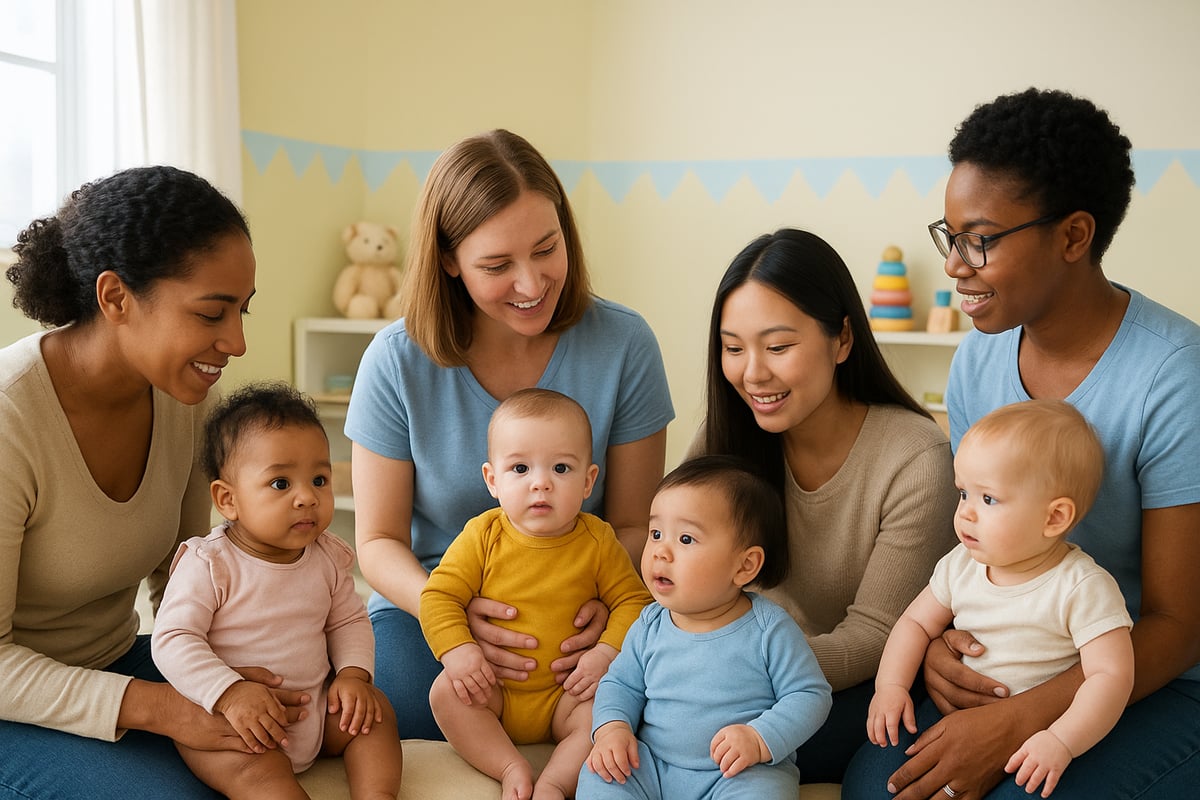
In 2026, the number of infants waiting for adoption in the U.S. remains steady, with thousands seeking permanent families. Globally, international adoptions have declined, while domestic placements hold strong. Open adoption now accounts for the majority of placements, reflecting birth mothers’ growing preference for ongoing contact.
Most infants waiting for adoption are newborns or under one year old. Many are healthy, though some face medical or prenatal challenges. Transracial and interstate adoptions are on the rise, broadening opportunities for both families and children. Policy changes, such as streamlined interstate processes, have helped reduce wait times for infants waiting for adoption.
Reasons Infants Become Available for Adoption
The circumstances leading to infants waiting for adoption are varied. Unplanned pregnancies remain a leading cause, often influenced by economic hardship or limited support systems. Some birth parents face health issues or life changes that make parenting impossible at the time.
Adoption professionals note that societal attitudes are evolving, with more birth mothers seeking open adoption arrangements. Factors like age, education, and future goals play a significant role in the decision to choose adoption. Recent surveys highlight that many birth parents want a voice in selecting families for their infants waiting for adoption.
Types of Infant Adoption
Families exploring adoption will encounter several pathways, each with unique features. Domestic infant adoption involves adopting a baby born in the U.S. Foster-to-adopt starts with temporary foster care and may lead to permanent placement. International adoption, while less common today, involves adopting from abroad.
The Types of adoption explained resource breaks down the differences in process, wait times, and legal requirements for each path. Prospective parents should weigh pros and cons, such as the openness of the process, travel needs, and support available for infants waiting for adoption. Real-life stories reveal no one-size-fits-all solution.
Challenges and Myths
Despite widespread belief, there are still infants waiting for adoption in the U.S. Misconceptions like “only older children are available” persist. Some infants may have health challenges or prenatal exposure to substances, requiring extra care and resources.
Families face hurdles like high costs, lengthy wait times, and strict eligibility rules. Statistics show that while some adoptions do disrupt, the majority of infants waiting for adoption are placed successfully in loving homes. Access to counseling and support groups helps families manage these challenges.
The Role of Agencies and Facilitators
Licensed agencies, attorneys, and facilitators play a key role in connecting families with infants waiting for adoption. Choosing an ethical, transparent agency is critical to a positive experience. Regulatory oversight varies by state, so it is important to verify credentials and understand local standards.
Agencies are responsible for matching, home studies, and supporting both adoptive and birth parents. They also ensure that the adoption process prioritizes the best interests of infants waiting for adoption. Ethical practice and clear communication are the foundation for successful, lasting placements.
The Legal and Ethical Landscape of Infant Adoption
Navigating the legal and ethical landscape is crucial for families and birth parents considering infants waiting for adoption. Understanding the rules, rights, and responsibilities helps ensure a smooth journey, protects everyone involved, and lays the foundation for a positive adoption experience.
Adoption Laws and Regulations in 2026
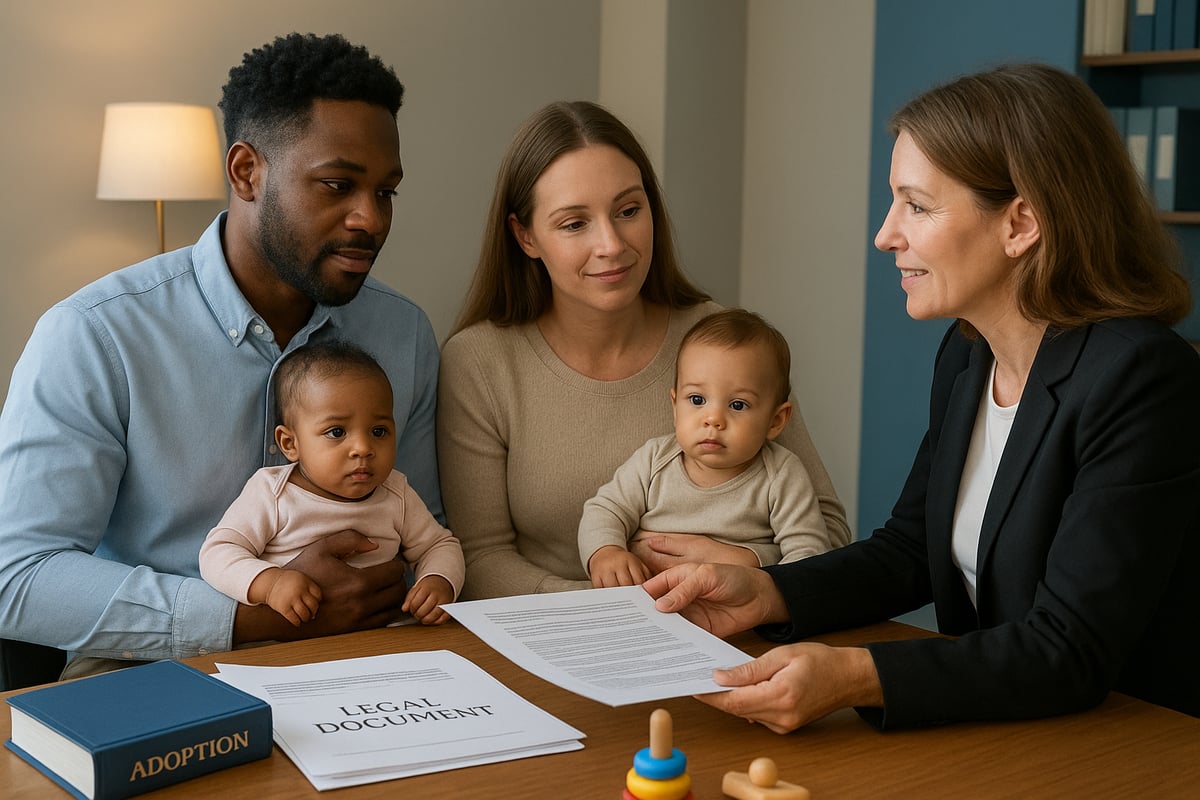
The adoption process for infants waiting for adoption is governed by a mix of federal and state regulations. Each state sets specific requirements for consent, waiting periods, and finalization timelines. Recent updates in 2026 include shorter revocation periods in some states and streamlined interstate adoption procedures.
Families must understand differences in laws, such as how birth parent consent is obtained and when it can be revoked. Legal professionals guide adoptive families through background checks, court appearances, and documentation. Staying informed on current laws ensures all steps are followed, protecting the rights of infants waiting for adoption and the integrity of the adoption process.
Ethical Considerations and Best Practices
Ethical adoption practices are essential for the well-being of infants waiting for adoption. Agencies and attorneys should prioritize transparency and honesty, giving birth parents clear, accurate information about their rights and choices. Informed consent is a non-negotiable step.
Positive adoption language helps everyone involved feel respected and valued. Agencies should avoid coercion, ensure expectant mothers have counseling, and provide support throughout the process. For infants waiting for adoption, ethical practices mean their best interests always come first, with adoptive families and birth parents given equal respect and dignity.
Protecting Birth Parents’ and Infants’ Rights
Safeguarding the rights of both birth parents and infants waiting for adoption is a legal and moral imperative. Birth parents have the right to make informed decisions, access counseling, and change their minds within defined timeframes.
Infants waiting for adoption are protected by child welfare laws ensuring their safety and well-being. Agencies must follow strict procedures for placement and provide post-placement supervision. Real-life cases show that respecting these rights leads to more stable and successful adoptions, reducing risks of disruption and ensuring a secure future for infants waiting for adoption.
Open vs. Closed Adoption: Legal Implications
Legal enforceability of open adoption agreements varies widely by state. Some states recognize these agreements in court, while others treat them as moral but not legal contracts. For infants waiting for adoption, open arrangements can support healthy identity development and ongoing relationships with birth families.
Contact agreements typically outline the frequency and type of communication, offering structure and clarity. To better understand how these arrangements work and their impact on infants waiting for adoption, explore Understanding open adoption for practical insights and legal perspectives.
Avoiding Scams and Unethical Practices
Unfortunately, scams and unethical actors target families seeking infants waiting for adoption. Warning signs include promises of guaranteed matches, high upfront fees, and lack of transparency. Always verify agency credentials with state licensing bodies.
Families should ask for references, check professional affiliations, and be wary of facilitators who rush decisions. Reporting concerns to regulatory authorities protects everyone involved. Staying vigilant ensures that infants waiting for adoption are matched with loving families through safe, ethical, and legal means.
Step-by-Step Guide to Adopting an Infant in 2026
Embarking on the path to adopt one of the many infants waiting for adoption can be both exciting and overwhelming. This step-by-step guide demystifies the process, ensuring you feel prepared and confident at every stage.
Deciding if Adoption is Right for You
Choosing to pursue adoption is a life-changing decision, especially when considering infants waiting for adoption. Begin with honest conversations about your motivations, concerns, and readiness for the lifelong commitment.
Reflect on your emotional, financial, and lifestyle situation. Consider questions like:
- Are you open to all backgrounds or specific needs?
- Have you discussed adoption with close family?
- Are you prepared for the unique joys and challenges?
Many families benefit from counseling or support groups to explore their readiness. Understanding your “why” helps you move forward with confidence and empathy for the infants waiting for adoption.
Choosing the Right Adoption Pathway
With several paths available, selecting the best fit for your family is key. You’ll encounter three main options for infants waiting for adoption: agency adoption, private adoption, and foster-to-adopt.
Compare factors such as:
- Timeline: Some pathways have shorter waits or more predictability.
- Cost: Expenses can vary widely.
- Level of openness: Decide if you want ongoing contact with birth parents.
Real-life stories show that families who research and match their values to the right pathway are more satisfied with their experience and the outcome for the infants waiting for adoption.
Completing the Home Study
Every adoption journey for infants waiting for adoption must include a home study. This thorough review by a licensed social worker ensures your home is safe and you’re ready for parenting.
Expect:
- Background checks for all adults in the home
- Reference letters and medical reports
- In-depth interviews about your family, lifestyle, and motivations
Prepare by gathering documents early and being honest during interviews. A positive home study sets the stage for a smooth process and shows your commitment to providing a loving home for infants waiting for adoption.
Preparing Your Adoption Profile
An adoption profile is your introduction to birth parents of infants waiting for adoption. It’s your chance to share your story, values, and what makes your family unique.
Tips for a compelling profile:
- Use warm, recent photos
- Write authentically about your daily life
- Highlight traditions, interests, and support networks
Birth mothers often look for honesty and emotional openness. Avoid clichés and focus on what you can offer infants waiting for adoption. Review examples from your agency to see what stands out.
Matching with an Infant
The matching stage is where hopeful families connect with infants waiting for adoption. Matches occur through agencies, networking, or attorney-led processes.
Timelines can vary, but flexibility and openness often speed up matches. Agencies may present your profile to several birth mothers. For a detailed walkthrough of this process, visit The adoption process step-by-step.
Stay patient and proactive. The right match for infants waiting for adoption often comes when you least expect it, so keep your heart open and support lines active.
Navigating the Placement Process
Placement is when you meet the infant and begin the transition to parenthood. For infants waiting for adoption, this can involve hospital visits, legal paperwork, and meetings with birth parents.
Key steps include:
- Creating a hospital plan with your agency and birth parents
- Attending counseling sessions to manage emotions
- Completing required paperwork for temporary custody
Remember, this stage is emotional for all involved. Rely on your agency’s support and focus on creating a gentle, respectful experience for the infants waiting for adoption.
Finalizing the Adoption Legally
Finalization is the legal step that makes you the permanent parent of infants waiting for adoption. This involves court hearings, post-placement visits, and final paperwork.
Expect:
- A judge’s review to ensure the adoption is in the child’s best interest
- Reports from social workers after placement
- Issuance of a new birth certificate
Once finalized, you gain full legal rights and responsibilities. Celebrate this milestone—it marks a new beginning for both your family and the infants waiting for adoption.
Tapestry Adoption: Comprehensive Support for Families
Tapestry Adoption is a trusted resource for families and birth mothers involved with infants waiting for adoption. As a licensed, ethical agency, Tapestry provides:
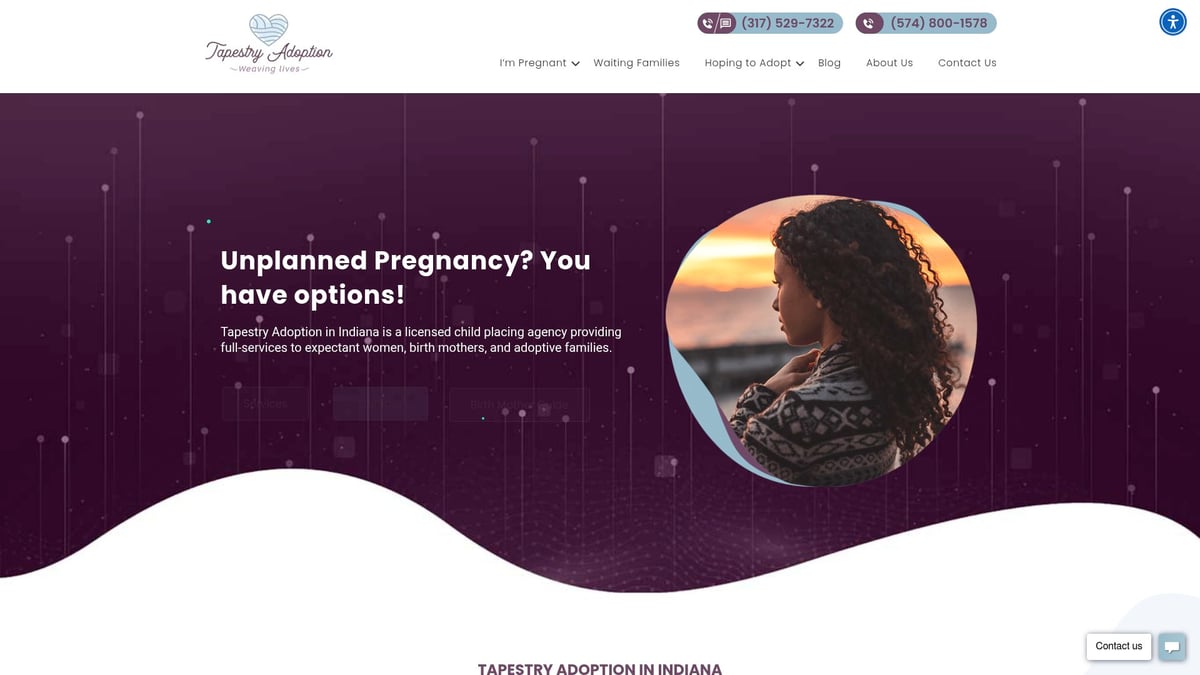
- Home studies and adoption education
- Counseling and emotional support for all parties
- Legal and financial guidance tailored to expectant mothers
Their transparent, faith-based care ensures birth mothers never pay fees. Personalized adoption plans and nationwide services make them a standout choice for those seeking to welcome infants waiting for adoption into their homes.
Common Challenges and How to Overcome Them
Adopting infants waiting for adoption can present obstacles, but being prepared helps. Common challenges include long wait times, failed matches, and emotional ups and downs.
To overcome these:
- Join support groups for real-life advice
- Work closely with your agency or counselor
- Stay flexible and patient throughout the process
Statistics show that most families eventually succeed, and support networks make a big difference. Remember, every step brings you closer to changing the life of infants waiting for adoption.
Preparing for Placement and Parenting an Adopted Infant
Welcoming infants waiting for adoption into your family is an exciting, life-changing journey. Preparation is key to ensuring a smooth transition and building a strong foundation for your child’s future. Let’s explore how to emotionally, physically, and practically prepare for this incredible step.

Emotional Preparation and Family Readiness
Preparing your heart and mind for infants waiting for adoption is just as crucial as preparing your home. Start by reflecting on your expectations and discussing them openly with your partner or support network. Pre-adoption counseling can help you process any anxieties and set realistic hopes for the journey ahead.
Involve siblings and extended family early. Share age-appropriate information, encourage open conversations, and address any concerns. Building a strong support system ensures everyone feels included and ready for the changes. Emotional readiness lays the groundwork for a smooth transition and lasting attachment.
Setting Up Your Home for an Infant
Creating a safe, welcoming space is essential for infants waiting for adoption. Begin with the basics: a secure crib, car seat, diapers, formula, and clothing. Baby-proof your home by securing cabinets, covering outlets, and removing hazards.
Think about comfort, too. Soft lighting, soothing colors, and a designated feeding and changing area can help your new arrival feel at home. For more detailed tips and a comprehensive checklist, visit the Newborn and infant adoption info resource. Preparation not only meets practical needs but also signals your readiness to nurture and protect.
Bonding and Attachment Strategies
Bonding with infants waiting for adoption may look different for each family, but intentional efforts make a big difference. Start with skin-to-skin contact, gentle rocking, and talking softly to your baby. Establish consistent daily routines to build trust and predictability.
Responsive caregiving—promptly meeting your baby’s needs—helps foster secure attachment. Research shows that early bonding activities support healthy brain development and emotional well-being. Be patient with yourself and your child, and remember that attachment grows over time with love and consistency.
Navigating Relationships with Birth Parents
For many infants waiting for adoption, open communication with birth parents is part of the adoption plan. Building a respectful relationship starts with clear boundaries and honest conversations. Discuss expectations about contact frequency and the types of updates you’ll share.
Successful ongoing contact benefits everyone. Adoptive families can gain valuable insights into their child’s background, and birth parents can feel reassured about their child’s well-being. Flexibility and empathy are key to maintaining positive, long-term connections.
Managing Medical and Developmental Needs
Infants waiting for adoption often require immediate medical evaluations after placement. Schedule a thorough check-up with a pediatrician to assess growth, nutrition, and any health concerns. Early screenings can identify needs related to prenatal exposure or trauma.
Stay proactive about vaccinations, follow-up appointments, and developmental milestones. If challenges arise, seek resources like early intervention services or pediatric specialists. Prioritizing your child’s health from day one ensures the best possible start for your new family member.
Post-Adoption Support and Resources
The journey does not end when infants waiting for adoption find their forever families. Post-adoption support is crucial for helping everyone adjust, thrive, and grow together. The right resources empower families to navigate challenges confidently and build strong lifelong bonds.
Accessing Post-Adoption Counseling and Support
Support does not stop at placement for families with infants waiting for adoption. Emotional adjustment is a shared process for parents and children. Access to professional counseling, family therapy, and peer support groups can make a significant difference.
According to the Adoption by the Numbers Report, ongoing support improves outcomes for adoptive families. Many agencies offer post-adoption services, including crisis intervention and educational workshops. Do not hesitate to reach out—proactive support creates healthier family dynamics and helps infants waiting for adoption flourish.
Navigating Identity and Adoption Conversations
Talking openly about adoption is essential for children’s healthy identity development, especially for infants waiting for adoption as they grow. Age-appropriate conversations help your child understand their story and feel secure.
Using resources like the Open Adoption Overview, you can learn how open communication benefits everyone involved. Encourage questions and celebrate your child’s unique background. As infants waiting for adoption mature, these honest discussions foster trust and lifelong confidence.
Legal and Financial Considerations After Adoption
Once adoption is finalized, there are important legal and financial steps to complete. This includes securing a new birth certificate, updating your child’s legal name, and ensuring all paperwork is accurate. Many families of infants waiting for adoption benefit from understanding adoption tax credits and possible state benefits.
Consult a qualified attorney to make sure your family’s legal needs are met. Planning for your child’s future, including wills and guardianship, helps ensure long-term security for infants waiting for adoption.
Community and Online Support Networks
Building community connections supports families and infants waiting for adoption. Local adoption support groups, national organizations, and online forums offer advice, empathy, and shared experiences.
Websites and communities, such as AdoptUSKids and Child Welfare Information Gateway, provide valuable resources. Social media groups can connect you with others who understand the joys and challenges of raising infants waiting for adoption. Being part of a supportive network makes the journey less isolating and more fulfilling.
Continuing Education and Advocacy
Staying informed about best practices, changing laws, and new research is vital for families of infants waiting for adoption. Attend workshops, join webinars, and read up-to-date guides to keep your knowledge fresh.
Advocating for ethical adoption and supporting other families enhances the entire adoption community. Share your story, volunteer, or participate in awareness campaigns to help more infants waiting for adoption find loving homes. Your journey can inspire and empower others, making a lasting difference.
As you explore the journey of infant adoption in 2026, it’s normal to have questions, hopes, and maybe even a few worries. We know every decision you make is about creating the best possible future for your family and your child. That’s why we believe knowledge is power—especially when it comes to an experience as meaningful as adoption. If you’re an expectant mom considering adoption, or you just want clear, compassionate advice, you deserve answers you can trust. Take the next step with confidence by downloading our Free Expectant Mother Guide—it’s packed with expert tips, real stories, and support to help you make the choice that’s right for you.