



Home Study for Foster Care Guide: What to Expect in 2026
Are you thinking about opening your heart and home to a child in need in 2026? The journey begins with the home study for foster care, a step that can feel intimidating but is truly your pathway to making a difference.
Many future foster parents worry about what the home study for foster care involves or if they’ll pass. This guide will break down every stage, from new requirements to practical steps, so you know exactly what to expect. The foster care system is searching for compassionate families now more than ever.
With the right knowledge and preparation, you can approach the home study for foster care with confidence. Ready to see how you can change a child’s life? Read on for your essential 2026 guide.
What Is a Foster Care Home Study?
Becoming a foster parent is a meaningful commitment, and the home study for foster care is the first major milestone on your path. But what does this process really involve? Understanding the ins and outs can help you move forward with confidence, knowing exactly what to expect and how to prepare.

Definition and Purpose of a Home Study
A home study for foster care is a comprehensive evaluation designed to ensure that prospective foster parents and their homes meet all legal and safety standards. This process is required in every state before you can welcome a child into your care. It involves a licensed social worker or agency representative visiting your home, meeting your family, and reviewing your living environment.
The main goal is to confirm that your home provides a safe, stable, and nurturing setting for children. The home study for foster care also helps agencies match children with families who are best equipped to meet their needs. It lays the groundwork for a positive, supportive foster care experience for everyone involved.
Key Components of the Home Study
During the home study for foster care, you will complete several important steps. These include:
- Background checks and fingerprinting for all adults in the home
- In-depth interviews with every household member
- A review of your finances, employment, and health status
- A thorough safety inspection of your home and property
- Collection of personal references and supporting documents
Each element of the home study for foster care is designed to build a complete picture of your family’s readiness. For a detailed list of requirements, you can review the Foster Care Licensing Requirements in Indiana, which outlines what agencies typically look for nationwide.
Why Home Studies Matter in 2026
The home study for foster care is more important than ever in 2026. With rising numbers of children entering foster care, agencies are looking for families who are not just loving, but also well-prepared. New standards emphasize trauma-informed care and mental health awareness, ensuring that foster parents can support children who may have experienced significant challenges.
Diversity and inclusion are also key. Agencies want foster parents to respect and celebrate each child’s cultural background. In 2026, technology will play a bigger role in the home study for foster care, with digital applications and virtual interviews streamlining the process and ensuring compliance with updated regulations.
Types of Home Studies (Foster vs. Adoption)
Not all home studies are the same. The home study for foster care is distinct from adoption home studies, although there is often overlap. Foster care studies focus on temporary placements and reunification, while adoption studies emphasize permanency and long-term fit. There are also specialized home studies for kinship care, respite care, and emergency placements.
Requirements and documentation can vary by state. For example, Indiana requires separate home studies for foster care and adoption. This ensures that the unique needs of each child and family situation are fully considered before placement.
2026 Foster Care Home Study Requirements: What’s New and What’s Standard
Getting ready for a home study for foster care in 2026 means understanding both new changes and long-standing expectations. Agencies are updating their processes, so being informed is your best strategy for success. Let’s break down what you’ll need to know and do.

Updated Legal and Regulatory Standards
Federal and state laws set the foundation for every home study for foster care. In 2026, expect even stricter background checks and a shift toward digital documentation. States now require more extensive training in trauma-informed care, cultural sensitivity, and online safety.
Agencies are rolling out new digital platforms for submitting applications and tracking your progress. For example, in 2025, there was a 12 percent increase in digital application submissions, showing the trend toward streamlined, paperless processes. Some states have introduced specific updates, such as mandatory online safety modules and stricter fingerprinting protocols. Staying current with these changes is vital, no matter where you live.
Home Environment and Safety Criteria
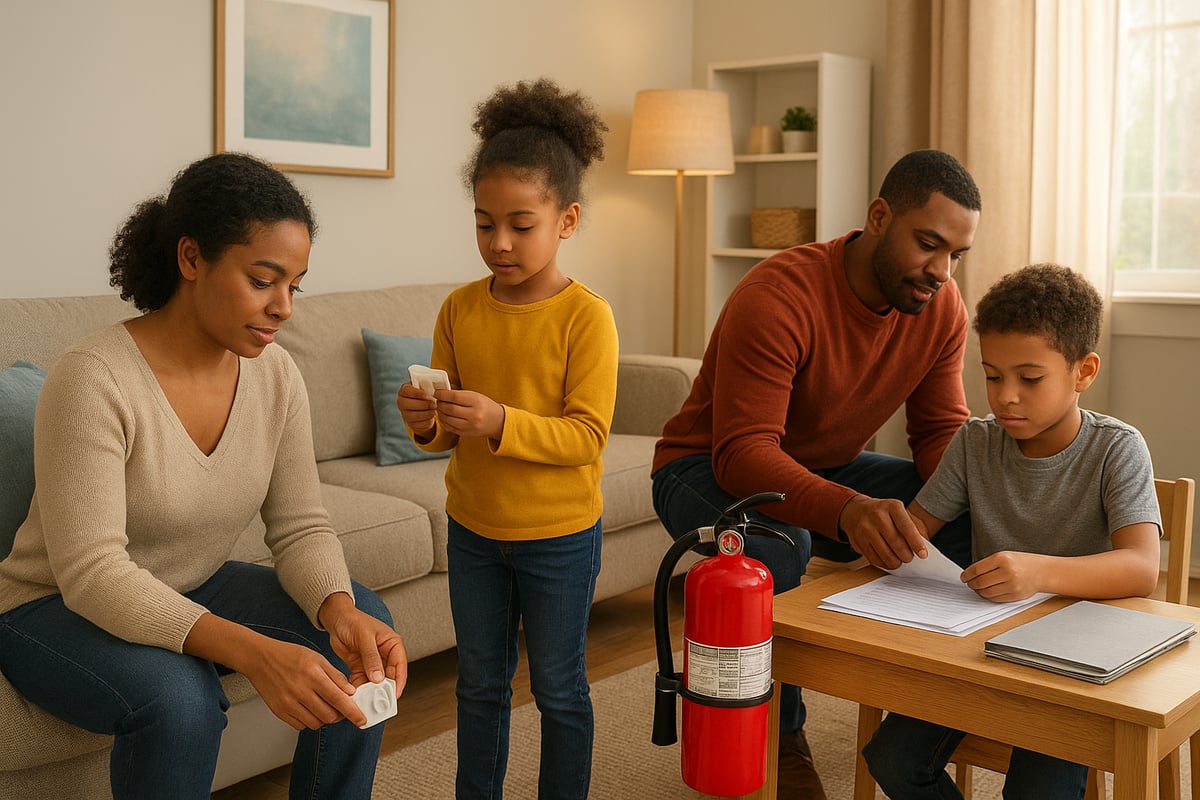
A safe, welcoming environment is non-negotiable in the home study for foster care. Inspectors will look for childproofing steps like outlet covers, window guards, and safety gates. Secure storage of medications, alcohol, and cleaning products is a must.
Fire safety is also under the microscope. Working smoke detectors, fire extinguishers, and clear evacuation plans are required in every home. While a bit of clutter is understandable, unresolved safety hazards are a dealbreaker. Agencies want to see that your living space is clean, well-maintained, and ready to support a foster child’s needs.
Financial, Health, and Lifestyle Assessments
Stability is key in the home study for foster care. Agencies will request proof of steady income and current employment. You don’t need to be wealthy, but you must show you can meet a child’s basic needs.
All household members will need up-to-date medical exams, and some agencies may require mental health screenings. Inspectors will also ask about your lifestyle, including smoking habits, pets, and how you plan to ensure digital safety for teens. This holistic approach helps confirm your home is a healthy, stable environment for fostering.
Documentation and Background Checks
Paperwork is a big part of the home study for foster care, so organization is crucial. You’ll need to provide identification, birth and marriage certificates, financial records, and reference letters. Agencies conduct criminal background checks and review child abuse and neglect registries for all adults in the home.
Reference checks from non-family members are standard, and some states now require digital uploads of all documents. For more details on what’s involved, see this overview of background checks in Indiana adoption, which outlines procedures that often mirror those for foster care home studies.
Training and Education Requirements
Training is a cornerstone of every home study for foster care. You’ll be asked to complete between 10 and 30 plus hours of pre-service training, covering topics like trauma-informed care, discipline, and cultural awareness. CPR and first aid certification are usually required.
Ongoing education is now standard, with annual training updates to keep foster parents equipped for changing needs. Virtual learning options have expanded, making it easier to fit training into your schedule. These requirements help ensure you are prepared for the realities of fostering in 2026.
Step-by-Step: The Foster Care Home Study Process in 2026
Preparing for a home study for foster care can feel like navigating a maze, but breaking it into clear steps makes the process manageable. Each stage serves a purpose, helping both you and the agency ensure the best fit for a child in need. Here’s what to expect at every step.

Step 1: Application and Initial Screening
The journey begins with an application, either through your local agency or an online portal. During this stage, you’ll answer basic questions about your household, background, and motivation for fostering.
- Provide contact details and household information
- Confirm you meet minimum requirements (age, space, residency)
- Participate in a phone or virtual pre-screening
Red flags, like unresolved criminal history or major health issues, are identified early. Virtual pre-screenings are increasingly common in the home study for foster care process, streamlining eligibility checks and saving time for everyone.
Step 2: Gathering and Submitting Documentation
Next, you’ll collect and submit essential paperwork. Agencies typically provide a detailed checklist, making it easier to organize documents like IDs, proof of income, and health records.
- Gather birth certificates, marriage licenses, and financial statements
- Complete background check forms for all adults
- Submit reference letters from non-family members
Timely submission is crucial. Many agencies now use digital platforms for uploading and tracking documents, helping you stay on top of your home study for foster care requirements and avoid unnecessary delays.
Step 3: Home Inspection and Safety Review
A licensed social worker schedules a visit to inspect your home environment. The focus is on safety, cleanliness, and space for a foster child.
- Walkthrough of every room to check for hazards
- Verification of working smoke detectors and fire extinguishers
- Review of sleeping arrangements and emergency plans
You’ll receive feedback on any needed improvements. Across the country, states like Texas outline these expectations in detail, as seen in the Home Study Guidelines in Texas. Remember, the home study for foster care prioritizes safety over perfection—minor clutter isn’t a dealbreaker.
Step 4: In-Depth Interviews and Family Assessment
Interviews are a core part of the home study for foster care. Social workers meet privately and as a group with everyone in your household.
- Discuss your motivation and readiness to foster
- Explore family dynamics, routines, and discipline approaches
- Address sensitive topics like past trauma or mental health
Typical questions include: “How will you support a child’s cultural background?” and “What challenges do you anticipate?” Openness and honesty are valued, not perfect answers.
Step 5: Reference Checks and Background Verification
Agencies verify your references and background to confirm your suitability for fostering. This part of the home study for foster care ensures child safety and agency compliance.
- Contact personal and professional references
- Confirm employment and income stability
- Follow up on flagged background check results
Delays often occur if references are incomplete or unreachable, so double-check your contact list before submitting. Agencies may request additional references if any concerns arise.
Step 6: Final Evaluation and Report Compilation
Finally, the social worker compiles a comprehensive report summarizing your strengths, concerns, and overall readiness. This report is essential for the home study for foster care approval process.
- Review and correct any factual errors
- Submit the report to the agency or court for final approval
- Receive feedback and next steps
The entire process—from application to approval—typically takes 60 to 120 days. With preparation and transparency, you can navigate each step confidently and move closer to welcoming a child into your home.
Preparing Your Home and Family: Practical Tips for Success
Getting ready for a home study for foster care takes more than paperwork. It means preparing your environment, your mindset, and your family for a life-changing journey. Here are practical tips to help you shine in every area of the process.
Childproofing and Safety Measures
Safety is the first thing a social worker will check during your home study for foster care. Take a walkthrough of your home and look for common hazards.
- Install outlet covers, cabinet locks, and window guards.
- Secure stair gates and keep small objects out of reach.
- Store cleaning supplies, knives, medications, and alcohol in locked cabinets.
If you have pets, ensure they are friendly and have up-to-date vaccinations. For families with teens, set up parental controls on devices and discuss digital safety rules. Ask a parent friend for advice if you are new to childproofing. Remember, small messes are okay, but unresolved safety risks can delay approval.
Organizing Paperwork and Legal Documents
One major challenge in the home study for foster care is keeping documents organized. Create a dedicated binder or digital folder for everything you collect.
- Make copies of all original documents and keep them handy.
- Prepare health and vaccination records for every household member.
- Sign forms ahead of meetings to avoid last-minute stress.
- Use a checklist to track what you have submitted.
Staying organized streamlines the process and shows the agency you are reliable. Aim to have every document ready before deadlines to prevent delays.
Preparing for the Interview: What Social Workers Want to Know
The interview is a crucial part of your home study for foster care. Social workers want to learn about your motivations, strengths, and family dynamics.
Reflect on why you want to foster, and be honest about any concerns or past challenges. Highlight your support network, stable relationships, and flexibility. Be ready to discuss your approach to discipline, routines, and cultural awareness.
Practice answering common questions, such as why fostering is important to you, or how you will support a child’s identity. Preparation helps you share your story with confidence.
Family and Household Readiness
Open communication is key for a successful home study for foster care. Talk openly with every member of your household about what fostering will mean.
Set clear expectations, address any fears, and involve everyone in planning for changes to routines or privacy. Identify your support system—friends, relatives, or community groups—who can help during challenging times.
Agencies value transparency and teamwork. Taking time to prepare your family demonstrates commitment and resilience, two qualities that help children thrive.
Managing Stress and Expectations
The home study for foster care can be emotional, and sometimes intrusive. Stay organized to reduce overwhelm and reach out for support when needed.
Connect with foster parent groups, mentors, or online communities. Remember, agencies understand that nobody is perfect. According to a 2025 survey, 67% of new foster parents reported stress as a top challenge. For additional guidance on trauma-informed preparation, check out Indiana resources for trauma-informed parenting.
Most importantly, take care of your own well-being so you can provide a stable environment.
Common Pitfalls and How to Avoid Them
Avoid these common mistakes during your home study for foster care:
- Missing paperwork or deadlines.
- Overlooking safety hazards in living areas.
- Not preparing for the interview or being vague in your answers.
- Failing to get everyone in your household on board.
- Not asking questions when you are unsure.
If you run into obstacles, remember that agencies want to help you succeed. Reach out early and stay proactive to keep your process on track.
The Home Study Interview: Questions, Red Flags, and How to Shine
Preparing for the home study for foster care interview can feel intimidating. However, knowing what to expect and how to present your strengths makes a huge difference. This section will guide you through interview topics, address sensitive issues, identify red flags, and share actionable tips to help you stand out.
Common Interview Topics and Questions
During the home study for foster care, social workers want to get to know your family’s values, routines, and motivations. Expect questions about why you want to foster, your parenting style, and your approach to discipline. They’ll also explore your experience with children, especially those who may have experienced trauma or have special needs.
Be ready to discuss your support system, how you handle stress, and how you would manage crises. Social workers are also interested in your openness to fostering children from diverse backgrounds. Typical questions include:
- What inspired you to start the home study for foster care?
- How do you handle challenging behaviors?
- How will you support a child’s cultural identity?
- Who do you turn to for help in tough times?
These questions are not meant to trick you, but to ensure a safe and nurturing environment.
Sensitive Areas: Honesty and Transparency
One of the most important qualities during your home study for foster care interview is honesty. Social workers will ask about sensitive topics like past legal issues, mental health history, or previous substance use. If these apply to you, be upfront and explain how you’ve addressed or managed these challenges.
Transparency shows you are committed to the well-being of any child placed in your care. Agencies understand that no one is perfect. They are looking for self-awareness and a willingness to seek support when needed. If you’re unsure how to discuss a difficult topic, ask your social worker for guidance.
Remember, honesty during the home study for foster care process builds trust and sets the stage for a successful placement.
Red Flags and How to Address Them
Certain issues can raise serious concerns during your home study for foster care. These include unresolved criminal or child abuse history, inconsistent answers, or a lack of safe space for a child. Poor feedback from references can also be a warning sign.
If you anticipate any of these red flags, address them proactively with your social worker. Communication is key. For more details on how agencies conduct interviews and safety assessments, you can review the Home Study Process in Washington State for a practical example.
Remember, if a concern arises, most agencies will work with you to resolve it rather than disqualify you immediately.
Tips for a Successful Interview
Approaching your home study for foster care interview with confidence is possible with preparation. Be yourself and answer questions honestly. Highlight the unique strengths your family brings, such as flexibility, a strong support network, or experience with children.
Show that you are open to learning and adapting. Ask thoughtful questions about agency support, training, and available resources. Practicing answers with a friend or fellow foster parent can help you feel more comfortable.
Most importantly, let your genuine desire to provide a safe, loving home shine through during the home study for foster care interview.
Post-Interview: What Happens Next?
After your home study for foster care interview, you’ll typically wait for feedback or approval. Agencies may follow up with additional questions or ask for more documentation. Sometimes, you’ll receive written feedback or an improvement plan if changes are needed.
Use this time to complete any required training or gather outstanding paperwork. If you are asked to make adjustments, see it as a chance to strengthen your application. The journey does not end with the interview. Stay engaged, follow up with your agency, and prepare for the next steps, such as matching and placement.
Your proactive approach during the home study for foster care process can set you up for a positive outcome.
Frequently Asked Questions and Myths About Foster Care Home Studies
Are you wondering what to expect during a home study for foster care? If so, you are not alone. Many prospective foster parents have questions about the process, requirements, and what might prevent approval. Below, we answer the most common questions, clear up persistent myths, and share real-life encouragement for your journey.
Top FAQs from Prospective Foster Parents
Prospective parents often ask: Do I need to own my home? The answer is no, renting is allowed. Can single adults or LGBTQ+ individuals complete a home study for foster care? Absolutely, agencies welcome diverse families. If you have pets, you will need to show safe pet management. The process, from application to approval, usually takes 2 to 4 months. Concerned about past financial struggles? Agencies look for current stability, not wealth. For more details on specific requirements, check out the Pre-adoption home study requirements for Indiana and other states.
Debunking Common Myths
There are many myths about the home study for foster care that can discourage great families. You do not need to be perfect or have a spotless house. Agencies are interested in safety and stability, not perfection. Single people and non-traditional families can absolutely foster. Past mistakes, like financial issues or minor legal problems, do not equal automatic rejection. The process is not intended to weed people out but to ensure a safe, nurturing environment for children. Remember, messy rooms are not a dealbreaker, but unsafe conditions are.
Real-Life Examples and Success Stories
Many families have faced challenges during their home study for foster care and still succeeded. For example, Rachel and Matthew in Indiana initially struggled with paperwork and scheduling, but with guidance from their agency, they were approved and now foster two siblings. Most agencies provide support through checklists, reminders, and even peer mentors. In 2025, 80% of applicants who made requested changes during their home study for foster care were approved on a second review. If you are considering fostering to adopt, learn more about real experiences at Fostering to adopt in Indiana.
Where to Find Support and Resources
Support is crucial during your home study for foster care. Local and national organizations offer training, online forums, and helplines. Many agencies provide downloadable checklists and resource guides. Connecting with foster parent groups lets you share tips and encouragement. Community resources, such as parenting classes or home safety workshops, can help you feel more prepared. Always ask your agency for additional materials or local recommendations to make your journey smoother.
Trends and Future Outlook: Foster Care Home Studies in 2026 and Beyond
The landscape of the home study for foster care is rapidly evolving. As technology expands, families will see more options and support than ever before. Staying ahead of these trends can help you prepare, adapt, and thrive in the process.
Technology and Virtual Assessments
New technology is transforming the home study for foster care. Virtual interviews and digital document uploads are now mainstream, making the process more accessible. Secure online portals allow families to track their application status and submit paperwork from home.
- Video interviews reduce travel time and offer flexibility for busy households.
- Digital forms speed up the process and decrease errors.
- Secure portals provide real-time updates and reminders.
However, some families prefer in-person visits for a personal touch. Agencies have responded by offering both options. For guidance on virtual requirements, review Home Study Requirements in Virginia, which includes digital document standards. With a 12% increase in digital submissions last year, expect this trend to grow in your home study for foster care.
Evolving Standards and Support Systems
The home study for foster care now prioritizes trauma-informed and culturally competent care. Agencies require more training in digital safety and mental health. Flexible policies are emerging to welcome single parents, older adults, and LGBTQ+ families.
- Expanded pre-service and ongoing training is now standard.
- Online support groups and virtual workshops are widely available.
- Agencies offer tailored resources for different family types.
Ongoing support does not stop after approval. Foster parents receive annual training and new educational tools, ensuring that the home study for foster care stays current and responsive.
Meeting the Needs of Diverse Foster Families
Agencies are actively recruiting a broader range of families for the home study for foster care. Whether you are single, part of an LGBTQ+ couple, or a kinship caregiver, your unique strengths are valued.
- Matching children with families who share their culture and identity is a top priority.
- Support for kinship and relative caregivers has expanded.
- Both urban and rural areas need diverse foster homes.
By embracing diversity and inclusion, the home study for foster care process aims to create better matches and positive outcomes for every child.
Now that you know exactly what to expect in your 2026 foster care home study, you’re already ahead of the game. Preparing your home and family might feel overwhelming, but remember, support is out there every step of the way. We’ve helped countless families just like yours navigate the process with confidence, saving time, stress, and money along the journey. If you’re ready to take the next step toward fostering or adopting, don’t miss out on exclusive savings—get $100 Off Cost of Home Study and start your journey with expert guidance by your side. You’ve got this!