



Home Study for Adoption: Your Complete 2026 Guide
Starting your adoption journey brings excitement and anticipation, but it also requires navigating essential requirements that ensure the best outcomes for children and families. The home study for adoption stands as the most critical step in this process, serving as both an evaluation and an educational experience that prepares you for the realities of adoptive parenting. Whether you're pursuing infant adoption, international adoption, or stepparent adoption, understanding what this comprehensive assessment involves will help you approach it with confidence rather than anxiety. This detailed guide walks you through every aspect of the home study process, giving you the tools to prepare effectively and move forward on your path to welcoming a child into your family.
What Is a Home Study for Adoption
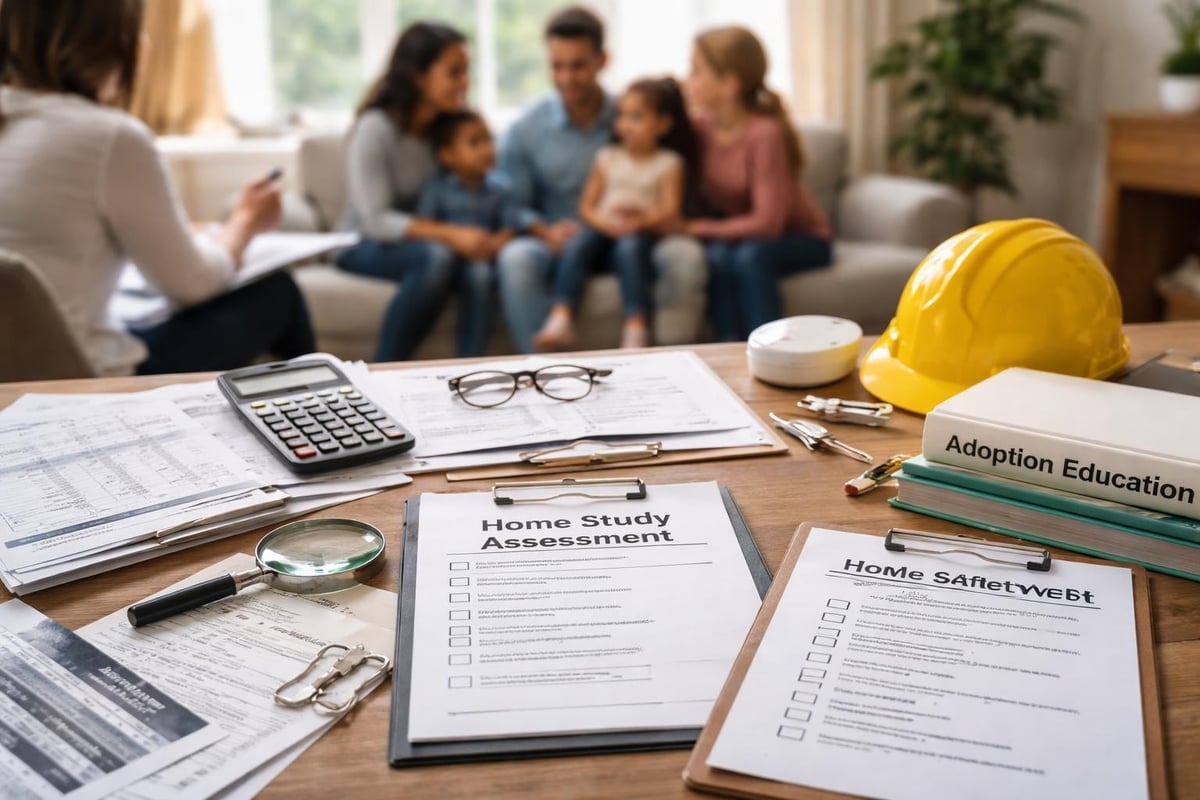
A home study for adoption is a comprehensive evaluation process required by law before any family can adopt a child. This assessment goes far beyond simply inspecting your home-it's a thorough review of your readiness to parent an adopted child.
The process examines multiple dimensions of your life, including your background, relationships, financial stability, home environment, and motivations for adoption. Licensed social workers conduct this evaluation to ensure that prospective adoptive families can provide safe, stable, and nurturing environments for children.
The home study serves three primary purposes:
- Protecting children by verifying that adoptive families meet safety and suitability standards
- Educating prospective parents about adoption-specific parenting challenges and resources
- Meeting legal requirements mandated by state and federal adoption regulations
For families working with tapestry adoption, the home study process is streamlined to support you every step of the way. Understanding adoption rights throughout this process ensures you're fully informed about your responsibilities and protections.
Required Components of the Home Study Process
Every home study for adoption must include specific components mandated by state and federal regulations. The USCIS suitability and home study requirements outline these essential elements for families pursuing intercountry adoption.
Personal and Family History Documentation
Your social worker will request extensive documentation about your personal history. This includes birth certificates, marriage certificates (or divorce decrees if applicable), medical reports confirming good health, and employment verification letters.
You'll also complete detailed questionnaires about your upbringing, significant life experiences, and how these have shaped your desire to adopt. The social worker wants to understand your support system, extended family relationships, and how you handle stress and conflict.
Background Checks and Safety Clearances
All adults living in your household must complete:
- FBI fingerprint-based criminal background checks
- State criminal history checks
- Child abuse and neglect registry clearances
- Sex offender registry searches
- Local law enforcement checks
These screenings protect children by identifying any concerning history that might make a home unsuitable. Most states require these checks to be completed within the past year, and some require annual updates if your adoption process extends beyond twelve months.
Financial Assessment and Stability Review
Contrary to common misconceptions, you don't need to be wealthy to adopt. The financial review simply ensures you have stable income sufficient to meet your family's current needs plus those of an additional child.
| Financial Document | Purpose | Typical Requirement |
|---|---|---|
| Tax Returns | Verify income history | Past 2-3 years |
| Pay Stubs | Confirm current earnings | Most recent 3 months |
| Bank Statements | Show financial management | 3-6 months |
| Budget Worksheet | Demonstrate planning | Current expenses + adoption costs |
Your social worker will discuss how you plan to handle adoption-related expenses and future childcare costs. They'll also verify you have adequate health insurance that will cover your adopted child.
Home Safety Inspection Requirements
The physical home inspection evaluates whether your living space meets basic safety standards. Don't panic-social workers aren't looking for perfection or luxury. They're confirming your home provides adequate space, proper safety measures, and a healthy environment.
Essential safety requirements include:
- Working smoke detectors on every level
- Carbon monoxide detectors near sleeping areas
- Secured or locked storage for medications, cleaning supplies, and firearms
- Safe sleeping space for the child
- Adequate heating, cooling, and ventilation
- Clean water supply and functioning plumbing
- Accessible emergency exits
Many families stress unnecessarily about the home visit. Your social worker has seen homes of all types and isn't judging your decorating choices or whether you have the latest appliances. They're simply ensuring a child will be safe and have their basic needs met.
The Timeline and Stages of Completing Your Home Study
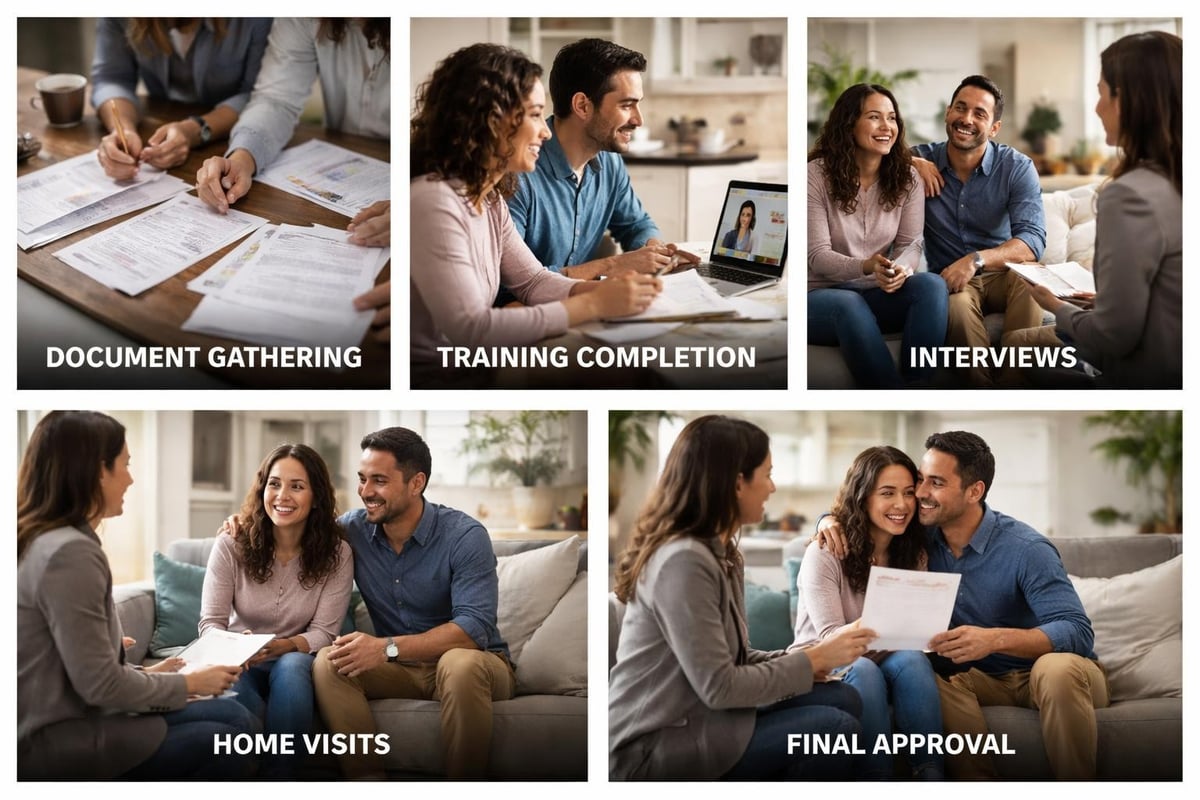
Understanding the typical timeline helps you plan accordingly and set realistic expectations. While the home study process varies by state and agency, most families complete it within three to six months.
Initial Application and Orientation
Your journey begins with submitting an application to your chosen agency or licensed social worker. Many agencies, including those offering Indiana home study services, start with an orientation session explaining what to expect.
During this phase, you'll receive extensive paperwork requesting personal information, references, and authorization forms for background checks. Getting organized early significantly speeds up this stage.
Educational Requirements and Training
Most states require prospective adoptive parents to complete pre-adoption education covering topics like attachment, trauma-informed parenting, transracial adoption considerations, and maintaining birth family connections in open adoption.
These educational sessions typically involve 10-30 hours of training through online modules, in-person classes, or both. Rather than viewing this as an obstacle, embrace it as valuable preparation. Adoptive parenting presents unique challenges, and this training equips you with essential tools and knowledge.
In-Person Interviews and Home Visits
The heart of the home study for adoption involves multiple interviews with your social worker. You'll typically have:
- Individual interviews with each adult in the household
- Joint interviews with married couples or partners
- Family interviews including any children already in your home
- Reference interviews with 3-5 people who know you well
- At least one home visit where the social worker tours your residence
These conversations cover your childhood experiences, relationship history, parenting philosophy, discipline approaches, and how you'll handle adoption-specific challenges. Honesty is essential-social workers appreciate authenticity and want to understand who you truly are.
Document Compilation and Report Writing
After gathering all information, your social worker compiles everything into a comprehensive written report. This document typically ranges from 15-40 pages and includes:
- Summary of your family composition and living situation
- Background information on each household member
- Financial stability assessment
- Description of your home and neighborhood
- References' observations and recommendations
- Social worker's professional evaluation and recommendation

Preparing for Success in Your Home Study
Strategic preparation dramatically improves your experience and helps you present your family authentically and effectively. Families seeking guidance can explore home study FAQ resources for specific questions.
Gathering Documentation Efficiently
Create a dedicated filing system for your home study documents. Use labeled folders or a digital organization system to track what you've submitted and what's still needed.
Start collecting these items immediately:
- Certified copies of vital records (birth certificates, marriage license)
- Recent physical examination reports for all household members
- Proof of income and employment
- Homeowner's insurance or lease agreement
- Vehicle registration and auto insurance
- Pet vaccination records
Many documents have expiration dates for adoption purposes, so confirm timing with your social worker before ordering expensive certified copies.
Preparing Your Home Environment
Begin safety preparations weeks before your scheduled home visit. Walk through each room identifying potential hazards. Install necessary safety devices like outlet covers, cabinet locks, and safety gates if you're adopting an infant or toddler.
Designate the space that will become your child's bedroom, even if you don't have furniture yet. This demonstrates you've thoughtfully planned for your child's arrival and helps the social worker visualize your family life with an additional member.
Having Honest Conversations with Your Social Worker
The most successful home studies happen when families approach the process as a partnership rather than an interrogation. Your social worker is your advocate, not your adversary. They want to approve your home study and help you succeed.
Share openly about past challenges, whether that's financial difficulties, health issues, relationship struggles, or previous losses. Everyone has a story, and most challenges don't disqualify you from adoption. What matters is how you've grown, what support systems you've developed, and your current stability.
Special Considerations for Different Adoption Types
The basic home study for adoption requirements remain consistent, but specific adoption scenarios involve additional elements. Understanding these distinctions helps you prepare appropriately for your particular situation.
Infant Adoption Home Studies
When pursuing newborn adoption, your home study will emphasize your preparedness for caring for an infant. Social workers assess your understanding of infant development, safety awareness regarding SIDS prevention, and plans for parental leave and childcare.
For families working with agencies providing adoption services, the home study also confirms you understand the emotional aspects of infant adoption, including potential contact with birth families through open adoption arrangements.
Interstate and Intercountry Adoption Requirements
If you're adopting across state lines or internationally, additional regulations apply. The Interstate Compact on the Placement of Children governs domestic interstate adoptions, requiring your home study to meet both your home state's requirements and those of the child's state.
For international adoption, your home study must comply with federal regulations, including home study requirements from the U.S. Department of State and Convention adoption standards.
| Adoption Type | Timeline | Special Requirements | Cost Range |
|---|---|---|---|
| Infant (Domestic) | 3-4 months | Infant care preparation, openness assessment | $1,500-$3,000 |
| Foster-to-Adopt | 2-3 months | Trauma-informed training, foster licensing | $0-$1,500 |
| International | 4-6 months | Immigration approval, country-specific requirements | $2,000-$4,000 |
| Stepparent | 1-2 months | Existing relationship documentation, simpler process | $800-$2,000 |
Stepparent and Second Parent Adoption Studies
Stepparent adoptions typically involve abbreviated home studies since the child already lives in the home. The focus shifts to the relationship between the stepparent and child, the biological parent's support, and termination of the other biological parent's rights.
These streamlined studies still require background checks and basic safety inspections but involve fewer interviews and less extensive documentation than traditional adoptions.
Common Challenges and How to Overcome Them
Even well-prepared families encounter obstacles during the home study for adoption. Recognizing potential challenges early allows you to address them proactively.
Addressing Past Financial or Legal Issues
Previous bankruptcies, foreclosures, or legal problems don't automatically disqualify you from adoption. Social workers evaluate the circumstances surrounding these events, how much time has passed, and what steps you've taken toward stability.
If you have concerning history, prepare a brief written explanation before your interviews. Acknowledge what happened, describe what you learned, and demonstrate current stability through documentation. Most agencies appreciate accountability and evidence of positive change.
Managing the Emotional Weight of Personal Questions
Home study interviews ask deeply personal questions about topics many people rarely discuss-childhood trauma, relationship conflicts, infertility struggles, or past losses. This vulnerability can feel overwhelming.
Remember that these questions serve important purposes. Social workers need to understand how your experiences have shaped you and whether you've processed difficult emotions that might affect your parenting. Consider this an opportunity for helpful self-reflection, and don't hesitate to seek counseling support if interviews surface unresolved pain.
Handling Updates and Re-Approvals
Home studies remain valid for specific periods, typically 12-24 months depending on your state and adoption type. If your adoption takes longer than expected, you'll need updates requiring new background checks, financial documents, and sometimes additional interviews.
Life changes during your adoption journey-new jobs, relocations, pregnancies, or health issues-require immediate notification to your social worker and likely trigger update requirements. While frustrating, these updates protect everyone involved by ensuring information remains current and accurate.
Cost Factors and Financial Planning
Home study expenses represent a significant portion of overall adoption costs. Understanding these fees helps you budget appropriately and explore available assistance.
Typical home study costs include:
- Application and processing fees: $300-$800
- Social worker professional fees: $1,000-$2,500
- Background check costs: $100-$300 per adult
- Required training courses: $0-$500
- Document preparation and notarization: $50-$200
- Update fees (if needed): $500-$1,000
Total costs typically range from $1,500-$4,000 depending on your location, agency, and adoption type. Some agencies offer sliding scale fees based on income, and many families qualify for the federal adoption tax credit covering qualified expenses.
Families considering adoption should factor home study costs into their overall budget planning alongside agency fees, legal costs, and potential birth parent expenses in infant adoption.
Working with Qualified Professionals
Choosing the right professional to conduct your home study for adoption significantly impacts your experience. Most states maintain lists of licensed adoption home study providers, including both agency-employed social workers and independent practitioners.
Selecting Your Home Study Provider
Research multiple providers before deciding. Ask about their experience with your specific adoption type, average completion timeline, fee structure, and communication practices. Request references from families they've recently worked with.
Consider whether you want your home study completed by the same agency handling your adoption placement or prefer an independent provider. Each approach offers advantages-agencies provide streamlined coordination, while independent providers often offer more scheduling flexibility.
Questions to Ask Potential Providers
Before committing to a home study professional, ask:
- How many home studies do you complete annually?
- What is your approval rate, and what are common reasons for denial?
- What is your typical timeline from start to finish?
- How do you handle questions or concerns between scheduled meetings?
- What happens if my circumstances change during the process?
- Do you provide post-adoption support or resources?
The right provider communicates clearly, respects your time, and makes you feel supported rather than judged throughout this important process.
Life After Home Study Approval
Receiving your approved home study marks a major milestone, but it's just the beginning of your adoption journey. Your approved study becomes a crucial document in your adoption file, shared with adoption agencies, attorneys, expectant parents, or international adoption authorities.
Using Your Approved Home Study
For families hoping to adopt an infant, your home study joins your family profile in being presented to expectant parents considering adoption. In foster care adoption, it qualifies you for matching with waiting children. For international adoption, it accompanies your immigration paperwork.
Keep multiple certified copies of your home study in secure locations. You'll need to provide copies to various parties throughout your adoption process, and replacement copies from your agency may involve fees and processing time.
Maintaining Your Approval Status
Your home study approval comes with ongoing responsibilities. Notify your agency immediately about significant life changes-moves, new household members, job changes, divorces, or criminal charges. Failing to report changes can invalidate your approval and delay your adoption.
Complete required updates before expiration dates, maintaining current background checks and financial documentation. Set calendar reminders six months before your approval expires to allow adequate time for renewal processing.
Next Steps in Your Adoption Journey
With your approved home study in hand, you're ready to move forward confidently. Connect with adoption agencies if you haven't already selected one, complete your family profile if pursuing infant adoption, or register with your state's waiting child photolisting.
Stay engaged with adoption education even after your required training ends. Join support groups, attend workshops, and continue learning about adoption-related parenting. The more prepared you are, the smoother your transition to adoptive parenthood will be.
Completing your home study for adoption represents a significant investment of time, energy, and resources, but it's an essential foundation for building your family through adoption. This comprehensive evaluation ensures children are placed in safe, loving homes while preparing you for the unique joys and challenges of adoptive parenting. Whether you're pursuing infant adoption, international adoption, or another path to parenthood, tapestry adoption provides expert guidance and compassionate support throughout your home study process and beyond. Contact us today to begin your journey toward welcoming a child into your family with confidence and preparation.