



Adoption Indiana: Your Complete 2026 Guide
Making an adoption decision in Indiana requires understanding state-specific laws, available resources, and the comprehensive support systems that exist to guide both expectant mothers and hopeful families through this life-changing journey. Whether you're an expectant parent considering placement or a family hoping to grow through adoption, knowing what to expect in Indiana's adoption landscape for 2026 can make the difference between feeling overwhelmed and feeling empowered. This guide walks you through the essential aspects of adoption Indiana, from legal requirements to emotional support, financial assistance, and the professionals who specialize in making this process as smooth as possible.
Understanding Indiana's Adoption Landscape in 2026
The adoption process in Indiana has evolved significantly, with enhanced protections for birth parents, streamlined procedures for adoptive families, and improved post-adoption support systems. Indiana’s Department of Child Services adoption programs work alongside licensed private agencies to facilitate thousands of adoptions each year, creating permanent families for children who need them.
Recent statistics on adoption trends reveal that Indiana continues to be a state where infant adoption, foster care adoption, and stepparent adoption all thrive under well-established legal frameworks. Understanding which type of adoption fits your situation is the critical first step.
Types of Adoption Available in Indiana
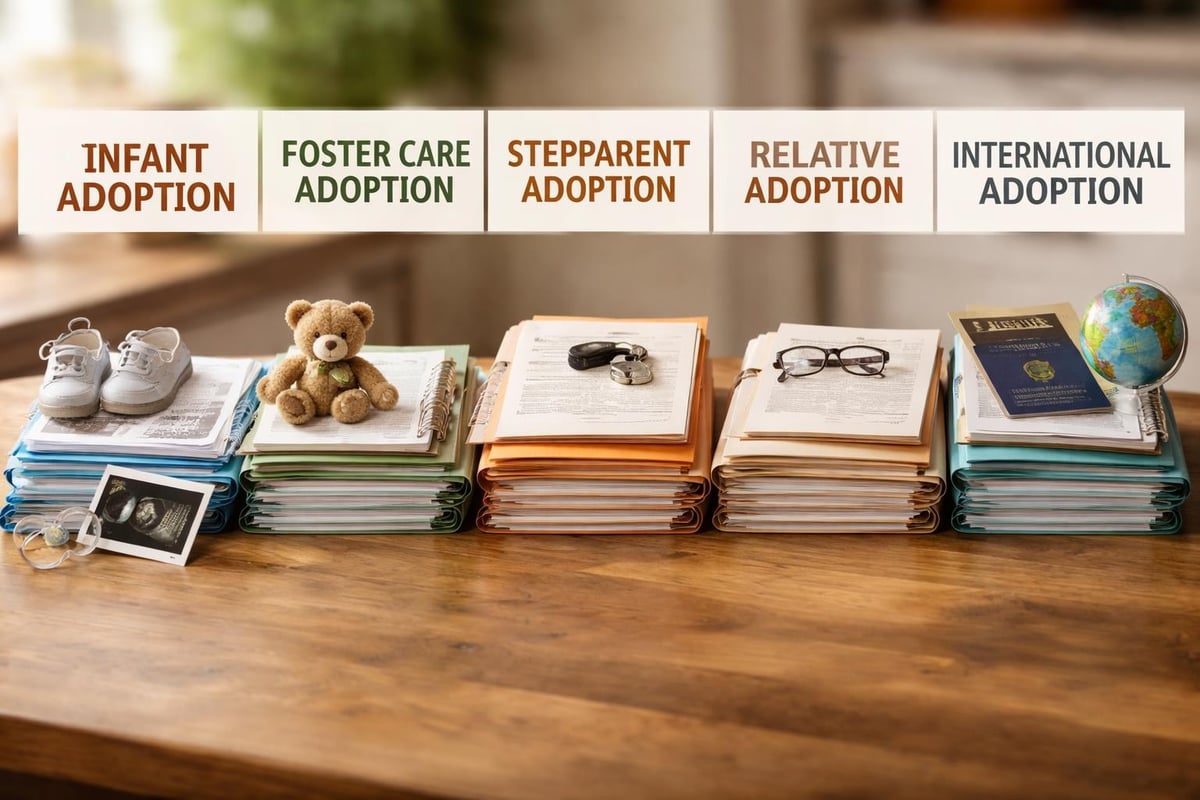
Different families and circumstances call for different adoption paths. Here's what Indiana offers:
- Infant adoption through private agencies
- Foster care adoption for children in state custody
- Stepparent adoption to formalize existing family bonds
- Relative adoption when family members step in
- International adoption with Indiana home study requirements
Each pathway has distinct requirements, timelines, and costs. Private infant adoption typically involves working with licensed agencies that provide counseling, legal support, and matching services between expectant parents and waiting families.
Legal Requirements for Adoption Indiana
Indiana law establishes specific criteria that must be met before an adoption can be finalized. These requirements protect everyone involved and ensure adoptions are completed ethically and legally.
| Requirement | Details | Timeline |
|---|---|---|
| Home Study | Background checks, home visits, training | 2-4 months |
| Consent | Birth parent consent (varies by type) | 72+ hours after birth |
| ICPC Compliance | If adopting across state lines | 1-2 weeks |
| Court Finalization | Final hearing and decree | 6-12 months post-placement |
Home studies are mandatory for all adoption types in Indiana. This comprehensive evaluation includes criminal background checks, financial assessments, home safety inspections, and personal interviews. Many families find that working with experienced agencies on Indiana home study services streamlines this otherwise daunting requirement.
Birth Parent Rights and Consent
Indiana law is clear about when and how birth parents can provide consent for adoption. In infant adoption cases, birth mothers cannot legally consent until at least 72 hours after birth. This waiting period ensures decisions are made with full awareness, not under the stress of labor and delivery.
Understanding Indiana’s administrative code regarding adoption procedures helps both expectant parents and adoptive families know what to expect legally. Birth fathers also have specific rights that must be addressed, and working with professionals who understand birth father rights in Indiana prevents legal complications later.
Financial Aspects of Adoption Indiana
Adoption costs vary dramatically depending on the type of adoption you pursue. Understanding the financial landscape helps families plan appropriately and access available assistance.
Cost Breakdown by Adoption Type
Private infant adoption typically ranges from $30,000 to $50,000, covering agency fees, legal costs, home study expenses, and pregnancy-related expenses for birth mothers. These costs can seem overwhelming, but various support mechanisms exist.
Foster care adoption through the state often involves minimal costs, sometimes just legal fees, because the state covers most expenses. Additionally, Indiana’s adoption assistance program provides ongoing financial support for families adopting children with special needs from foster care.
Stepparent adoption is typically the least expensive option, usually requiring only court filing fees and potentially attorney costs, ranging from $500 to $3,000.
Available Financial Assistance
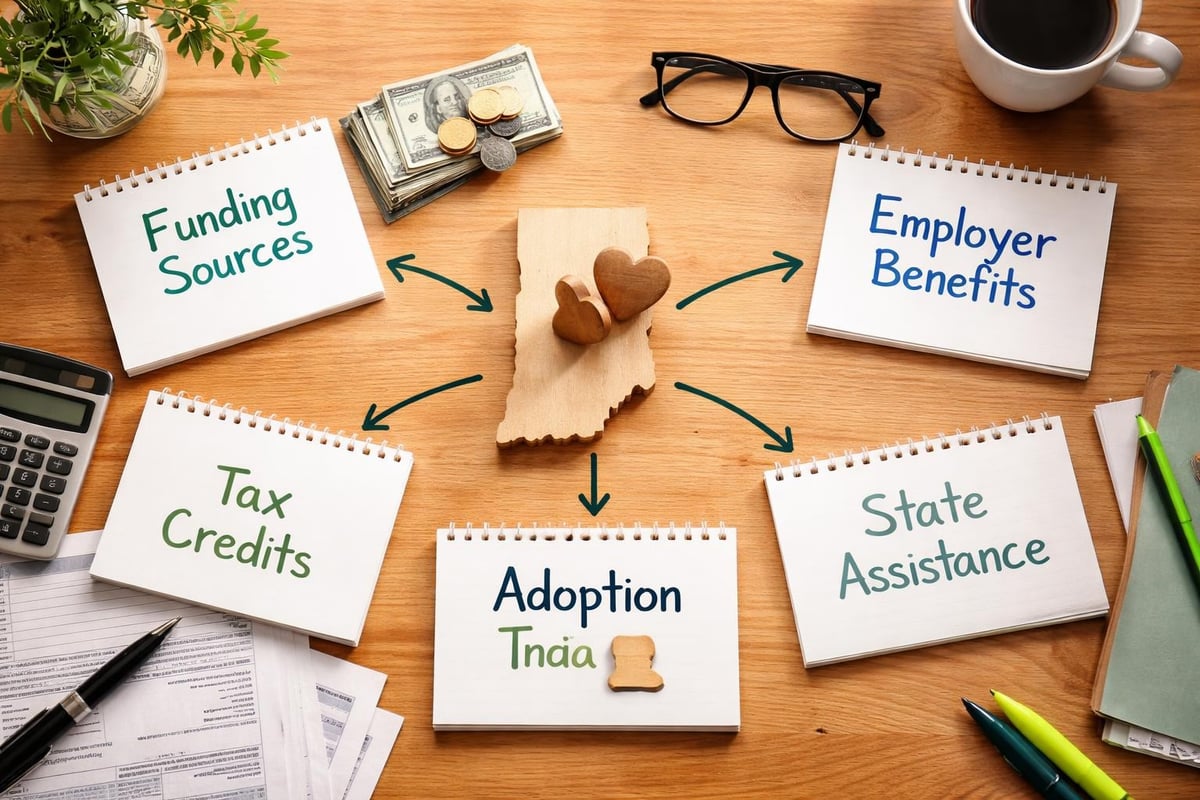
Smart families tap into multiple funding sources:
- Federal adoption tax credit (up to $15,950 in 2026)
- Employer adoption benefits (many companies offer $5,000-$15,000)
- State-funded subsidies for special needs adoptions
- Grants and loans through adoption-focused organizations
- Fundraising and crowdfunding platforms
Expectant mothers considering adoption should know that receiving financial support for pregnancy-related expenses is legal and ethical when properly documented through licensed agencies.
Support Services for Expectant Parents
Expectant mothers facing unplanned pregnancies deserve comprehensive support, regardless of their ultimate decision. Quality adoption services in Indiana provide counseling, medical care coordination, living expense assistance, and legal guidance throughout pregnancy and beyond.
What Support Looks Like
Licensed agencies offering adoption services in Indiana provide:
- Non-directive counseling to explore all options
- Financial assistance for housing, food, medical care, and maternity clothing
- Hospital planning to ensure birth wishes are honored
- Post-placement counseling as long as needed
- Ongoing connection through open adoption agreements
The key word is choice. Expectant parents maintain control over decisions affecting their pregnancy and adoption plan. This includes selecting the adoptive family, determining the level of openness, and making hospital and placement arrangements.
Creating Your Adoption Plan
An adoption plan in Indiana is a personalized roadmap created by the expectant parent. It covers preferences about:
- Adoptive family characteristics and values
- Level of openness (closed, semi-open, or open)
- Hospital and birth preferences
- Post-placement contact arrangements
- Cultural or religious preferences
No two adoption plans look identical because every situation is unique. Professional counselors help expectant parents articulate their wishes and ensure adoptive families understand and honor them.
The Adoptive Family Perspective
Families hoping to adopt in Indiana navigate their own journey, filled with preparation, anticipation, and significant emotional investment. Understanding what's required helps families prepare realistically.
Home Study Process Explained
The home study process serves multiple purposes. It educates families about adoption, assesses readiness, and creates the legal documentation required by Indiana courts. Here's what to expect:
- Application and initial paperwork including personal histories
- Background checks for all adults in the household
- Home safety inspection ensuring appropriate space
- Personal interviews individually and as a couple
- Reference checks from friends, family, and employers
- Training sessions on adoption-related topics
- Final report compilation for court submission
Most families complete their home study within 2-4 months, though timelines vary based on responsiveness and complexity. Working with agencies that specialize in home study services often speeds the process.
Wait Times and Matching
After home study approval, families enter the waiting period. For infant adoption, this ranges from a few months to two years, depending on openness to various situations and how actively families market themselves to expectant parents.
Creating a compelling family profile, maintaining flexibility, and working with multiple agencies or pathways can reduce wait times. Families should understand that open adoption in Indianapolis and other Indiana cities has become the norm, with most adoptions involving some degree of ongoing contact.
Open vs. Closed Adoption in Indiana
The adoption landscape has shifted dramatically toward openness. In 2026, the vast majority of infant adoptions in Indiana involve some level of contact between birth families and adoptive families.
Benefits of Open Adoption
| For Children | For Birth Parents | For Adoptive Parents |
|---|---|---|
| Know their story | Witness child thriving | Answer child's questions |
| Identity formation | Peace of mind | Medical updates |
| Extended family connections | Ongoing relationship | Reduced fear/uncertainty |
Research consistently shows that children in open adoptions typically develop healthier identity formation and don't experience the confusion or abandonment feelings more common in closed adoptions. Birth parents report greater peace knowing their child's wellbeing, and adoptive parents appreciate having direct access to medical history and family information.
Understanding adoption rights includes knowing that Indiana law supports enforceable post-adoption contact agreements when properly structured in the adoption decree.
What Openness Actually Means
Openness exists on a spectrum:
- Semi-open: Communication through agency intermediary, first names only, photos and letters
- Fully open: Direct contact, phone calls, video chats, in-person visits
- Customized: Tailored arrangements meeting everyone's comfort level
The important thing is that all parties agree to the arrangement, and it's documented legally. Openness levels can evolve over time as relationships develop and circumstances change.

Regional Considerations Across Indiana
Adoption indiana varies somewhat by region, with different resources, wait times, and community supports available depending on location.
Urban Centers
Indianapolis, Fort Wayne, Evansville, and South Bend offer the most concentrated adoption resources, including multiple agencies, support groups, and specialized attorneys. Families in these areas may find shorter wait times due to higher volumes of both expectant parents and waiting families.
Those specifically looking at adoption in Evansville, Indiana or adoption in Southern Indiana should know that local agencies understand regional considerations and can provide more personalized service.
Rural Areas
Families in rural Indiana sometimes face longer travel times for home study visits and may have fewer local support group options. However, many agencies now offer virtual counseling and support sessions, making geography less of a barrier than in previous years.
Special Circumstances in Indiana Adoption
Certain situations require additional considerations or specialized knowledge of Indiana law.
LGBTQ+ Adoption Rights
Indiana law permits LGBTQ+ individuals and couples to adopt, and most agencies welcome and support these families. Second-parent adoption allows same-sex couples to both become legal parents, ensuring full parental rights for both partners.
Military Families
Active-duty military families stationed in Indiana can pursue adoption, though deployment considerations may affect timelines. Some agencies specialize in working with military families and understand the unique scheduling and flexibility requirements.
Medical History Access
Indiana maintains an Adoption Medical History Registry, allowing adult adoptees to access non-identifying medical information about their biological families. This resource helps adoptees manage health conditions that may have genetic components. Learning how to obtain medical history information for Indiana adoptees is increasingly important as genetic testing and personalized medicine advance.
Choosing the Right Adoption Professional
The agency or attorney you choose dramatically impacts your adoption experience. Quality professionals make the journey smoother, more ethical, and ultimately more successful.
What to Look For
Licensing and accreditation are non-negotiable. In Indiana, adoption agencies must be licensed by the state. Beyond that, look for:
- Years of experience specifically in Indiana adoption
- Transparent fee structures with no hidden costs
- Comprehensive counseling services for all parties
- Post-placement support that extends beyond finalization
- Ethical practices that prioritize best interests of children and birth parents
- Positive references from recent clients
When considering adoption through an agency, prepare questions about their approach to openness, their support for birth parents, their home study process, and their average wait times.
Red Flags to Avoid
Steer clear of agencies or facilitators who:
- Pressure expectant parents toward adoption
- Promise unrealistic timelines
- Operate without proper licensing
- Charge fees that seem excessive or unclear
- Don't provide comprehensive counseling
- Have complaints filed with state regulators
A more comprehensive guide to adoption agencies in Indiana can help you evaluate options and make informed decisions.
Post-Placement and Finalization
Placement day is exciting but not the end of the adoption journey. Indiana requires a supervisory period before adoption finalization, typically lasting six months for infant adoptions.
Supervisory Period Requirements
During this time, families receive periodic visits from social workers who assess how the placement is progressing. These visits check on:
- Child's adjustment and development
- Family bonding and attachment
- Any challenges or concerns
- Support needs
These visits aren't invasive inspections but supportive check-ins ensuring everyone is thriving. Most families find them helpful, especially first-time parents who appreciate professional guidance.
Court Finalization
The finalization hearing is when adoption becomes permanent and legally binding. Indiana judges typically make this a celebratory occasion, recognizing the significance for all involved. After finalization:
- Adoptive parents receive a new birth certificate with their names
- The child's legal name can be changed if desired
- All parental rights and responsibilities permanently transfer
- The adoption cannot be reversed (with rare exceptions)
Many families mark finalization day as a second "birthday" to celebrate annually.
Resources and Support Networks
No one should navigate adoption alone. Indiana offers robust support systems for all members of the adoption triad.
For Expectant Parents
- Crisis pregnancy centers offering counseling and resources
- Hospital liaisons trained in adoption procedures
- Post-placement support groups
- Individual counseling services
For Adoptive Families
Organizations offering resources for families include adoption support groups, educational workshops, cultural camps for transracial adoptions, and therapeutic services specializing in adoption issues.
For Adoptees
Adult adoptees benefit from search and reunion services, adoptee-led support groups, and resources helping navigate identity questions. Understanding adoptee rights in Indiana empowers individuals to access information about their origins.
Faith-Based and Specialized Agencies
Many Indiana families seek faith-based adoption agencies that align with their religious values. These agencies integrate spiritual support alongside practical adoption services, providing prayer support, biblical counseling, and community connections within faith traditions.
Christian adoption agencies often appeal to both expectant parents and adoptive families who want their faith reflected in the adoption process. However, it's important to ensure any agency-faith-based or secular-practices ethical, non-coercive methods that respect everyone's autonomy.
Looking Ahead: Future of Adoption Indiana
Indiana's adoption landscape continues evolving in positive directions. Trends to watch in 2026 and beyond include:
- Increased support for kinship care and relative adoptions
- Enhanced post-adoption services recognizing adoption as a lifelong journey
- Greater emphasis on preserving connections to birth families and cultural heritage
- Improved training for professionals on trauma-informed care
- Technology integration making virtual support more accessible
These improvements reflect growing understanding of what adopted children, birth parents, and adoptive families need to thrive long-term.
Navigating adoption indiana requires knowledge, support, and professionals who genuinely care about everyone's wellbeing. Whether you're an expectant parent exploring options or a family hoping to adopt, understanding Indiana's legal framework, available resources, and support systems empowers you to make informed decisions. At tapestry adoption, we provide comprehensive counseling, financial support, and legal guidance to expectant mothers, along with home studies, background checks, and full adoption services for families ready to grow through adoption. Let us walk alongside you through every step of this meaningful journey.