



Parents Wanting to Adopt: Complete Guide for 2026
The decision to grow your family through adoption represents one of life's most meaningful commitments. For parents wanting to adopt, the journey ahead combines hope, preparation, and determination. Whether you're exploring infant adoption, navigating the home study process, or understanding legal requirements, comprehensive knowledge empowers you to move forward with confidence. This guide provides actionable insights to help prospective adoptive families transform their dreams into reality in 2026.
Understanding Your Motivation and Readiness
Parents wanting to adopt come from diverse backgrounds with unique motivations. Some families face infertility challenges, while others feel called to provide loving homes for children in need. Understanding your "why" creates a foundation for the entire adoption process.
Before moving forward, evaluate your emotional and financial readiness. Adoption requires significant investment in time, resources, and mental energy. Consider these essential questions:
- Why does adoption feel right for your family right now?
- How will you handle the potential wait times and uncertainties?
- What support systems do you have in place?
- Are you prepared for the financial commitments involved?
Your answers will help you approach adoption services with realistic expectations and solid preparation.
Financial Preparation for Adoptive Families
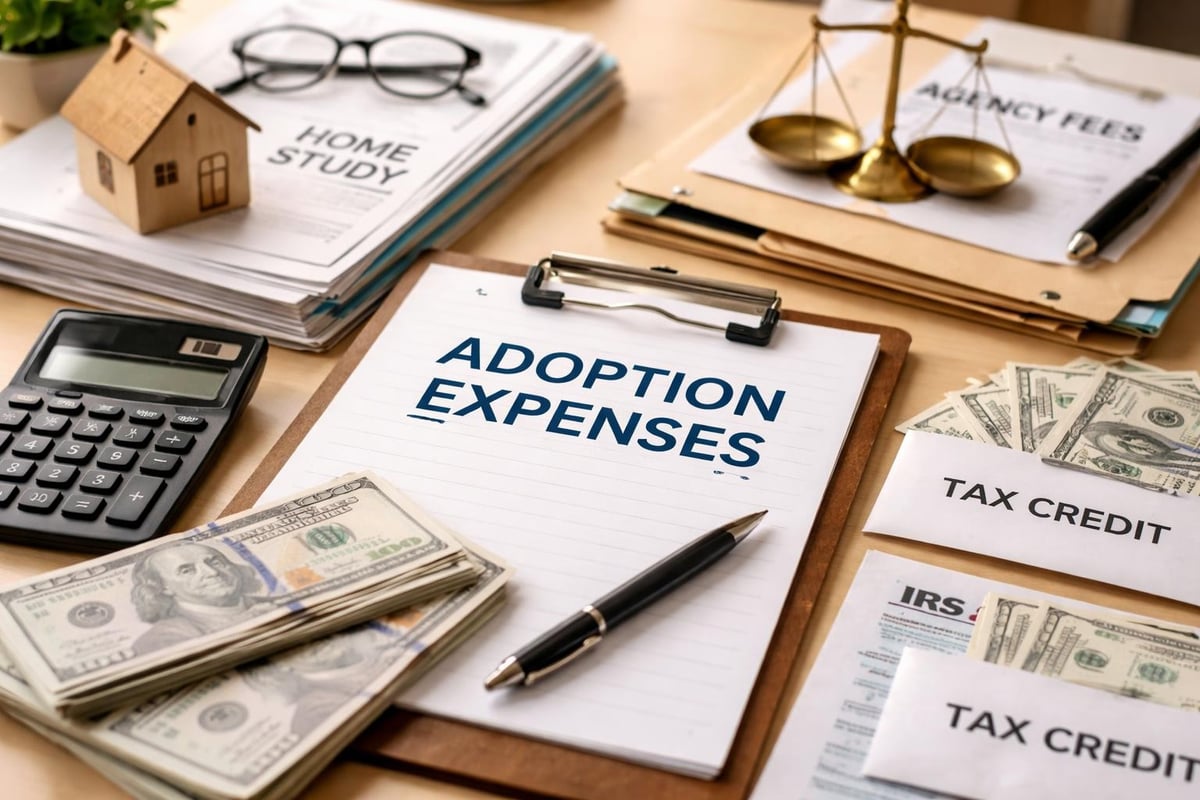
Adoption costs vary dramatically based on the type of adoption you pursue. Infant adoption through private agencies typically ranges from $30,000 to $50,000, while foster care adoption may involve minimal costs.
| Expense Category | Estimated Cost Range | Notes |
|---|---|---|
| Home Study | $1,000 – $3,000 | Required for all adoptions |
| Agency Fees | $15,000 – $35,000 | Varies by agency and services |
| Legal Fees | $2,500 – $8,000 | Includes court costs |
| Birth Mother Expenses | $0 – $10,000 | Varies by state regulations |
The federal adoption tax credit provides significant financial relief. For 2026, families can claim up to $16,810 per adopted child. Understanding introduction to the adoption tax credit helps you maximize available financial resources.
Navigating State-Specific Requirements
Each state establishes its own adoption regulations, making research essential for parents wanting to adopt. While federal laws provide overarching guidelines, state-specific requirements significantly impact your adoption journey.
Key State Requirements to Research
Most states share common baseline requirements, though specific details vary. Generally, prospective adoptive parents must:
- Meet minimum age requirements (typically 18-25 years old)
- Complete background checks and fingerprinting
- Demonstrate financial stability
- Provide personal references
- Complete required training programs
Wisconsin’s adoption requirements exemplify comprehensive state guidelines. Similarly, Missouri’s becoming an adoptive parent process outlines detailed steps for prospective families.
For parents wanting to adopt in specific states, review these resources:
- Texas adoption requirements detail responsibilities and associated costs
- Massachusetts adoption requirements cover age, residency, and marital status considerations
- Illinois Adoption Act explains eligibility and parental rights
Understanding your state's unique landscape prevents surprises and streamlines your adoption timeline.
The Home Study Process: Your Essential Gateway
The home study represents the most critical requirement for parents wanting to adopt. This comprehensive evaluation assesses your suitability as adoptive parents and prepares you for the challenges ahead.
A licensed social worker conducts multiple interviews, home visits, and document reviews. While the process may feel intrusive, it serves essential protective purposes for children and families.
What the Home Study Covers
Personal Background
Social workers explore your childhood experiences, relationships, parenting philosophy, and motivations for adoption. Honesty and self-reflection strengthen your application.
Home Environment
Physical home visits ensure safe, appropriate living conditions. You don't need a perfect house, but you must demonstrate adequate space, safety measures, and child-friendly environments.
Financial Stability
Documentation proves you can provide for a child's needs without relying on adoption subsidies. Expect to submit tax returns, employment verification, and budget information.
Medical Evaluations
Health assessments confirm you're physically capable of parenting. Certain conditions don't automatically disqualify you, but social workers need complete health pictures.
For comprehensive details, explore the home study process and understand what is a home study for adoption.

Timeline and Preparation Tips
Home studies typically take 3-6 months to complete. Parents wanting to adopt can expedite the process by:
- Gathering documents early: Birth certificates, marriage licenses, tax returns, and medical records
- Scheduling promptly: Book appointments immediately when contacted
- Preparing your home: Address obvious safety concerns before the first visit
- Being transparent: Honesty about challenges demonstrates maturity and self-awareness
- Staying organized: Create a dedicated folder for all adoption-related paperwork
Choosing Between Adoption Pathways
Parents wanting to adopt face multiple pathways, each offering distinct advantages and challenges. Understanding these options helps you select the right fit for your family.
Infant Adoption Through Private Agencies
Private infant adoption allows you to build relationships with expectant mothers considering adoption plans. This pathway offers more involvement in the adoption process and often results in newborn placements.
Agencies provide critical support services including counseling, medical coordination, and legal guidance. When selecting an agency, evaluate their values, success rates, and support offerings.
Benefits of private agency adoption:
- Greater transparency throughout the process
- Opportunity for open adoption arrangements
- Comprehensive support for all parties
- Typically faster than foster care adoption
Foster Care Adoption
Children in foster care need permanent, loving families. This pathway serves older children, sibling groups, and children with special needs. Costs remain minimal compared to private adoption.
Step-Parent Adoption
For blended families, step-parent adoption formalizes existing parent-child relationships. This process typically moves faster and costs less than traditional adoption.
| Adoption Type | Typical Timeline | Cost Range | Age of Children |
|---|---|---|---|
| Private Infant | 1-3 years | $30,000-$50,000 | Newborn-6 months |
| Foster Care | 6 months-2 years | $0-$2,500 | Any age |
| Step-Parent | 3-9 months | $1,500-$5,000 | Any age |
| International | 2-4 years | $25,000-$50,000 | Varies by country |
Building Your Adoption Profile
Your adoption profile serves as your family's introduction to expectant mothers. For parents wanting to adopt infants through private agencies, this document carries tremendous importance.
Create an authentic representation of your family's values, lifestyle, and dreams. Expectant mothers review dozens of profiles, so yours must resonate emotionally while remaining genuine.
Essential Profile Elements
High-Quality Photography
Professional photos showing your family in natural settings create immediate connections. Include images of your home, extended family, pets, and favorite activities.
Compelling Personal Story
Share your adoption journey authentically. Explain why you're choosing adoption and what you hope to provide a child.
Lifestyle Details
Describe your community, home, hobbies, and traditions. Expectant mothers seek families whose values align with their hopes for their children.
Open Adoption Perspective
Clearly communicate your openness to ongoing contact. Many expectant mothers prioritize families willing to maintain relationships through updates, visits, or communication.
Reading reviews from adoptive families provides insight into successful adoption experiences and profile strategies.

Supporting Birth Mothers Throughout the Process
Parents wanting to adopt through private agencies often develop relationships with expectant mothers considering adoption. Approaching these relationships with respect, empathy, and appropriate boundaries creates positive experiences for everyone involved.
Expectant mothers face difficult decisions requiring courage and selflessness. Your role involves providing reassurance while allowing them space to make choices free from pressure.
Ethical Considerations in Adoption
Financial Support Guidelines
States regulate what adoption-related expenses adoptive families may cover. Typically permitted expenses include:
- Pregnancy-related medical costs not covered by insurance
- Maternity clothing
- Housing and living expenses during pregnancy
- Counseling services
- Legal representation
Never pressure expectant mothers with financial commitments. Ethical agencies ensure all support serves the mother's wellbeing, not as incentive for adoption decisions.
Respecting the Decision-Making Process
Expectant mothers retain the right to parent their children. Until legal consents are signed, parents wanting to adopt must respect this reality. Failed placements, while heartbreaking, affirm that adoption prioritizes children's best interests.
Professional counseling helps expectant mothers explore all options. Agencies providing adoption plan support ensure informed, pressure-free decisions.
Preparing for Placement and Beyond
When parents wanting to adopt receive placement notifications, excitement and anxiety intensify. Thorough preparation ensures smoother transitions for your entire family.
Immediate Placement Preparations
Nursery Setup
Create a safe, welcoming space with essential items. Focus on basics: crib, changing table, clothing, diapers, and feeding supplies. Avoid over-purchasing before placement confirmation.
Medical Arrangements
Establish pediatric care immediately. Schedule the first well-baby visit within days of placement. Ensure your health insurance updates include the new addition.
Work and Family Logistics
Arrange parental leave, notify employers, and coordinate family support. Extended family and friends can provide meals, household help, and emotional support during the transition.
Post-Placement Adjustment Period
The initial weeks test every family. Newborns demand constant attention, and adopted children may experience adjustment challenges regardless of age.
Common adjustment experiences:
- Sleep disruption and fatigue
- Bonding concerns and attachment anxiety
- Relationship stress between partners
- Questions about adoption decisions
Professional support through post-placement services helps families navigate these challenges. Regular check-ins with social workers ensure you're meeting requirements while receiving needed guidance.
Legal Finalization: Making It Official
The legal finalization represents the culmination of your adoption journey. For parents wanting to adopt, this court proceeding transforms temporary placement into permanent family bonds.
Finalization typically occurs 6-12 months after placement, following required post-placement visits and documentation. Your attorney presents evidence that the adoption serves the child's best interests.
The Finalization Hearing
Court proceedings vary by jurisdiction but generally include:
- Judge's Review: The judge examines all case documentation, social worker reports, and legal consents
- Testimony: Parents may answer questions about their commitment and preparedness
- Final Decree: The judge issues the adoption decree, creating a new birth certificate
- Celebration: Many courts encourage family presence and photos to commemorate this milestone
This legal recognition completes your adoption, granting you full parental rights and responsibilities.
Post-Finalization Considerations
After finalization, parents wanting to adopt additional children often find subsequent adoptions less stressful. You've navigated the system, built relationships with professionals, and proven your capabilities.
Important post-finalization actions:
- Obtain the new birth certificate
- Update insurance, wills, and estate planning
- File for the adoption tax credit
- Maintain open adoption agreements if applicable
- Continue counseling or support services as needed
Resources and Ongoing Support
Parents wanting to adopt benefit from continuous education and community connection. Adoption creates lifelong relationships requiring ongoing support and understanding.
Finding Your Community
Local Adoption Support Groups
Connect with families who understand your unique experiences. These groups provide practical advice, emotional support, and lasting friendships.
Educational Resources
Stay informed about adoption-related topics including attachment, trauma-informed parenting, and identity development. Knowledge strengthens your ability to support your child's needs.
Professional Counseling
Adoption-competent therapists help families process complex emotions, navigate relationship challenges, and address adoption-specific issues as children grow.
Explore comprehensive adoption resources to support your ongoing journey.
Honoring Open Adoption Commitments
Many modern adoptions involve ongoing contact between adoptive families and birth families. Parents wanting to adopt should approach these relationships as beneficial for children's wellbeing and identity development.
Open adoption arrangements vary widely:
- Fully Open: Regular in-person visits, phone calls, and communication
- Semi-Open: Mediated contact through agencies, letters, and photos
- Closed: No identifying information or direct contact
Research consistently shows that appropriate openness benefits adopted children by providing access to biological connections, medical history, and identity formation support.
Planning for Long-Term Success
Parents wanting to adopt must prepare for the lifelong journey ahead. Adoption doesn't end at finalization; it shapes family dynamics, individual identities, and relationships indefinitely.
Age-Appropriate Adoption Conversations
Start discussing adoption early using age-appropriate language. Normalize adoption as your family's creation story rather than treating it as a difficult secret.
Early Childhood (0-5 years)
Use simple, positive language: "You grew in another mommy's tummy, but you grew in our hearts."
School Age (6-12 years)
Provide more details about birth parents, adoption processes, and reasons for adoption plans. Answer questions honestly and validate emotions.
Adolescence (13+ years)
Support identity exploration, including potential birth family searches. Recognize that curiosity about origins doesn't diminish their love for you.
Addressing Adoption-Related Challenges
Children may experience grief, loss, identity questions, or behavioral challenges related to adoption. Parents wanting to adopt should educate themselves about trauma-informed parenting and attachment issues.
Professional support proves invaluable when challenges arise. Don't hesitate to seek specialized help from adoption-competent therapists who understand these unique dynamics.
The path for parents wanting to adopt combines preparation, patience, and unwavering commitment to expanding your family through this meaningful journey. From understanding state requirements and completing home studies to building relationships with expectant mothers and finalizing legal proceedings, each step brings you closer to welcoming a child into your home. If you're ready to begin or continue your adoption journey, tapestry adoption provides comprehensive counseling, financial guidance, legal support, and home study services to help you navigate every stage with confidence and care.