


Private Adoption Cost Guide: What to Expect in 2026
Are you thinking about private adoption in 2026? With the private adoption cost rising and so many variables at play, it is more important than ever to understand what to expect before you begin.
This comprehensive guide will break down every aspect of private adoption cost, so you can set realistic expectations and make confident decisions.
Explore average expenses, key cost factors, a step-by-step cost breakdown, ways to save, and expert financial planning tips. Get the clarity you need to move forward with confidence.
Understanding Private Adoption: Types and Cost Factors
Choosing private adoption is a life-changing journey. To navigate it confidently, you must understand the types of private adoption and the factors that shape the private adoption cost. Knowing what drives expenses helps you set realistic expectations and avoid surprises.

Types of Private Adoption
Private adoption in the U.S. mainly falls into two categories: domestic infant adoption and independent adoption. Domestic infant adoption typically involves an agency that helps match adoptive parents with expectant mothers. Agencies often bundle services like counseling, legal support, and post-placement supervision, which impacts the private adoption cost.
In contrast, independent or attorney-facilitated adoptions allow adoptive parents to work directly with the birth family, usually with an attorney's help. This route provides more flexibility but may require hiring separate professionals for home studies, counseling, or legal representation, each adding to the private adoption cost.
Another distinction is between open and closed adoptions. Open adoption allows ongoing contact between birth and adoptive families, while closed adoption keeps identities confidential. Open adoptions may include more meetings or communication, sometimes affecting expenses.
Agency-facilitated adoptions generally streamline the process, while independent adoptions offer more control over the match. For example, agency adoptions often include bundled fees, while independent adoptions may require parents to manage and pay for each service separately.
According to recent statistics, over 18,000 private adoptions take place in the U.S. each year, demonstrating the ongoing need for clear financial guidance.
Key Factors Influencing Cost
Several variables determine the private adoption cost, and understanding them is essential for financial planning. The largest contributors are agency fees, legal fees, and home study requirements.
- Agency Fees: Cover matching services, counseling, and coordination.
- Legal Fees: Include document preparation, court representation, and legal filings.
- Home Study: Every state requires a home study, which involves background checks, interviews, and home visits. Costs can range from $1,500 to $3,000, depending on state and provider. For more details, see What is a home study for adoption.
- Birth Mother Expenses: Adoptive parents may cover medical, counseling, and living expenses for the birth mother. These are often capped by state law.
- Travel Costs: Interstate adoptions or out-of-state placements can mean significant travel for meetings and court dates.
- Post-Placement Supervision: Required follow-up visits and reports before finalization add to the private adoption cost.
State regulations can cause significant cost variability. For instance, some states allow higher birth parent expenses, while others set strict limits. A home study might cost less in rural areas or be offered on a sliding scale based on income. These differences highlight the importance of researching state-specific requirements when budgeting for private adoption cost.
Typical Cost Ranges in 2026
Looking ahead to 2026, the projected national average private adoption cost is between $40,000 and $60,000 per adoption. This is an increase compared to 2024, reflecting inflation and rising administrative expenses.
Here’s a breakdown of typical cost components:
| Expense Category | Projected Cost Range |
|---|---|
| Agency Fees | $20,000–$40,000 |
| Legal Fees | $7,500–$15,000 |
| Home Study | $1,500–$4,000 |
| Birth Parent Expenses | $5,000–$10,000 |
| Travel | $2,000–$5,000 |
| Post-Placement/Finalization | $2,000–$4,000 |
Agency fees are expected to rise by 5 percent due to higher administrative costs. While each adoption journey is unique, understanding these cost components will help you plan for your private adoption cost and avoid financial surprises.
Step-by-Step Breakdown: Private Adoption Costs in 2026
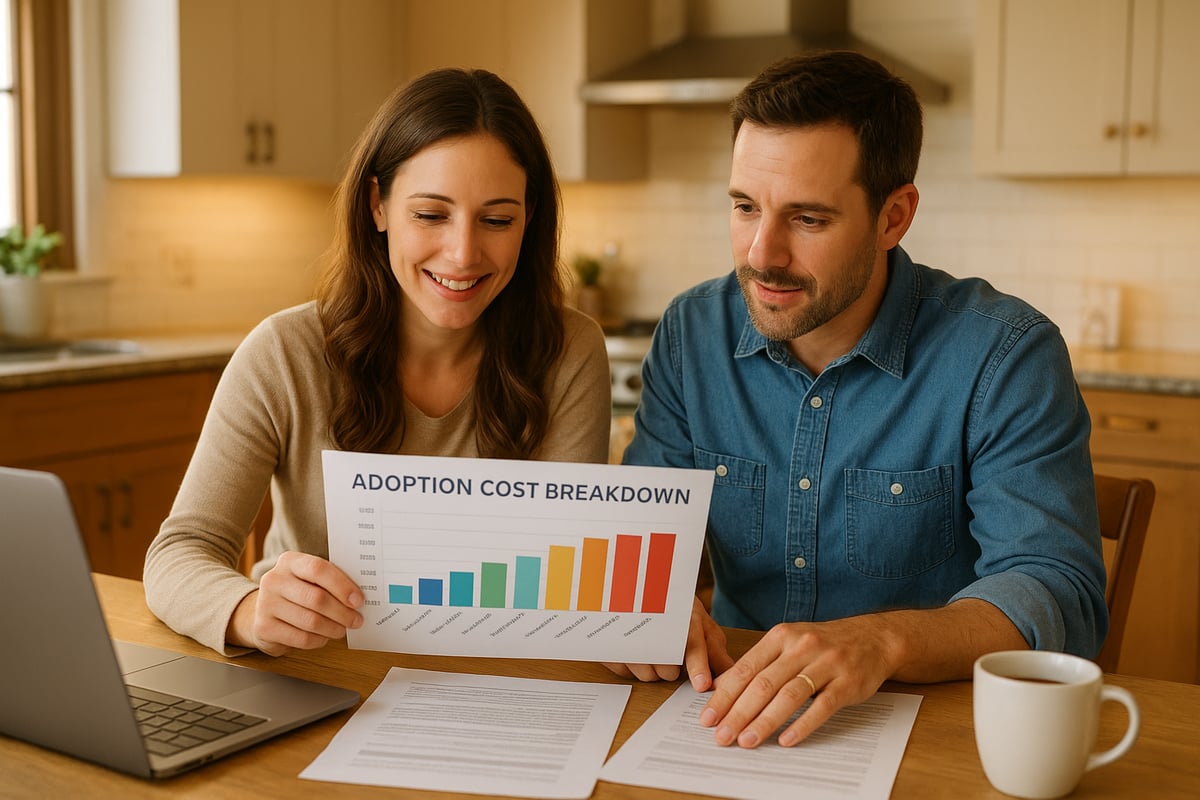
Deciding to pursue private adoption is both exciting and overwhelming, especially when it comes to understanding the private adoption cost at every stage. Knowing exactly what to expect at each step can help you plan confidently and avoid unpleasant surprises.
Step 1: Application and Initial Fees
The journey begins with the application process. Most private adoption agencies and attorneys require an upfront application fee, which typically ranges from $500 to $2,000.
These fees cover paperwork processing, background checks, and the initial review of your eligibility to adopt. It’s important to note that application fees are almost always non-refundable, even if you decide not to proceed or if your application is not accepted.
Carefully review what is included in this stage, because each provider may structure their application costs differently. Factoring this into your private adoption cost planning from the start is essential.
Step 2: Home Study Costs
Every state requires a home study before you can proceed with private adoption. The home study involves interviews, background checks, and multiple home visits by a licensed social worker.
Expect to pay between $1,500 and $4,000 for this step. Some agencies offer a sliding scale based on your income, which can make this part of the private adoption cost more manageable.
If your adoption process takes longer than expected, you may also need to pay additional fees for home study updates or renewals. Always verify what is included in your quoted price, such as fingerprinting or document processing.
Planning ahead for home study expenses helps ensure your private adoption cost estimate remains accurate.
Step 3: Agency or Attorney Fees
Agency and attorney fees are often the largest part of your private adoption cost. If you choose an agency, expect fees in the $20,000 to $40,000 range. These fees usually cover matching services, counseling, coordination, and administrative support throughout the adoption process.
Attorney fees for independent adoptions typically fall between $7,500 and $15,000. This includes legal document preparation, court representation, and guidance through the legal aspects of adoption.
Costs can be higher in major cities or for expedited services. For example, families adopting in metropolitan areas may see fees at the top end of the range. In fact, about 70% of private adoptions are completed through agencies. If you’re exploring agency options, you can find detailed information about private adoption agencies in Indiana, which may help clarify the potential costs and services bundled in your area.
Many agencies provide a transparent fee schedule, but always request a detailed breakdown to ensure you understand every component of your private adoption cost.
| Service | Typical Cost (2026) |
|---|---|
| Agency Fees | $20,000–$40,000 |
| Attorney Fees (Independent) | $7,500–$15,000 |
Reviewing these costs carefully is vital, as they often account for the majority of your total private adoption cost.
Step 4: Birth Parent Expenses
Adoptive families are often responsible for certain birth parent expenses, which are regulated by state law. These may include medical costs for prenatal care, delivery, and postnatal care, as well as living expenses like rent, utilities, and groceries.
The typical range for these expenses is $5,000 to $10,000, but some states cap allowable expenses at $7,500. Counseling and support services for birth parents are also commonly included.
Because allowable expenses vary by state, always consult your adoption professional to ensure compliance and to accurately estimate your private adoption cost.
Unexpected medical needs or extended support can increase costs, so it’s wise to set aside a buffer for this step.
Step 5: Travel and Accommodation
If your adoption involves travel, these costs can quickly add up. Interstate or out-of-state adoptions require trips for meetings, court appearances, and sometimes extended stays while waiting for legal clearance.
Plan for $2,000 to $5,000 in travel and accommodation costs per adoption. Factors include distance, number of required trips, and length of stays.
Travel costs are a key part of your total private adoption cost, especially if your match is in another state. Booking in advance and seeking discounts can help manage these expenses.
Step 6: Post-Placement and Finalization Fees
After placement, several steps remain before your adoption is legally finalized. Post-placement supervision, which includes follow-up visits and progress reports, generally costs $1,500 to $3,000.
Finalization in court adds another $500 to $2,000 in legal fees and court costs. These steps are required by law and ensure the wellbeing of the child and family.
Including these costs in your private adoption cost plan ensures you are prepared for every phase, from placement to final legal recognition.
Hidden and Unexpected Costs in Private Adoption
Private adoption cost planning often focuses on the obvious, but hidden and unexpected expenses can catch families off guard. Even the most detailed budgets can miss these unpredictable costs, making it crucial to understand what might arise throughout the adoption journey.
Unexpected costs can appear at any stage of private adoption. Failed matches are a common source of loss. When a birth parent changes their mind or a disruption happens, families often lose deposits, application fees, and matching costs. In fact, a failed match can lead to $5,000 to $10,000 in unrecoverable expenses. With estimates showing that 15–20% of adoption matches fail before placement, this risk is significant.
Legal complications also add to private adoption cost unpredictability. If an adoption is contested or court proceedings are extended, families may face additional attorney fees, court costs, and paperwork charges. These extra legal hurdles can delay the process and increase stress.
Medical emergencies or unanticipated birth parent needs are another area where costs can spike. If the birth mother experiences health complications, adoptive parents may be responsible for extra medical bills or emergency care. Some states allow only certain expenses, but unexpected needs can push costs beyond initial estimates.
Additional requirements like background checks, document authentication, and translation services can pile on more hidden expenses. International documents, for example, often need certified translations and notarizations, each adding to the total private adoption cost.
Here’s a table summarizing some common hidden and unexpected costs:
| Hidden Cost Type | Typical Range | Notes |
|---|---|---|
| Failed Match/Disruption | $5,000–$10,000 | Non-refundable fees, lost deposits |
| Legal Complications | $1,500–$8,000 | Contested cases, extra court appearances |
| Medical Emergencies | $2,000–$7,000 | Birth parent or newborn unexpected needs |
| Extra Background Checks | $100–$500 | For additional family members |
| Document Authentication | $200–$1,000 | Notarization, translation, certifications |
To protect yourself from surprise private adoption cost increases, consider risk mitigation strategies. Some agencies offer insurance or partial refunds in case of failed matches. Planning for an emergency fund, understanding agency refund policies, and researching financial assistance programs are all smart steps.
If you are worried about how to handle these unexpected costs, explore adoption financial assistance options like grants, loans, and employer benefits. These resources can provide a safety net when the unexpected happens.
Ultimately, building flexibility into your budget and seeking professional guidance can help you navigate the hidden side of private adoption cost. By preparing for the unknown, you increase your chances of a successful, less stressful adoption experience.
Ways to Save and Financial Assistance Options
Navigating private adoption cost can feel overwhelming, but there are many ways to make adoption more affordable in 2026. From grants and employer benefits to tax credits and creative fundraising, hopeful parents have access to a wide range of financial assistance options. Let’s explore the most effective strategies to help you plan, save, and confidently manage private adoption cost.

Adoption Grants and Scholarships
One of the most impactful ways to reduce private adoption cost is by applying for adoption grants and scholarships. These financial awards are available from both national and state-level organizations. Many grants do not require repayment, making them an excellent first step for families.
Popular options include HelpUsAdopt.org and the Gift of Adoption Fund, which offer grants ranging from $1,000 to $15,000. Each program has its own eligibility criteria, so it’s smart to research which opportunities best fit your family’s story. Applying early increases your chances of receiving support and lowering your private adoption cost.
Employer Adoption Benefits
Employer adoption benefits are becoming increasingly common and can significantly offset private adoption cost. Many major companies now offer financial assistance for employees who pursue adoption, with average benefits ranging from $5,000 to $10,000 per adoption.
For example, companies like Google and Bank of America provide generous adoption benefits. Some employers also offer paid leave, counseling, or resource referrals. Check with your human resources department to see if your workplace provides any adoption-related perks, and factor these into your private adoption cost planning.
Federal and State Tax Credits
Federal and state tax credits are powerful tools for reducing your private adoption cost. The federal Adoption Tax Credit is projected to be $15,000 in 2026, helping families recoup a substantial portion of qualified expenses. Many states also offer additional credits or deductions.
Eligibility and application processes can be complex, so it’s wise to consult a tax professional or review resources such as the Introduction to the adoption tax credit. Taking full advantage of these credits can make a significant difference in your private adoption cost calculations.
Fundraising and Crowdfunding
Many families turn to fundraising and crowdfunding to help bridge the gap in private adoption cost. Online platforms like GoFundMe and AdoptTogether allow you to share your adoption journey and collect donations from friends, family, and even compassionate strangers.
Creative ideas include hosting community events, silent auctions, or benefit dinners. Always be mindful of legal and ethical considerations, especially regarding privacy and financial transparency. With the right approach, fundraising can make your private adoption cost more manageable and build a supportive community around your journey.
Low-Interest Loans and Payment Plans
Low-interest loans and payment plans can help spread out private adoption cost over time. Specialized loan programs exist for adoptive families, offering favorable terms compared to standard personal loans. Many adoption agencies also provide payment plan options or deferred payment schedules.
Before committing, weigh the pros and cons of financing adoption expenses. Ensure monthly payments fit comfortably within your budget and explore all other financial assistance options first. When used wisely, loans and payment plans can ease the burden of private adoption cost and keep your family’s goals within reach.
How to Choose the Right Adoption Professional in 2026
Finding the right adoption professional is a critical step, directly impacting your private adoption cost and overall experience. The decision between an agency and an attorney shapes your journey, so let’s explore what sets them apart and how to make the best choice for your family.
Agency vs. Attorney: Pros and Cons
When considering private adoption cost, your choice of professional plays a big role. Agencies generally bundle services like matching, home studies, and counseling, which can simplify budgeting. Attorneys, on the other hand, offer flexibility and may help lower your private adoption cost if you already have a match.
| Factor | Agency | Attorney |
|---|---|---|
| Services | Bundled, comprehensive | Flexible, a la carte |
| Support | Emotional, logistical | Legal, procedural |
| Cost Structure | Set fees | Hourly or flat fees |
| Typical Use | Most private adoptions | Often for independent matches |
According to Private Domestic Adoption Statistics, agency-facilitated adoptions remain the most common route in the U.S., reflecting their appeal for structured support.
Licensing, Accreditation, and Ethics
Choosing a licensed, accredited professional protects your interests and can prevent unexpected private adoption cost increases. Look for agencies accredited by reputable organizations like the Council on Accreditation. Unlicensed facilitators or those lacking transparency are major red flags.
- Verify state licensing status and accreditations.
- Ask for documentation and check with regulatory bodies.
- Review ethical standards and complaint history.
Working with properly credentialed professionals means your adoption is handled legally and ethically, reducing risks and hidden fees that can inflate your private adoption cost.
Questions to Ask Before Hiring
Before committing, ask targeted questions to clarify the private adoption cost and ensure you’re comfortable with your professional’s approach:
- What is your fee structure and what does it cover?
- Are there any non-refundable fees or hidden charges?
- What is your refund policy in case of a disrupted match?
- What support services are included for both birth parents and adoptive families?
- Can you provide references or testimonials from previous clients?
Clear answers to these questions empower you to make informed decisions and avoid surprises that can impact your private adoption cost.
Tapestry Adoption: Full-Service Support for Private Adoption
Tapestry Adoption offers comprehensive services for families navigating private adoption. Their team provides home studies, counseling, and both financial and legal guidance. Upholding an ethical, transparent, and faith-based approach, Tapestry supports both expectant mothers and adoptive parents from start to finish.
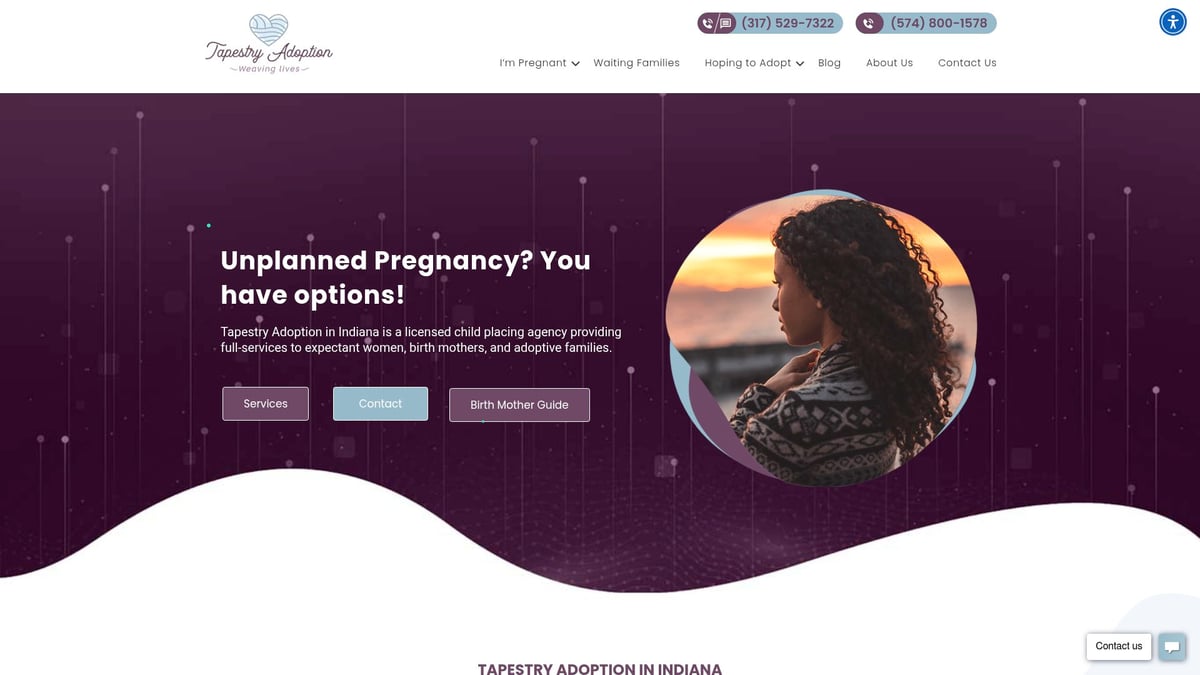
Birth mothers receive no-cost services, ensuring compassionate support throughout the process. For families, Tapestry delivers step-by-step guidance, helping you understand and plan for private adoption challenges. They serve Indiana residents and offer nationwide resources, making them a valuable partner for your adoption journey.
Planning Ahead: Budgeting and Preparing for Private Adoption in 2026
Planning for private adoption cost in 2026 isn’t just about crunching numbers. It’s about setting your family up for success and reducing surprises along the way. With rising costs and complex fees, a proactive approach gives you more control and confidence as you move through the adoption journey.
Start by building a comprehensive budget that accounts for every private adoption cost category. List out expected expenses, including agency or attorney fees, home study charges, birth parent expenses, travel, and post-placement costs. Don’t forget to factor in smaller items like document processing or notary fees. By mapping out each line item, you’ll avoid being blindsided by hidden costs.
Next, establish an emergency fund specifically for your private adoption cost plan. Unexpected situations can arise, like failed matches or additional legal work. Most experts recommend setting aside at least 10%–15% of your total adoption budget for these surprises. This cushion helps you stay on track, even if the process takes an unexpected turn.
Strategic timeline planning is also key. Align your savings and fundraising efforts with major adoption milestones. For example, some families find that planning 12–18 months ahead allows for better financial readiness and less stress. Use a calendar to break down your private adoption cost timeline into manageable phases, such as application, home study, and placement.
Utilize digital tools to keep expenses organized. Budgeting apps, spreadsheets, or even simple checklists can help you track payments, set reminders, and monitor progress. Consider creating a shared folder with your partner or support team to keep everyone in the loop about upcoming private adoption cost obligations.
Don’t overlook the value of professional advice. Financial advisors with adoption experience can offer tailored strategies and help you maximize resources. They can also guide you on taking advantage of available tax credits and grants. For instance, reviewing the Adoption Tax Credit Overview can help you estimate how much you might recoup after finalization, which is an essential part of your private adoption cost plan.
Finally, prepare emotionally and logistically for the realities of private adoption cost fluctuations. Even the best budget can’t predict every twist. Stay flexible, communicate often with your adoption professional, and remember that careful planning puts you in a stronger position to handle whatever comes your way.
Now that you have a clear understanding of private adoption costs in 2026 and how important it is to plan ahead, why not take the next step with confidence? If you’re an expectant mom considering adoption, having the right information and support can make all the difference—you don’t have to figure it out alone. We’ve helped so many women navigate this journey with care, honesty, and compassion. Download your Free Expectant Mother Guide to get expert advice, financial insights, and real stories from others who’ve been in your shoes. You deserve peace of mind as you make decisions for your future.