



Pregnancy and Adoption Guide: Navigating Choices in 2026
Facing an unplanned pregnancy in 2026 can bring a whirlwind of emotions and questions. The choices you make now will shape your future, and it is normal to feel overwhelmed or uncertain.
This guide is here to help you navigate pregnancy and adoption decisions with clarity and confidence. We aim to provide a balanced, up-to-date resource so you can make informed choices that align with your values and goals.
Inside, you will find practical guidance on understanding your options, the decision-making process, adoption pathways, legal and financial considerations, and support resources. We also highlight recent changes in laws and practices that may affect your journey.
No matter where you start, knowledge is power. Let this guide empower you to take the next step with support and assurance.
Understanding Your Options: Pregnancy Choices in 2026
Facing an unplanned pregnancy can feel overwhelming, especially with so many changes in the landscape of pregnancy and adoption in 2026. The choices you make now are deeply personal, and understanding each option is the first step toward making an empowered decision. Let’s break down what you need to know to move forward with confidence and clarity.

Your Three Primary Choices
When facing an unplanned pregnancy, there are three main paths to consider: parenting, adoption, or abortion. Each comes with its own emotional, practical, and legal dimensions. Understanding these options is essential for anyone navigating pregnancy and adoption decisions.
Here’s a quick comparison:
| Option | Description | Key Considerations |
|---|---|---|
| Parenting | Raising your child yourself or with support | Financial readiness, support systems, long-term planning |
| Adoption | Placing your child with another family through a legal process | Type of adoption, ongoing contact, emotional impact |
| Abortion | Ending the pregnancy through medical or surgical means | Gestational age, legal access, emotional and physical health |
No option is universally right or wrong. What matters is what aligns with your beliefs, values, and goals.
Factors That Influence Your Decision
Choosing between parenting, adoption, and abortion is rarely simple. Consider these influences:
- Personal values and beliefs: What matters most to you?
- Age and health: Are there medical or age-related concerns?
- Family situation: Do you have a partner or support network?
- Future goals: How will each choice impact your plans for education, career, or travel?
It’s helpful to write down your priorities and talk them through with someone you trust. Remember, the pregnancy and adoption journey is unique for everyone.
Confirming Pregnancy and Seeking Medical Advice
As soon as you suspect you might be pregnant, confirm it with a reliable test and schedule a medical appointment. Early confirmation helps you understand your gestational age, which is crucial for accessing all pregnancy and adoption options.
Regardless of your choice, start prenatal care immediately. The American College of Obstetricians and Gynecologists (ACOG) recommends:
- Taking prenatal vitamins with folic acid
- Avoiding alcohol, tobacco, and harmful substances
- Attending regular checkups
Early care protects your health and gives you the widest range of safe choices.
Understanding the Numbers: Trends and Legal Landscape
Unplanned pregnancies remain common in the United States, though rates have declined. According to the CDC, about 45 percent of pregnancies are unintended, and adoption rates have held steady but vary by region. Laws around pregnancy and adoption have become more complex, with significant differences from state to state.
Abortion access, waiting periods, and the adoption process can all depend on where you live. Before moving forward, check your local regulations to ensure you know your rights. For more details on your options, Unplanned pregnancy options and support is a helpful guide.
Navigating Information and Avoiding Misinformation
In your search for answers, you may encounter crisis pregnancy centers. These organizations often offer free pregnancy tests and counseling but may provide misleading or incomplete information, especially about abortion and adoption.
To protect yourself:
- Seek advice from licensed medical professionals
- Use government or reputable nonprofit resources
- Ask whether counselors have medical credentials
Reliable information is key to making the pregnancy and adoption decision that’s best for you.
The Decision-Making Process: Steps, Emotions, and Support
Making choices around pregnancy and adoption can feel overwhelming. Emotions, uncertainty, and pressure from many directions are common. You are not alone, and every step you take toward understanding your options builds your confidence and clarity. This section guides you through a thoughtful decision-making process, emphasizing support, honest reflection, and practical tools.

Evaluating Your Situation and Values
Start by taking a step back to reflect on your own values, beliefs, and life goals. The decision between parenting, adoption, or abortion is deeply personal. Write down what matters most to you right now and in the future.
A practical way to begin is by creating a pros and cons list for each path. Consider:
- Financial readiness: Do you have resources for parenting, or would pregnancy and adoption ease your situation?
- Support systems: Who can you rely on emotionally and practically?
- Impact on education or career: How might each choice affect your plans?
- Living arrangements: Is your current home suitable for a child, or would you need to make changes?
- Family dynamics: How will your decision affect your relationships?
Use the following table to help compare your options at a glance:
| Factor | Parenting | Adoption | Abortion |
|---|---|---|---|
| Financial Impact | Long-term costs | Assistance available | Variable |
| Support Needed | High | Moderate to High | Varies |
| Emotional Considerations | Ongoing | Grief, relief, closure | Mixed |
| Timeline | Ongoing | Placement, post-care | Short-term |
Reflecting honestly helps you align your decision with your values. Remember, pregnancy and adoption choices are not about pleasing others but about what sits right with you.
Seeking Professional and Emotional Support
You don’t have to navigate pregnancy and adoption alone. Consulting healthcare providers ensures you receive unbiased, accurate information about your health and all your options. Licensed counselors can help you process emotions and clarify your thoughts.
Support may also come from:
- Peer support groups: Connect with others facing similar decisions.
- Spiritual advisors: Offer guidance aligned with your beliefs.
- Trusted friends and family: Share your feelings and lean on those you trust.
Research shows that people who receive comprehensive counseling experience improved mental health and satisfaction with their decisions. For a thorough overview of medical and counseling options, check out Options for Unintended Pregnancies. Reaching out early can increase your choices and support systems for pregnancy and adoption.
Avoiding Misinformation and Crisis Pregnancy Centers
Unfortunately, not all resources are created equal. Crisis pregnancy centers may offer free tests and ultrasounds but often provide misleading or incomplete information. According to ACOG, many of these centers are staffed by non-medical personnel who may pressure you toward specific outcomes.
To identify trustworthy resources:
- Look for licensed medical staff.
- Ask about confidentiality and privacy policies.
- Seek organizations that present all options without judgment or pressure.
Choosing reliable support protects you from misinformation and helps you make the best decision about pregnancy and adoption.
Utilizing Decision-Making Tools and Resources
Decision-making tools can bring clarity and confidence. Evidence-based aids, such as online quizzes and checklists, help you weigh your feelings and priorities. Confidential hotlines, like the All-Options Talkline, offer non-judgmental support for any pregnancy and adoption questions.
Consider these resources:
- Online decision aids from reputable healthcare organizations
- Anonymous hotlines for emotional support
- Local agencies with licensed counselors
Acting early gives you more time to explore every pregnancy and adoption possibility. Use these tools to empower your next steps.
Adoption Pathways: Processes, Types, and What to Expect
Facing pregnancy and adoption decisions can feel overwhelming, but understanding each pathway makes the journey clearer. Whether you are exploring adoption for the first time or need updated information for 2026, this section breaks down what to expect, the choices available, and where to find trustworthy support.
Understanding the Adoption Process
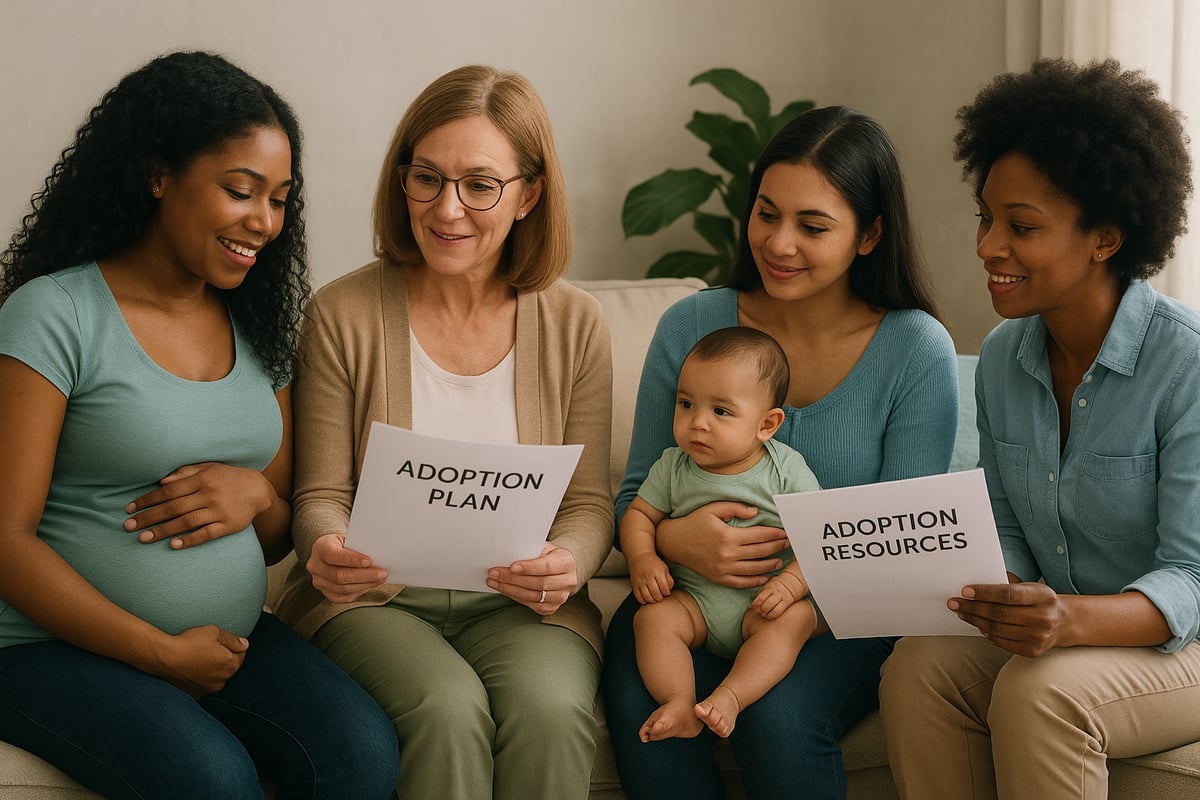
The adoption process is structured to protect the rights and well-being of everyone involved in pregnancy and adoption. It typically begins when an expectant mother contacts a licensed adoption agency or attorney. She receives counseling, discusses her wishes, and starts building an adoption plan. Legal steps include reviewing rights, understanding consent, and signing documents only after the birth.
Expectant mothers are encouraged to ask questions and take the time needed to make informed choices. Post-birth, there is a consent period before the adoption becomes final, with timelines varying by state. The process always centers on informed consent and legal protections for birth parents.
If you want step-by-step guidance, Creating an adoption plan offers practical insights tailored to your journey. Understanding your options early ensures you feel empowered and in control throughout the pregnancy and adoption experience.
Types of Adoption: Open, Semi-Open, and Closed
When considering pregnancy and adoption, it is vital to know the three main types: open, semi-open, and closed. In open adoption, birth parents and adoptive families share contact information and may maintain ongoing communication, like sharing photos or arranging visits. This approach is increasingly popular, allowing for transparency and connection.
Semi-open adoption allows for some information sharing, often through an agency or attorney, but limits direct contact. Letters, photos, or updates may be exchanged, but privacy is maintained as desired. Closed adoption means no identifying information is shared, and records are sealed.
Here is a quick comparison:
| Type | Information Shared | Ongoing Contact | Privacy Level |
|---|---|---|---|
| Open | Full | Yes | Low |
| Semi-Open | Partial | Limited | Medium |
| Closed | None | None | High |
Choosing the right type depends on your comfort level and long-term wishes for pregnancy and adoption.
Choosing an Adoption Agency or Professional
Selecting a reputable agency is a crucial step in the pregnancy and adoption journey. Look for licensed agencies with transparent practices, experienced staff, and positive reviews. Confirm they provide counseling, legal guidance, and support throughout the process.
Avoid unregulated facilitators who might not follow ethical standards. Reputable agencies should never pressure you or hide information. Check credentials, ask for references, and use federal resources like the Child Welfare Information Gateway to verify legitimacy. Your choice plays a major role in shaping your pregnancy and adoption experience.
Financial and Legal Considerations in Adoption
Financial and legal aspects of pregnancy and adoption can vary widely. Birth mothers often receive help with medical bills, legal fees, and living expenses, but what is allowed depends on state regulations. Agencies should explain all financial supports clearly, so there are no surprises.
Adoptive families cover most costs, including home studies and legal fees. Legal aid is available if needed. Understanding the rules in your state and receiving clear contracts protects your rights. Take your time, ask questions, and always work with professionals who prioritize your pregnancy and adoption needs.
Emotional and Post-Adoption Support
Emotional well-being is essential during and after pregnancy and adoption. Many expectant mothers experience a mix of relief, sadness, hope, or uncertainty. Ongoing counseling and support groups help process these emotions, making the adjustment smoother for everyone involved.
Studies show that birth parents with access to post-placement support report better mental health outcomes. Look for agencies or organizations offering free or low-cost counseling, peer groups, and check-ins. Prioritizing self-care is crucial for a healthy pregnancy and adoption journey.
Tapestry Adoption: Comprehensive Support for Expectant Mothers and Families
Tapestry Adoption is a licensed agency serving Indiana and families nationwide, providing full-service support for pregnancy and adoption needs. Their services include medical, financial, and housing assistance for expectant mothers, along with professional counseling and personalized adoption planning.
The agency’s ethical, faith-based approach ensures transparency and respect, with no-cost services for birth mothers. Adoptive families benefit from home studies, matching, and legal guidance. Tapestry Adoption is accessible to expectant mothers across the US, offering ongoing emotional support long after adoption is complete. Choosing a partner like Tapestry makes the pregnancy and adoption process clearer, safer, and more compassionate.
Legal Landscape: Navigating Laws and Rights in 2026
Navigating the legal landscape of pregnancy and adoption in 2026 can feel overwhelming, but understanding your rights and responsibilities is crucial. Laws continue to evolve, and knowing the specifics can empower you to make informed choices for your future and your family.

Key Adoption and Abortion Laws by State
The legal landscape for pregnancy and adoption varies widely across the United States. Some states have introduced new regulations on abortion access, including gestational limits, mandatory waiting periods, and parental consent requirements for minors. Meanwhile, adoption laws continue to shift, with states updating eligibility standards, consent rules, and timelines for finalization.
If you are considering pregnancy and adoption, it's essential to know that state laws may influence your options. For example, some states require a certain number of counseling sessions before adoption, while others have specific revocation periods during which a birth parent can change their mind. Abortion laws may also limit access based on gestational age or require additional steps like parental notification.
To help you stay informed, resources like the American College of Obstetricians and Gynecologists (ACOG) and the Child Welfare Information Gateway provide up-to-date legal summaries. For a closer look at how adoption laws differ by state, check the latest Adoption Requirements by State 2026 guide.
Understanding these differences is vital, as your legal rights and available choices can depend on where you live. When making decisions about pregnancy and adoption, always check current state guidelines and consult a professional for personalized advice.
Rights of Birth Parents and Adoptive Families
When navigating pregnancy and adoption, knowing your rights is empowering. Birth parents have the right to informed consent, meaning you should receive all necessary information before making any decisions. States also set specific revocation periods, which allow birth parents to change their mind within a set timeframe after signing consent.
Privacy is another key consideration. In most states, birth parents can choose how much information is shared with adoptive families. Adoptive families, on the other hand, have legal obligations to complete background checks, home studies, and follow placement procedures. Once an adoption is finalized, they gain full parental rights and responsibilities for the child.
Recent changes in some states have expanded protections for both birth parents and adoptive families, emphasizing transparency and ethical practices. Staying informed about your rights ensures you can confidently move forward in your pregnancy and adoption journey.
International and Interstate Adoption Considerations
If you are exploring pregnancy and adoption across state lines or internationally, extra legal steps are involved. Interstate adoptions must comply with the Interstate Compact on the Placement of Children (ICPC), which ensures placements meet the laws of both the sending and receiving states. This process can add time and paperwork, but it is designed to protect everyone involved.
International adoptions involve even more documentation, such as visas, home studies, and compliance with both U.S. and foreign laws. Agencies and legal professionals specializing in international adoption can guide you through these requirements, making sure you meet all necessary standards.
Being aware of these additional steps helps prevent delays and ensures your pregnancy and adoption process is handled legally and ethically.
Protecting Yourself Legally and Ethically
When dealing with pregnancy and adoption, always secure legal representation from an attorney experienced in family law or adoption. Never sign contracts or consent forms without fully understanding them. Watch for common pitfalls, like unlicensed facilitators or promises that sound too good to be true.
Ethical practices protect your rights and your child’s future. Choose licensed agencies, ask for written documentation, and seek advice from reputable sources. Taking these steps gives you peace of mind as you move forward with pregnancy and adoption.
Financial, Medical, and Practical Support Resources
Facing an unplanned pregnancy and adoption decision can feel overwhelming. Knowing where to find real help is crucial for your health, stability, and confidence. In 2026, a wide range of support systems is available, designed to make sure no one has to navigate this journey alone.

Accessing Financial Assistance and Healthcare
Financial support is one of the biggest concerns for anyone considering pregnancy and adoption. Fortunately, there are several resources to help with medical expenses, living costs, and legal fees.
Common sources of financial help:
- Medicaid: Covers prenatal visits, delivery, and hospital stays for eligible individuals.
- Licensed adoption agencies: Many offer assistance for medical bills, transportation, maternity clothing, and sometimes rent or groceries.
- Legal aid organizations: Help with adoption-related legal costs.
- State programs: Some states provide additional grants or support for pregnant individuals pursuing adoption.
Typical medical coverage includes:
- Prenatal care and checkups
- Ultrasounds and lab tests
- Labor and delivery costs
- Postpartum care
According to recent data, the average cost of pregnancy and adoption-related medical care in the US is significant, but with the right support, out-of-pocket expenses can be greatly reduced. Start by confirming eligibility for Medicaid and asking agencies about covered services. Taking early action ensures you can maximize available options for pregnancy and adoption support.
Housing and Practical Support for Expectant Mothers
Safe, stable housing is essential during pregnancy and adoption planning. Many agencies and nonprofits offer help to make sure expectant mothers have a secure place to stay.
- Maternity homes: Provide temporary housing, meals, and emotional support.
- Agency housing assistance: Some adoption agencies arrange apartments or cover rent.
- Practical help: Transportation to appointments, grocery assistance, and maternity clothes are often available.
These supports remove daily stress, letting you focus on health and decision-making. If you’re considering pregnancy and adoption, ask your provider or agency about local housing resources and practical aid.
Counseling and Mental Health Resources
Emotional well-being is just as important as physical health during pregnancy and adoption. Access to professional counseling, support groups, and mental health care can make a significant difference.
Organizations like All-Options and local agencies offer free or low-cost counseling for pregnant individuals. Support groups connect you with others facing similar choices, providing encouragement and understanding. For a comprehensive list of counseling options and emotional support, visit Emotional support for birth mothers.
Never hesitate to reach out for help. Regular counseling can boost resilience, reduce anxiety, and promote positive outcomes throughout the pregnancy and adoption journey.
Educational and Community Resources
Reliable information and community connections are vital when making decisions about pregnancy and adoption.
- Government guides and FAQs: State health departments and reputable agencies offer detailed resources.
- Parenting classes: Available through hospitals, community centers, and online.
- Local and online forums: Connect with others for advice, shared experiences, and encouragement.
Taking advantage of these tools can empower you to make informed, confident choices.
Parenting After Pregnancy: Planning, Resources, and Realities
Becoming a parent after an unplanned pregnancy can feel overwhelming, yet it is also an opportunity for growth and resilience. While recent U.S. Pregnancy Rates Drop During Last Decade statistics show some declines in unplanned pregnancies, many still face the practical and emotional realities of choosing to parent. Navigating pregnancy and adoption options means preparing for both immediate and long-term responsibilities, and building a strong foundation for your family’s future.
Preparing for Parenting: Steps and Considerations
Getting ready for parenting after pregnancy and adoption decisions requires careful planning and self-reflection. Start by reviewing your current living situation. Is your housing stable and safe for a child? Consider whether you need to relocate, find a larger space, or access temporary housing support.
Next, evaluate your financial situation. Budgeting is crucial, as raising a child involves expenses for healthcare, diapers, food, and childcare. Use ACOG’s checklist to ask yourself:
- Do I have a reliable source of income?
- Have I explored assistance programs?
- What are my childcare options?
Healthcare is another priority. Schedule regular checkups for yourself and your baby, and ensure that immunizations and developmental milestones are tracked. Think about who can help you with daily tasks, whether it’s a partner, friend, or family member.
A helpful way to organize your preparations is with a table:
| Parenting Preparation Checklist | Considerations |
|---|---|
| Secure housing | Safe, stable, child-friendly |
| Plan budget | Income, expenses, assistance programs |
| Arrange childcare | Trusted provider, flexible hours |
| Access healthcare | Prenatal, pediatric, ongoing care |
| Build support system | Family, friends, community resources |
Taking these steps helps make the transition smoother and supports your journey through pregnancy and adoption decisions.
Building a Support Network and Accessing Services
No one parents alone. Building a strong support network is vital for those navigating pregnancy and adoption. Start with your immediate circle: family and friends who can offer emotional support, practical help, or even just encouragement on tough days.
Tap into community resources designed for new parents. Programs like WIC (Women, Infants, and Children) and SNAP (Supplemental Nutrition Assistance Program) can help cover food and nutrition needs. Childcare subsidies may be available through local agencies, making it easier to balance work or school.
Parenting classes, often offered by hospitals or community centers, provide valuable education and a chance to connect with others in similar situations. These resources can ease the adjustment to parenting after pregnancy and adoption choices.
Navigating Work, Education, and Life Transitions
Balancing parenting with work or school can be challenging, but many have succeeded by seeking flexible solutions. Consider remote work options, part-time schedules, or jobs with family-friendly policies. Some employers offer parental leave or childcare benefits, so ask about available support.
For students, many schools and colleges provide on-campus childcare, flexible class schedules, or online learning options. If you’re returning to education after pregnancy and adoption decisions, speak with a counselor about accommodations and resources.
Remember, adjusting your goals is normal. With creativity and support, you can continue your personal development while parenting.
Long-Term Planning and Child Wellbeing
Looking ahead, set goals for both yourself and your child. Regular healthcare visits, developmental screenings, and consistent routines help ensure your child’s wellbeing. Long-term planning, such as saving for education or securing stable housing, strengthens your family’s future.
Staying proactive with pregnancy and adoption resources keeps you informed and empowered as you navigate parenting. Celebrate your progress and seek support whenever needed.
If you’re feeling overwhelmed by your pregnancy choices, you’re not alone—you deserve honest answers, practical support, and a clear path forward. We’ve talked about everything from understanding your options to navigating legal details, because this journey isn’t easy and every decision matters. If you want even more guidance and real-life advice from people who truly understand, don’t miss our Free Expectant Mother Guide. It’s packed with tips, resources, and supportive stories—so you can make decisions with confidence, knowing you’re not doing this on your own.