


Parent Adoption Guide: Essential Steps and Insights for 2026
Are you thinking about parent adoption in 2026? You are not alone. More families than ever are exploring this rewarding path, but the process can seem overwhelming at first.
With new laws and changing requirements, understanding parent adoption takes research, planning, and the right support. Many hopeful parents have questions about eligibility, costs, and what to expect emotionally along the way.
This guide breaks down every step, offering expert insights and up-to-date advice. You will discover the different types of adoption, how to navigate legal steps, what to consider emotionally, tips for choosing agencies, and real stories from families who have been there.
By preparing now, you can make your parent adoption journey smoother, more ethical, and truly life-changing.
Understanding Parent Adoption in 2026: Trends, Types, and Key Considerations
Thinking about parent adoption in 2026? You are not alone. As more families explore this life-changing path, the landscape of parent adoption is evolving rapidly. Understanding the process, trends, and key considerations is crucial to making informed, ethical choices.

What Is Parent Adoption in 2026?
Parent adoption is the legal process where an adult assumes the parenting rights and responsibilities for a child who is not biologically theirs. In 2026, parent adoption carries even more significance as society embraces diverse family forms and prioritizes a child’s well-being above all else.
People pursue parent adoption for many reasons. Some want to grow their families, others wish to provide stability for a child in need, and many step-parents or relatives seek to formalize their role. The importance of parent adoption lies in creating lifelong legal and emotional bonds that benefit both the child and the adoptive family.
Key Trends Shaping Parent Adoption
The world of parent adoption in 2026 is marked by several notable trends. One major shift is the growing diversity among adoptive families. Single parents, LGBTQ+ couples, and families from various cultural backgrounds are increasingly represented.
Another trend is greater openness in adoption. More families are choosing open or semi-open arrangements, where birth and adoptive families share information and, sometimes, ongoing contact. This shift helps children develop a strong sense of identity.
Legislative changes are also shaping parent adoption. In recent years, states have updated laws to make the process more inclusive and transparent. New regulations are designed to protect children’s rights and ensure ethical practices.
Types of Parent Adoption: What Are Your Options?
Prospective parents have several options when considering parent adoption. The main types include:
- Domestic infant adoption: Adopting a newborn within the U.S.
- Foster-to-adopt: Parenting a child from foster care with the goal of permanent adoption.
- International adoption: Adopting a child from another country, following both U.S. and international laws.
- Kinship adoption: Relatives, such as grandparents or aunts, adopt a child within their family.
- Step-parent adoption: A step-parent legally adopts their spouse’s child, often solidifying existing relationships.
Each path to parent adoption comes with its own requirements, timelines, and emotional considerations. For a detailed comparison, see Differences Between Adoption Types.
Open, Semi-Open, or Closed: Understanding Adoption Openness
Openness in parent adoption refers to how much contact and information is shared between birth and adoptive families.
- Open adoption allows ongoing communication and relationships.
- Semi-open adoption might involve letters or photos exchanged through an agency.
- Closed adoption keeps records and contact private.
Research and experience show that open parent adoption can support a child’s sense of identity and reduce feelings of loss. According to the Adoption Network, the rise in open adoptions has helped many adoptees feel more secure and connected.
Critical Considerations for Prospective Parents
Choosing parent adoption means considering more than the legal process. The child’s best interests should always come first. Think about cultural and racial identity, especially in transracial adoptions, and how your family will honor and integrate a child’s background.
Long-term family dynamics also matter. How will parent adoption affect siblings, extended family, and future relationships? Honest conversations and preparation are key.
Facts, Myths, and Why Ethics Matter
Parent adoption is often misunderstood. One common myth is that adoption and foster care are the same, but foster care is usually temporary, while adoption is permanent.
Society’s views are shifting, with more acceptance of LGBTQ+ and single-parent adoptions. In 2025, over 115,000 U.S. children found permanent homes through adoption, with a growing share coming from diverse families.
Ethical adoption practices are critical. Transparency, informed consent, and respect for everyone involved ensure a positive outcome for the child and all families. As you consider parent adoption, prioritize agencies and professionals who value ethics and openness.
Step-by-Step Guide to the Adoption Process
Embarking on a parent adoption journey in 2026 requires careful planning, open-mindedness, and informed decision-making. Each step brings new insights and responsibilities. This guide walks you through the process, equipping you with practical strategies and real-world examples to help you navigate parent adoption with confidence.
Step 1: Self-Assessment and Preparation
Before starting the parent adoption process, take time for honest self-reflection. Are you emotionally and financially ready to welcome a child? Discuss your motivations and expectations with your partner or family members.
Talk openly about lifestyle changes, support systems, and possible challenges. Many families experience initial doubts or fears. For example, some worry if they can truly bond with an adopted child. Joining counseling sessions or local support groups can provide reassurance and shared wisdom.
- Evaluate your parenting goals
- Identify support networks
- Seek advice from experienced adoptive parents
Preparation is key to a smooth parent adoption experience.
Step 2: Researching Adoption Types and Choosing the Right Path
Explore the different options available in parent adoption: domestic infant, foster-to-adopt, international, kinship, and step-parent adoption. Each path has unique benefits and challenges.
Consider factors like the age of the child, level of openness with birth families, cultural background, and legal complexity. For instance, step-parent adoption is ideal when a stepparent wants to secure legal rights for a child already in their care.
To make the best choice, match the adoption type to your family’s goals and resources. Compare timelines, costs, and required commitments before moving forward with parent adoption.
Step 3: Meeting Eligibility and Legal Requirements
Eligibility for parent adoption in 2026 includes specific criteria: age (usually 21+), marital status, background checks, and residency requirements. You’ll undergo a home study, which involves interviews, home visits, and document review.
Be prepared to provide financial statements, references, and medical records. Laws vary by state, so check local and federal regulations. For example, some states have relaxed requirements for LGBTQ+ and single-parent adoption, while others maintain stricter guidelines.
Stay updated on recent legal changes that may impact parent adoption. If you encounter barriers, seek guidance from adoption professionals or legal experts. Use resources like state law guides to compare requirements and navigate the process confidently.
Step 4: Selecting an Adoption Agency or Professional
Choosing the right agency or professional is crucial for a successful parent adoption. Look for accredited organizations with strong ethical standards, transparency, and comprehensive support services.
Ask questions about their experience, approach to matching, and post-placement support. Ensure their values align with yours. Understand the difference between agencies, facilitators, and attorneys. For example, agencies often provide more support, while independent facilitators focus on specific legal steps.
Did you know that most adoptions in the U.S. are facilitated by agencies rather than independent professionals? Selecting the right partner can set the tone for your entire parent adoption journey.
Step 5: Completing the Application and Home Study
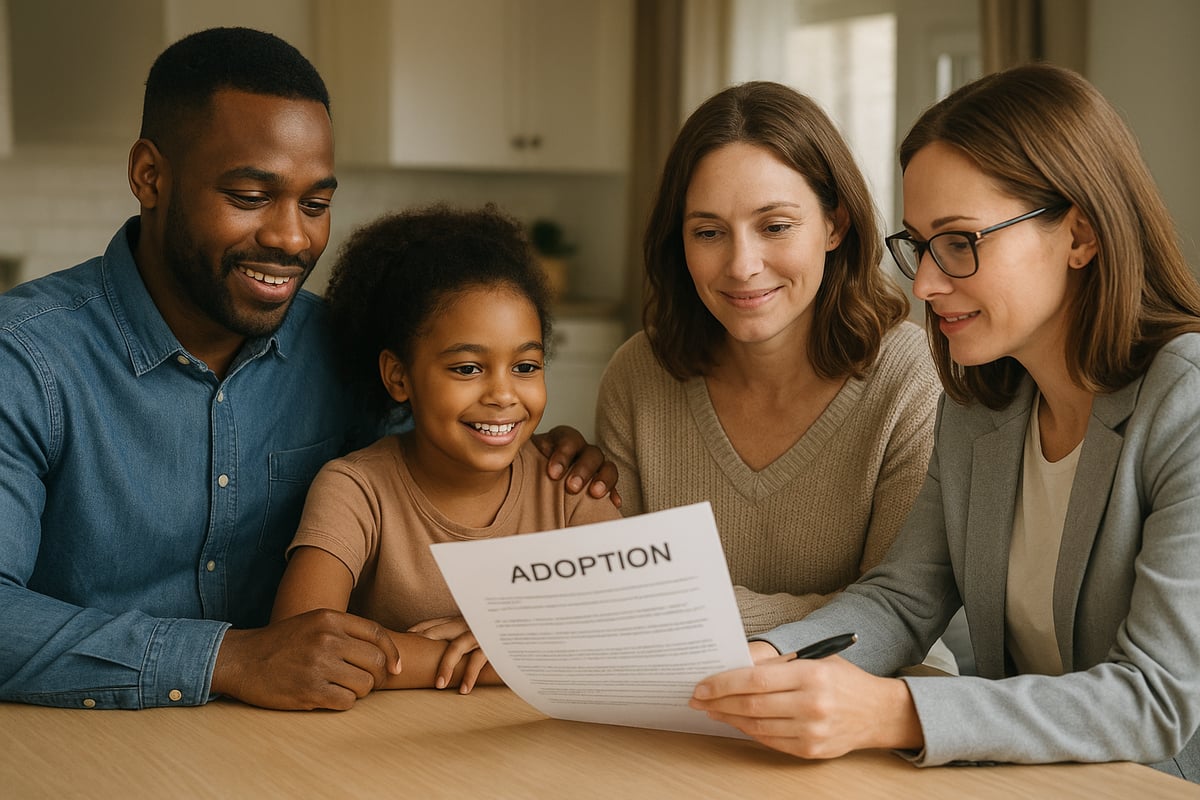
The application stage in parent adoption involves detailed paperwork and multiple steps. Prepare to submit financial records, references, and health clearances. The home study includes interviews, home visits, and assessments of your readiness.
To boost your chances of success, organize documentation early and be transparent in interviews. Families often stumble on missing paperwork or unclear answers. For a comprehensive overview of what to expect during this stage, visit the Home Study Process Explained resource.
- Review required documents ahead of time
- Practice answering typical interview questions
- Address any safety issues at home
With preparation, the home study becomes a valuable learning step in parent adoption.
Step 6: Matching and Placement
During this phase, agencies work to match children with families based on needs, preferences, and compatibility. In open and semi-open adoptions, birth parents may participate in the matching process.
Prepare for your first meeting with the child by learning about their background and interests. Many families describe this as a mix of excitement and nerves. Waiting for a match can be challenging, so stay patient and use support networks for encouragement.
Stories of successful matches show that flexibility and open communication lead to strong bonds in parent adoption.
Step 7: Legal Finalization and Post-Placement Supervision
The final step in parent adoption involves court hearings, paperwork, and the official adoption decree. After placement, expect several post-placement visits and progress reports.
The timeline from placement to finalization varies, often ranging from a few months to a year. Common legal hurdles include delayed paperwork or additional court requirements. Most families find this stage rewarding as they officially welcome their child through parent adoption.
Emotional, Financial, and Practical Realities of Adoption
Adoption is a profound journey, filled with a spectrum of emotions, new financial realities, and practical adjustments. Every parent adoption story is unique, but understanding the realities ahead empowers families to thrive.

Emotional Realities of Parent Adoption
The emotional journey of parent adoption is complex. Parents often feel joy, hope, and excitement, but also anxiety, grief, and uncertainty. Children may experience confusion or fear, especially during big transitions.
It’s common for both parents and children to grieve lost connections or expectations. Attachment may not happen overnight. Open conversations and patience help build trust and security.
Many families find reassurance in connecting with others who have walked a similar path. For a deeper look at the emotional landscape, visit Emotional Realities of Adoption.
Financial Realities and Planning
Parent adoption involves significant financial planning. Costs vary depending on the type—domestic infant, international, or foster care. On average, domestic adoptions can range from $20,000 to $45,000, while international adoptions may exceed $50,000. Foster-to-adopt is often less expensive, sometimes with state assistance.
Families often use a combination of savings, grants, fundraising, and tax credits to manage expenses. Planning ahead relieves stress and allows families to focus on the child’s needs.
Here’s a summary table of average costs:
| Adoption Type | Average Cost (USD) |
|---|---|
| Domestic Infant | $20,000–$45,000 |
| International | $35,000–$55,000 |
| Foster-to-Adopt | $0–$5,000 |
Budgeting carefully is key for a successful parent adoption journey.
Navigating Relationships with Birth Families
Open and semi-open adoptions are increasingly common in parent adoption. These arrangements can benefit the child by maintaining important connections and supporting identity development.
Navigating these relationships takes empathy, boundaries, and communication. Many families report initial uncertainty, but over time, open adoption agreements often lead to positive outcomes for all parties.
It’s helpful to set expectations early and seek guidance from professionals on managing ongoing contact with birth parents.
Addressing Adoption Trauma and Support Resources
Adoption can bring joy but also trauma, especially if the child experienced loss or instability. Parent adoption calls for sensitivity and often, professional support.
Counseling and therapy, both before and after placement, can help families process emotions and build resilience. Support groups offer a safe space to share experiences and learn from others.
Adoptive parents should prioritize mental health resources for themselves and their children to ensure long-term well-being.
Practical Preparation and Ongoing Education
Preparing your home and family for parent adoption involves more than paperwork. Create a welcoming, safe environment, and educate all family members about adoption.
Ongoing learning about adoption topics—such as trauma, cultural identity, and developmental milestones—supports a healthy transition. Many families benefit from workshops, books, and online communities.
Above all, remember that parent adoption is a journey, not a destination. Stay open to learning, seek support, and celebrate every milestone with your child.
Legal, Ethical, and Cultural Insights for Adoptive Parents
Navigating the legal, ethical, and cultural landscape of parent adoption in 2026 is crucial for every adoptive family. Understanding your rights and responsibilities after finalization empowers you to make informed decisions and advocate for your child’s best interests. Parent adoption transforms legal relationships, granting full parental authority and responsibilities. This includes providing for the child’s welfare, education, medical needs, and emotional development. Families should familiarize themselves with state and federal regulations, as requirements can shift yearly. Staying informed ensures you maintain compliance and protect your family's future.

Ethical Adoption: Informed Consent and Transparency
Ethical practices are at the heart of responsible parent adoption. Informed consent from birth parents, transparency about the process, and respect for the child’s history are non-negotiable. Every party deserves honesty and clarity regarding their rights, expectations, and the child’s background. Unethical behaviors, such as coercion or lack of full disclosure, can cause long-term harm. Adoptive parents must seek agencies and professionals who prioritize ethical standards and provide clear documentation at every stage. Staying vigilant ensures the adoption serves the child’s best interests and upholds integrity in your journey.
Cross-Cultural and Transracial Adoption Insights
Parent adoption often bridges cultures and races, creating unique family dynamics. Embracing a child’s cultural roots is essential for identity development and emotional health. Families who honor a child’s heritage—by celebrating traditions, learning the language, and connecting with cultural communities—see positive outcomes in self-esteem and belonging. In 2026, open adoption agreements are increasingly enforced by courts, providing legal frameworks for ongoing contact with birth families. This openness fosters transparency and helps adoptees maintain connections to their origins, which research shows supports healthy adjustment.
Step-Parent and Kinship Adoption: Legal and Ethical Essentials
Step-parent and kinship parent adoption present specific legal and ethical considerations. Each state has unique protocols, so working with knowledgeable professionals is vital. For example, in Indiana, step-parent adoption involves consent, background checks, and court hearings; learn more from this Step-Parent Adoption in Indiana overview. Be alert to red flags like promises of shortcuts or minimal background checks, as these may signal unethical practices. Post-adoption, legal support and counseling resources help families adjust and thrive, ensuring the child’s long-term wellbeing and legal stability.
Choosing the Right Support: Agencies, Professionals, and Community Resources
Choosing the right support system can make all the difference in your parent adoption journey. With so many agencies, professionals, and resources available, it is essential to know what to look for and how to evaluate your options.
Finding Professional Support
When starting the parent adoption process, your choice of agency or professional sets the tone for your experience. Look for licensed, accredited agencies known for ethical practices, transparency, and comprehensive services. Ask about their experience with your chosen type of parent adoption, whether domestic, international, or foster-to-adopt.
For international parent adoption, ensure your agency or attorney is familiar with intercountry requirements. The USCIS Adoption Process Overview offers a clear explanation of procedures, documents, and legal steps for adopting from abroad, helping you avoid common pitfalls.
Evaluate the agency's counselor credentials, post-placement support, and responsiveness. Ask for references from families who completed parent adoption with them. A good professional will guide you through paperwork, home studies, and legal filings while providing emotional support.
| Support Role | What They Offer | Questions to Ask |
|---|---|---|
| Agency | Full-service adoption, home study | Accreditation, ethical policies |
| Attorney | Legal filings, court representation | Experience, communication style |
| Counselor | Emotional support, trauma guidance | Adoption-competent training |
Leveraging Community and Peer Resources
Beyond professionals, peer and community resources are vital for parent adoption success. Local and online support groups connect you with families at every stage, offering real-world advice and reassurance. Many share stories about navigating the highs and lows of parent adoption, helping you feel less alone.
Educational workshops, webinars, and forums provide insights into attachment, cultural identity, and post-placement adjustment. Experienced parents often recommend trauma-informed care and ongoing learning, especially for those adopting older children or sibling groups.
Financial support is another key resource. Grants, loans, and the Adoption Tax Credit for 2026 can ease the burden of parent adoption expenses. Explore all available options early, as application deadlines can vary.
Critical Role of Ongoing Support
Sustained support is not just helpful, it is crucial for healthy parent adoption outcomes. Studies show that families who use post-adoption counseling, educational resources, and peer networks report higher satisfaction and stability.
Ongoing support addresses challenges that may arise years after finalization, from identity questions to school transitions. Trauma-informed professionals can help parents and children process emotions and build secure attachments.
For unique circumstances, such as step-parent or kinship adoptions, specialized resources and legal guidance ensure the process remains smooth and ethical. Remember, successful parent adoption is not a one-time event but a lifelong journey, made easier with the right support at every stage.
Real Stories and Lessons Learned: Firsthand Insights from Adoptive Families
Every parent adoption journey is paved with unique stories, unexpected detours, and valuable lessons. While guides and checklists matter, nothing compares to hearing directly from families who have walked the path before you. Their experiences reveal the joys, surprises, and realities that statistics alone can’t capture.
Domestic Infant Adoption: A Journey of Openness
For many, parent adoption begins with the hope of welcoming a newborn. One couple, Sarah and Mike, shared how openness with their child’s birth mother shaped their family in ways they never expected. They built a relationship based on trust and mutual respect, which helped their daughter understand her story from the start.
They admit it wasn’t always easy. Navigating boundaries and emotions meant regular communication and flexibility. Still, the support from their agency and a strong community helped them adjust. Looking back, they say embracing openness was the single most important decision in their parent adoption journey.
Foster-to-Adopt: Building Resilience and Trust
Foster-to-adopt families often face a different set of challenges. Lisa, a single mom, described the emotional rollercoaster of caring for siblings in foster care. She was honest about the uncertainty and attachment issues that surfaced, especially during long waits for legal finalization.
With patience and trauma-informed support, Lisa and her children slowly built trust. She credits her success to ongoing education and connecting with other foster-to-adopt parents. Her story highlights the resilience needed for parent adoption and the importance of preparing for both setbacks and breakthroughs.
Step-Parent Adoption: Balancing Old and New Bonds
Step-parent adoption brings its own complexities, especially around blending families and honoring existing relationships. Mark, who adopted his wife’s teenage son, shared how they navigated loyalty conflicts and the child’s connection to his biological father.
Through open conversations and professional guidance, Mark’s family found a balance that respected everyone’s feelings. He emphasizes that maintaining honest dialogue and setting realistic expectations made a significant difference. For many, step-parent adoption is less about paperwork and more about building trust and security over time.
Real-World Insights and Takeaways
Across all types of parent adoption, families agree on a few core lessons. First, flexibility is essential. Second, support networks—whether online or in-person—can make the journey less isolating. Third, it’s normal to face doubts or setbacks, but perseverance pays off.
Recent data from the National Adoption Statistics 2025 shows most families report high satisfaction rates after finalization, regardless of adoption type. Listening to real stories and learning from others’ experiences can transform your own parent adoption process from daunting to deeply rewarding.
As you wrap up this guide, remember that every adoption journey is unique and filled with both exciting and challenging moments. Whether you’re an expectant mom seeking guidance or a family preparing for a home study, having the right support makes all the difference. You don’t have to navigate the complex legal steps and emotional decisions alone—we’re here to help you every step of the way. If you’re ready to take the next step toward building your family, don’t miss your chance to save with $100 Off Cost of Home Study. Let’s make your adoption story in 2026 a success together!