



Family Adoption Guide: Navigating the Journey in 2026
The journey to family adoption in 2026 is filled with hope, unforgettable moments, and important decisions. Every year, more families are inspired to open their hearts and homes, drawn by the promise of building a brighter future together.
Adoption changes lives, but the process can feel overwhelming without the right guidance. If you want to understand the steps, avoid common pitfalls, and make confident choices, you are in the right place.
This family adoption guide provides the latest insights, step-by-step directions, and expert tips for navigating adoption in 2026. Discover the types of adoption, legal and financial details, required steps, support resources, and what comes after finalization.
Understanding Family Adoption in 2026
The landscape of family adoption is evolving rapidly, shaped by new laws, shifting societal attitudes, and a growing focus on the best interests of children. In 2026, families embarking on this journey can expect more transparency, changing requirements, and increased support than ever before.

Defining Family Adoption Today
Family adoption refers to the legal process of permanently welcoming a child into a family, granting them the same rights and responsibilities as a biological child. Over the years, family adoption has expanded to include domestic, international, and kinship arrangements, reflecting a commitment to meeting the needs of diverse families.
In 2026, several trends define the field. There is a noticeable rise in demand for family adoption, driven by both changing demographics and greater public awareness. Laws are evolving, with more states granting adoptees access to original birth records, promoting openness and healing. For example, Minnesota’s updated policies make it easier for adoptees to access birth information and support networks through Northstar Care for Children.
Understanding the distinctions between adoption, foster care, and kinship care is crucial. Adoption provides permanent legal ties, while foster care is temporary, and kinship care involves relatives stepping in without always formalizing adoption. State agencies, private agencies, and independent professionals all play unique roles in guiding families through the process.
Recent statistics reveal that more than 120,000 adoptions occur annually in the United States, with the majority being from foster care, followed by private domestic and international placements. For a detailed breakdown of these trends, refer to this Adoption Statistics Overview.
Cultural sensitivity and diversity are at the forefront of modern family adoption, ensuring that placements honor the child’s heritage and identity. The focus is on creating stable, loving homes while respecting each family's unique background.
Types of Adoption Pathways
Families considering family adoption in 2026 have several pathways to explore. Private domestic adoption typically involves working with agencies or attorneys to adopt infants or older children within the United States. Public or foster care adoption connects families with children in the foster system, often with state support and shorter timelines.
International adoption requires navigating the laws of both the U.S. and the child’s country of origin, with stricter regulations and shifting eligibility criteria in recent years. Kinship adoption allows relatives to formalize their caregiving roles, offering stability while maintaining family bonds. Step-parent adoption enables a spouse to adopt their partner’s child, streamlining legal guardianship within blended families.
The table below summarizes key features of each adoption pathway:
| Adoption Type | Typical Timeline | Key Requirements | Support Available |
|---|---|---|---|
| Private Domestic | 1-2 years | Agency/home study | Legal, counseling |
| Foster Care | 6-18 months | Foster license | State subsidies |
| International | 2-3 years | Country-specific laws | Agency, legal, travel |
| Kinship | Varies | Family relationship | State, legal |
| Step-Parent | Few months | Marriage, consent | Legal, minimal home study |
State programs, such as Minnesota’s Northstar Care for Children, provide guidance and financial assistance for both kinship and foster care adoption, making the process more accessible. Differentiating between kinship and foster care is especially important, as each has unique legal and support structures.
Family adoption in 2026 is more inclusive and adaptable than ever before, offering tailored pathways to help every child find their forever home.
Preparing for Adoption: Steps and Requirements
Starting your family adoption journey means preparing with intention and care. Every step, from assessing your readiness to navigating legal requirements, is designed to ensure the best possible match for both child and family. Understanding what lies ahead can help you approach the process with confidence.

Eligibility and Initial Considerations
Before diving into family adoption, it's crucial to understand who is eligible and what’s required. Most states allow individuals over 21 to adopt, whether single, married, or partnered. Some states have residency requirements, while others may accept out-of-state applicants. Federal guidelines also apply, especially for international family adoption.
Assess your readiness honestly. Are you emotionally prepared for the changes adoption brings? Reflect on your motivations: Are you looking to expand your family, provide a home to a child in need, or both? Open communication with your partner and family is essential. Consider the impact on your lifestyle, finances, and support system.
Start by researching agencies and professionals experienced in family adoption. Look for organizations with a proven track record, transparent fees, and positive testimonials. Gather essential documents, including identification, marriage or divorce certificates, proof of income, and references. Background checks are standard, ensuring the safety and well-being of the child.
For example, Indiana requires adoptive parents to complete criminal background checks, provide medical statements, and participate in interviews. Meeting state-specific requirements early helps avoid delays later in the process.
The Home Study Process
The home study is a pivotal part of the family adoption journey. Its main goal is to evaluate your home environment, relationships, and readiness to welcome a child. This comprehensive review includes interviews, home visits, and financial assessments. Social workers will discuss your parenting style, daily routines, and plans for supporting the child's needs.
Expect to provide detailed documentation, such as tax returns, employment verification, and personal statements. The home study involves multiple meetings and can take several months. Costs vary by state and agency, but many offer sliding scale fees or subsidies for qualifying families.
Preparation is key. Tidy your home, organize paperwork, and be ready to answer questions about your background and values. Challenges may arise, such as gathering references or addressing safety concerns, but transparency and cooperation go a long way. For step-parent or kinship family adoption, the home study may be streamlined, focusing on existing relationships and the child's well-being.
If you want a deeper look at what to expect, check out this guide on Understanding the home study process.
Legal and Ethical Considerations
Legal steps in family adoption ensure the process is ethical and secure for all parties. Consent is a core requirement: birth parents must voluntarily relinquish their rights, or the court must terminate them when necessary. After consent, the adoption moves to court finalization, where a judge reviews the case and issues a final decree.
Ethical practices are vital. Agencies should provide birth parents with counseling, inform them of their rights, and support them through the decision. Transparency is key: all parties must understand the terms, including open or closed adoption arrangements.
Navigating interstate or international family adoption adds complexity. Laws differ by state and country, so working with knowledgeable professionals is essential. For example, Minnesota recently updated its laws to allow adult adoptees access to original birth records, promoting transparency and honoring adoptee rights.
Understanding these legal and ethical dimensions helps families build trust and security throughout their family adoption journey. Taking a proactive approach ensures that every step is handled with care, respect, and compliance.
Navigating the Adoption Process: Step-by-Step Guide
Embarking on the family adoption journey in 2026 can feel overwhelming, but breaking the process into clear steps makes it manageable. This guide will walk you through each critical stage, helping you make informed decisions and move forward with confidence.

Step 1: Choosing the Right Adoption Path
The first step in family adoption is selecting the pathway that aligns with your family’s needs and goals. Options include private domestic, public/foster care, international, kinship, and step-parent adoption. Each path has unique requirements, costs, and timelines.
Consider these factors as you evaluate your options:
- Budget: Some paths have higher upfront costs.
- Timeline: Foster care adoption may move faster than international adoption.
- Legal complexity: International adoptions often involve more legal steps.
- Family preferences: Open versus closed adoption, age and needs of the child.
Consult with adoption professionals and research your state’s guidelines. Many families find decision-making flowcharts from state agencies helpful in visualizing their options. For a deeper look at each pathway, visit Types of adoption explained to compare processes, eligibility, and benefits. Taking time at this stage increases your chances of a smooth family adoption experience.
Step 2: Completing the Home Study and Required Training
A home study is mandatory for every family adoption. This process ensures your home and family environment are safe and prepared for a new child. Home studies include interviews, background checks, financial assessments, and at least one home visit.
You’ll need to gather documents such as:
- Identification and proof of residency
- Medical and financial records
- References from friends or employers
Training is also required in many states. Topics often include parenting skills, trauma-informed care, and cultural competency. For example, Northstar Care for Children provides specialized courses to prepare families for the unique challenges of adoption.
The home study can feel invasive, but remember, it’s designed to support the best interests of the child. Being open and prepared helps this family adoption step move smoothly.
Step 3: Matching with a Child or Birth Parent
After your home study, the matching process begins. Agencies or professionals will guide your family through creating an adoption profile and home presentation. These tools help connect you with children or birth parents who share your values and hopes.
Matching can take weeks or months, depending on the adoption path. Foster care adoptions may involve waiting lists, while private domestic adoption relies on birth parents choosing a family. International adoption requires coordination with foreign agencies and may have additional delays.
You’ll decide whether to pursue open or closed adoption. Open adoption allows ongoing contact with the birth family, while closed adoption limits this connection. Foster Adopt Minnesota, for example, uses a detailed matching process to ensure strong, lasting placements. Each family adoption is unique, so patience and flexibility are key during matching.
Step 4: Placement and Transition
Once matched, your family begins the placement and transition phase. This involves pre-placement visits, where you and the child get to know each other in a supportive setting. Transition plans are developed with counselors to help the child adjust.
During this stage, focus on:
- Establishing routines
- Communicating openly about changes
- Seeking counseling if needed
Temporary custody is usually granted before finalization, giving everyone time to adapt. The goal is to ease the transition and build trust. Support systems, such as social workers and therapists, are available to help your family adoption succeed during this pivotal time.
Step 5: Finalizing the Adoption
Legal finalization is the milestone that makes your family adoption official. This step includes court hearings, presenting required documents, and a judge issuing the final adoption decree.
After placement, there is a period of post-placement supervision. Social workers will visit your home to ensure the child is thriving and everyone is adjusting well. The timeline from placement to finalization can vary by state, often ranging from a few months to a year.
Once finalized, your family receives an official adoption certificate. Celebrate this achievement, knowing you’ve completed one of the most important steps in the family adoption process.
Step 6: Accessing Post-Adoption Support
Support doesn’t end when the adoption is finalized. Post-adoption resources are essential for a healthy transition and long-term success. Services include counseling, support groups, and financial assistance like Northstar Adoption Assistance.
Many states offer portals for accessing adoption records and benefits. Minnesota, for example, provides search services and resources for adoptees and families. Ongoing support helps address challenges such as identity questions, trauma, and navigating relationships with birth families.
Staying connected to these resources ensures your family adoption journey continues to be positive and sustainable.
Financial Aspects and Support Programs
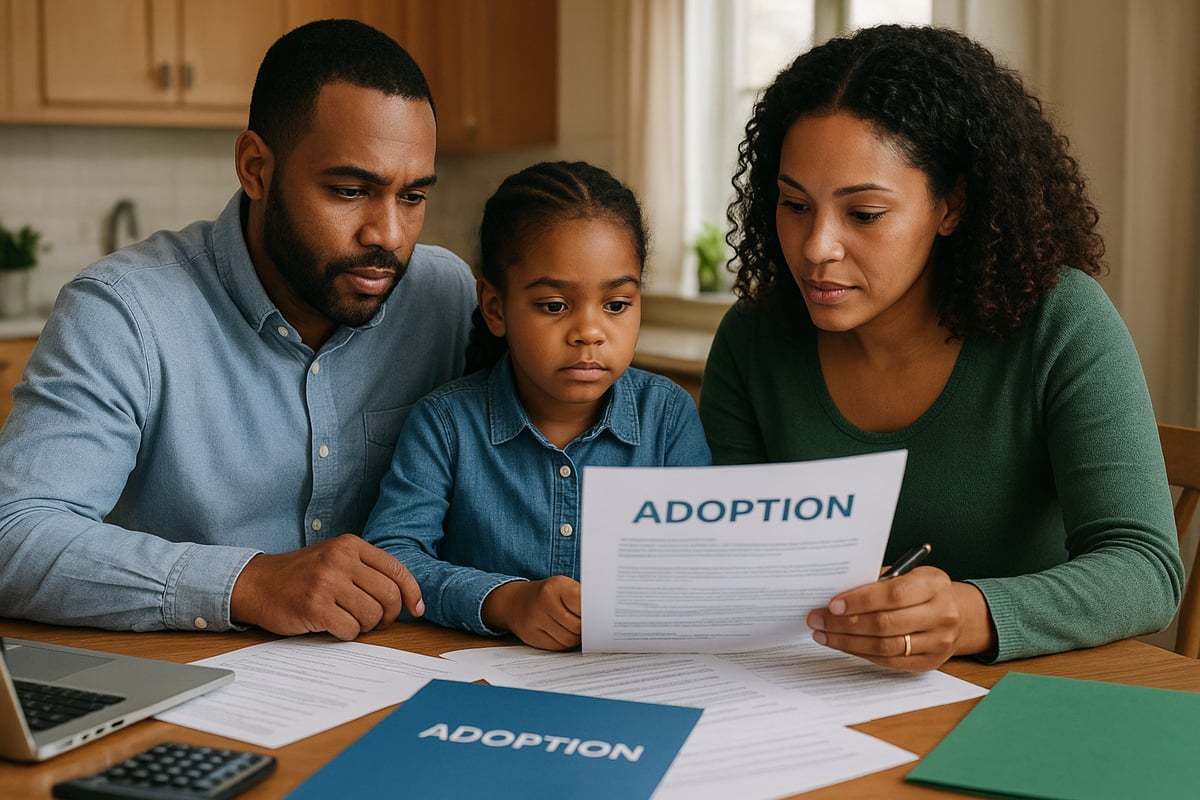
Navigating the financial side of family adoption is one of the most important steps for prospective parents. Understanding the costs, available support, and benefits can make the difference between feeling overwhelmed and feeling empowered. Let’s break down what you need to know to make smart, confident decisions about your family adoption journey.
Adoption Costs and Funding Options
The cost of family adoption can vary widely, depending on the type of adoption you choose. Private domestic adoptions often range from $20,000 to $50,000, while adopting through foster care is usually free or under $3,000. International adoptions can range from $25,000 to $60,000, factoring in agency fees, legal expenses, and travel.
| Adoption Path | Typical Cost Range |
|---|---|
| Foster Care Adoption | $0 – $3,000 |
| Private Domestic | $20,000 – $50,000 |
| International | $25,000 – $60,000 |
To help with these costs, prospective family adoption parents can explore several funding options:
- Grants from nonprofit organizations
- Low-interest adoption loans
- Employer-provided adoption assistance
- Crowdfunding or community fundraising
- The federal adoption tax credit
Each option can reduce the financial burden and make family adoption more achievable. Remember to research which programs fit your unique circumstances.
State and Federal Assistance Programs
Many states offer robust financial support for family adoption, especially for those adopting from foster care or through kinship arrangements. Programs like Northstar Care for Children in Minnesota provide monthly subsidies, medical coverage, and post-adoption support for eligible families.
Eligibility for assistance typically depends on:
- The child’s age or special needs status
- Family income and size
- Type of family adoption (foster, kinship, or private)
To apply, families work with their agency or state social services. Required documents often include proof of adoption, financial information, and residency verification.
Minnesota’s Northstar Care program, for example, ensures that adoptive families and relatives receive ongoing financial and medical support, making the family adoption process more sustainable long term.
Navigating Insurance, Leave, and Tax Benefits
After finalizing your family adoption, it’s essential to secure health insurance for your new child. Most employers and state programs allow immediate enrollment for adopted children, regardless of when the adoption occurs.
Adoptive parents are also eligible for family and medical leave under the Family and Medical Leave Act (FMLA), which offers job protection during the critical bonding period.
One of the most significant benefits for family adoption is the federal adoption tax credit. For 2026, eligible families can claim thousands of dollars in qualified expenses. To better understand the requirements and maximize your benefit, review the Adoption Tax Credit Details for 2026.
By leveraging insurance, leave, and tax credits, you can ease the transition and focus on building your family after adoption.
Emotional and Practical Support for Families
Embarking on the journey of family adoption is both rewarding and challenging. Emotional and practical support is essential for families to thrive before, during, and after the adoption process. Whether you are just starting or adjusting to new family dynamics, understanding where to find help can make all the difference.

Counseling and Mental Health Resources
Support for mental health is crucial for everyone involved in family adoption. Pre-adoption counseling prepares parents and children for upcoming changes. Post-adoption counseling addresses challenges like attachment, grief, or identity issues.
Therapists experienced in adoption can help families navigate complex emotions. Many state agencies and private organizations offer referrals to trusted professionals. Crisis counseling is available for adoptive parents and children during difficult transitions.
Birth parents also benefit from counseling before and after family adoption. These services provide a safe space to process emotions, make informed decisions, and find closure. For the best outcomes, seek providers with expertise in adoption trauma and family systems.
Building a Support Network
No one should navigate family adoption alone. Building a strong support network is vital for adoptive families. Local and online support groups connect parents with others who have shared similar journeys. These spaces offer advice, empathy, and a sense of community.
Mentorship from experienced adoptive parents can be invaluable. Many families also engage with faith-based and neighborhood organizations for extra encouragement. Community events, workshops, and online forums provide ongoing learning and connection.
For answers to common concerns and to connect with more resources, explore Frequently asked adoption questions to guide your next steps in family adoption.
Parenting Adopted Children: Practical Tips
Parenting after family adoption involves unique challenges and joys. Children may struggle with attachment, trauma, or questions about their identity. Parents can help by establishing consistent routines, open communication, and gentle discipline.
Navigating open adoption relationships requires flexibility and respect for all parties. For children with special needs or complex backgrounds, seeking specialized services and advocating in schools is important.
State agencies and adoption organizations provide parenting resources tailored to the needs of adoptive families. Proactive learning and support can empower parents to nurture resilience and belonging in every family adoption journey.
Accessing Adoption Records and Birth Family Connections
Access to adoption records has evolved, making it easier for adoptees and families to connect with birth relatives. In 2026, several states allow adult adoptees to request original birth records, respecting privacy while supporting identity formation.
To begin the process, contact your state’s vital records office or adoption agency. Some states offer registries or intermediary services to facilitate safe communication. Understanding your rights and current laws is essential in family adoption cases.
Family adoption often raises questions about birth family contact. Staying informed helps families and adoptees make empowered decisions about connections and ongoing relationships in their family adoption story.
Frequently Asked Questions About Family Adoption
Navigating the family adoption process in 2026 can spark many questions. Below, you’ll find answers to the most common concerns families have as they consider this life-changing journey.
Who can adopt in 2026?
Most adults who meet state and federal requirements are eligible for family adoption. Requirements often include age minimums (usually 21 or older), stable income, background checks, and sometimes marital status. International adoption may have additional guidelines, which you can review on the USCIS Adoption Process Guidelines page.
How long does the family adoption process take?
Timelines vary by adoption type and state. Private domestic adoptions may take 12-24 months, while foster care adoptions can sometimes finalize in less than a year. International family adoption often takes longer due to extra documentation and country-specific requirements.
What are the main differences between foster care and adoption?
Foster care is typically a temporary arrangement, while family adoption is permanent and grants full parental rights. Kinship care places children with relatives, sometimes leading to adoption. Each path has its own legal steps and support systems.
How do I find a reputable adoption agency?
Research agencies licensed in your state, check reviews, and attend informational sessions. State agencies and organizations like Foster Adopt Minnesota publish lists of approved agencies. Consulting with other families who have completed family adoption can also provide valuable insights.
What financial support is available for adoptive families?
Adoption can involve agency fees, legal costs, and travel expenses. Many families qualify for grants, loans, and the federal adoption tax credit. Learn more about financial assistance for adoptive families, which covers subsidies, employer benefits, and state programs.
Can adoptees access their original birth records?
Access to original birth records depends on state laws. In 2026, some states, like Minnesota, have updated policies allowing adult adoptees to request their original birth certificates. Birth parent contact preferences may also be available.
What support is available after adoption is finalized?
Families can access post-adoption counseling, support groups, and financial benefits such as subsidies and Medicaid. State programs, including Northstar Care for Children, offer ongoing guidance. Many agencies and organizations provide parenting resources and connections to other adoptive families.
Example:
Foster Adopt Minnesota’s FAQ section and state adoption agencies are excellent starting points for trustworthy information and personalized support throughout the family adoption journey.
As you dive into your adoption journey in 2026, remember that having the right information and support can make all the difference. Whether you’re an expectant mom exploring your options or a family preparing for a home study, it’s normal to feel overwhelmed by the process. That’s why I recommend starting with the basics—real stories, expert advice, and resources tailored just for you. If you’re looking for a trustworthy place to begin, grab your Free Expectant Mother Guide. It’s packed with answers to your biggest questions and will help you take confident, informed next steps.