



Families That Want to Adopt: The Essential Guide 2026
Interest in adoption is reaching new heights among families in 2026, with more people recognizing the profound emotional and social impact it brings. In the United States, over 115,000 children are currently waiting for adoptive families, highlighting the ongoing need and opportunity.
For countless families that want to adopt, this journey fulfills the dream of parenthood and creates lifelong transformations. Adoption not only changes lives, but it also builds stronger communities and bonds.
This essential guide will demystify the adoption process, provide step-by-step directions, and offer expert tips. Get ready to explore adoption types, eligibility, the process, legal and financial details, emotional preparation, and post-adoption support.
Understanding Adoption in 2026: Types, Trends, and Realities
Choosing to grow your family through adoption is a life-changing decision. For families that want to adopt, understanding the different paths and realities of adoption in 2026 is essential. The landscape has evolved, and knowing your options empowers you to make the right choice for your future.
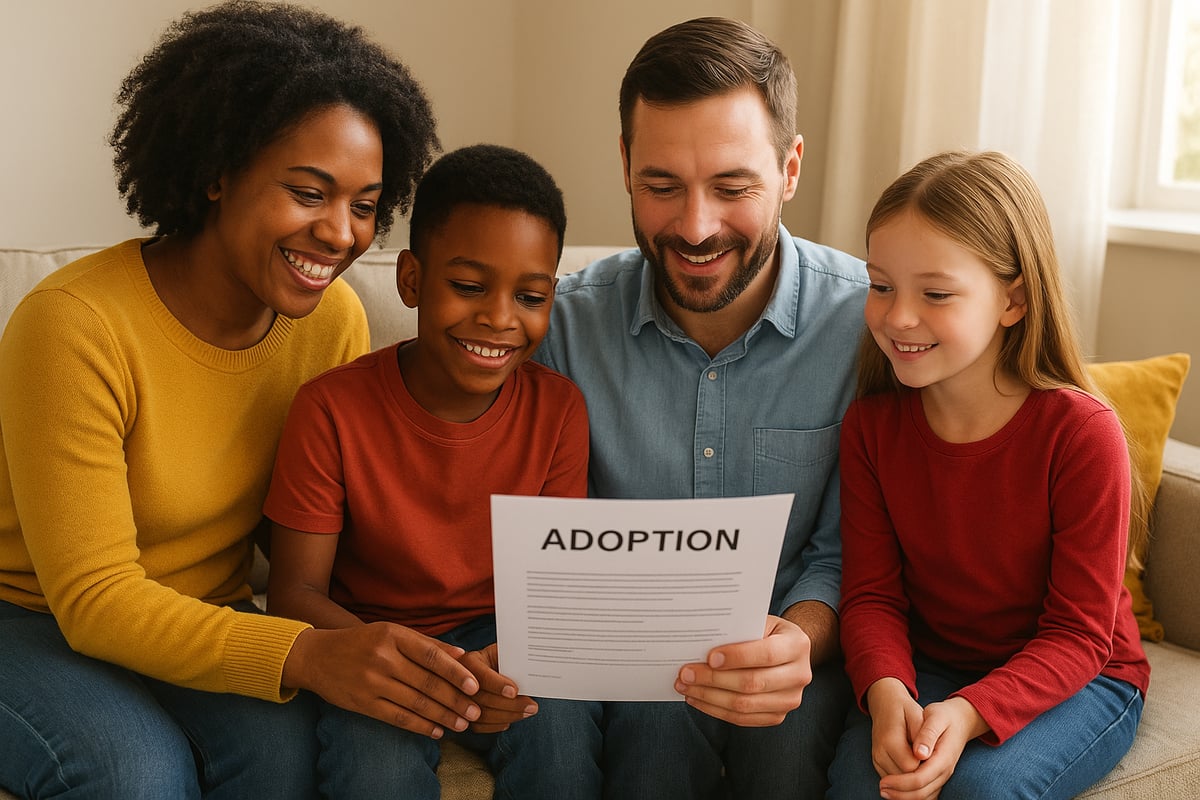
Types of Adoption
There are several main types of adoption available for families that want to adopt in 2026:
- Domestic Infant Adoption: Involves adopting a baby born in the U.S. This often includes open or semi-open arrangements with birth parents.
- Foster Care Adoption: Many children in foster care are waiting for permanent families. This path can offer shorter wait times and lower costs, but may involve older children or sibling groups.
- International Adoption: Adopting from another country brings unique legal and cultural considerations. Requirements and wait times vary by country.
- Kinship/Relative Adoption: When a child is adopted by a family member or close friend, the process can be faster, but still involves legal steps.
Here’s a quick comparison:
| Adoption Type | Average Cost | Typical Wait Time |
|---|---|---|
| Domestic Infant | $25,000-$50,000 | 1-2 years |
| Foster Care | $0-$3,000 | 6-18 months |
| International | $30,000-$60,000 | 2-4 years |
| Kinship/Relative | $0-$5,000 | 3-12 months |
Choosing the right path depends on your goals, budget, and desired level of openness. For families that want to adopt, exploring these differences early helps set realistic expectations.
Current Adoption Trends and Statistics
Adoption in the U.S. is changing. Recent data highlights a steady number of annual adoptions, with an estimated 120,000 children adopted each year. Demographics are shifting: more single parents, LGBTQ+ families, and older adopters are pursuing adoption.
A growing trend is the rise of open adoptions, now making up nearly 70% of domestic infant adoptions. Foster care adoption also remains vital, with over 50,000 children finding families annually.
For a deeper look at these trends and how they impact families that want to adopt, see the Adoption Statistics Infographic. Understanding the current landscape helps you prepare for your own adoption journey.
Myths vs. Realities of Adoption
Many myths can discourage families that want to adopt. Let’s address some common misconceptions:
- Myth: Adoption is unaffordable.
- Reality: Many adoptions, especially from foster care, are low-cost or free. Grants and tax credits are also available.
- Myth: Birth parents can reclaim children at any time.
- Reality: Once finalized, adoption is legally permanent, offering security for your family.
- Myth: Adopted children never know their birth story.
- Reality: Openness is common, and many children maintain healthy relationships with birth families.
Take the story of the Johnsons, who once feared legal risks. With support and clear guidance, they successfully adopted siblings from foster care, building a strong, secure family.
Why Families Choose Adoption
There are many reasons families that want to adopt take this path. Infertility is one factor, but many families also seek to expand their household or feel called to help a child in need.
Ethical and altruistic motivations are rising, with more families opening their hearts to older children and those with special needs. Blended and step-parent adoptions are also increasing, as families unite through love and commitment.
Consider the Smiths, who became a blended family through step-parent adoption. Their experience shows how adoption can strengthen bonds and create lasting connections, proving that families that want to adopt have the power to transform lives.
Who Can Adopt? Eligibility, Requirements, and Home Study Essentials
Adoption is a life-changing journey, but understanding who qualifies is the first step. For families that want to adopt, knowing the requirements can help you move forward with confidence. Here’s what you need to know to get started.
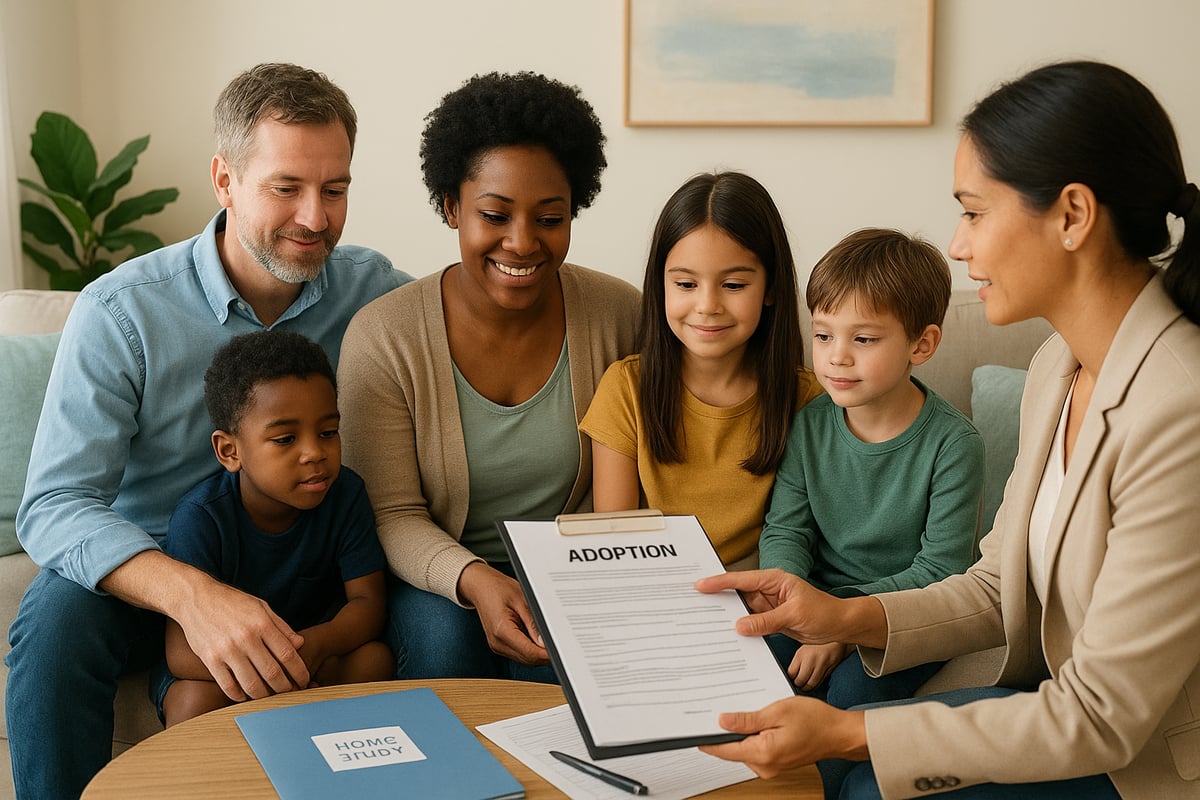
General Eligibility Criteria
To adopt in the U.S., families that want to adopt must meet certain basic requirements. These usually include:
- Minimum age, often between 21 and 25 years old.
- Marital status, though single parents are welcome in most states.
- Stable residency and proof of citizenship or legal status.
- Physical and mental health sufficient for parenting.
Eligibility varies by state. For example, Indiana allows single individuals and married couples to adopt, while California has broader guidelines for LGBTQ+ families. Always check your state’s specific rules before you begin.
The Home Study Process
Every adoption path requires a home study. This is a detailed review that ensures families that want to adopt can provide a safe, loving home. The process includes:
- Background checks and fingerprinting.
- In-depth interviews with all household members.
- Home visits to verify safety and suitability.
- Collection of documents such as financial records and references.
The home study can take a few months, so preparation is key. For a deeper look, see Understanding the home study process. Staying organized, honest, and proactive increases your chances of approval.
Financial and Background Requirements
Adoption agencies look for financial stability and a strong support system. For families that want to adopt, expect the following:
- Proof of income and employment.
- Criminal background checks for all adults in the home.
- Personal references from non-relatives.
You do not have to be wealthy to adopt, but you must show you can meet a child’s needs. Agencies want to ensure your home is safe, stable, and nurturing.
Common Barriers and How to Overcome Them
Some families that want to adopt face obstacles, such as:
- Past legal issues or criminal records.
- Chronic health challenges.
- Housing instability or frequent moves.
Do not be discouraged. Many agencies offer counseling and resources to help you address these barriers. Being honest about your situation and seeking support can make a big difference.
Tapestry Adoption: Home Study and Support Services
Tapestry Adoption offers licensed home study services for Indiana families and those nationwide. Their team guides families that want to adopt through each step, providing:
- Comprehensive counseling and emotional support.
- Legal guidance and help with step-parent adoptions.
- Ethical, personalized care from start to finish.
With Tapestry Adoption, you receive ongoing support even after placement. Their approach ensures you are never alone on your adoption journey.
The Step-by-Step Adoption Process: From Application to Placement
Starting the adoption journey can feel overwhelming, but breaking it down into clear steps makes all the difference for families that want to adopt. Every family’s path is unique, yet most follow a similar roadmap from the first inquiry to welcoming a child home. Let’s walk through each essential phase, so you can move forward with clarity and confidence.

Step 1: Research and Select an Adoption Path
For families that want to adopt, the first step is choosing the right adoption path. You’ll want to consider your family’s goals, comfort level, and long-term vision. Each adoption type has unique features, timelines, and costs.
Here’s a quick comparison to help you decide:
| Adoption Path | Average Cost | Typical Wait Time | Main Requirements |
|---|---|---|---|
| Private/Domestic | $25,000–$50,000 | 1–2 years | Home study, agency approval |
| Foster Care | $0–$3,000 | 6 months–2 years | State training, home study |
| International | $30,000–$60,000 | 1–3 years | Hague/USCIS approval |
| Kinship/Relative | Varies | Varies | Family relationship needed |
To dive deeper into the differences, check out this comparison of private and foster care adoption. Exploring your options now empowers families that want to adopt to make the best choice for their future.
Step 2: Choose an Adoption Agency or Facilitator
Once you’ve identified your path, it’s time for families that want to adopt to select a reputable agency or facilitator. This decision shapes your entire experience, so be thorough.
Key criteria to consider:
- Licensing and credentials
- Transparent fee structure
- Positive client reviews and references
- Clear communication and support services
Watch for red flags like hidden fees or pushy sales tactics. Use this quick checklist:
- Is the agency licensed and experienced?
- Are all costs explained upfront?
- Do they offer ongoing support?
- Are you comfortable with their approach?
Families that want to adopt should trust their instincts and partner with professionals who prioritize ethics and transparency.
Step 3: Complete the Application and Home Study
After choosing your agency, families that want to adopt begin the formal application and home study. This phase is crucial, as it determines your eligibility and readiness to adopt.
You’ll gather documents like birth certificates, marriage licenses, financial statements, and medical records. The home study includes interviews, background checks, and home visits. Expect this part to take several weeks to a few months.
Tips for a smooth process:
- Stay organized with paperwork
- Prepare your home for visits
- Be open and honest during interviews
Families that want to adopt should view the home study as a partnership, not a test. It’s about ensuring a safe, nurturing environment for your future child.
Step 4: Matching with a Child or Birth Parent
The matching phase is both exciting and emotional for families that want to adopt. Agencies or facilitators use your profile to connect you with a child or expectant birth parent based on preferences, needs, and compatibility.
Matching can involve reviewing child profiles, attending interviews, or meeting birth parents. The process varies depending on adoption type and openness. Open adoptions allow for ongoing contact, while closed adoptions offer privacy.
Typical timelines range from a few months to over a year. Success stories often highlight the importance of patience and flexibility. Families that want to adopt should keep communication open and lean on agency support during this stage.
Step 5: Legal and Medical Processes
Legal and medical steps are vital for families that want to adopt. After a match, there are several legal milestones: parental rights must be terminated, consents signed, and court hearings scheduled.
You’ll also review the child’s medical history and, if possible, arrange health screenings. Your agency or attorney guides you through paperwork and court dates. The time from placement to finalization varies by state and adoption type.
Staying organized with documents and maintaining regular communication with your agency helps families that want to adopt navigate this complex phase with confidence.
Step 6: Placement and Transition Support
When it’s time for placement, families that want to adopt prepare their home and hearts for the new arrival. Transition planning is key, especially for older children or those with special needs.
Support services may include:
- Pre-placement visits to build trust
- Counseling for both child and family
- Guidance on routines and expectations
Creating a welcoming environment and using a transition plan helps everyone adjust. Families that want to adopt should seek ongoing support, as this adjustment period shapes long-term success.
Step 7: Finalization and Post-Placement Requirements
The final step for families that want to adopt is legal finalization in court. After placement, you’ll complete post-placement visits and submit reports as required by your state. These visits ensure the child is thriving and the family is adjusting well.
State requirements differ, but typically involve:
- Several post-placement home visits
- Written reports by your social worker
- Final court hearing to legalize the adoption
For example, Indiana requires a series of post-placement visits before the judge grants final approval. Once finalized, your child receives a new birth certificate and becomes a permanent member of your family.
Families that want to adopt should celebrate this milestone, knowing they’ve completed a life-changing journey.
Legal, Financial, and Ethical Considerations for Adoptive Families
Navigating legal, financial, and ethical considerations is essential for families that want to adopt. Understanding these factors not only streamlines the process but also empowers you to make informed, confident decisions every step of the way.

Adoption Laws and Regulations in 2026
For families that want to adopt, staying updated on adoption laws is crucial. In 2026, both federal and state regulations continue to evolve. Each state sets its own eligibility rules, placement procedures, and post-placement requirements.
Recent changes include streamlined home study protocols and more uniform standards for open adoption agreements. The Interstate Compact on the Placement of Children (ICPC) ensures that if a child moves across state lines, their safety and rights are protected throughout the process.
If you are adopting in Indiana or want a detailed overview of legal steps, Legal considerations in Indiana adoptions provides valuable guidance for families that want to adopt. No matter where you live, consulting with a licensed adoption attorney is vital for understanding your rights and responsibilities during this life-changing journey.
Adoption Costs and Financial Planning
One of the most common concerns for families that want to adopt is the financial commitment. Costs can vary based on adoption type, agency, and legal requirements. Here is a quick comparison:
| Adoption Type | Average Cost (2026) | Typical Expenses |
|---|---|---|
| Domestic Infant | $25,000 – $50,000 | Agency, legal, birth parent |
| Foster Care | $0 – $2,500 | Minimal fees, mostly covered |
| International | $30,000 – $60,000 | Travel, foreign fees, legal |
| Kinship/Relative | $1,000 – $5,000 | Legal, court, minimal agency |
Financial support is available for families that want to adopt, including federal adoption tax credits, grants, and employer benefits. Planning ahead, exploring all options, and working with a financial advisor can ease your journey and help make adoption more accessible.
Navigating Legal Risks and Protecting Your Rights
Families that want to adopt must be aware of potential legal risks. These may include birth parent revocation periods, contested adoptions, and misunderstandings about parental rights. Proper documentation, clear consent, and transparency at every stage are essential.
Having experienced legal representation safeguards your interests. For example, some families have faced challenges when birth parents reconsidered, but with strong legal support and clear agreements, most situations are resolved fairly. Always review state-specific revocation timelines and ensure all parties understand their rights.
Ethical Adoption Practices
Ethical considerations are at the core for families that want to adopt. Transparency, informed consent, and respect for birth families are non-negotiable. Reputable agencies will never rush or coerce decisions and will provide full disclosure about the child's background and needs.
Look for agencies with accreditation, strong oversight, and a commitment to ethical matching. Families that want to adopt should seek partners who prioritize the best interests of the child and maintain open communication with all parties involved.
Insurance, Maternity Leave, and Workplace Rights
Securing health insurance for your adopted child is a critical step for families that want to adopt. Most policies allow immediate coverage upon placement. The Family and Medical Leave Act (FMLA) grants eligible parents up to 12 weeks of unpaid leave for adoption, while some companies offer paid adoption leave as part of their benefits.
Research which employers provide robust adoption support, and ask your HR department about specific resources. Preparing early ensures a smooth transition and helps families that want to adopt focus on bonding with their new family member.
Preparing Emotionally and Practically for Adoption
Preparing for adoption is much more than paperwork. For families that want to adopt, emotional and practical readiness is the foundation for a successful journey. Taking time to reflect, educate, and connect can make all the difference in building a strong, loving family.
Emotional Readiness and Family Preparation
For many families that want to adopt, emotional readiness shapes every step of the process. Start by considering your motivations and expectations. Are you seeking to fulfill a lifelong dream or to expand your family through love? Honest self-reflection is essential.
Preparing siblings and extended relatives is equally important. Open conversations help everyone adjust. Many families that want to adopt find counseling and support groups invaluable, offering guidance and a safe space to share feelings.
Cultural Competency and Openness
Today, families that want to adopt often encounter transracial, transcultural, or open adoption scenarios. Embracing a child’s heritage is key for their sense of identity and belonging. Cultural education resources, such as books, workshops, and community events, can help your family learn and grow together.
Openness in adoption, where birth and adoptive families maintain contact, is increasingly common. Families that want to adopt should discuss comfort levels and boundaries early, ensuring everyone’s needs are respected.
Building an Adoption Support Network
No one should navigate adoption alone. Families that want to adopt benefit from connecting with other adoptive families, mentors, and community groups. Support networks provide encouragement, advice, and shared experiences.
You can find guidance and resources tailored for families that want to adopt through Adoptive families and adoption support. Online forums and local organizations also offer a sense of belonging and ongoing support.
Talking to Children About Adoption
Discussing adoption with your child is a lifelong conversation. Families that want to adopt should use age-appropriate language and begin talking early. Storybooks, play, and honest answers help children feel safe and valued.
Professional guidance or adoption-specific counselors can offer strategies for difficult questions. Remember, every child’s story is unique, and open communication builds trust.
Post-Adoption Adjustment and Resources
After placement, families that want to adopt face new joys and challenges. Attachment, trauma, and identity issues may arise. Access to post-adoption counseling, educational workshops, and peer support is vital.
Long-term support programs help families that want to adopt thrive, offering tools for resilience and growth. Remember, seeking help is a sign of strength and commitment to your child’s well-being.
Life After Adoption: Support, Resources, and Lifelong Connections
Adoption is not the end of the journey, but the beginning of a new chapter. For families that want to adopt, life after placement brings both joy and unique challenges. The right support and resources can help nurture strong bonds and ensure a thriving family dynamic.
Post-Adoption Services and Counseling
For families that want to adopt, ongoing support is essential for a healthy transition. Post-adoption services include individual, family, and group counseling. These services help address attachment, loss, or trauma that may arise after placement.
Many organizations offer counseling tailored for adoptive families. Support groups connect parents and children, creating a safe space to share experiences and gain advice. Some families benefit from educational workshops on parenting adopted children.
Financial support is also available. The Adoption Tax Credit Details 2026 can help offset costs of adoption-related expenses, making ongoing care more affordable for families that want to adopt.
Navigating Birth Family Relationships
Families that want to adopt often encounter questions about birth family connections. Open, semi-open, or closed adoptions each bring different dynamics.
Open adoption allows for direct contact, while semi-open may involve mediated communication. Closed adoptions typically have no ongoing contact. Setting healthy boundaries and clear expectations is vital for all parties.
Many families find that open communication fosters trust and understanding. For families that want to adopt, maintaining respectful relationships with birth families can help children develop a strong sense of identity and belonging.
Educational and Community Resources
Accessing the right resources empowers families that want to adopt throughout their journey. Schools with adoption-competent staff, therapists experienced in adoption issues, and pediatricians who understand adoption-related health needs are crucial.
Community groups, online forums, and local organizations provide valuable support. Connecting with other adoptive families can ease the transition and offer a network of encouragement.
Consider joining workshops or advocacy groups focused on adoption issues. For families that want to adopt, building a strong community is a key part of lifelong success.
Legal and Identity Matters for Adopted Children
Legal documentation and identity issues are important considerations for families that want to adopt. After finalization, children may need new birth certificates, legal name changes, or, for international adoptees, citizenship documentation.
Access to original records and genetic history can be vital for medical and personal reasons. The USCIS Adoption Process Overview provides clear guidance on legal steps, especially for intercountry adoption.
Advocacy for adoptee rights is growing. Staying informed about legal updates helps families that want to adopt protect their children’s interests and ensure their identities are honored.
Celebrating Adoption and Building Family Traditions
Creating meaningful traditions helps families that want to adopt celebrate their unique stories. Many families observe adoption anniversaries or "Gotcha Days" to honor the day their family came together.
Simple rituals, like sharing adoption stories or creating family scrapbooks, build pride and openness. Participating in community events or adoption celebrations can foster connection and belonging.
For families that want to adopt, these traditions become cherished milestones, reinforcing love and unity for years to come.
As you’ve seen, the journey toward adoption in 2026 can be both exciting and overwhelming, but you don’t have to navigate it alone. Whether you’re just starting to explore your options or you’re getting ready for a home study, having trusted support makes all the difference. We’re here to help you with counseling, legal guidance, and everything in between—so you can focus on building your family. If you’re ready to take your next step, let’s make it a little easier: get $100 Off Cost of Home Study and start your adoption journey with expert support by your side.