


7 Key Things to Know About Birth Mother Adoption in 2026
Understanding birth mother adoption has never been more important than in 2026, as new laws, support systems, and shifting societal attitudes are transforming every step of the journey. For expectant mothers and adoptive families, the stakes are high—every decision can shape lives for years to come.
This article dives into seven essential things you need to know about birth mother adoption in 2026. You'll discover the latest on your legal rights, the different types of adoptions, emotional support resources, financial assistance, and a clear overview of the process itself.
You'll also gain insight into post-adoption relationships and the newest changes in adoption practices. Our goal is to empower you with knowledge, inspire confidence, and guide you toward making informed, positive choices for your unique situation.
Understanding Birth Mother Adoption: The Basics
Understanding birth mother adoption in 2026 is essential for anyone navigating the adoption journey. As the landscape shifts, knowing the basics sets a strong foundation for making empowered choices.
What Is Birth Mother Adoption?
Birth mother adoption refers to the process where a pregnant woman, known as the birth mother, voluntarily places her child with an adoptive family. Unlike foster care or international adoption, birth mother adoption is guided by the birth mother’s choices and legal rights from start to finish.
Key roles include:
- The birth mother, who makes the adoption plan.
- The adoptive family, who agrees to the terms set by the birth mother.
- Adoption professionals, who guide, counsel, and facilitate legal steps.
Accurate terminology matters. Using “birth mother” shows respect and recognizes her central role. Some people mistakenly believe birth mother adoption means giving up a child, but it’s actually an act of love and empowerment. For example, one birth mother shared how making her own adoption plan gave her a sense of control and hope for her child’s future.
For more details about what to expect and the process, see Understanding Indiana adoption for birth mothers.
Why 2026 Is a Pivotal Year for Adoption
2026 marks a transformative year for birth mother adoption. Recent changes in law, technology, and social attitudes are reshaping the adoption experience.
New digital platforms help birth mothers connect with reputable agencies. Openness in adoption is on the rise, with more families choosing ongoing contact. State and federal regulations have expanded, increasing protections and support. For example, the number of open adoptions has grown by 20 percent since 2021, and more states now fund birth mother support programs.
Consider a 2026 scenario: An expectant mother uses an online portal to match with a family, receives virtual counseling, and benefits from updated legal safeguards. This reflects the evolving landscape of birth mother adoption.
Who Birth Mother Adoption Is For
Birth mother adoption supports expectant mothers from all walks of life. Whether you are a teen, a woman in crisis, or someone seeking an open adoption, resources exist to meet your needs.
Adoptive families also benefit from understanding the birth mother’s perspective. Social workers, counselors, and legal professionals play crucial roles in guiding everyone through the process.
Diversity is at the heart of modern birth mother adoption. Stories range from young mothers finishing high school to women facing unexpected life changes. For example, a teen mom found strength through counseling and chose a semi-open adoption, staying connected with her child while pursuing her goals.
Key Terms and Definitions for 2026
Navigating birth mother adoption in 2026 requires understanding updated terms:
| Term | Definition |
|---|---|
| Open Adoption | Ongoing contact between birth mother and adoptive family |
| Closed Adoption | No contact or identifying information shared |
| Semi-Open Adoption | Limited, non-identifying updates via agency or online |
| Adoption Plan | Customized outline of birth mother’s wishes |
| Relinquishment | Legal process of transferring parental rights |
Newer terms include “digital consent” and “flex adoption,” reflecting legal and technological changes. Birth mothers should know legal phrases like “revocation period,” which is the time allowed to change their decision after consent.
Glossaries from top agencies provide detailed explanations, helping birth mothers make informed choices every step of the way.
The 2026 Birth Mother Adoption Process: Step-by-Step
Starting your birth mother adoption journey in 2026 can feel overwhelming, but understanding each step brings clarity and confidence. The process is designed to empower you with choices and support, ensuring you stay in control from the very beginning through post-placement care.

Initial Considerations and Decision-Making
Deciding on birth mother adoption involves both emotional reflection and practical planning. You have the right to make this choice freely, and in 2026, more resources exist than ever to support you. Many women meet with counselors, talk to trusted family or friends, and ask questions about their rights and options before moving forward.
Common questions include: What are my rights? What support will I receive? How will the process affect my future? Recent data shows that over 85% of women considering birth mother adoption seek counseling before making a final decision. Taking this time ensures you feel confident and supported from the start.
Creating an Adoption Plan
An adoption plan is a personalized roadmap for your birth mother adoption journey. It outlines your preferences, from choosing adoptive parents to deciding on the level of contact you want after placement. You can also include a hospital plan and specify your wishes for delivery day.
In 2026, plans are highly customizable, giving you control over every detail. For example, some birth mothers want regular updates, while others prefer privacy. Agencies provide expert support, and you can explore creating an adoption plan with professional guidance to ensure your needs are met.
Legal Steps and Timelines in 2026
Legal steps in birth mother adoption are crucial to protect your rights. You’ll need to provide informed consent, and in 2026, new federal guidelines have standardized revocation periods and digital consent options in many states. This means you have more time and flexibility to make decisions.
Timelines vary by state, but typically, the process goes from initial inquiry, through legal paperwork, to finalization within a few months. It’s essential to work with an experienced attorney or agency who will explain every step and ensure your interests are represented throughout the birth mother adoption process.
Placement and Post-Placement Procedures
When it’s time for placement, the hospital experience is handled with care and respect. You’ll have support during delivery, and your adoption plan will guide how the process unfolds. After birth, agencies offer emotional support and connect you with aftercare resources.
Post-placement, you may receive updates or visits, depending on your agreement. Many birth mother adoption journeys include support group recommendations and ongoing counseling, helping you process emotions and adjust to your new chapter with confidence.
7 Key Things to Know About Birth Mother Adoption in 2026
Navigating birth mother adoption in 2026 means understanding your rights, options, and the evolving landscape. Here are the seven most important things every expectant mother and adoptive family should know to make empowered, informed decisions.
1. Your Legal Rights and Protections as a Birth Mother
Understanding your legal rights is the foundation of birth mother adoption in 2026. You have the right to make decisions about your pregnancy and adoption plan, including choosing the adoptive family, setting contact terms, and accessing counseling.
This year brings several legal updates. Many states now offer digital consent options, making the process more accessible and secure. Revocation periods—the time you have to change your mind after giving consent—have been extended in more than 60 percent of states, offering greater peace of mind.
You also have the right to privacy and to receive unbiased information before making any decisions. A recent example: One birth mother, empowered by new digital consent tools, was able to assert her wishes clearly and avoid pressure from outside influences.
Statistics show that 68 percent of states now require agencies to provide counseling and information on all options before consent. Remember, legal counsel is not just recommended—it is your safeguard during every step of birth mother adoption.
2. Types of Adoption: Open, Semi-Open, and Closed
Choosing the right adoption type is crucial for a positive birth mother adoption experience. In 2026, most adoptions are “open,” allowing ongoing contact between birth mothers and adoptive families. Open adoption means you can exchange letters, photos, or even have visits, depending on your comfort level.
Semi-open adoption creates a middle ground, usually involving updates through a third party, while closed adoption means no contact after placement. Trends show a 40 percent increase in open adoptions over the past five years, reflecting a shift toward transparency and ongoing relationships.
Each option has benefits and drawbacks. Open adoption offers emotional reassurance and the chance to watch your child grow, while closed adoption may provide more privacy. Consider your personal needs and boundaries. One birth mother shared, “Open adoption helped me heal, knowing my child is thriving.”
The right choice is deeply personal. Speak with your counselor to explore which type of birth mother adoption aligns with your vision for the future.
3. Emotional Support and Counseling Resources
Emotional support is essential throughout the birth mother adoption journey. In 2026, a wide range of resources is available, from licensed counselors to peer mentors and online support groups. Most agencies now offer telehealth counseling, so you can access help from home.
Research shows that 82 percent of birth mothers who receive counseling before and after adoption report better emotional outcomes. Support can include one-on-one therapy, group sessions, or connecting with others who have walked the same path.
Many women find that peer support groups, both online and in person, provide a safe space to share feelings and find encouragement. For example, a recent birth mother described how joining a virtual group helped her process grief and gain new confidence.
No matter where you are in the process, emotional support is your right. Prioritize your mental well-being as you navigate birth mother adoption.
4. Financial Assistance and Practical Support
Financial strain is a common concern for those considering birth mother adoption. In 2026, expanded programs provide help with medical bills, housing, food, and other living expenses. State and federal updates have increased the average financial assistance package, and new agency programs make applying easier than ever.
Eligibility typically depends on your circumstances and the laws in your state. Many agencies guide you through the application process, ensuring you receive all available support. For example, one birth mother was able to finish her college degree thanks to housing and tuition assistance.
On average, birth mothers receive over $8,000 in practical support during the adoption process. For a detailed breakdown of what assistance is available, see Financial help and pregnancy expenses.
Securing financial stability allows you to focus on your health and decision-making throughout birth mother adoption.
5. The Role of the Birth Father and Family Involvement
Birth mother adoption is rarely a solo decision. In 2026, birth fathers have defined legal rights, including notification and, in many cases, consent. Laws now make it easier for both parents to participate, especially in open adoptions.
Family involvement can provide support or introduce challenges. It is important to communicate your wishes openly and seek professional guidance if disagreements arise. For instance, some families work together to create a shared adoption plan, leading to stronger long-term relationships.
Recent data shows that 42 percent of adoptions now include active participation from birth fathers. Open dialogue and clear legal guidance help ensure everyone’s role is respected.
Remember, your voice is central. Take time to understand how family and birth father involvement fits into your birth mother adoption plan.
6. Building Relationships: Post-Adoption Contact and Updates
Post-adoption contact is evolving rapidly in 2026. Most birth mother adoption plans now include options for ongoing updates, whether through letters, digital messages, or in-person visits.
New secure communication platforms allow you to stay connected while maintaining privacy. Setting boundaries and expectations early is key to a healthy relationship with the adoptive family.
A recent success story: One birth mother and adoptive family used a secure app to share photos and updates, building trust and a sense of extended family. Satisfaction rates for open or semi-open adoptions are at an all-time high, with 78 percent of birth mothers reporting positive experiences.
Discuss your preferences and comfort level with your adoption professional to create a post-adoption plan that works for you.
7. Navigating Recent Changes in Adoption Laws and Practices
Staying informed about legal and policy updates is vital for anyone considering birth mother adoption in 2026. This year, major reforms like the Adoption Deserves Oversight, Protection, and Transparency (ADOPT) Act have strengthened protections against unethical practices and increased transparency.
These changes impact your rights, timelines, and access to support services. Agencies are now required to follow stricter ethical standards and provide clearer information at every stage.
For example, one recent adoption benefited from new legal protections that ensured the birth mother received full counseling and had extra time to make her decision. Government and agency resources are available to help you keep up with these changes.
Check for updates regularly and ask your adoption professional about how new laws affect your birth mother adoption journey.
Choosing an Adoption Agency or Professional in 2026
Choosing the right partner for your birth mother adoption journey is crucial. The agency or professional you select will shape your experience, provide support, and ensure your rights are respected. In 2026, the process is more transparent than ever, but knowing what to look for can make all the difference.
What to Look for in an Adoption Agency or Professional
When considering birth mother adoption, prioritize agencies and professionals with a proven track record, ethical standards, and transparent practices. Look for licensed and accredited organizations that offer comprehensive support at every step. Experience with modern adoption practices, including open or semi-open arrangements, is especially valuable in 2026.
Ask for clear details about services, counseling, and aftercare. Use this checklist:
- Confirm state licensing and national accreditation
- Evaluate their support for birth mothers before, during, and after placement
- Assess their communication style and willingness to answer questions
Statistically, licensed agencies now outnumber facilitators by a significant margin, offering more regulated and reliable services. Always trust your instincts and verify credentials.
Comparing Agency, Attorney, and Independent Adoptions
There are three primary routes for birth mother adoption: agency, attorney, and independent arrangements. Each has unique advantages depending on your situation.
Here’s a quick comparison:
| Option | Support Level | Cost | Legal Protection | Best For |
|---|---|---|---|---|
| Agency | Full-service | Moderate | High | Most birth mothers |
| Attorney | Legal only | Varies | High | Complex legal cases |
| Independent | Minimal | Low | Lower | Pre-existing relationships |
Agency adoptions provide emotional and practical guidance, while attorneys focus on legal compliance. Independent adoptions may offer flexibility but less support, making them less common in 2026. Choose the path that aligns with your needs, values, and comfort level for birth mother adoption.
How to Avoid Scams and Unethical Practices
Unfortunately, not every organization operates ethically, so vigilance is essential for safe birth mother adoption. Watch for warning signs such as pressure tactics, vague fees, or lack of transparency. Trustworthy professionals will never rush your decision or withhold information.
To protect yourself, verify credentials through state and national regulatory bodies. The ADOPT Act of 2025 text has introduced strict penalties for unlawful adoption practices, empowering birth mothers with stronger legal recourse in 2026. If you suspect wrongdoing, report concerns immediately.
Being proactive shields you from scams and ensures your experience is respectful and secure.
Questions to Ask Before Committing
Before finalizing your birth mother adoption partnership, ask direct questions to ensure alignment with your needs. Essential topics include services provided, fee structures, support during and after placement, and your rights as a birth mother.
Top 10 questions for agency interviews:
- Are you licensed and accredited?
- What counseling services do you offer?
- How do you support birth mothers after placement?
- What are all potential fees?
- How do you facilitate post-adoption contact?
- Who will be my main point of contact?
- How do you protect my privacy?
- Can I speak to other birth mothers?
- What is your process for matching with adoptive families?
- How do you handle legal requirements?
Agencies with transparent answers typically have higher satisfaction rates. Choosing wisely creates a foundation for a positive birth mother adoption experience.
Birth Mother Voices: Real Stories and Insights
Every birth mother adoption journey is unique, filled with both challenges and moments of strength. In 2026, hearing real voices matters more than ever. These stories reveal what birth mother adoption truly means, from overcoming obstacles to embracing empowerment and community.
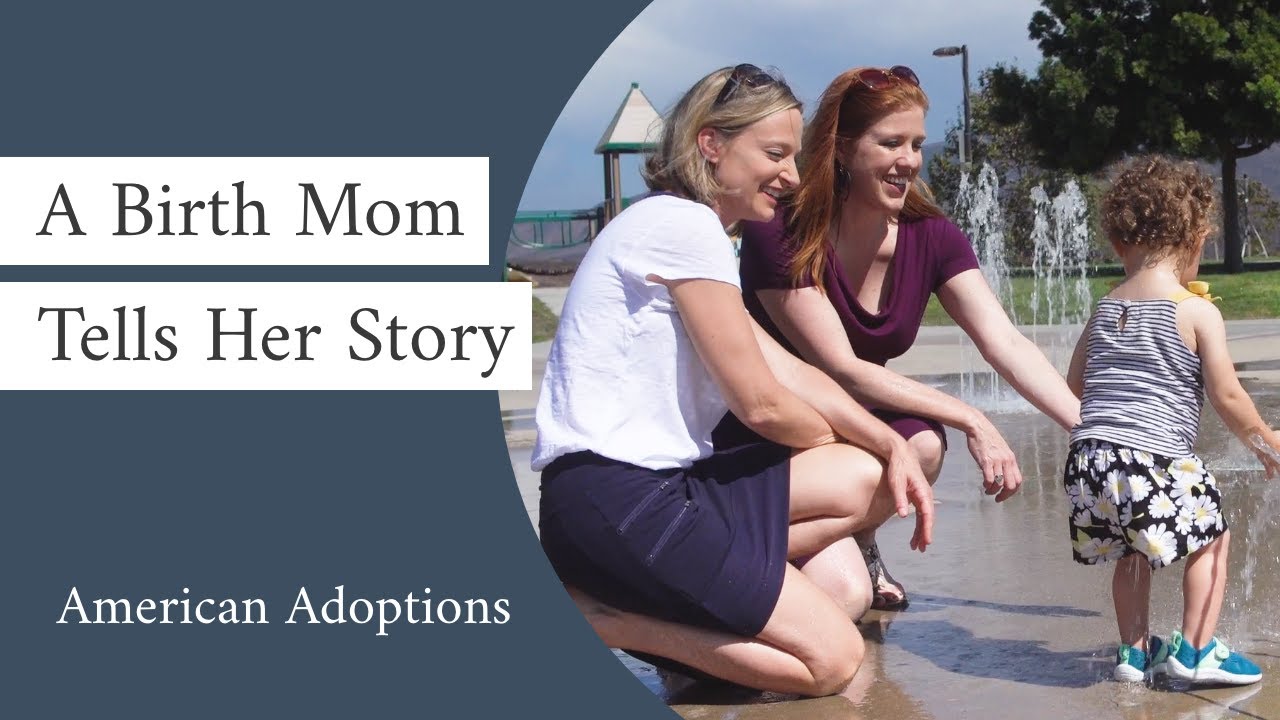
Common Challenges and How to Overcome Them
Choosing birth mother adoption can bring emotional hurdles like grief, uncertainty, and stigma. Many women also face practical challenges such as financial stress or lack of support. These obstacles can feel overwhelming at first, but they are not insurmountable.
Some effective strategies include seeking counseling, joining support groups, and connecting with others who have walked a similar path. For example, one young mother shared how talking openly with a counselor helped her process her feelings and make empowered decisions about her future.
According to recent surveys, the most-cited challenges in birth mother adoption include navigating family reactions and managing feelings of loss. Remember, reaching out for help is a sign of strength.
Positive Outcomes and Empowerment Stories
Despite the challenges, birth mother adoption can lead to powerful personal growth and positive change. Many women find new purpose after adoption, pursuing education, building careers, or forming lasting relationships with their child's adoptive family.
One inspiring story features a birth mother who, after her adoption journey, returned to school and became a mentor for others considering the same path. Open adoption has also been shown to improve long-term well-being, allowing for meaningful connections and ongoing updates.
Official recognition, such as the National Adoption Month 2025 proclamation, highlights how society increasingly values and supports the voices of birth mothers. Recent data shows that satisfaction and empowerment rates among birth mothers are on the rise.
The Importance of Community and Peer Support
Community is a lifeline for those navigating birth mother adoption. Support groups, online forums, and mentorship programs offer safe spaces to share experiences and find encouragement.
Connecting with other birth mothers helps reduce feelings of isolation and builds resilience. One peer support group success story comes from a woman who found lifelong friends and emotional healing through weekly meet-ups.
National and local organizations provide resources tailored to the birth mother adoption journey. In 2026, nearly half of all birth mothers participate in some form of support community, demonstrating the growing importance of these networks.
Frequently Asked Questions from Birth Mothers in 2026
Birth mother adoption often raises important questions. Common queries include: "How long do I have to change my mind?", "Will my privacy be protected?", "What contact can I have after placement?", and "What financial help is available?"
Experts recommend talking to licensed adoption professionals for clear, up-to-date answers. For instance, a recent birth mother asked about open adoption contact, and her agency outlined the options for ongoing updates and visits.
Top questions in 2026 focus on legal timelines, confidentiality, and support services. Reliable agencies maintain detailed FAQs, helping every woman navigate her birth mother adoption journey with confidence.
Resources and Next Steps for Birth Mothers Considering Adoption
Deciding on birth mother adoption is a life-changing step, and having the right resources can make all the difference. Whether you are just starting to explore your options or looking for support after placement, knowing where to turn empowers you to make confident, informed choices for your future.
Where to Find Reliable Information and Support
Finding trustworthy information about birth mother adoption gives you the power to make informed decisions. Start with national organizations dedicated to adoption support:
- National Safe Haven Alliance
- On Your Feet Foundation
- Local adoption agencies and licensed counselors
Many offer free hotlines, online chat, and up-to-date guides on the birth mother adoption process. You can also access peer-reviewed articles, agency glossaries, and expert advice. If you need immediate help, national hotlines are available around the clock. In 2026, usage rates for these services continue to rise as more birth mothers seek reliable, unbiased guidance.
Building Your Support Network
No one should go through the birth mother adoption journey alone. Building a strong support network is essential for your emotional and practical well-being. Start by identifying trusted friends, family members, or mentors who can listen without judgment.
Tips for communicating your decision:
- Be honest about your feelings and needs.
- Share reliable resources so loved ones understand your choice.
- Ask for specific help, like attending appointments or connecting you with professionals.
Support networks may include counselors, peer groups, and online communities. Studies show that a solid support system significantly improves outcomes for those navigating birth mother adoption.
Planning for the Future: Education, Career, and Well-Being
Looking ahead is crucial after birth mother adoption. Set personal goals in education, employment, and mental health. Scholarships and job assistance programs are available for birth mothers, helping you achieve dreams once out of reach.
Consider exploring Adoption tax credit updates, which can offer financial relief in 2026, making it easier to focus on your goals. Many birth mothers go on to complete degrees, start new careers, or access mental health grants. Building a plan for your future ensures your well-being and long-term empowerment.
| Resource Type | Example Programs | Benefit |
|---|---|---|
| Scholarships | Adoption scholarships | Tuition assistance |
| Career Support | Job training agencies | Skills and employment help |
| Mental Health Care | Licensed therapists, grants | Emotional well-being |
Staying Informed About Adoption in 2026 and Beyond
The landscape of birth mother adoption continues to evolve. Staying up to date with new laws, best practices, and community resources is key. Subscribe to adoption newsletters and blogs, join advocacy groups, and connect with experienced professionals.
Many birth mothers get involved in advocacy, helping shape better futures for others. Educational programs have grown in recent years, making it easier than ever to stay informed. Proactive learning ensures you are always prepared to make the best choices for yourself and your family.
You’ve just learned the seven most important things about birth mother adoption in 2026—from understanding your rights to getting the emotional and financial support you deserve. I know this journey can feel overwhelming, but you’re not alone. If you want to take the next step or just need a little more clarity, I highly recommend checking out our Free Expectant Mother Guide. It’s packed with answers to your real questions, expert advice, and stories from moms who’ve been right where you are. You’ve got this, and we’re here to help you every step of the way.