


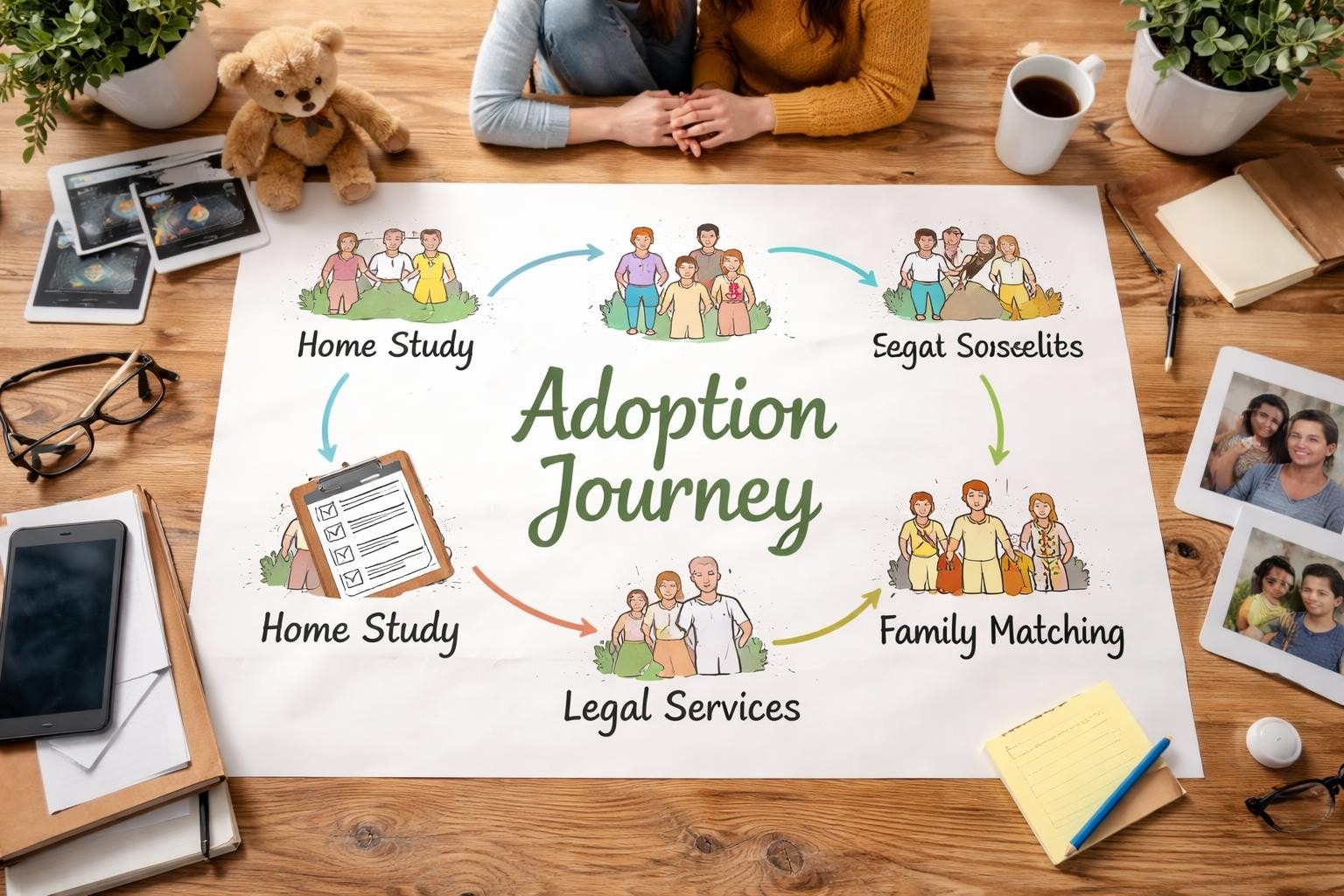
Adoption Resources: Complete Guide for 2026
Navigating the adoption journey requires access to reliable information, qualified professionals, and emotional support. Whether you're an expectant parent exploring your options or a family hoping to grow through adoption, understanding the full spectrum of adoption resources available can transform uncertainty into confidence. The right resources don't just provide information-they offer guidance, validation, and practical solutions tailored to your unique situation. In 2026, more comprehensive adoption resources exist than ever before, spanning counseling services, legal assistance, financial support, and community connections that make this life-changing decision more accessible and supported.
Understanding the Scope of Available Adoption Resources
The landscape of adoption resources has evolved significantly to meet the diverse needs of everyone touched by adoption. These resources extend far beyond basic information packets, encompassing specialized support systems designed for specific circumstances and stages of the adoption process.
Expectant parents considering adoption need resources that address immediate concerns like medical care, living expenses, and emotional counseling during pregnancy. Meanwhile, prospective adoptive families require guidance on home studies, background checks, legal requirements, and preparation for welcoming a child into their home.

Core Categories of Adoption Resources
Professional adoption resources typically fall into several interconnected categories:
- Counseling and emotional support services that provide guidance before, during, and after placement
- Legal assistance programs covering rights, procedures, and compliance requirements
- Financial support options including grants, loans, and assistance with adoption-related expenses
- Educational materials offering research-based information about adoption processes and outcomes
- Community connections linking you with others who share similar experiences
The National Council For Adoption offers comprehensive education and trusted guidance throughout every stage of the adoption journey, serving as a valuable starting point for understanding your options.
Essential Resources for Expectant Parents
Expectant parents facing an unplanned pregnancy deserve comprehensive support that honors their autonomy while providing clear, unbiased information about all available options. Quality adoption resources for expectant mothers address both immediate practical needs and long-term emotional wellbeing.
Counseling Services That Center Your Needs
Professional counseling stands as the foundation of ethical adoption practice. These services help expectant parents explore their feelings, understand their options, and make decisions aligned with their values and circumstances. Counseling should always be optional, confidential, and provided by licensed professionals who understand the complexity of adoption decisions.
Effective counseling resources address:
- Processing emotions about an unplanned pregnancy
- Evaluating all available options without pressure
- Understanding the adoption process and what it entails
- Exploring feelings about parenting versus adoption
- Planning for emotional wellbeing after placement
If you're experiencing an unplanned pregnancy and aren’t ready for a baby, professional counseling can help you navigate these difficult decisions with clarity and support.
Financial and Practical Support Systems
Many expectant parents worry about managing pregnancy-related expenses while considering adoption. Legitimate adoption resources include financial assistance programs that help with:
- Medical care and prenatal expenses
- Housing and living costs during pregnancy
- Transportation to medical appointments
- Maternity clothing and nutritional support
- Legal representation independent from adoptive families
It's crucial to understand your rights regarding financial support. Ethical adoption practices ensure that financial assistance doesn't create pressure to choose adoption, and expectant parents retain full decision-making authority regardless of support received. Learning about adoption rights helps you navigate these relationships with confidence.
Critical Resources for Prospective Adoptive Families
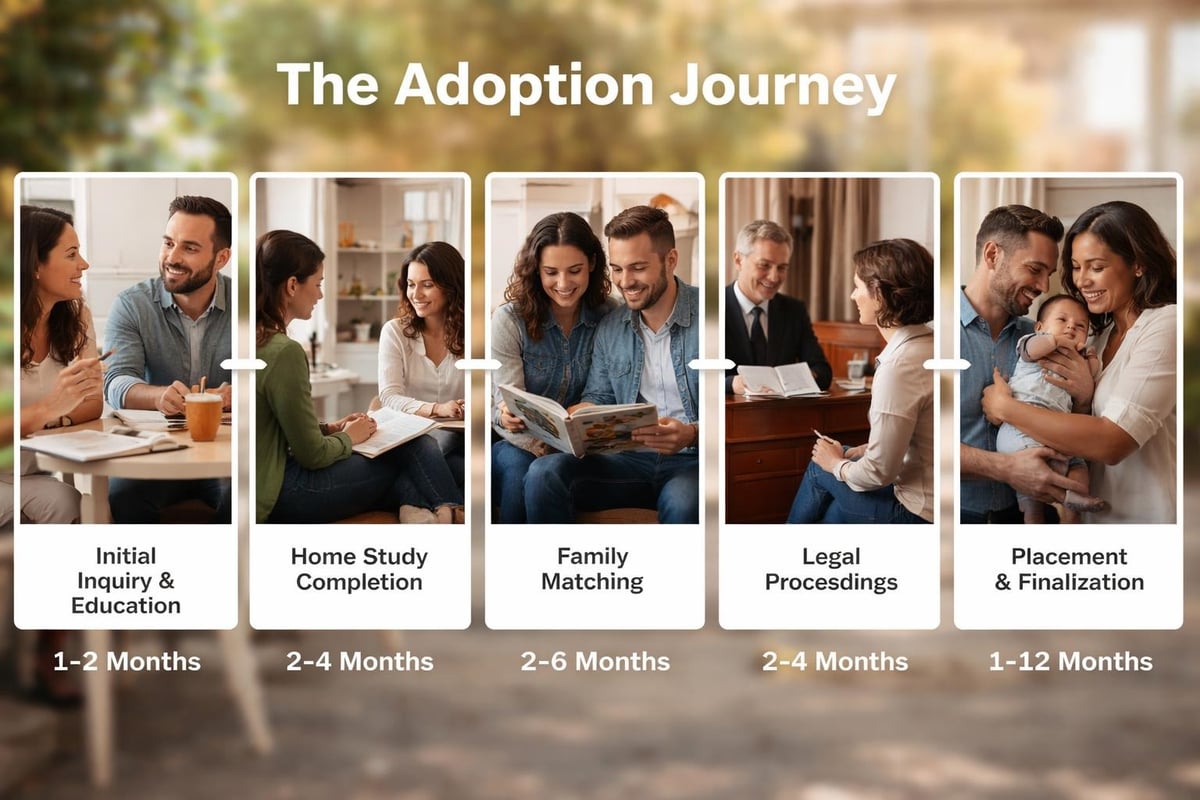
Families hoping to adopt need different but equally comprehensive adoption resources. The path to adoption involves multiple steps, each requiring specific information, preparation, and support.
Home Study and Assessment Resources
The home study represents a fundamental requirement for adoptive families, evaluating readiness to provide a safe, nurturing environment for a child. Understanding what a home study for adoption entails helps families prepare thoroughly and approach the process with confidence.
| Home Study Component | Purpose | Resources Needed |
|---|---|---|
| Background checks | Safety verification | Criminal, child abuse clearances |
| Financial assessment | Stability evaluation | Income documentation, credit review |
| Home inspection | Physical environment check | Safety equipment, adequate space |
| Personal interviews | Family dynamics understanding | References, family history |
| Training completion | Adoption education | Parenting courses, adoption seminars |
Quality adoption resources connect families with licensed home study providers who conduct thorough but respectful evaluations. The Michigan adoption resources include comprehensive guidance on home study requirements and processes across different states.
Legal Navigation and Compliance
Adoption law varies significantly by state, making access to accurate legal resources essential. Prospective adoptive families need clear information about:
- Interstate Compact on the Placement of Children (ICPC) requirements
- Adoption finalization procedures and court processes
- Birth parent rights and consent timelines
- Post-placement supervision requirements
- Name change and birth certificate procedures
For families pursuing step-parent adoption in Indiana, specialized legal resources address the unique requirements of this adoption type. The Emory University legal research guide provides access to law reviews and legal periodicals valuable for understanding adoption law complexities.
Financial Resources and Assistance Programs
The cost of adoption creates barriers for many families who would provide excellent homes for children. Fortunately, numerous adoption resources help make adoption financially accessible.
Understanding Adoption Costs
Adoption expenses vary dramatically based on adoption type, but typically include:
- Home study fees ($1,000-$3,000)
- Legal and court costs ($2,500-$8,000)
- Agency or facilitator fees (varies widely)
- Travel expenses for interstate adoptions
- Post-placement supervision costs
Infant adoption generally costs between $30,000-$50,000, though this varies significantly by circumstances and location. Understanding these costs upfront helps families plan appropriately and identify necessary financial resources.
Funding Sources and Support
Multiple adoption resources exist to help families manage costs:
- Federal adoption tax credit (up to $15,950 in 2026 for qualified expenses)
- Employer adoption benefits (many companies offer $5,000-$15,000 in assistance)
- Adoption grants from nonprofit organizations and foundations
- Low-interest adoption loans designed specifically for adoption expenses
- State-specific subsidies for special needs and foster care adoptions
The Children’s Home Society adoption resources include comprehensive information on financing options and educational materials about managing adoption costs effectively.
Educational and Preparation Resources
Knowledge empowers better decision-making throughout the adoption journey. Quality educational adoption resources prepare participants for both the process and the lifelong aspects of adoption.
Pre-Adoption Education Programs
Comprehensive education helps prospective adoptive parents understand:
- Attachment and bonding with adopted children
- Trauma-informed parenting approaches
- Talking with children about their adoption story
- Managing open adoption relationships
- Supporting birth family connections
- Addressing identity and belonging questions
The Children’s Health Council resource library addresses adoption as a lifelong process, providing support for families as they navigate various developmental stages and challenges.
Ongoing Learning and Development
Adoption education doesn't end at placement. Valuable ongoing adoption resources include:
- Support groups connecting adoptive families with similar experiences
- Workshops and conferences offering current research and best practices
- Online communities providing peer support and shared learning
- Professional development for adoption professionals serving families
- Birth parent support networks fostering healing and connection
Statistics show that adoption in the US continues to evolve, making access to current, research-based resources increasingly important for everyone involved.
Community and Support Network Resources
The emotional aspects of adoption require strong support systems. Community-based adoption resources connect individuals with others who understand their unique experiences.
Birth Parent Support Communities
Expectant parents and birth parents benefit enormously from connecting with others who've made similar decisions. Support resources include:
- Peer mentoring programs matching current expectant parents with birth parents
- Online forums and social media groups providing 24/7 community
- In-person support groups facilitating face-to-face connection
- Retreat programs offering intensive support and healing
- Advocacy organizations centering birth parent voices and experiences
The Adoption Search Resource Connection provides support, education, and community for individuals impacted by adoption, focusing on truth and healing throughout the adoption constellation.
Adoptive Family Networks
Prospective and current adoptive parents also need community connections. Valuable adoption resources for families include:
| Resource Type | Benefits | Access Points |
|---|---|---|
| Local adoption groups | Face-to-face support, friendships | Community centers, churches, agencies |
| Online communities | 24/7 access, broader perspectives | Facebook groups, forums, apps |
| Family matching events | Meeting potential matches | Agency-sponsored gatherings |
| Cultural heritage groups | Supporting transracial placements | Heritage camps, cultural organizations |
| Special needs networks | Specialized guidance | Disability-specific support groups |
Choosing Quality Adoption Resources
Not all adoption resources meet the same standards of quality, ethics, and reliability. Discerning which resources to trust requires careful evaluation.
Evaluating Resource Credibility
When assessing adoption resources, consider these critical factors:
- Professional credentials of staff providing services and information
- Licensing and accreditation by relevant state and national bodies
- Transparency about costs, processes, and potential outcomes
- Ethical practices that prioritize the wellbeing of children and birth parents
- Current information reflecting 2026 laws, practices, and research
The National Adoption Center provides reliable adoption resources and connections to verified professionals who can offer further assistance.
Red Flags to Avoid
Protect yourself by recognizing problematic adoption resources that:
- Promise unrealistically fast adoptions or guaranteed placements
- Pressure expectant parents toward adoption decisions
- Lack transparency about fees and costs
- Operate without proper state licensing
- Discourage independent legal representation
- Minimize the emotional complexity of adoption
Ethical adoption practices prioritize informed consent, voluntary participation, and long-term wellbeing over speed or convenience. When selecting adoption agencies in Indiana or any state, verify licensing status and review testimonials from multiple sources.
Specialized Adoption Resources
Different adoption circumstances require specialized adoption resources tailored to unique needs and situations.
Step-Parent and Relative Adoptions
These adoptions involve existing family relationships but still require specific resources:
- Legal guidance on consent requirements and procedures
- Counseling addressing family dynamics and potential challenges
- Home study services adapted for relative placements
- Court preparation and finalization support
Interstate Adoption Resources
When birth parents and adoptive families live in different states, additional adoption resources become necessary:
- ICPC specialists who navigate interstate approval processes
- Legal professionals licensed in multiple jurisdictions
- Travel coordination and expense management
- Communication systems maintaining connection across distances
The Nightlight Christian Adoptions resource library offers valuable information on domestic adoption including interstate placement considerations.
Digital and Online Adoption Resources
Technology has expanded access to adoption resources dramatically, though digital resources require the same careful evaluation as traditional services.
Trustworthy Online Information Sources
Quality digital adoption resources include:
- Verified nonprofit organization websites with current information
- State government adoption portals with official requirements
- Licensed professional blogs offering expert perspectives
- Research institutions providing data-driven insights
- Accredited agency online education programs
The Iowans for Adoption resources collection demonstrates how state-level organizations provide targeted information for adoptive families, birth parents, and adoptees within specific geographic contexts.
Virtual Support and Connection
Online adoption resources increasingly include:
- Video counseling sessions offering convenient access to professional support
- Webinars and virtual training providing education without travel requirements
- Digital matching platforms connecting prospective parents with adoption opportunities
- Online support groups facilitating connection regardless of location
- Mobile apps tracking adoption journey milestones and documentation
The Impact of Quality Adoption Resources
Access to comprehensive adoption resources creates measurably better outcomes for everyone involved in adoption. Research consistently shows that participants who utilize professional support services report:
- Higher satisfaction with their adoption decisions and experiences
- Better preparation for the emotional realities of adoption
- Stronger relationships between birth parents and adoptive families
- More successful adoptive placements with lower disruption rates
- Greater long-term wellbeing for adopted children
The difference between struggling through adoption alone and thriving with proper support often comes down to accessing the right adoption resources at the right time. Quality resources transform adoption from an overwhelming process into a supported journey with clear pathways and knowledgeable guides.
Long-Term Resource Needs
Adoption creates lifelong connections and evolving needs. The most valuable adoption resources recognize this reality by offering:
- Ongoing counseling available years after placement
- Search and reunion support for adoptees and birth parents
- Adult adoptee resources addressing identity and heritage questions
- Birth parent healing programs supporting long-term emotional health
- Adoptive parent education adapting to children's developmental stages
Considering adoption age factors helps families and expectant parents understand how timing impacts resource needs and available options throughout the adoption journey.
Finding Local Adoption Resources
While national organizations provide valuable information, local adoption resources offer personalized service and in-person support crucial for successful adoption experiences.
Identifying Regional Services
Strong local adoption resources include:
- State-licensed adoption agencies with established track records
- Independent licensed social workers providing home studies
- Adoption attorneys specializing in your state's laws
- Local support groups meeting regularly in your community
- Regional crisis pregnancy centers offering counseling and referrals
Personal recommendations from others who've completed adoptions in your area provide invaluable insight into which local adoption resources deliver on their promises. Many families find that reading detailed experiences through platforms offering adoption reviews helps them make informed decisions about which professionals to engage.
Accessing comprehensive adoption resources transforms uncertainty into clarity and isolation into supported community throughout your adoption journey. Whether you're an expectant parent exploring options or a family hoping to adopt, the right resources provide both practical guidance and emotional support tailored to your unique circumstances. At Tapestry Adoption, we bring together counseling, financial assistance, legal expertise, and compassionate support to guide you through every step of the adoption process. Contact tapestry adoption today to connect with professionals who understand your needs and are committed to supporting your best path forward.