


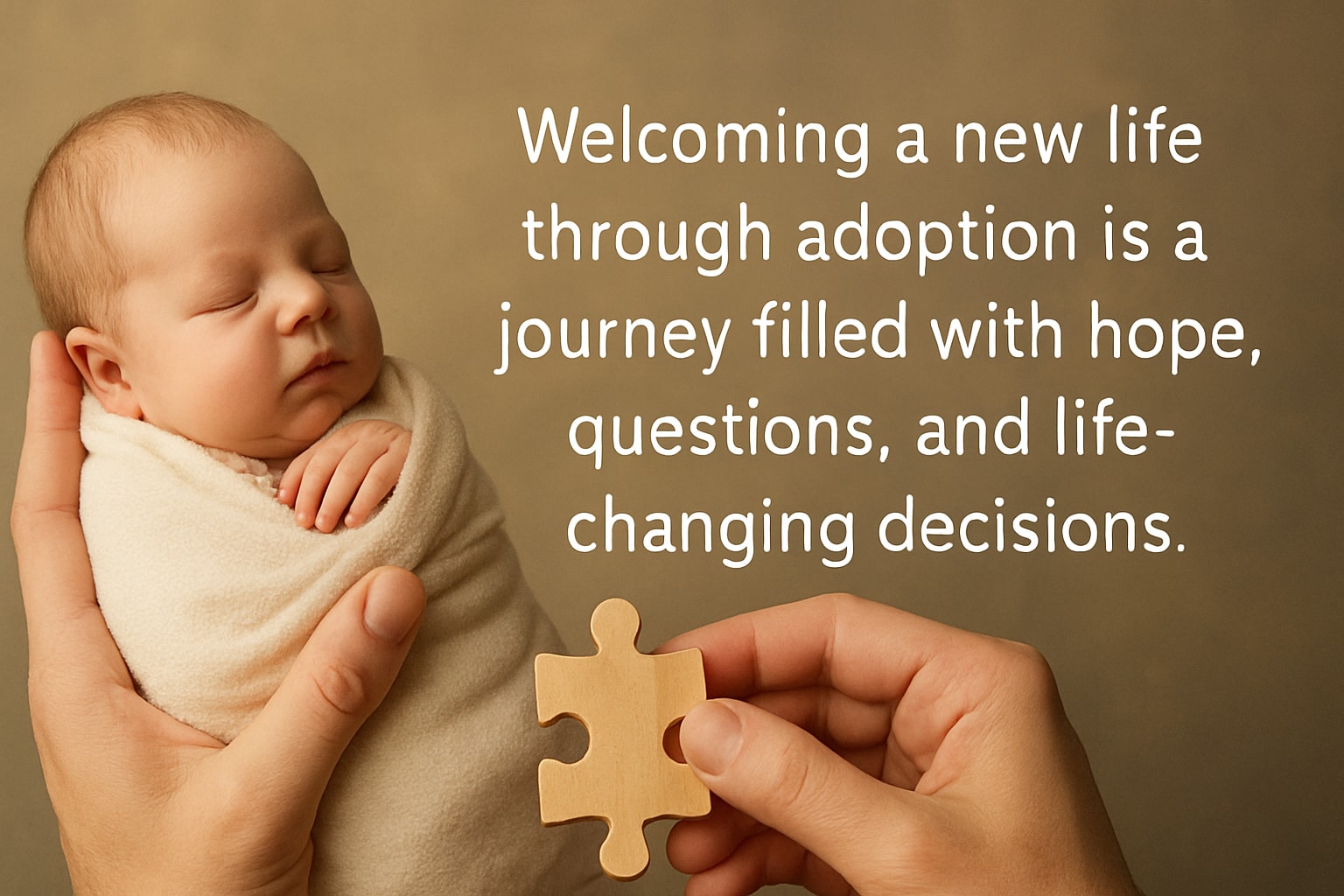
Adoption Infant Guide: Navigating the Journey in 2026
Welcoming a new life through adoption is a journey filled with hope, questions, and life-changing decisions. With the growing interest in adoption infant, families and expectant parents are eager to understand what lies ahead in 2026. This guide offers a clear, step-by-step roadmap to help you navigate adoption infant, covering the latest processes, legal changes, and emotional support resources. Whether you are exploring your options or ready to take the next step, discover the benefits, joys, and essential tips for a successful adoption experience. Use this guide to confidently embark on your adoption infant journey.
Understanding Infant Adoption in 2026
Welcoming a child through adoption infant is a life-changing decision that shapes families and communities. In 2026, understanding the evolving landscape of infant adoption helps both expectant parents and hopeful families make informed, confident choices.

What is Infant Adoption?
Infant adoption is the legal process where an infant, typically under 12 months old, becomes the child of adoptive parents. This adoption infant journey is distinct from foster care or international adoption. Foster care often involves older children, while international adoption brings unique legal and cultural complexities.
In the U.S., there were 19,658 private domestic infant adoptions in 2020, according to the latest national reports. Choosing adoption infant not only creates families but also offers children stability and lifelong opportunities. Society benefits as well, with children finding permanent, nurturing homes.
Trends and Changes in 2026
Adoption infant processes in 2026 reflect major shifts in law and technology. Many states have updated adoption laws to prioritize openness and transparency. Open adoption agreements are now more common, allowing ongoing contact between birth and adoptive families.
Technology has transformed adoption infant experiences. Digital profiles, virtual meetings, and online resources make it easier for families and expectant mothers to connect. Demographics are shifting too, with a wider range of backgrounds among both birth and adoptive parents.
Key Stakeholders: The Adoption Triad
The adoption infant experience centers around the adoption triad: birth parents, adoptive parents, and the adopted child. Each plays a crucial role in the process and outcome. Ethical practices are vital, ensuring informed consent and respect for everyone’s rights.
Pre- and post-adoption counseling now receive greater emphasis in 2026. All members of the triad benefit from support as they navigate emotional changes, build relationships, and adjust to new family dynamics. This focus on mental health helps create healthier, lasting connections.
Types of Infant Adoption
There are several adoption infant pathways available. Private domestic adoption is arranged by agencies or attorneys, while public adoption takes place through foster care systems. Open, semi-open, and closed adoptions describe the level of contact between birth and adoptive families.
Agency adoptions provide structured support, while independent adoptions offer more flexibility. To explore the key distinctions between these options, see this helpful Differences between private and foster care adoption guide. Understanding each type empowers families to choose the best fit for their circumstances and values.
The Adoption Process: Step-by-Step Guide
Embarking on the adoption infant journey in 2026 can feel overwhelming, but breaking the process into manageable steps brings clarity and confidence. Whether you’re an expectant parent or a hopeful adoptive family, understanding each stage is your first step toward a loving, life-changing experience.
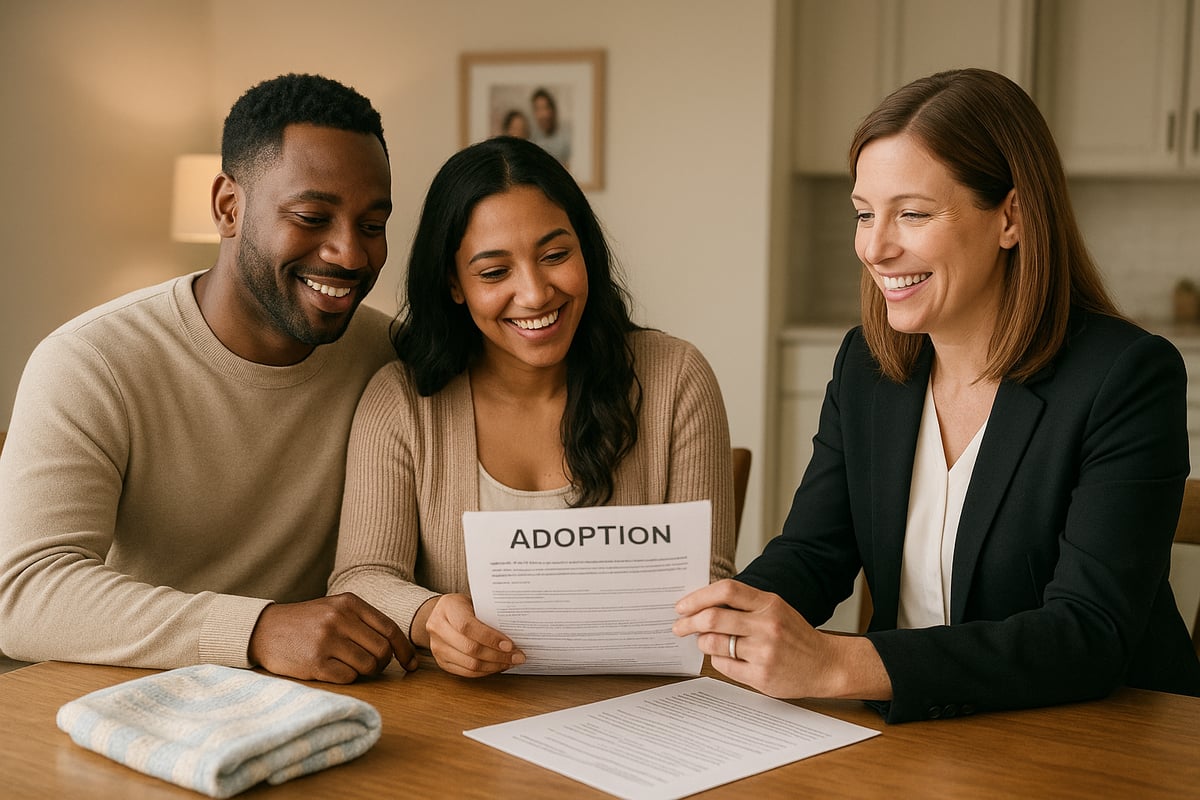
Step 1: Deciding if Adoption is Right for You
The first step in the adoption infant process is honest self-reflection. Ask yourself why you want to adopt. Are you ready to provide lifelong love and support? Consider your motivations, expectations, and emotional readiness.
Explore your feelings about infertility or growing your family through adoption. Seek counseling if needed, and talk openly with your partner or support network. Many people find it helpful to join support groups or connect with others who have experienced the adoption infant journey.
Remember, this decision shapes lives. Take time to ensure adoption is the right path for your unique situation and heart.
Step 2: Choosing the Right Adoption Path
Once committed, it’s time to navigate the different adoption infant paths. Will you work with an agency or pursue independent adoption? Each route has unique benefits, costs, and requirements.
Understand your state’s regulations and research reputable professionals. Consider factors like wait times, level of support, and ethical standards. Many families start by reviewing a step-by-step adoption process guide to get a clear overview of what’s ahead.
Your choices now lay the foundation for a smoother, more rewarding adoption infant experience.
Step 3: Preparing for Adoption
Preparation is essential in the adoption infant process. This stage involves a home study, which examines your living situation, finances, and emotional preparedness. Expect interviews, background checks, and reference gathering.
Adoption education is a key requirement. You’ll complete training on parenting, attachment, and adoption-specific issues. Organize documents, prepare your home, and ensure everyone involved is ready for the changes ahead.
Embrace this as a time for growth and learning. Each step brings you closer to welcoming a new addition through adoption infant.
Step 4: Creating an Adoption Profile
Your adoption profile introduces you to expectant parents considering adoption infant placement. Craft a genuine, compelling story about your family, values, and dreams for a child.
Utilize technology to create virtual profiles and videos. Be transparent, honest, and authentic—birth parents value sincerity. Include photos, hobbies, and what makes your family unique.
Remember, your profile is more than a resume. It’s a heartfelt invitation for someone to choose you in their adoption infant journey.
Step 5: Matching and Placement
Matching is the moment your adoption infant journey becomes real. Agencies and birth parents review profiles to find the best fit. Expect a range of timelines—matches can happen quickly or take months.
First meetings are filled with hope and nerves. Approach them with openness and respect. Building trust is key for all involved.
Stay flexible and patient. Every adoption infant match is unique, and the right connection is worth waiting for.
Step 6: Legal Procedures and Finalization
The legal phase of adoption infant involves relinquishing parental rights, court hearings, and documentation. Birth parents must consent, and all procedures must meet state and federal laws.
You’ll attend court to finalize the adoption. Once approved, a new birth certificate is issued, and you gain full legal parenthood. The timeline varies, but most adoptions finalize within a few months of placement.
Work closely with your agency or attorney to ensure every legal detail in your adoption infant process is handled ethically and thoroughly.
Step 7: Post-Placement Support and Adjustment
After placement, the adoption infant journey continues with adjustment and support. Expect supervisory visits and post-placement reports, ensuring everyone’s well-being.
Seek counseling or join support groups for guidance. Birth parents, adoptive families, and the child all benefit from ongoing care.
The transition period can be emotional, but with the right resources, your adoption infant experience will be one of growth, healing, and lifelong bonds.
Support and Resources for Expectant and Adoptive Parents
Starting the adoption infant journey can feel overwhelming, but nobody has to walk it alone. Whether you are an expectant mother or a hopeful adoptive family, support and resources are available at every stage. Knowing where to turn for help can make all the difference in having a positive and empowering experience.

Counseling and Emotional Support
Emotional well-being is crucial for everyone involved in the adoption infant process. Both expectant mothers and adoptive parents benefit from access to licensed counselors and peer support groups. Many organizations offer mentorship programs, helping individuals connect with others who have walked a similar path.
Addressing grief, loss, and attachment issues is an important step toward healing and healthy relationships. For birth mothers, specialized resources like Emotional support for birth mothers provide counseling, group meetings, and practical advice. Seeking these supports early can help everyone feel understood and empowered during the adoption infant journey.
Financial and Legal Assistance
Navigating the financial and legal aspects of adoption infant can be complex, but help is available. Understanding costs, from agency fees to court expenses, is essential. Many families can access financial aid, including grants, loans, and employer benefits, to make adoption infant more affordable.
Expectant mothers often qualify for legal support at no cost, ensuring their rights are protected throughout the process. Adoption professionals can also clarify state and federal regulations, making sure every step is handled ethically and within the law. Seeking expert advice gives peace of mind and reduces stress.
Medical and Housing Support for Expectant Mothers
Expectant mothers considering adoption infant deserve comprehensive care and stability. Access to prenatal medical care is vital for both mother and child. Many adoption agencies help secure health insurance or cover medical expenses.
Stable housing is another priority. Options include maternity homes or housing assistance programs designed for women in need. Transportation services are also available to ensure mothers can attend medical appointments and counseling sessions. These supports help create a safe, nurturing environment throughout the adoption infant experience.
Educational Resources and Advocacy
Education empowers all members of the adoption infant community. Prospective parents, birth mothers, and adoptees can access a variety of learning materials—webinars, workshops, and reading guides—to better understand the process and what to expect.
Advocacy organizations keep families informed about legislative updates and adoption rights. These groups also promote positive adoption language and help reduce stigma, creating a more supportive environment for everyone. Continuous education ensures every adoption infant story is built on knowledge and compassion.
Tapestry Adoption: Comprehensive Support Services
Tapestry Adoption is a trusted resource for those navigating the adoption infant process. They offer tailored counseling, financial help, medical support, and legal guidance for expectant mothers nationwide, as well as home study and adoption services for Indiana families.
Tapestry Adoption emphasizes ethical practices, personalized adoption plans, and caring post-placement support. Birth mothers receive no-cost, no-obligation help, including housing and counseling, in a faith-based, compassionate setting. With both local offices and remote services, Tapestry Adoption provides stability, understanding, and hope for every adoption infant journey.
Navigating Challenges and Making Informed Choices
Adoption infant journeys are filled with questions, emotions, and sometimes uncertainty. Facing challenges head-on and making informed choices will empower you, whether you are an expectant parent or a hopeful adoptive family. Let’s break down the most common hurdles and how to navigate them confidently.
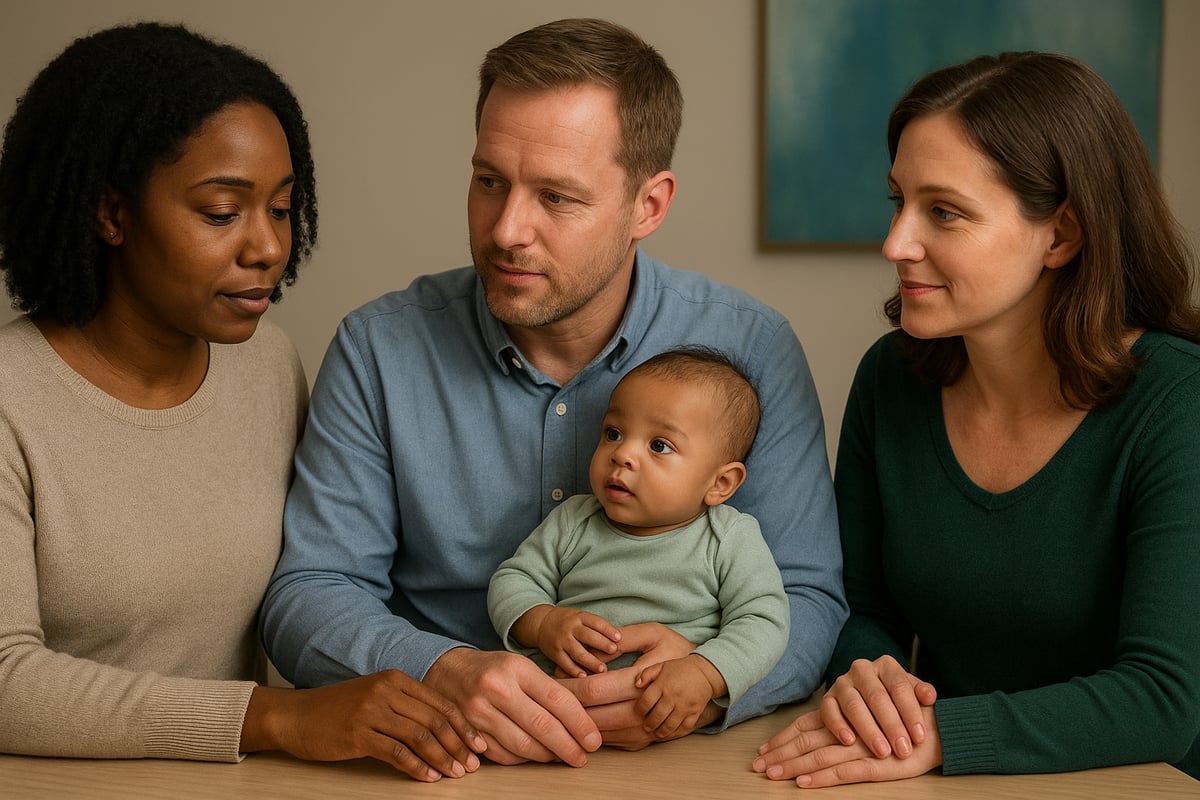
Addressing Common Concerns
When considering adoption infant options, many families worry about open adoption and how ongoing contact might affect everyone involved. Open communication can seem daunting, but research shows it often benefits the child, birth parents, and adoptive family. If you’re unsure about the differences, the Open vs. closed adoption explained guide can clarify what to expect.
It’s also common to feel anxious about how friends or family might react. Remember, every adoption infant journey is unique. Seeking support from adoption professionals and connecting with others who have been through similar experiences can help you face uncertainty with confidence.
Legal Rights and Protections
Understanding your legal rights is essential in any adoption infant journey. Birth parents must provide informed consent before any placement, and adoptive parents benefit from legal safeguards that secure their parental status. Each state has specific laws, so working with a trusted agency or adoption attorney is crucial.
If your adoption infant process involves crossing state lines, the Interstate Compact on the Placement of Children (ICPC) ensures all legal requirements are met. Knowing your protections and responsibilities helps prevent misunderstandings and builds trust for everyone involved.
Adoption in Difficult Circumstances
Sometimes, adoption infant decisions happen during crisis situations, such as homelessness, addiction, or incarceration. If you face these challenges, know that agencies offer specialized support for expectant parents in difficult times. There are also pathways for special needs and older child adoptions, which may require additional resources and preparation.
Teens and older birth parents may have unique needs during the adoption infant process. Accessing counseling, legal guidance, and community support can make a significant difference during these challenging circumstances.
Cultural, Religious, and Ethical Considerations
Respecting cultural and religious backgrounds is vital during any adoption infant process. Ethical adoption agencies prioritize informed consent and honor the values of all parties. It’s important to discuss traditions, beliefs, and expectations early to avoid misunderstandings.
Transracial and transcultural adoptions are becoming more common in adoption infant cases. Families can prepare by learning about their child’s heritage and connecting with supportive communities. Ethical practices ensure that every adoption infant placement is handled with care and respect.
Coping and Adjustment Strategies
After an adoption infant placement, emotional adjustment is a journey for everyone. Birth parents may experience grief and loss, while adoptive families work on bonding and building attachment. Support groups, counseling, and ongoing education are essential for long-term well-being.
Remember, the adoption infant journey doesn’t end after placement. Celebrate milestones, honor each member of the triad, and seek help when needed. By staying connected and informed, you can create a positive, lifelong experience for your family.
Building Healthy Adoption Relationships
Building healthy relationships is at the heart of every adoption infant journey. Whether you are a birth parent, adoptive parent, or adoptee, your connections will shape the experience for years to come. Let’s explore key ways to foster trust, openness, and lifelong well-being in your adoption infant story.
Open vs. Closed Adoption: Pros and Cons
Choosing between open and closed adoption infant arrangements is a major decision. In the U.S., most adoption infant placements now involve some level of openness. According to the Adoption by the Numbers Report, open and semi-open adoptions are increasingly common.
Here’s a quick comparison:
| Type | Definition | Benefits | Challenges |
|---|---|---|---|
| Open | Ongoing contact and information | Transparency, identity, connection | Boundaries, emotional work |
| Closed | No contact or information shared | Privacy, closure | Gaps in identity, questions |
Open adoption infant arrangements often help children form a strong sense of identity, while closed adoptions may offer more privacy but fewer opportunities for ongoing connection.
Communicating Across the Adoption Triad
Effective communication is the foundation of every successful adoption infant relationship. All members of the adoption triad—birth parents, adoptive parents, and the child—benefit from clear expectations and honest dialogue.
Start by establishing boundaries together. Discuss preferred contact methods, frequency of updates, and what topics are comfortable for everyone. Remember, these relationships can evolve over time. Flexibility and empathy are key as you navigate new stages in your adoption infant journey.
Tips for healthy communication:
- Set realistic expectations early.
- Use positive, respectful language.
- Revisit agreements as needs change.
Lifelong Impact on the Adopted Child
The effects of adoption infant experiences reach far into adulthood. Research shows that children thrive when they understand their origins and have access to their story. Open conversations, tailored to the child’s age, help adoptees build secure attachments and a positive self-image.
Families should encourage questions and provide honest answers. This approach strengthens trust and helps the child integrate their adoption infant experience into their identity. When possible, access to birth records and cultural heritage supports lifelong well-being.
Post-Adoption Support and Community
Support doesn’t end after placement. Post-adoption infant resources empower families and birth parents to adjust and thrive. Many organizations offer ongoing counseling, support groups, and educational workshops.
Consider these resources:
- Peer and professional counseling
- Local and national support groups
- Workshops on adoption infant topics
Connecting with others who share your experience can make a world of difference. Seek out community, stay engaged, and remember that support is always available to help you build lasting, healthy relationships.
Preparing for the Future: Adoption in a Changing World
Adoption infant experiences are evolving rapidly as we look toward 2026 and beyond. Families, expectant parents, and professionals must stay informed about upcoming changes to ensure a smooth and supported journey. Understanding future trends, embracing technology, and adopting positive language can help you confidently navigate your adoption infant path.
Anticipated Legal and Social Changes
The landscape for adoption infant processes is shifting, with several predicted updates to adoption laws in 2026. One significant change is the enhancement of federal tax support. Staying up to date with Adoption Tax Credit Updates can help families plan financially, as credits are now higher and partially refundable.
Other trends include:
- Greater transparency in adoption agreements
- Expanded protections for birth and adoptive families
- Broader inclusivity for diverse family structures
Socially, there is growing acceptance and understanding of adoption infant stories. Openness and honesty are being prioritized more than ever, making it easier for all parties to build healthy relationships.
Technology and Adoption
Technology is reshaping the adoption infant journey. Online profiles allow hopeful parents to share their stories with expectant mothers in a secure, accessible way. Virtual home studies and telehealth counseling make the process more flexible, especially for families in rural or remote areas.
Key tech trends:
- Secure digital document management
- Virtual support groups and webinars
- Social media for education and community building
With these advancements, privacy and data security are paramount. Choosing reputable platforms and understanding digital safety is crucial for everyone involved in adoption infant pathways.
Advocacy and Positive Adoption Language
Advocacy groups are leading the way in promoting ethical, respectful language throughout the adoption infant process. Words matter—they shape perceptions and experiences. Using positive adoption language helps reduce stigma and acknowledges the courage of all members of the adoption triad.
Consider these advocacy tips:
- Use “placing a child for adoption infant” instead of “giving up”
- Honor each person’s unique story and emotions
- Support legislative efforts for transparency and adoptee rights
Educating communities and professionals ensures that adoption infant conversations are compassionate and empowering for everyone.
Tips for a Successful Adoption Journey
To thrive in the adoption infant process, stay proactive and adaptable. Build a strong support network, remain open to change, and celebrate every milestone. Here are key tips for success:
- Stay informed about current and upcoming adoption infant laws
- Seek out education and counseling resources
- Connect with support groups for all members of the triad
- Practice patience and flexibility throughout your journey
Most importantly, honor the individuality of your adoption infant experience, and remember that preparation and support are your strongest tools for a positive future.
As you start your adoption journey in 2026, remember—you’re not alone. Whether you’re an expectant mom looking for guidance or a family eager to grow, having the right support and information can make all the difference. That’s why we’re here: to walk alongside you, answer your questions, and provide the counseling, legal, and financial help you need. If you’re pregnant and exploring your options, don’t miss our Free Expectant Mother Guide. It’s packed with honest advice, real stories, and step by step insights to empower you every step of the way.