



Essential Guide to Adopting Out: What You Need to Know in 2026
Adopting out a child is one of the most significant, complex, and emotional decisions a parent can face, especially with laws and support systems evolving in 2026.
More families are considering adopting out as a loving option, making it vital to understand each step in this changing legal landscape. The right information helps parents make informed, compassionate choices for their child’s future.
This essential guide will walk you through adopting out, from legal requirements and emotional considerations to practical steps, support resources, and life after adoption. Explore the process, learn about your rights, and discover the support available for every stage.
Understanding “Adopting Out” in 2026
Adopting out is a life-changing decision, and understanding what it means in 2026 is crucial for anyone considering this path. The landscape of adoption continues to evolve, with more transparency, changing laws, and greater support for birth parents than ever before.
What Does “Adopting Out” Mean?
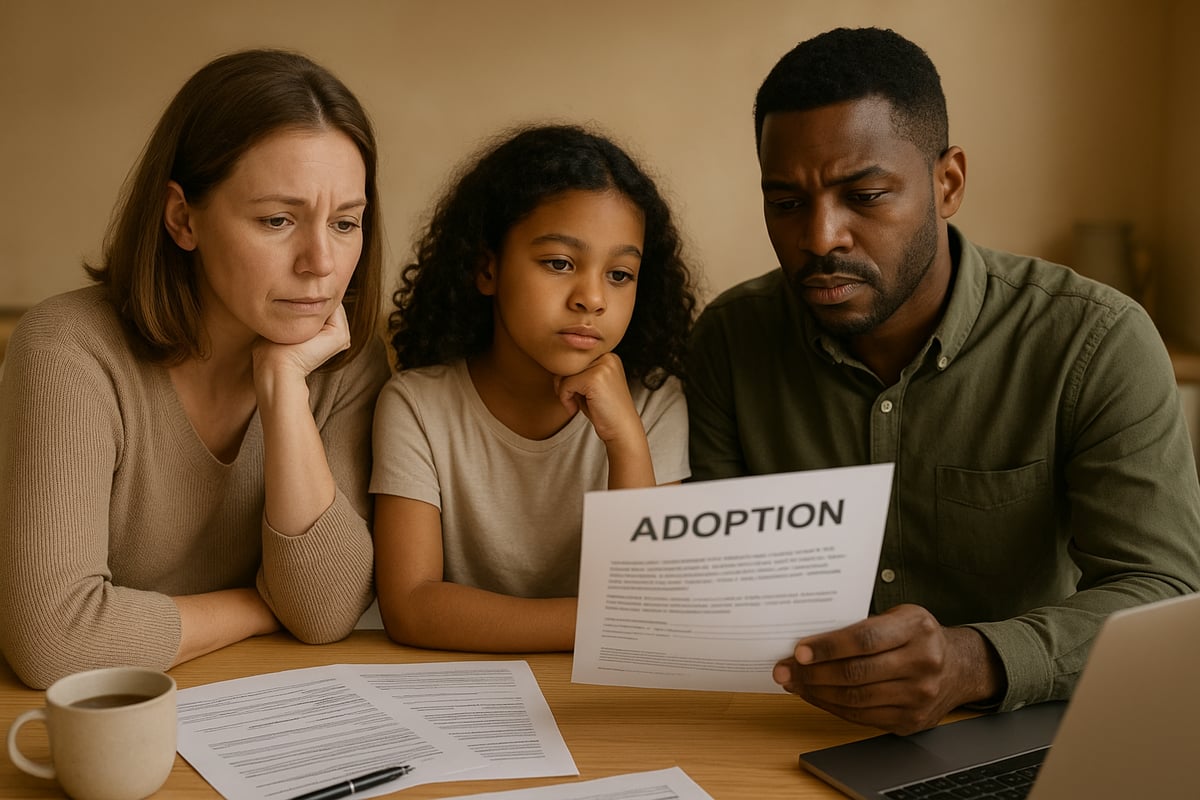
Adopting out, also known as placing for adoption, is the voluntary process where a parent or guardian legally transfers parental rights to another family. This is different from foster care, which is usually temporary and managed by the state. People considering adopting out often include expectant parents, families facing crisis, or guardians unable to provide long-term care. Scenarios range from infant adoption to older child placements, and can involve kinship (relatives) or non-relative families.
In 2026, trends show a move toward open adoption and increased transparency, which helps reduce stigma. More families are openly discussing their experiences, and society is becoming more supportive. For a step-by-step overview of the process, visit the Placing a Baby for Adoption Process page.
Reasons Families Consider Adoption
Families choose adopting out for many reasons. Personal circumstances like financial hardship, health challenges, or sudden life changes can make parenting difficult. Cultural and religious beliefs also play a role in these decisions, as do local traditions. Current statistics show that a large percentage of adoptions are initiated by birth parents who want the best for their child’s future.
Consider a family who, after careful reflection, decides that adoption is the most loving option for their child. Their choice is guided by a desire to ensure stability, opportunity, and lifelong well-being for their child, showing that adopting out is an act rooted in compassion.
Types of Adoption in 2026
The types of adopting out options in 2026 are broader than ever. Private domestic adoption involves direct placement with a chosen family, often through agencies. Agency adoption is managed by licensed organizations, while independent adoption allows for direct arrangements between birth and adoptive families. Step-parent adoption is common in blended families.
Open adoption, where birth parents and adoptive families maintain some contact, is now the most prevalent and offers many benefits. Closed adoption, with no contact, is less frequent. International adoption exists but faces more restrictions. There are also special needs and sibling group adoptions, reflecting a commitment to keeping families together. Recent legal updates have improved protections and clarified processes for all types.
Key Changes in Adoption Laws and Practices for 2026
In 2026, adopting out is shaped by new laws and digital advancements. Legislation now requires clearer consent processes and longer revocation periods, ensuring birth parent rights. Many states have introduced virtual home studies and online matching, making the process more accessible.
There is also a greater focus on post-adoption contact agreements, allowing birth parents to define future relationships with their child. Data shows that these changes are reducing wait times for adoptive families and increasing satisfaction for birth parents. Staying informed about these evolving laws is essential for anyone considering adopting out.
Legal and Practical Requirements for Adopting Out
Making the decision to begin adopting out a child is both life-changing and complex. Understanding the legal and practical steps is crucial for protecting everyone’s rights and ensuring a smooth process. Let’s break down what you need to know in 2026.

Parental Rights and Consent
When adopting out, the law requires that all legal parents or guardians provide informed consent. In most states, both biological parents must agree, unless parental rights have been legally terminated. Consent can only be given by adults who are mentally competent, and some states have special rules for minors or parents with disabilities.
There is typically a revocation period, ranging from a few days to several weeks, during which birth parents can change their minds. For example, in some states, consent can’t be signed until a certain number of hours after birth, while others have waiting periods before adoption is finalized. Always review your state’s specific requirements before proceeding with adopting out.
The Legal Process Step-by-Step
The process of adopting out starts with an initial inquiry and mandatory counseling sessions. These sessions help ensure the decision is voluntary and fully informed. Next, a home study is conducted for the adoptive family, including background checks and interviews.
Legal paperwork is a major component. You’ll complete relinquishment forms, court filings, and other documents, each with its own timeline. Attorneys, agencies, and state authorities play key roles at every stage, guiding you through from the first meeting to finalization. A typical adopting out timeline, from inquiry to final court approval, often takes several months but can vary by state and circumstances.
Costs and Financial Support
For birth parents, adopting out rarely involves direct costs. Most expenses, such as legal fees, counseling, and medical care, are covered by the adoptive family, agency, or government programs. Financial assistance may be available through state grants, support for medical bills, or temporary living expenses.
The average cost for adoptive families in 2026 can range widely, but birth parents should never pay to place a child for adoption. It’s illegal to receive money beyond approved support, so adopting out is not “selling” a child. If you have questions about what is allowed, consult a licensed professional to ensure all actions are ethical and legal.
Choosing an Adoption Professional or Agency
Selecting the right professional is vital when adopting out. Options include licensed agencies, adoption attorneys, facilitators, and consultants. In 2026, all must meet strict accreditation standards, with transparency and ethical practices as top priorities.
Ask questions about their experience, licensing, and how they support birth parents. Look for red flags like lack of credentials or unclear fees. Best practices include reading reviews, checking accreditation, and discussing their approach to open or closed adoption. Choosing wisely ensures a safer and more positive adopting out experience.
Rights and Protections for Birth Parents
Birth parents have important rights and protections throughout the adopting out process. Laws require access to counseling and independent legal representation, as well as strong confidentiality safeguards. Protections against coercion are strictly enforced, and post-placement support is often available.
For more details on your legal rights and protections as a birth parent, visit the Birth Parent Rights and Protections resource. Knowing your rights helps you make empowered choices and ensures adopting out is handled with respect and care for everyone involved.
The Emotional Journey of Adopting Out
Facing the decision of adopting out is deeply emotional and often overwhelming. Every parent’s experience is unique, but certain feelings and challenges are universal. Understanding the emotional journey can help you navigate this process with greater clarity, support, and strength.

Emotional Considerations Before the Decision
Before adopting out, it’s common to experience a whirlwind of emotions. You may feel grief, guilt, relief, or even hope, sometimes all at once. These feelings are valid and deserve space.
Seeking unbiased counseling can help you process your thoughts and explore your motivations. Involving trusted family members or partners in conversations can provide additional support. For many, the long-term impact of adopting out is a mix of loss and the knowledge that the child’s future may be brighter.
Hearing from other birth parents, like a mother who found peace after choosing adoption, can be reassuring. Take your time, and remember that these emotions are a natural part of the journey.
Preparing for the Adoption Process
Building a solid support network is essential when preparing for adopting out. Lean on friends, family, and professionals who can guide you through the process. Set realistic expectations and address any anxieties you have.
Peer support groups and online communities offer a safe space to share experiences and gain strength from others on similar paths. Self-care, such as journaling or mindfulness, can help manage stress during this time.
If you’re looking for structured guidance, the Adoption Plan Guide provides step-by-step help for creating a plan that reflects your wishes and needs. Prioritize your well-being as you prepare for adopting out.
Navigating Relationships with Adoptive Families
The relationship you develop with your child’s adoptive family is a central part of adopting out. Open, semi-open, and closed adoptions each offer different levels of contact and communication.
Setting clear boundaries helps everyone feel secure. Discuss communication preferences early, and revisit them as needed. Some birth parents find comfort in open adoption arrangements, watching their child thrive and maintaining a connection.
Positive stories abound, like birth parents who celebrate milestones with adoptive families, building a unique support network. As relationships evolve, flexibility and respect are key to a healthy dynamic while adopting out.
Post-Placement Adjustment and Healing
After placement, the emotional journey continues. Many birth parents report a sense of grief and loss, even when confident in their decision to proceed with adopting out.
Accessing post-adoption counseling can be transformative, helping you process emotions and adjust to new realities. Celebrate your child’s milestones from afar if you wish, and find ways to honor your adoption story.
Staying connected with your child, when possible, brings comfort to some parents. Studies show that ongoing support and mental health resources improve outcomes for those experiencing the aftermath of adopting out.
Supporting Other Children and Family Members
Adopting out affects not only you but also your other children and family members. Honest, age-appropriate conversations with siblings are crucial.
Managing reactions from extended family can be challenging, especially if there’s stigma or misunderstanding. Seek out resources designed for children impacted by adoption, such as family counseling or educational materials.
One family’s success story highlights the power of open communication and professional guidance. By creating a supportive environment, you ensure everyone’s well-being as you navigate the complexities of adopting out.
Step-by-Step Guide: How to Adopt Out in 2026
If you are considering adopting out in 2026, having a clear, step-by-step roadmap is essential. This guide breaks down the process into manageable actions so you can move forward with confidence and compassion.
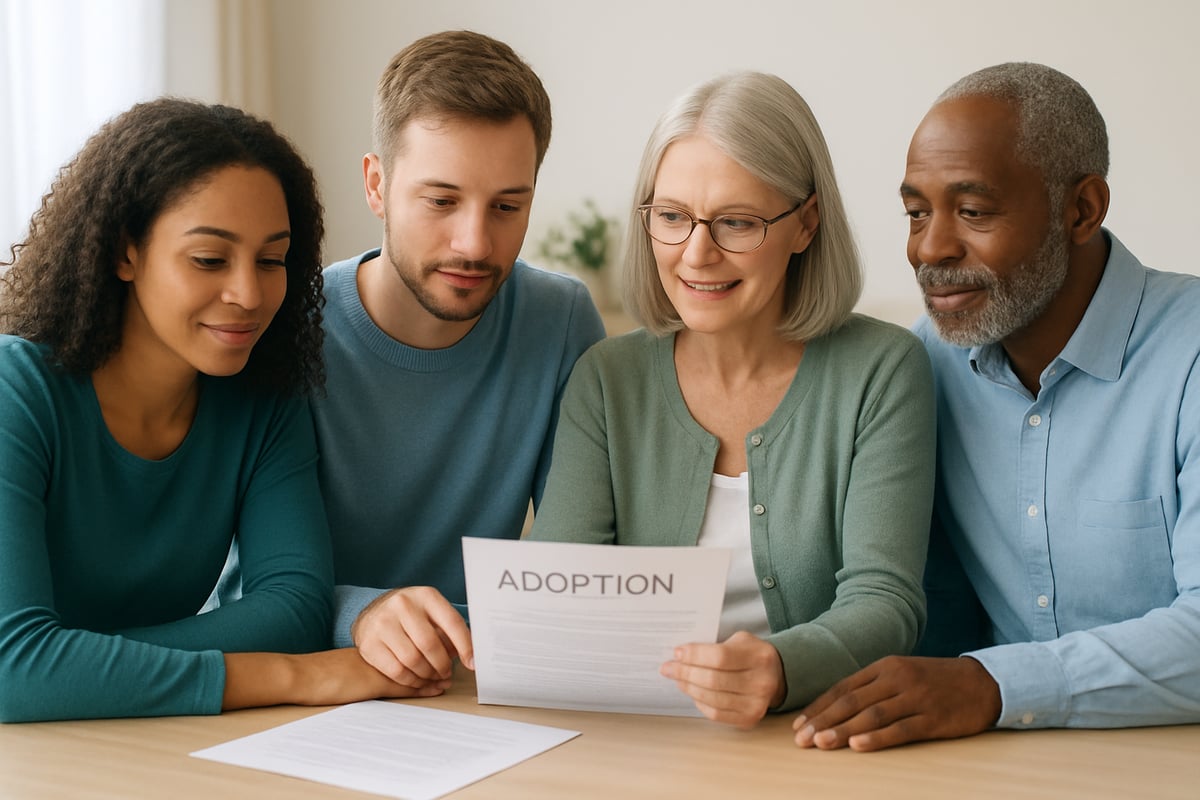
Step 1: Consider Your Options and Motivations
Start by honestly examining your reasons for adopting out. Are you facing financial hardship, health issues, or life changes? Reflect on your circumstances and motivations.
Explore alternatives like parenting, kinship care, or temporary guardianship. Use a decision-making worksheet to clarify your thoughts and feelings.
Talk it over with trusted friends, family, or professionals. Remember, adopting out is a major decision focused on your child’s well-being and future.
Step 2: Seek Counseling and Professional Guidance
Professional counseling is a crucial part of the adopting out process. Many states require at least one session, and most experts recommend ongoing support.
A counselor can help you process emotions, understand your rights, and make informed choices. Licensed social workers, therapists, or peer mentors are excellent resources.
According to recent Adoption Statistics Infographic, counseling increases satisfaction and reduces regret for birth parents. You are not alone—support is available at every step.
Step 3: Research and Select an Adoption Agency/Professional
Choosing the right adoption professional is vital to a positive adopting out experience. Compare agencies, attorneys, and facilitators carefully.
Check credentials, read reviews, and ask about licensing or accreditation. Make sure they are transparent about their process and fees.
Create a checklist of questions, such as how they support birth parents and what ethical standards they follow. Trust your instincts and prioritize agencies that make you feel respected and informed.
Step 4: Create an Adoption Plan
Your adoption plan outlines your preferences for the process. Decide on the type of adoption (private, agency, open, or closed) and the level of openness you want with the adoptive family. For more insight into your options, review the Types of Adoption in 2026 guide.
Think about the qualities you’d like in an adoptive family. If you’re expecting, develop a hospital and birth plan.
Work with your chosen professional to complete necessary legal documents. Planning ahead ensures your adopting out journey reflects your wishes.
Step 5: Matching with an Adoptive Family
Matching is where your adoption plan comes to life. Agencies use online profiles, video meetings, and in-person visits to help you connect with waiting families.
Review their backgrounds, ask questions, and take your time. Remember, you control the pace and can request more information if needed.
Many birth parents find comfort in knowing about the adoptive family’s values and parenting style. Matching is a key step in making adopting out a positive, empowering experience.
Step 6: Legal Procedures and Placement
Once a match is made and you are ready, the final steps of adopting out involve legal paperwork and placement. You will sign consent forms and may attend a court hearing.
Placement day is emotional, so have support ready. After placement, the adoption is finalized, and a new birth certificate is issued.
Timelines vary by state, but your agency or attorney will guide you through each requirement. Completing these steps marks the official transfer of parental rights and the beginning of a new chapter for your child.
Support Resources and Frequently Asked Questions
Making the decision about adopting out is never easy, but you do not have to go through it alone. In 2026, a wealth of support and information is available to empower you with clarity, confidence, and compassion at every step. Below, we answer the most pressing questions and point you to essential resources designed to support you before, during, and after the process.
Counseling and Emotional Support Services
Emotional support is vital when considering adopting out. You can access a range of services, including:
- Individual therapy with licensed adoption counselors
- Group counseling sessions for birth parents
- Peer mentor programs connecting you with others who have been through adopting out
National organizations, like the National Adoption Support Network, offer free or low-cost options in most regions. Many parents find online support groups and helplines helpful for immediate guidance. Studies show that post-adoption counseling increases long-term satisfaction and emotional health.
If you are seeking additional inspiration or want to see how society values your journey, the National Adoption Month Proclamation 2025 highlights the importance of support for everyone involved in adoption.
Financial and Legal Assistance Programs
The financial aspect of adopting out can raise many questions. Generally, birth parents do not pay for adoption services. Costs are often covered by agencies, adoptive families, or government programs.
You may qualify for financial assistance, such as government grants, legal aid, or help with medical expenses. Some nonprofit organizations also offer emergency funds for expectant parents. To understand federal benefits, visit Adoption Tax Credit Details for 2026, which explains eligibility and recent legislative changes.
To apply for support, start by contacting your chosen agency or local social services. They can guide you through available options and help you complete the necessary paperwork for financial aid.
Understanding Open Adoption and Post-Adoption Contact
Open adoption is more common than ever in 2026. It allows birth parents and adoptive families to agree on ongoing contact, such as sharing photos, updates, or even visits. Legally, these contact agreements are recognized in most states and can be customized to suit everyone’s comfort level.
Benefits of open adoption include greater transparency, emotional closure, and stronger identity development for the child. Challenges may include navigating boundaries and adjusting expectations as relationships evolve.
A real-world example: Some families choose annual visits, while others prefer digital updates. Whatever you decide, make sure your wishes are clearly outlined in the adoption plan and supported by your agency.
Addressing Common Concerns and Myths
Many parents worry about the lasting impact of adopting out. Common questions include: Will my child resent me? Is adoption truly permanent? The truth is, adoption is a lifelong legal process, but you have rights and choices throughout.
Privacy is protected by law, and you can decide if you want ongoing contact or confidentiality. With new regulations like the ADOPT Act of 2025 Text, unlawful practices are being strictly addressed, which means greater protection for all parties.
Adoption professionals recommend asking questions and seeking unbiased advice to separate myths from facts. Your experience will be unique, and support is always available.
Special Considerations for Unique Situations
Every adopting out journey is different. If you are a minor, part of a blended family, or your child has special needs, specialized support groups and legal resources exist to help you.
Some considerations include:
- Teen parent support programs
- LGBTQ+ friendly agencies
- Cultural and religious adoption networks
- Medical advocacy for children with complex needs
Connecting with groups that understand your unique circumstances can provide tailored guidance and reassurance.
Navigating State-by-State Variations
Adoption laws can vary significantly from state to state in 2026. Key differences may include consent requirements, revocation periods, and eligibility for certain adoption types.
Here is a simplified table to help you compare:
| State | Consent Age | Revocation Period | Open Adoption Legal? |
|---|---|---|---|
| California | 18 | 30 days | Yes |
| Texas | 18 | 10 days | Yes |
| New York | 18 | 45 days | Yes |
Always check with a licensed adoption professional or your state’s child welfare agency for the latest updates.
Frequently Asked Questions (FAQs)
What happens if I change my mind?
Most states offer a revocation period after adopting out, giving you time to reconsider.
Can I choose the adoptive family?
Yes, most agencies allow you to review and select prospective families.
How long does the process take?
Timelines vary, but it can take several weeks to several months from start to placement.
What rights do I have after placement?
You retain the rights outlined in your adoption agreement, including post-adoption contact if chosen.
Where can I find more information or urgent help?
Contact your local agency, national helplines, or trusted online communities for immediate support.
Online Tools and Support Communities
Digital tools make adopting out easier to navigate in 2026. You can access:
- Reputable online forums for birth parents
- Mobile apps for adoption planning and tracking
- Social media groups offering peer support
Many parents find comfort and connection in these communities. For example, one mother shared how an online group helped her heal and maintain a positive relationship with her child’s adoptive family.
After learning about the emotional journey, legal steps, and support available for adopting out in 2026, you might still have questions or need a little extra guidance as you weigh your options. You’re not alone—we know this is a big decision, and having the right resources can make all the difference. That’s why we’ve created a comprehensive, easy to read Free Expectant Mother Guide just for you. It’s packed with up to date advice, real stories, and practical tools, so you can feel confident and supported every step of the way. Download your free copy and take the next step with clarity and peace of mind.