



Adoption Help Financial: Fund Your Adoption Journey in 2026
Adoption transforms lives, but the financial reality can feel overwhelming for many families. The truth is that bringing a child home through adoption often costs between $20,000 and $50,000 when you factor in agency fees, legal costs, home studies, and travel expenses. Yet this shouldn't be the barrier that stops you from growing your family. Countless adoption help financial resources exist specifically to make adoption accessible to loving families regardless of income level. Understanding these options and strategically planning your approach can turn what seems impossible into a tangible reality.
Understanding the True Cost of Adoption in 2026
Before exploring adoption help financial assistance options, you need a clear picture of what you're actually paying for. The expenses vary dramatically based on the type of adoption you pursue.
Private infant adoption typically represents the higher end of the cost spectrum. Agency fees cover professional counseling services, matching services, and support for both expectant mothers and adoptive families. When working with Tapestry Adoption, families receive comprehensive services including background checks, home studies, and legal support throughout the entire process.
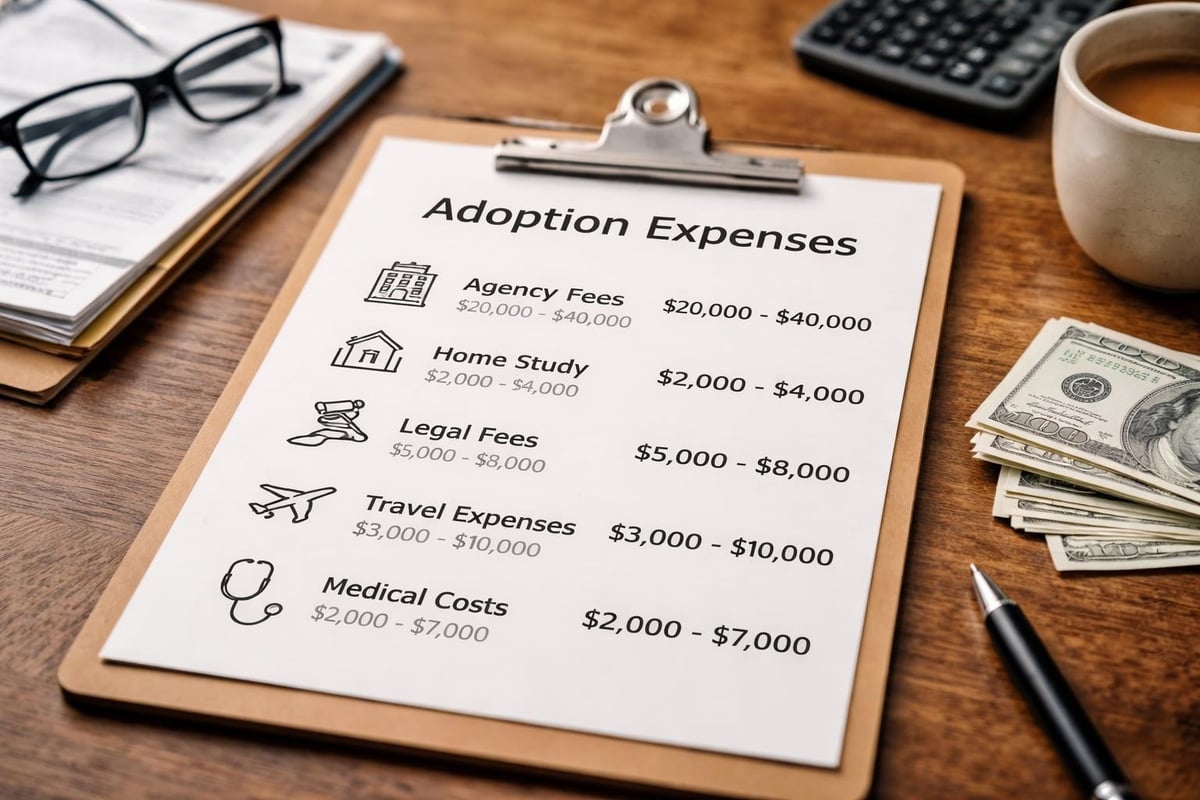
Breaking Down Adoption Expenses
Different adoption paths carry different price tags:
- Foster care adoption: Often $0 to $2,500 when adopting through state systems
- Private domestic infant adoption: $20,000 to $45,000 for full-service agency support
- International adoption: $25,000 to $60,000 including travel and country-specific requirements
- Step-parent adoption: $1,000 to $5,000 for straightforward legal proceedings
- Independent adoption: $15,000 to $40,000 without agency intermediaries
| Expense Category | Typical Cost Range | What It Covers |
|---|---|---|
| Home Study | $1,000 – $3,000 | Background checks, home visits, family assessment |
| Agency Fees | $15,000 – $35,000 | Matching, counseling, case management |
| Legal Fees | $2,500 – $7,000 | Court filings, attorney representation |
| Medical Expenses | $0 – $10,000 | Birth mother prenatal care, delivery costs |
| Travel & Lodging | $500 – $5,000 | Court appearances, hospital stay, bringing baby home |
Understanding what a home study for adoption involves helps you budget accurately for this essential first step.
Federal Adoption Tax Credit: Your Most Powerful Financial Tool
The federal adoption tax credit stands as the single most valuable adoption help financial resource available to American families. For 2026, this credit has reached historic levels of generosity thanks to recent legislative updates.
According to the IRS publication on the Adoption Tax Credit, families can now claim up to $16,810 per child in qualified adoption expenses. Even better, recent changes have made a portion of this credit refundable, meaning you can receive money back even if your tax liability is zero.
How the Adoption Tax Credit Works
The credit covers qualified adoption expenses including:
- Reasonable and necessary adoption fees
- Court costs and attorney fees
- Traveling expenses (including meals and lodging)
- Other expenses directly related to the legal adoption of an eligible child
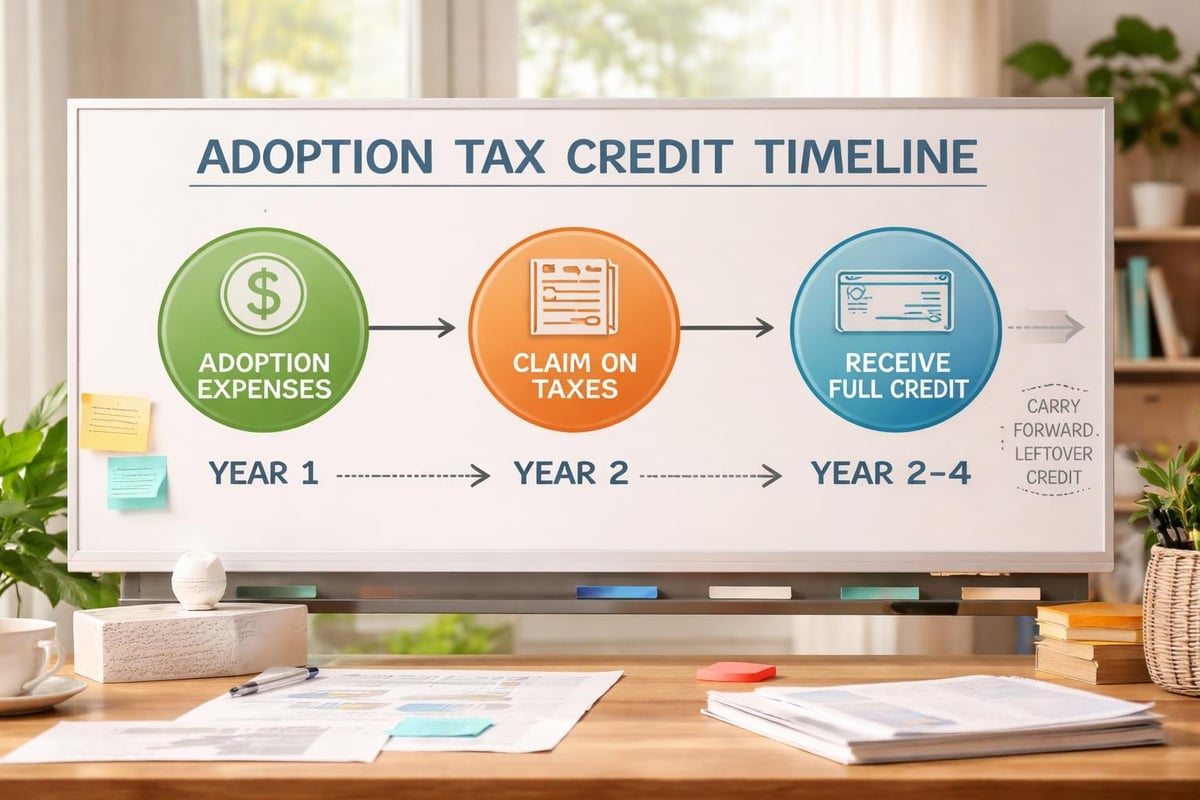
Critical timing note: You can claim expenses in the year after they're paid, regardless of when the adoption finalizes. This creates strategic planning opportunities. Detailed information about the adoption tax credit can help you maximize this benefit.
The credit phases out for higher earners. In 2026, the phaseout begins at modified adjusted gross income of $252,150 and completes at $292,150. Strategic income timing can help some families remain eligible.
Special Needs Adoption Tax Credit Advantage
When adopting a child with special needs from the U.S. foster care system, you can claim the full credit amount regardless of your actual expenses. This provision recognizes both the importance of these adoptions and the unique challenges these children face.
State-Specific Adoption Assistance Programs
Beyond federal support, many states offer robust adoption help financial programs. These vary significantly by location but can provide substantial assistance.
Ohio Adoption Grant Program
Ohio’s Adoption Grant Program exemplifies state-level support, offering up to $20,000 to families adopting children from foster care. This program specifically targets removing financial barriers for children with special needs or those who've waited longest for permanent homes.
Eligibility requirements typically include:
- Adopting through Ohio's public foster care system
- Child meets special needs criteria
- Family completes required training
- Application submitted within specific timeframes
Idaho Adoption Assistance
The Idaho Department of Health and Welfare provides both one-time reimbursements and ongoing monthly subsidies for eligible adoptions. These subsidies continue until the child reaches age 18, helping with long-term parenting costs.
Kansas Adoption Support
Kansas Department for Children and Families structures their assistance to specifically remove financial barriers for special needs adoptions. Their program includes medical coverage through Medicaid in addition to monthly subsidies.
State assistance typically requires:
- Child being adopted from state foster care
- Child meeting special needs definitions
- Determination that assistance is necessary for adoption to occur
- Negotiated agreement before adoption finalization
Private Grants and Employer Adoption Benefits
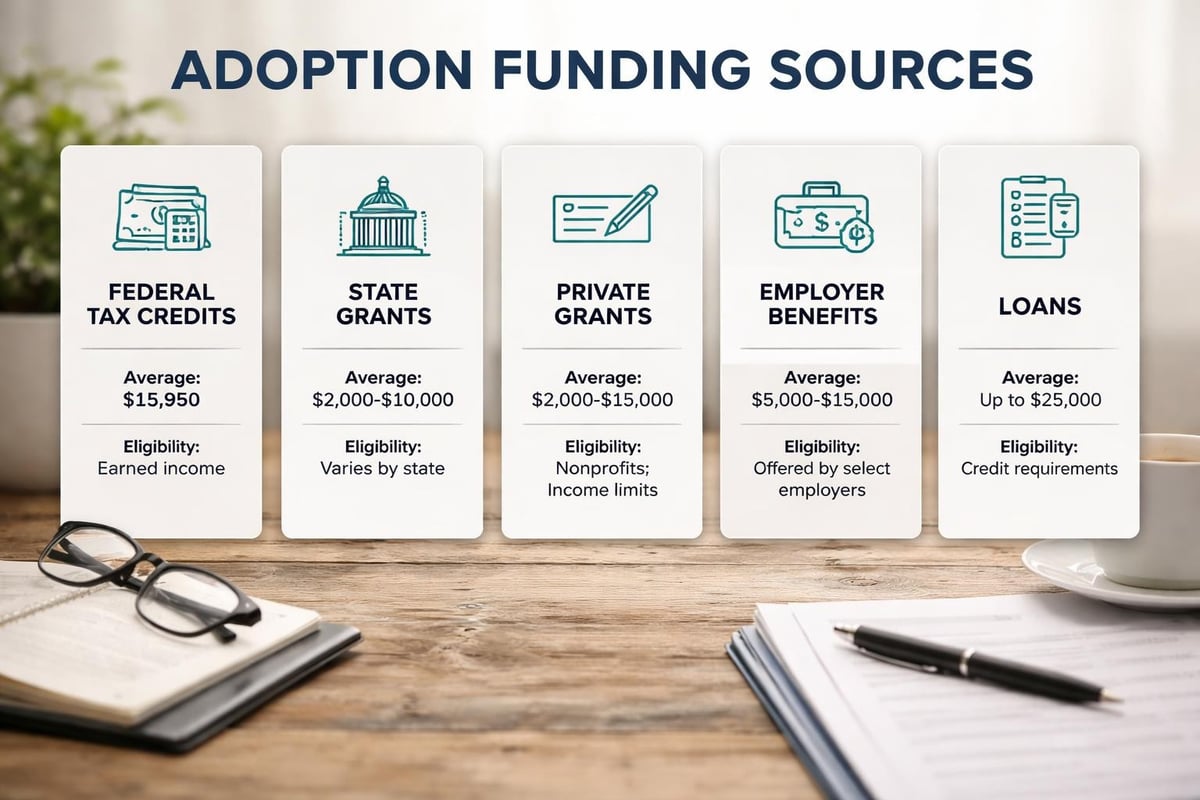
Adoption help financial support extends beyond government programs into the private sector where numerous organizations offer grants specifically for adoptive families.
The National Council For Adoption’s financial resources guide provides comprehensive listings of available grants. These range from faith-based organizations to secular nonprofits, each with unique eligibility criteria.
How to Maximize Grant Opportunities
Successful grant applicants typically:
- Apply to multiple programs simultaneously
- Start applications early in their adoption journey
- Provide compelling personal narratives
- Meet all documentation requirements precisely
- Follow up consistently throughout the review process
Many grants award between $1,000 and $10,000, with some specialized programs offering more. While individual grants may seem modest, stacking multiple awards creates significant financial relief.
Employer Adoption Benefits
Forward-thinking employers increasingly recognize adoption as a family-building method worthy of support. Some offer adoption benefits rivaling maternity leave packages:
- Reimbursement programs: $5,000 to $20,000 toward qualified expenses
- Paid adoption leave: 4 to 12 weeks of paid time off
- Resource and referral services: Professional guidance throughout the process
- Flexible scheduling: Accommodations for court dates and travel
Check your employee handbook or speak with Human Resources about available benefits. Many employees don't realize these programs exist until they ask directly.
Additional Tax Benefits for Adoptive Families
The adoption tax credit isn't the only tax advantage available. The Child and Dependent Care Tax Credit provides additional relief for working families paying for childcare after adoption.
For 2026, this credit covers up to 35% of qualifying care expenses, with maximums of $3,000 for one child or $6,000 for two or more children. Combined with the adoption tax credit, these benefits significantly offset adoption and parenting costs.
Dependent Exemptions and Child Tax Credits
Once your adoption finalizes, your child qualifies you for standard tax benefits:
- Child Tax Credit of up to $2,000 per qualifying child
- Additional Child Tax Credit (refundable portion) for lower-income families
- Head of Household filing status if you're a single parent
- Earned Income Tax Credit enhancements based on number of children
Understanding how these benefits compound across years helps you appreciate the long-term financial advantages of adoption.
Strategic Financial Planning for Your Adoption Journey
Smart adoption help financial planning begins months before you submit your first application. Creating a comprehensive strategy maximizes available resources and minimizes out-of-pocket costs.
Creating Your Adoption Budget
Start by listing every potential expense category:
- Pre-adoption costs: Home study, background checks, training
- Agency or attorney fees: Professional services throughout the process
- Birth mother support: Medical, living, counseling expenses
- Legal proceedings: Court costs, finalization fees
- Travel and accommodation: Multiple trips may be necessary
- Post-placement requirements: Supervised visits, additional reports
Build in a 15-20% contingency fund for unexpected expenses. Adoption timelines often shift, creating costs you didn't anticipate.
Timing Your Expenses Strategically
The adoption tax credit's structure creates planning opportunities. Since you claim expenses in the year after payment, strategic timing maximizes tax benefits:
| Payment Year | Claim Year | Strategic Consideration |
|---|---|---|
| 2025 | 2026 | Pay major expenses before year-end |
| 2026 | 2027 | Spread expenses if near income phaseout threshold |
| Multi-year adoption | Multiple returns | Track expenses meticulously by year |
Real families who've navigated this process successfully share their experiences in adoptive parent testimonials, offering practical insights beyond financial planning guides.
Loans and Financing Options Specifically for Adoption
When savings, grants, and tax credits don't cover your full expenses, adoption-specific loans fill the gap. These differ from general personal loans through recognition of adoption's unique financial structure.
Types of Adoption Financing
Adoption-specific loans often feature:
- Unsecured lending up to $50,000
- Fixed interest rates between 6% and 15%
- Repayment terms from 2 to 7 years
- No collateral requirements
- Funds available quickly for time-sensitive situations
Home equity loans or lines of credit provide:
- Lower interest rates due to secured nature
- Larger borrowing limits based on home value
- Tax-deductible interest in many cases
- Longer repayment periods reducing monthly payments
401(k) loans allow you to:
- Borrow from your retirement funds
- Avoid credit checks and approval processes
- Pay yourself back with interest
- Access funds immediately
Each option carries tradeoffs between interest costs, qualification requirements, and repayment flexibility. Many families combine multiple financing methods based on their specific situation.
Financial Support for Expectant Mothers Considering Adoption
Understanding adoption help financial resources from the expectant mother's perspective reveals how comprehensive support systems benefit everyone involved in the adoption process.
Agencies like Tapestry Adoption provide adoption plan support that includes financial assistance for expectant mothers. This typically covers:
- Medical expenses: Prenatal care, delivery, postpartum checkups
- Living expenses: Rent, utilities, groceries during pregnancy
- Counseling services: Emotional support throughout the decision-making process
- Legal representation: Independent attorney ensuring rights protection
- Recovery support: Immediate post-birth care and supplies
This support isn't payment for a baby-that would be illegal. Rather, it's humanitarian assistance helping women make fully informed decisions without financial pressure influencing their choice.
For women facing unexpected pregnancy in Indiana or other states, knowing this support exists changes everything. Financial stress shouldn't force anyone into parenting or adoption decisions.
Navigating Step-Parent Adoption Finances
Step-parent adoptions represent a unique category with distinctly different financial considerations. These proceedings typically cost significantly less than other adoption types while still providing legal permanency.
An introduction to step-parent adoption in Indiana reveals typical costs ranging from $1,000 to $5,000. This includes:
- Attorney fees for petition preparation and court representation
- Court filing fees and administrative costs
- Background check and home study expenses (often waived)
- Birth parent consent documentation (if applicable)
The federal adoption tax credit applies to completed step-parent adoptions, providing post-adoption financial relief. While the upfront costs are lower, claiming the credit still delivers valuable tax benefits.
Making Adoption Financially Achievable Starting Today
Every family's financial situation differs, but adoption help financial resources exist for virtually every circumstance. The key lies in thorough research, strategic planning, and persistence through the application processes.
Immediate action steps:
- Calculate your adoption tax credit eligibility and estimated benefit
- Research state-specific programs in your location
- Request employer adoption benefit information
- Apply for multiple private grants simultaneously
- Explore financing options before you need them urgently
The recent updates to adoption tax credits make 2026 an especially advantageous year for families beginning their adoption journey. Higher credit amounts and partial refundability provide unprecedented support.
Remember that families who’ve succeeded in completing adoptions rarely had unlimited resources. They leveraged available programs, planned strategically, and remained committed to their goal despite financial challenges.
Whether you're an expectant mother exploring options or a prospective adoptive family building your plan, understanding adoption help financial resources empowers better decisions. These programs exist precisely because society recognizes adoption's value in creating families and providing children with permanent, loving homes.
Navigating adoption finances requires knowledge, planning, and the right support system to guide you through each step. The combination of federal tax credits, state programs, private grants, and strategic financing makes adoption accessible to many more families than most people realize. At Tapestry Adoption, we provide comprehensive financial guidance alongside counseling and legal support for both expectant mothers and adoptive families, helping you understand exactly which resources apply to your unique situation and ensuring you maximize every available benefit throughout your adoption journey.