


Adoption Domestic Guide: Your Pathway to Family in 2026
Dreaming of building your family through adoption? The journey of adoption domestic can be life-changing, filled with hope, love, and new beginnings. In 2026, more families are discovering the rewards and possibilities that come with opening their hearts and homes.
With updated laws, streamlined processes, and expanded support, adoption domestic has never been more accessible or supported. This guide will walk you through every step, from understanding the types of adoption to eligibility, application, costs, legal considerations, and post-adoption resources.
Ready to take the first step? Follow this comprehensive guide and start your path toward building the family you've always dreamed of.
Understanding Domestic Adoption in 2026
Dreaming of growing your family through adoption domestic pathways? In the United States, the process is evolving rapidly, especially as we approach 2026. Understanding the basics, the different types available, and the latest trends will help you make informed choices and set realistic expectations. Let's break down what you need to know about adoption domestic options and how the landscape is changing for hopeful parents.
What is Domestic Adoption?
Adoption domestic refers to the legal process of adopting a child who is born and resides within the same country as the adoptive parents, most commonly in the United States. This process typically involves infants or young children, but older children may also be placed through certain programs.
There are several routes for adoption domestic placements. Private adoptions are arranged directly between birth and adoptive families, often with the help of attorneys. Agency adoptions use licensed organizations to match families and provide support. Foster-to-adopt placements involve children in the state foster care system, where reunification with birth parents is no longer possible.
Compared to international adoption, adoption domestic offers more legal clarity, fewer travel requirements, and often greater openness between families. For example, private infant adoption might allow for more contact between birth and adoptive parents, while foster care adoption often involves older children or sibling groups. According to recent reports, over 18,000 domestic infant adoptions occur annually in the U.S., reflecting the growing appeal of adoption domestic for families seeking openness, shorter timelines, and a more predictable process.
Types of Domestic Adoption
There are several main types of adoption domestic, each offering unique benefits and challenges. Private agency adoption connects families with birth parents and guides both parties through the process, ensuring support and compliance with state laws. Independent or private adoption involves a direct agreement between birth and adoptive parents, usually with legal assistance but less agency involvement. Foster care adoption allows families to adopt children from the public child welfare system, often providing homes for older children or sibling groups. Step-parent and relative adoption formalizes the legal relationship for children already living with extended family or a step-parent.
Here's a quick comparison:
| Type | Typical Age | Involvement | Example |
|---|---|---|---|
| Private Agency | Infants | Agency-facilitated | Newborn matched at birth |
| Independent | Infants | Attorney-led | Direct birth-parent match |
| Foster Care | All ages | State system | Sibling group, older child |
| Step/Relative | All ages | Family-based | Step-parent or grandparent |
Trends show a growing preference for open adoptions in the U.S., where ongoing contact with birth families is encouraged. To explore more about the different options available, especially if you're considering your options in the Midwest, check out this guide on the types of adoption in Indiana.
Key Trends and Changes for 2026
As we look toward 2026, adoption domestic is experiencing significant updates. New state and federal regulations, such as changes to the Interstate Compact on the Placement of Children (ICPC) and enhanced post-placement requirements, are streamlining and clarifying the process. Agencies are placing greater emphasis on open adoption, encouraging ongoing contact and collaboration between birth and adoptive families, which can benefit the child's emotional health.
Digital platforms are also transforming adoption domestic by making matching, education, and support more accessible. Many agencies now offer virtual training, online support groups, and digital profiles for families and expectant mothers. According to recent data, the average wait time from home study approval to placement is about seven months, reflecting both efficiency and demand.
Support networks for both birth parents and adoptive families are expanding, ensuring everyone involved in adoption domestic has access to counseling, resources, and peer communities. These changes make the process more transparent, supportive, and adaptable to the needs of modern families.
Who Can Adopt? Eligibility & Requirements
Dreaming about adoption domestic in 2026? Knowing if you qualify is the first crucial step on your journey. Every adoption domestic pathway starts with meeting certain eligibility requirements set by agencies and states. These rules help ensure the best fit for both children and families, building the foundation for a successful placement.

General Eligibility Criteria
Adoption domestic eligibility varies slightly by agency and state, but most programs share core requirements. Typically, adoptive parents must be at least 25 years old. Both single individuals and married couples can apply, though some agencies may require couples to be married for a minimum period. Good physical and emotional health is essential, with applicants needing to demonstrate stability and the absence of serious criminal offenses.
Residency is another key factor. Most adoption domestic programs require U.S. citizenship or legal residency. Some agencies only accept families within specific states. For example, agencies in North and South Carolina might only allow local families to apply, aiming to minimize wait times and streamline legal steps. This local focus can impact the adoption domestic family pool, as agencies limit applicants to better serve children in their regions.
To ensure you meet all requirements, it’s wise to consult resources like the USCIS Adoption Information, which provides official guidance on eligibility, legal steps, and documentation for adoption domestic. Understanding these basics helps you take confident first steps toward growing your family.
Summary Table: Common Eligibility Criteria
| Requirement | Typical Standard |
|---|---|
| Age | 25+ years |
| Marital Status | Single or married (varies) |
| Health | Good physical & mental |
| Residency | U.S. citizen or resident |
| Criminal Background | No major offenses |
Home Study Process
The home study is a cornerstone of the adoption domestic process. It is a thorough assessment of your home, background, and readiness to adopt. The process begins with an application, followed by interviews, background checks, and a review of your finances. Social workers also conduct home visits to ensure your environment is safe and nurturing.
You’ll need to provide documents such as health records, financial statements, and personal references. The timeline for home study approval can range from several weeks to a few months, depending on agency workload and your preparedness.
Think of the home study as a supportive gateway. It’s not just paperwork; it’s a chance to learn, grow, and prepare for the realities of adoption domestic. For many families, passing this step is a milestone that signals readiness to move forward and opens the door to matching with a child.
Preferences and Flexibility
Your preferences in adoption domestic—such as openness to a child’s race, gender, age, or special needs—play a significant role in the process. Agencies often prioritize families who are flexible, as this increases the likelihood of a timely and successful match. Being open to a range of backgrounds and circumstances can shorten your wait and help you find the right fit.
For example, childless couples who demonstrate flexibility are often matched more quickly. Agencies look for families ready to embrace children with diverse stories. Ultimately, flexibility in adoption domestic isn’t just about speed; it’s about expanding your heart and home to the child who needs you most.
The Domestic Adoption Process: Step-by-Step
Embarking on your adoption domestic journey in 2026 is both exciting and life-changing. Understanding each step makes the process less overwhelming and empowers you to take action with confidence. Let’s break down the adoption domestic process so you know exactly what to expect at every milestone.
Step 1: Initial Inquiry and Education
The first step in your adoption domestic path is research. Start by exploring different agencies, adoption types, and the requirements unique to your state. Many agencies now offer virtual orientation meetings, making it easier than ever to get informed without leaving home.
Attend informational sessions, read books, and join online support groups. These resources help you clarify your goals, understand the realities of adoption domestic, and connect with others on the same journey. Preparation at this stage sets the tone for everything that follows.
- Research agencies and adoption types
- Attend virtual or in-person orientation sessions
- Gather educational materials and support resources
By investing time in education, you’re building a solid foundation for your adoption domestic process.
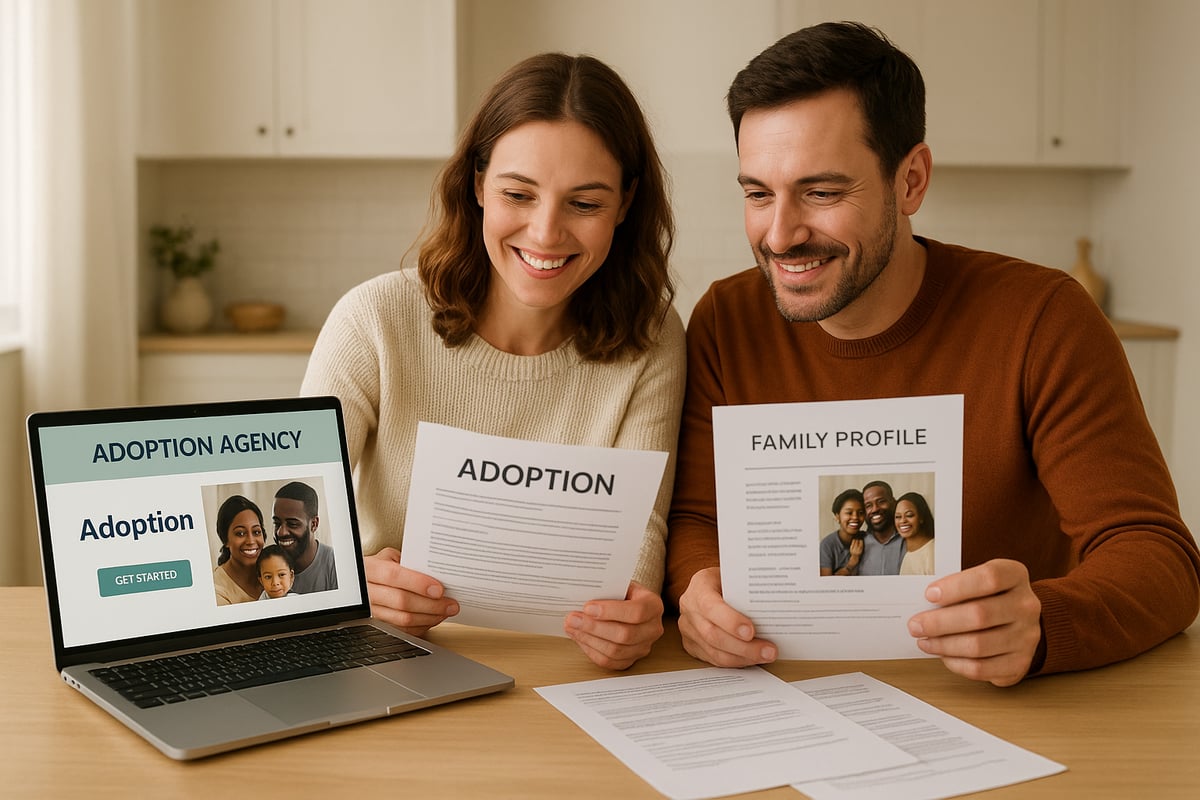
Step 2: Application and Profile Creation
Once you’ve chosen an agency or adoption path, you’ll complete a detailed application. This covers your motivation, family background, finances, health, and preferences regarding the child you hope to adopt. Accuracy and honesty are crucial for a successful adoption domestic experience.
Next, you’ll create a family profile or album. This is your chance to introduce yourselves to birth parents. Agencies often provide guidance on how to make your story authentic and compelling. Think of your profile as a heartfelt letter, sharing your values, lifestyle, and dreams for your future family.
- Complete agency application forms
- Gather documents: financials, health records, references
- Create a warm, honest family profile
A thoughtful profile can help you stand out and speed up the adoption domestic matching process.
Step 3: Home Study and Training
The home study is a comprehensive review of your readiness for adoption domestic. A licensed social worker will conduct interviews, background checks, and home safety assessments. Expect to provide documents like medical records, financial statements, and references.
Training is another key part of this phase. Agencies require courses on adoption education, infant care, open adoption, and sometimes transracial or special needs adoption. These classes prepare you for the realities of parenting through adoption domestic, including attachment and openness.
- Interviews and home visits by a social worker
- Required training sessions, both online and in-person
- Submission of supporting documents
The home study is both a gatekeeper and a guide, ensuring you’re truly ready for adoption domestic.
Step 4: Matching and Waiting
With an approved home study, you join the agency’s waiting pool. Your family profile is presented to expectant mothers or caseworkers seeking matches for children needing homes. Some agencies facilitate meetings or mediated contact before placement.
Wait times for adoption domestic average around seven months post-home study, though this can vary. Flexibility in your preferences, such as openness to different backgrounds or sibling groups, can shorten your wait. If you’re considering foster-to-adopt, check out Fostering to adopt in Indiana for a closer look at that path.
- Enter agency’s waiting pool after approval
- Profiles shown to expectant parents or caseworkers
- Meetings arranged as appropriate
Patience is vital during this stage of adoption domestic, but staying engaged and open increases your chances of a successful match.
Step 5: Placement and Hospital Experience
When a match is made, you’ll be notified and introduced to the expectant mother or child’s caseworker. Together, you’ll coordinate a hospital plan and prepare for placement. The emotional intensity of this step in adoption domestic can be profound, as hopes and anxieties run high.
After the birth, legal paperwork is signed according to state laws. Some states have mandatory waiting periods before consent becomes irrevocable. Agency staff often provide support during hospital visits, helping with logistics and emotional guidance.
- Notification of a match and hospital plan coordination
- Support from agency staff during placement
- Legal paperwork signed after birth
A positive hospital experience sets the stage for a healthy transition in your adoption domestic journey.
Step 6: Post-Placement and Finalization
Following placement, your adoption domestic process continues with post-placement visits by a caseworker. These visits ensure the child is adjusting well and that you’re receiving needed support. Ongoing communication with the birth family, as agreed, is often encouraged.
Legal finalization occurs in court after the required post-placement period, which varies by state. You’ll submit final paperwork and attend a hearing to make the adoption domestic official. Agencies typically provide post-placement counseling, parent training, and connections to community resources.
- Post-placement visits and support
- Court finalization of the adoption
- Ongoing agency involvement and community connections
By completing these steps, you secure your family’s future and celebrate the successful conclusion of your adoption domestic process.
Costs and Financial Support in Domestic Adoption
Understanding the financial side of adoption domestic can feel overwhelming at first. Knowing what to expect helps you plan with confidence and avoid surprises. Costs can vary widely, depending on the path you choose and your location. This section breaks down the main expenses, support options, and tips to manage your journey.
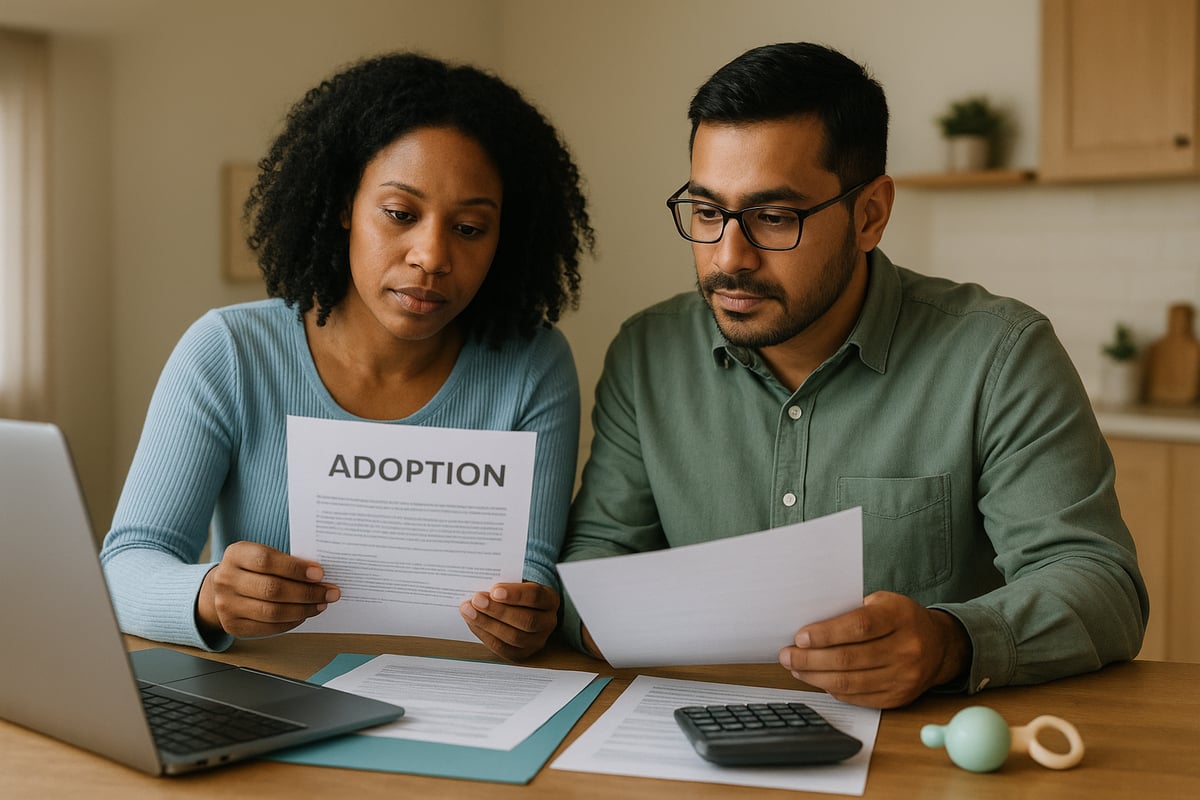
Understanding Adoption Costs
Adoption domestic fees can range from a few thousand dollars to upwards of $50,000, depending on the type and services needed. Private agency adoptions tend to cost more, while foster care adoptions are often much less expensive or even free.
Here is a quick comparison of typical costs:
| Expense Type | Private Agency | Independent | Foster Care |
|---|---|---|---|
| Agency Fees | $15,000–$40,000 | $8,000–$25,000 | $0–$2,500 |
| Legal Fees | $2,000–$7,500 | $3,000–$10,000 | $1,000–$3,500 |
| Home Study | $1,500–$5,000 | $1,500–$5,000 | $1,000–$3,000 |
| Medical/Counseling | $3,000–$10,000 | $3,000–$10,000 | Included |
Some agencies refund fees if a match fails, unless the family withdraws. Planning ahead for adoption domestic costs helps you stay prepared and focused on your goal.
Financial Assistance and Grants
Many families worry that adoption domestic is out of reach financially, but there are resources to help. Scholarships, grants, and employer benefits can make a significant difference. Federal and state tax credits can also offset costs, putting adoption within reach for more families.
Agencies may offer sliding scale fees or payment plans based on income. In addition, you can explore financial assistance for adoptive families to find grants and support programs tailored to adoption domestic. Financial counseling is often available, guiding you through budgeting and maximizing available resources.
Birth Parent Expenses
In many states, adoptive families are allowed to cover certain expenses for birth mothers. These may include living costs, medical bills, transportation, and counseling support, all within legal caps. This support ensures expectant mothers can make decisions for their child in a stable environment.
Agencies typically guide families through what is permitted, making adoption domestic a positive experience for everyone involved. Importantly, most agencies provide all adoption services to birth mothers at no cost, removing financial barriers for those considering this path.
Managing Unexpected Expenses
Adoption journeys are unique, and sometimes unexpected expenses arise. Disrupted matches, extended legal proceedings, or unforeseen medical needs can affect your budget. Planning for these situations is crucial.
Consider insurance options for medical and legal costs related to adoption domestic. Ask agencies about their policies for fee retention or transfer if an adoption does not proceed. Transparency, flexibility, and proactive financial planning are your best tools for navigating the unknown and staying on track toward your dream.
Open vs. Closed Adoption: Making the Right Choice
Choosing between open and closed adoption is one of the most significant decisions in your adoption domestic journey. Each path offers unique experiences, opportunities, and considerations for both adoptive and birth families. Let’s explore what each option means, the benefits and challenges, and how you can determine the best fit for your family.

What is Open Adoption?
Open adoption is a process in which birth and adoptive families share ongoing contact and information, creating a bridge of communication that lasts beyond placement. This could mean in-person visits, exchanging letters and photos, or connecting through a secure online platform. There are several types:
- Fully open: Regular, direct contact and visits.
- Semi-open: Communication through letters, photos, or agency mediation.
- Mediated contact: All contact managed by a third party.
In the U.S., the majority of adoption domestic placements now involve some form of openness. For example, many agencies report that over 90% of infant adoptions include at least some contact. Openness offers legal clarity and gives families the chance to build a relationship that supports the child’s identity. For a deeper look at the benefits and process, see Open adoption benefits and process.
Benefits and Challenges of Open Adoption
Open adoption offers many powerful benefits for everyone involved. Children gain access to their medical history and cultural background, helping to shape a strong sense of identity. Birth parents often find reassurance in seeing their child thrive, while adoptive parents can lean on the support and insight of the birth family.
However, open adoption also comes with challenges. Setting boundaries, managing expectations, and keeping communication healthy require effort and guidance. Agencies prepare families for these realities with specialized training and ongoing support. If you are considering adoption domestic, know that open-hearted communication and flexibility are essential tools for success.
Closed Adoption and Alternatives
Closed adoption is when there is no direct contact or exchange of identifying information between birth and adoptive families. This option may appeal to those seeking greater privacy or in situations where ongoing contact is not possible or desired. However, it can mean less access to important background information for the child.
Some families find a middle ground with mediated or semi-open arrangements. Each adoption domestic scenario is unique, and agencies support all preferences, helping families navigate their choices with care and respect.
Deciding What’s Right for Your Family
When choosing between open and closed adoption, consider your comfort level, your child’s needs, and the wishes of the birth family. Honest conversations with your agency and those involved are crucial. Data shows that openness can increase the chances of a successful match and long-term positive outcomes. Taking the time to reflect and seek support will help you make the best choice for your adoption domestic journey.
Life After Adoption: Support, Resources, and Community
The adoption domestic journey does not end on finalization day. The real adventure begins as your family grows together, learns, and adapts to a new normal. Ongoing support, community resources, and guidance are essential for every family in the adoption domestic process. Let’s explore what life looks like after the paperwork is signed and how you can thrive through every stage.
Post-Placement Support and Counseling
After a successful adoption domestic, emotional support remains critical for everyone involved. Agencies and adoption professionals offer counseling for adoptive parents, birth parents, and children. These services help families adjust, process complex feelings, and build secure attachments.
Many adoption domestic agencies provide access to support groups, both in-person and online. These communities create safe spaces to share experiences, ask questions, and celebrate milestones. Events such as annual picnics or family gatherings foster ongoing connection and a sense of belonging.
Professional counseling is often available for challenges like grief, identity, or post-placement stress. Taking advantage of these resources can make a significant difference in your family's well-being.
Navigating Challenges and Transitions
Every adoption domestic experience is unique, and transitions can bring both joy and challenges. Families may encounter issues related to attachment, identity, or adjustment, especially in transracial or special needs adoptions.
Support does not end after placement. Many agencies provide training on attachment parenting and understanding the effects of substance exposure. Early intervention through counseling or educational workshops improves outcomes for children and parents alike.
Navigating these transitions is easier with a strong network. Rely on agency resources, peer support, and expert advice to help your family thrive during every phase of adoption domestic.
Legal and Documentation Requirements
Finalizing an adoption domestic involves court hearings, legal paperwork, and often a name change for the child. Each state has specific requirements and timelines for finalization, so staying organized with documents is key.
Agencies assist families by preparing court documents, maintaining adoption records, and ensuring compliance with state laws. Access to birth information and maintaining legal records are important for your child’s future.
For a deeper look at national adoption domestic trends, support, and post-placement outcomes, see the Adoption by the Numbers Report.
Building a Lifelong Adoption Community
Joining a lifelong adoption domestic community can make all the difference as your family grows. Many agencies offer ongoing events, educational workshops, and online forums where families can connect and learn from each other.
Examples include annual gatherings, peer support networks, and agency-sponsored activities tailored to adopted children and their families. These opportunities foster lasting friendships and provide a village of support.
Staying connected with the adoption domestic community ensures your family always has a place to turn for advice, encouragement, and shared celebration.
As you think about starting your adoption journey in 2026, remember that every step—from learning the basics to navigating legal and emotional milestones—can feel overwhelming, but you don’t have to go it alone. With expert counseling, financial guidance, and legal support, you’re setting yourself and your future child up for the best possible start. If you’re ready to take the next step, there’s no better time to save on a crucial part of the process. For a limited time, you can get $100 off your home study—helping you move forward with confidence and peace of mind. $100 Off Cost of Home Study