


Giving Up for Adoption Guide: Understanding Your Options 2026
Facing an unplanned pregnancy or considering giving up for adoption can feel overwhelming and emotional. You may be filled with questions, worries, or hope for your child's future.
It takes real courage to explore adoption options. The most important thing is making a decision that feels right for you, based on clear facts and compassionate support.
This guide is here to walk you through every step of giving up for adoption in 2026. You'll learn about different types of adoption, the process, pros and cons, legal and emotional factors, support resources, and alternatives.
Every adoption journey is unique. By understanding your choices, you empower yourself and your child. Take the next step—discover your options, gather support, and move forward with confidence.
Understanding Adoption in 2026: Key Concepts and Language
Facing the decision of giving up for adoption is deeply personal and can be life-changing. In 2026, the language and approach to adoption have evolved, reflecting broader changes in society and the adoption process itself. Understanding these key concepts will help you feel more empowered and informed as you move forward.

The Evolution of Adoption Terminology and Attitudes
In the past, many people referred to the process as "giving up for adoption," but today, the conversation has shifted. Now, terms like "making an adoption plan" or "placing a child for adoption" are preferred. This change in language is more than just semantics—it helps protect the emotional well-being of birth parents and children.
Using positive adoption language acknowledges the thoughtful, loving choice involved. Society in 2026 has become more open about adoption, and the stigma once associated with giving up for adoption has greatly diminished. People now recognize that adoption can be a voluntary, conscious act of care, not something to be ashamed of.
There is also a clear distinction between voluntary and involuntary adoptions. Voluntary adoption means the birth parent chooses this path, while involuntary adoption involves court intervention. For example, saying "placing a child for adoption" highlights the parent’s role in the decision, while "giving up for adoption" may feel more negative or final.
Recent data shows that over 60% of domestic adoptions in 2025 were open or semi-open, reflecting a trend toward more connection and transparency. Adoption today is seen as an act of love and responsibility, not surrender.
Types of Adoption: Open, Semi-Open, and Closed
When considering giving up for adoption, it’s important to understand the main types available: open, semi-open, and closed. Each offers different levels of contact and information sharing between birth parents and adoptive families.
- Open Adoption: Birth parents and adoptive families share personal information and may have ongoing contact, such as visits or regular updates.
- Semi-Open Adoption: Communication is typically handled through an agency or attorney, with updates exchanged but limited direct contact.
- Closed Adoption: No identifying information is shared, and there is no contact after placement.
Each type has its own benefits and challenges. Open adoptions often help birth parents and children maintain a connection, reducing feelings of loss. Semi-open adoptions provide some contact but with more privacy. Closed adoptions offer full privacy but may leave unanswered questions later.
Control over the level of contact is a key part of the process. For instance, some parents feel empowered by regular updates, while others prefer more distance. The majority of adoptions in the U.S. are now open, showing how preferences have changed over time.
If you’d like a deeper look at each type, Types of Adoption Explained provides helpful details and comparisons so you can choose what feels right for your situation.
Who Can Place a Child for Adoption?
Eligibility for giving up for adoption is broader than many expect. Pregnant women, birth parents, and legal guardians can all make an adoption plan. Children of any age, from newborns to teenagers, can be placed for adoption, though the process may vary.
There are special considerations for sibling groups or children with medical needs. Some agencies specialize in finding families for these situations, ensuring children stay together or receive proper care.
Legal requirements are an important part of the process. This usually involves giving consent, meeting state-specific guidelines, and sometimes obtaining the consent of both parents. For example, placing an older child may involve additional counseling and legal steps, but it can also offer unique opportunities for stability and support.
No matter your circumstances, understanding your rights and options is the first step toward making an empowered choice about giving up for adoption.
The Adoption Process: Step-by-Step Guide for Birth Parents
Beginning the journey of giving up for adoption means taking one step at a time, with support at every turn. Understanding each stage helps you feel empowered and informed, making the process less daunting and more manageable.
Step 1: Deciding if Adoption is Right for You
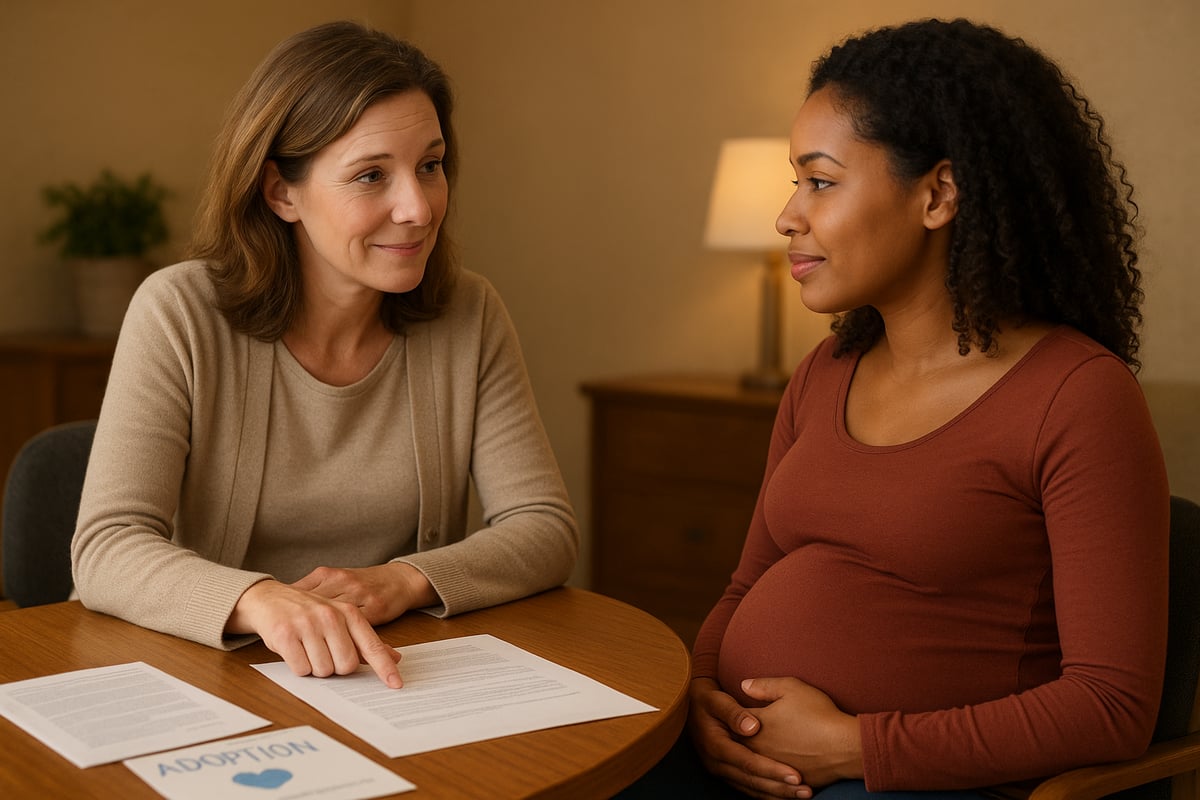
The first step in giving up for adoption is to reflect deeply on your circumstances, values, and what you want for your child. This decision is incredibly personal, and it’s normal to feel a mix of emotions, from anxiety to hope.
Most adoption agencies and professionals offer free counseling to help you explore your feelings and options. Speaking with a counselor can provide clarity and emotional support, ensuring you do not feel rushed or pressured. Many birth mothers share that talking to someone who understands the process helped them make a choice they felt confident about.
If you’re considering giving up for adoption, remember that the process is always voluntary. You can take your time, ask questions, and even change your mind early in the process. For a detailed, step-by-step resource, you can visit Steps to Place a Baby for Adoption to learn more about what to expect from the start.
Step 2: Connecting with an Adoption Professional
After deciding that giving up for adoption might be the right path, your next step is to connect with a qualified adoption professional. This could be a licensed agency, an adoption attorney, or a counselor who specializes in adoption.
When choosing a professional, look for proper licensing, positive reviews, and transparency about their process. Avoid unlicensed facilitators, as they may not follow legal or ethical standards. Licensed agencies are required in most states and offer legal protection for both birth parents and children.
A reputable adoption professional will guide you through every step, answer your questions, and make sure you understand your rights. Their main goal is to support you and ensure that your adoption experience is safe, ethical, and respectful.
Step 3: Creating Your Personalized Adoption Plan
Once you have a trusted professional by your side, you will begin creating a personalized adoption plan. This plan covers your preferences for the type of adoption—open, semi-open, or closed—as well as the qualities you hope to find in an adoptive family.
You can also decide on your birth plan, including how much contact you’d like during pregnancy, at the hospital, and after placement. Some birth parents want regular updates and visits, while others prefer less contact. The choice is always yours.
Your adoption plan ensures that giving up for adoption aligns with your wishes, values, and comfort level. This is your opportunity to customize the process so that you feel respected and empowered throughout.
Step 4: Selecting an Adoptive Family
With your adoption plan in place, the next step in giving up for adoption is to choose the right adoptive family for your child. Agencies provide profiles, photos, and background information on waiting families. You can read about their lifestyles, values, and hopes for the future.
Many birth parents interview potential families, ask questions about parenting style, and even meet in person or virtually. Some important things to consider include:
- Parenting philosophy and experience
- Openness to future contact
- Support systems and cultural values
Most agencies have more waiting families than children, giving you the power to choose a family whose dreams and values match yours. Testimonials from both birth parents and adoptive families often highlight the importance of this connection.
Step 5: Legal Steps and Finalization
The final phase of giving up for adoption involves important legal steps. You will review and sign consent documents, officially relinquishing your parental rights. Each state has its own laws about timing and revocation periods, so your adoption professional will explain your rights and the required timeline.
A court hearing is usually held to finalize the adoption. This process ensures that all parties understand and agree to the terms. Typical milestones in this step include:
- Signing legal consent forms
- Attending a court hearing
- Receiving final confirmation of adoption
The entire process, from your first inquiry to finalization, may take several months, depending on your state and personal situation. Understanding these legal steps helps you move forward with confidence, knowing your rights are protected at every stage.
Emotional, Legal, and Financial Considerations for Birth Parents
Facing the reality of giving up for adoption can stir a complex mix of emotions, legal questions, and financial worries. Understanding these aspects is essential for making a decision that feels right for you and your child. In this section, we break down the emotional journey, legal safeguards, and financial resources available to birth parents in 2026.
Emotional Impact and Support Resources
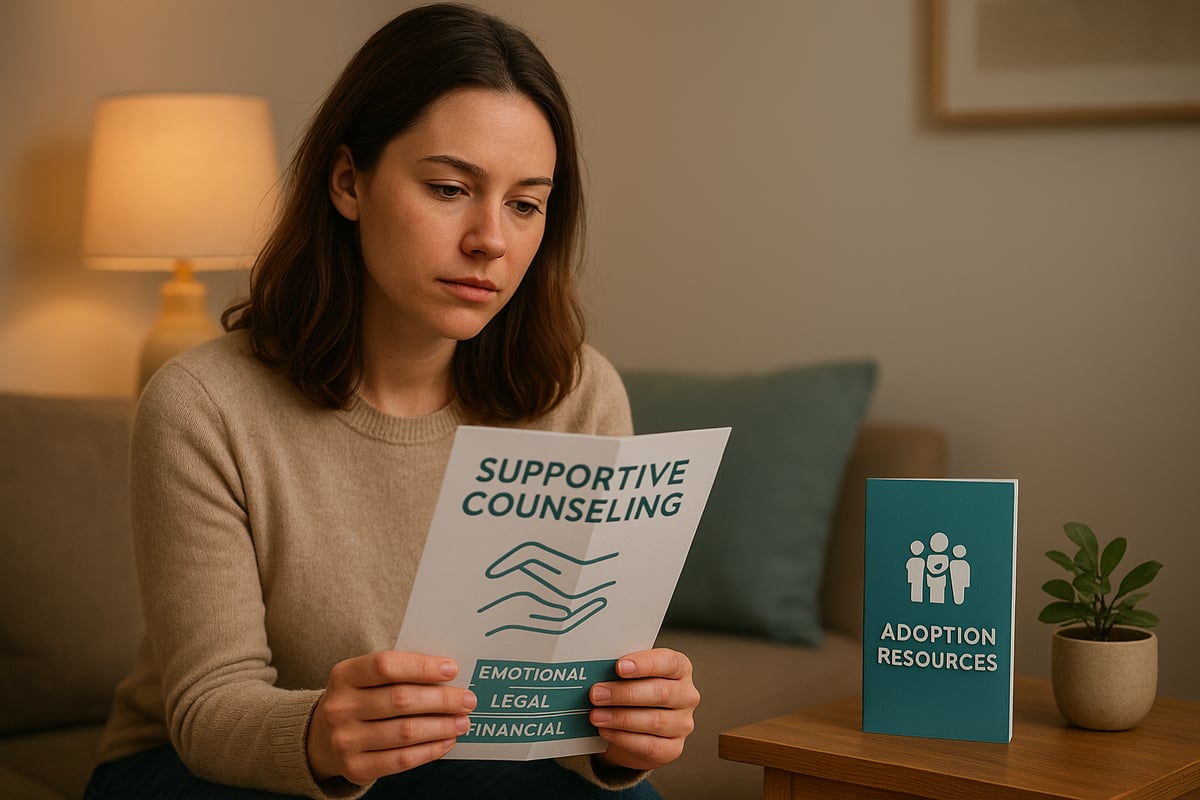
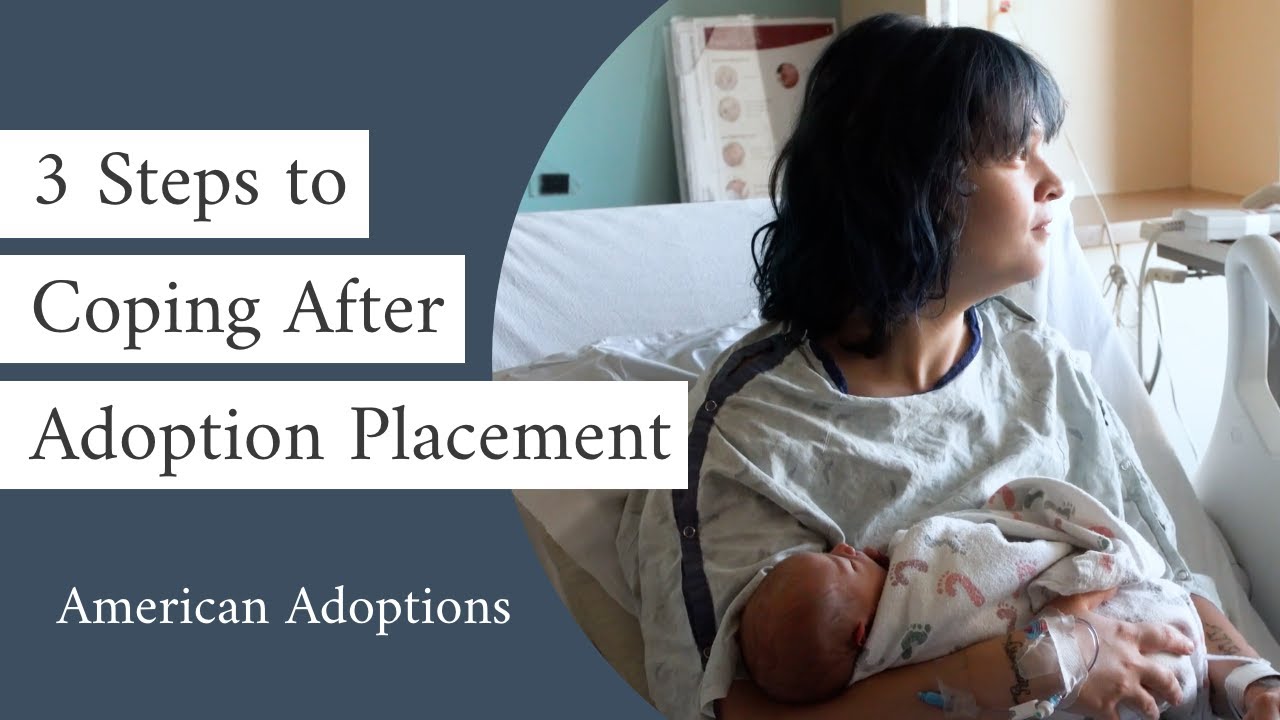
Choosing giving up for adoption is emotionally charged, often bringing feelings of grief, relief, hope, and uncertainty. Many birth parents describe a rollercoaster of emotions both before and after placement. It is common to experience waves of sadness and loss, even if you feel confident in your decision.
Support is crucial at every step. Most agencies offer free, confidential counseling before and after placement. Mental health professionals can help you process your feelings and develop coping strategies. Peer support groups connect you with others who have walked the same path, providing comfort from shared experiences.
Support resources for birth parents include:
- Licensed agency counseling (pre- and post-placement)
- Peer support groups (local and online)
- Mental health therapy (individual or family)
- Ongoing mentorship from other birth mothers
For example, many birth mothers find healing through ongoing counseling and connecting with others who understand the unique challenges of giving up for adoption. In 2026, 80% of agencies provide ongoing support, helping you navigate this journey with compassion.
Legal Rights and Protections in 2026
The legal process around giving up for adoption is designed to protect your rights and ensure every decision is voluntary and informed. Understanding your rights helps you feel empowered and secure.
Each state has specific consent laws and revocation periods, which define when and how you can change your mind. For instance, some states allow a 24-hour revocation period, while others give several weeks. Birth fathers also have legal rights, and agencies must notify and involve them when possible.
Legal protections include:
- Required independent legal counsel for birth parents
- Strict consent and relinquishment procedures
- Protections against coercion or unethical practices
- State-specific revocation periods
- Confidentiality and privacy safeguards
For example, many states now mandate that birth parents receive legal advice independent from the adoption agency. This ensures you fully understand your choices and are not pressured into giving up for adoption. In 2026, most states require agencies to provide or refer you to an attorney to review all documents and answer questions.
Financial Assistance and Support
Financial stress should never be the reason for giving up for adoption. In 2026, birth parents can access a range of financial supports to ensure a safe, healthy pregnancy and stable living conditions.
Agencies and attorneys typically cover all adoption-related medical expenses, including prenatal care and delivery. Many also assist with rent, groceries, transportation, and maternity clothing. There are strict laws governing what support can be provided, so you never have to worry about hidden costs.
Common financial supports include:
- Full coverage of medical and hospital bills
- Help with housing and utilities
- Grocery and transportation assistance
- Access to maternity clothes and supplies
All adoption services for birth parents are free. If you want to learn more about the financial help available, check out Financial Assistance During Adoption for a detailed overview of what support you can expect.
Example: Many agencies, such as those in Indiana, provide comprehensive financial aid so you can focus on your well-being rather than worry about expenses while considering giving up for adoption.
Pros and Cons of Placing a Child for Adoption
Facing the decision of giving up for adoption is never easy. Many parents seek to understand if this choice will truly benefit their child and themselves, and what challenges might arise. Examining both the positive outcomes and emotional hurdles helps you make the most informed, empowered decision possible.
Advantages of Choosing Adoption
Choosing adoption offers many benefits for both child and birth parents. By giving up for adoption, you provide your child with a stable, loving family ready to support their future. Many adoptive families are thoroughly vetted, ensuring the child’s safety and well-being.
Key Advantages Table
| Benefit | Child | Birth Parent |
|---|---|---|
| Loving, stable home | ✔ | |
| Chosen family and environment | ✔ | ✔ |
| Opportunity for open communication | ✔ | ✔ |
| Counseling and support | ✔ | ✔ |
| Legal and medical protections | ✔ | ✔ |
Adoptive parents often cannot have biological children, so your decision can fulfill their dreams of parenthood. With open adoption, birth parents can remain in contact and receive updates, offering peace of mind and ongoing connection.
Most adoption agencies provide free counseling and support throughout the process. According to the Adoption Statistics Overview, over 90 percent of adoptive families in the U.S. are carefully screened for safety and stability. Many birth mothers share feelings of relief and satisfaction after giving up for adoption, knowing their child is cared for and loved.
Challenges and Emotional Complexities
Despite the advantages, giving up for adoption brings emotional challenges that deserve honest attention. Birth parents may feel grief, loss, or even guilt after the placement. It is common to experience a range of emotions, including hope and relief mixed with sadness and uncertainty.
Common emotional challenges include:
- Feelings of loss and grief
- Worries about the child’s future happiness
- Fear of judgment from others
- Concerns about regret or second-guessing
Adjusting to life after giving up for adoption can take time. Some birth parents worry about how their child will perceive the decision, especially as they grow older. Support systems, such as counseling and support groups, are crucial for emotional healing.
Many families find that open adoption arrangements help ease the pain by providing updates and occasional contact. Still, every journey is unique, and some birth parents need extra support as they navigate these feelings. Reaching out for professional help or connecting with others who have made similar choices can make a significant difference.
Real-Life Perspectives: Birth Parents and Adoptive Families
Hearing from those who have experienced giving up for adoption firsthand can be powerful. Birth mothers often describe a profound mix of emotions—sadness, relief, hope, and eventually, acceptance.
One birth mother shared, “I chose adoption because I wanted my child to have every opportunity I couldn’t provide at the time. Staying connected through open adoption helped me heal.” Adoptive families, too, express deep gratitude for the trust placed in them.
Open adoption continues to grow, with many positive outcomes reported by both birth parents and adoptive families. These real-life stories highlight that, while giving up for adoption is a complex decision, it can lead to lasting, positive relationships and brighter futures for everyone involved.
Special Circumstances: Placing Older Children and Sibling Groups for Adoption
Navigating the process of giving up for adoption when it involves older children or sibling groups can feel even more daunting than infant adoption. These special circumstances require unique considerations, thoughtful planning, and a clear understanding of your rights and options. If you are considering this path, know that you are not alone and that support and resources are available to help you every step of the way.
Adoption Options for Older Children
Placing an older child or a group of siblings for adoption brings unique challenges. Private agencies often focus on infants, so families considering giving up for adoption of children over age four usually work with public or state agencies.
Older children may have:
- Strong emotional attachments to their birth families
- Greater difficulty adjusting to new environments
- Specific needs for counseling and support
Sibling groups are often placed together to preserve their bond, but this can require finding families with the resources and willingness to adopt multiple children. Specialized support is crucial for both parents and children during this transition.
Counseling and preparation are vital. Many agencies offer support groups and therapy for children and parents navigating giving up for adoption in these circumstances. Data shows most private adoptions are for infants, but sibling groups are sometimes placed together, especially through state programs. If you are considering this path, exploring all available resources can help make the transition smoother for everyone involved.
Legal and Safety Considerations
The legal process for giving up for adoption of older children differs from that of infants. Understanding Safe Haven laws is essential, as these typically apply only to newborns and not to older children. Relinquishing an older child outside of legal channels is unsafe and may have serious legal consequences.
Key legal and safety considerations include:
- Only work with licensed adoption agencies or attorneys
- Avoid unlicensed facilitators or informal arrangements
- Ensure proper consent and custody documentation
To protect your rights and your child’s well-being, always follow state requirements and seek legal guidance. For a comprehensive overview of the legal steps and what to expect, refer to the Adoption Process Guide. Remember, giving up for adoption is a legal process, and following proper procedures ensures safety and peace of mind for everyone involved.
Alternatives to Adoption for Older Children
Sometimes, families exploring giving up for adoption of older children discover that alternatives may better fit their situation. Temporary guardianship can provide care during a crisis without permanently severing parental rights.
Other alternatives include:
- Accessing social services for financial or housing support
- Utilizing respite care to provide short-term relief
- Connecting with community organizations for assistance
Many families find stability and support through these alternatives rather than proceeding immediately with adoption. If you are unsure about giving up for adoption, consider reaching out to local agencies for guidance on all your options.
Frequently Asked Questions About Giving Up for Adoption
Facing questions about giving up for adoption is normal and expected. Many birth parents want to understand every detail before making such a big decision. This FAQ section will address your most pressing concerns, clarify the process, and connect you with resources for support.
Common Concerns and Myths
Many people worry that giving up for adoption is final or that they’ll lose all contact with their child. In reality, you have options and legal rights. Is it too late to choose adoption after birth or even after taking your baby home? Not at all. Most states allow you to make an adoption plan at any stage, though timelines for consent vary.
A common myth is that birth parents can never change their mind. In truth, every state has a revocation period, usually ranging from 24 hours to several weeks, during which you can reconsider. If you’re worried about the birth father’s rights, know that agencies must notify him and follow legal steps to ensure everyone’s voice is heard.
Making an informed adoption plan helps you control the process and understand your rights. For a full breakdown of your options, see Adoption Plan Options Explained. Remember, giving up for adoption is not a one-size-fits-all journey.
Timeline and What to Expect
How long does giving up for adoption take? The timeline depends on your state, the type of adoption, and your personal situation. Typically, the process from first contact with an adoption professional to placement takes two to six months. Steps include counseling, selecting an adoptive family, legal paperwork, and court finalization.
If you’re considering adoption across state lines, additional regulations may apply. Learn more about the rules for interstate placements in the Interstate Adoption Regulations overview. Each adoption journey is unique, but most involve these core milestones:
- Initial consultation and counseling
- Choosing a family and creating your plan
- Legal consent and possible waiting periods
- Court hearing and final placement
At every stage, you’ll have support and guidance to ensure you’re comfortable and informed about giving up for adoption.
Support for Birth Parents After Adoption
Support doesn’t end once the adoption is complete. Most agencies offer lifetime counseling, peer support groups, and resources to help you adjust. Open adoptions may allow for ongoing contact with your child and the adoptive family, helping you maintain a meaningful connection.
Many birth parents find comfort in sharing updates, attending meet-ups, or joining support communities. If you choose giving up for adoption, know that you’re not alone—ongoing help is available, and your emotional well-being matters. Healing is a journey, and you deserve compassion every step of the way.
If you’re feeling overwhelmed by the choices and emotions that come with considering adoption, you’re not alone. We know how much courage it takes just to seek information and support. That’s why, as you explore your options and learn about every step in this guide, it’s so important to have clear, compassionate resources at your fingertips. To help you feel empowered and confident, we invite you to download our Free Expectant Mother Guide. You’ll get answers to your biggest questions, honest advice, and real stories from moms who’ve been where you are. You deserve support every step of the way.