


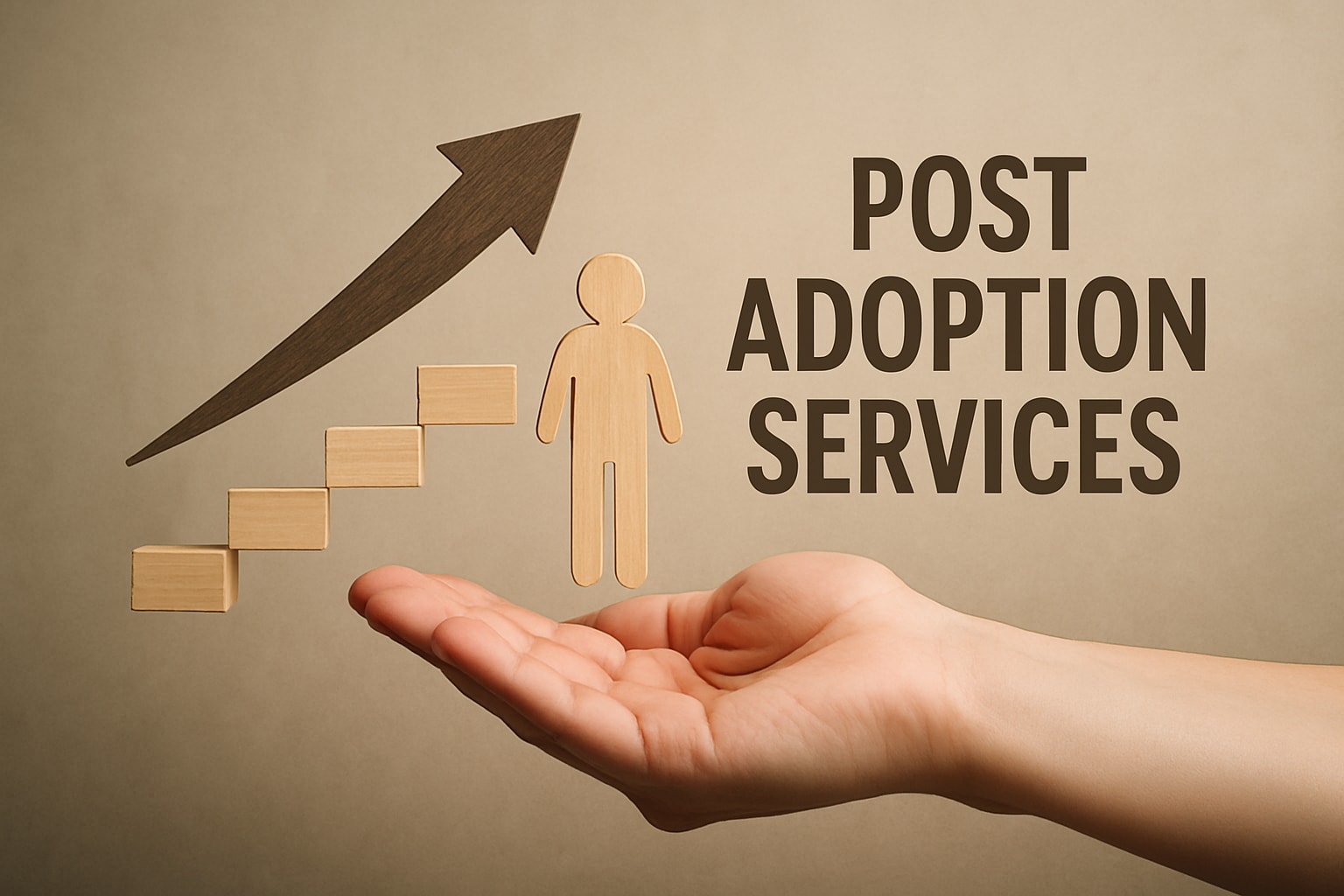
Comprehensive Guide to Post Adoption Services in 2026
Adoption is much more than a single legal event. For children, adoptive parents, and birth families, it starts a lifelong journey filled with unique challenges and evolving needs.
This guide to post adoption services in 2026 is designed to empower you, whether you are an adoptive family, an adoptee, or a birth parent. Discover what post adoption services are, how to access them, and what’s new in the field.
Explore essential support, mental health resources, legal and financial assistance, innovative programs, and tips for finding the right help. Take action today for a healthier, more stable adoption experience.
Understanding Post Adoption Services: Definitions and Core Principles
Post adoption services are the backbone of ongoing support for families formed through adoption. These services extend far beyond the finalization day, offering guidance, resources, and intervention to help families thrive at every stage. Post adoption services address emotional, legal, and practical needs, ensuring that adoption is not just an event, but a lasting journey. For a detailed overview of what these services look like in practice, see the Indiana Adoption Services Overview.

Core Principles Guiding Support
Several core principles shape post adoption services. Lifelong support is key, as adoptive families often face evolving questions and challenges long after placement. Confidentiality is strictly maintained, protecting sensitive information for all parties. Empowerment is woven throughout, helping families and individuals make informed decisions. Accessibility stands at the forefront, with services offered in various formats and languages to meet diverse needs.
These principles create a safety net, ensuring that no one in the adoption community feels isolated or unsupported.
The Adoption Triad: Ongoing Needs and Differences
The adoption triad is made up of adoptive parents, adoptees, and birth parents. Each group has unique, ongoing needs that post adoption services strive to address. Adoptive parents may require guidance on parenting strategies or navigating identity conversations. Adoptees often seek support for emotional well-being and connection to their roots. Birth parents may need counseling or updates about their child’s well-being.
Unlike pre-adoption support, which focuses on preparation, post adoption services are designed for the lifelong journey, adapting to changes in family structure, identity, and personal growth.
Why Post Adoption Services Matter
Legal, emotional, and practical factors drive the need for post adoption services. Families may need help understanding legal rights, accessing records, or securing financial aid. Emotional support, such as counseling or crisis intervention, is vital for managing adoption-related grief, trauma, and attachment issues.
Statistics show that over 60% of adoptive families seek some form of post adoption support within five years of finalization. Examples include support groups, warmline crisis counseling, and information services. As family structures grow more diverse, services must adapt, ensuring every member of the adoption triad receives the help they need for lifelong well-being.
Types of Post Adoption Services Available in 2026
Finding the right post adoption services is a key part of ensuring every member of the adoption triad thrives. In 2026, a broad range of post adoption services are available, designed to support adoptive parents, adoptees, and birth families at every stage of their journey.
These services fall into three main categories: emotional and mental health support, practical and educational support, and legal and financial assistance. Each category is tailored to address the unique and evolving needs of families after adoption finalization.

Emotional and Mental Health Support
Emotional well-being is at the heart of successful post adoption services. In 2026, families have access to a wide array of mental health resources that recognize the unique challenges adoption brings.
Individual and family counseling sessions focus on trauma, attachment, and identity issues that can surface years after placement. Crisis intervention and warmline support are available around the clock, ensuring help is never far away.
Peer support groups connect adoptive parents, adoptees, and birth parents with others who share similar experiences. These groups foster understanding and reduce isolation. Telehealth and remote therapy options have expanded access, especially in rural or underserved areas.
Specialized clinicians now serve multiple counties, offering consistent care regardless of location. For an in-depth look at how counseling and mental health resources play a role in post adoption services, visit Adoption and Mental Health Support.
By prioritizing emotional support, post adoption services help families build resilience and foster long-term stability.
Practical and Educational Support
Beyond emotional care, post adoption services provide practical tools and educational resources to help families navigate everyday challenges. Parenting workshops and family trainings equip caregivers with strategies for managing transitions and addressing behavioral concerns.
Resource libraries, both online and in-person, offer information on adoption-related topics, school advocacy, and special education needs. Social events and community-building activities create a sense of belonging and provide opportunities for families to connect.
Family consultation services guide parents through complex issues such as kinship care or open adoption arrangements. Advocacy services ensure families receive the support they need from schools and community agencies.
Workshops tailored to specific populations, like kinship caregivers or transracial adoptive families, reflect the diversity of those served by post adoption services. These practical offerings empower families and help children reach their full potential.
Legal and Financial Assistance
Navigating the legal and financial landscape is a critical part of post adoption services in 2026. Many families require ongoing support to manage benefits, access records, and ensure compliance with adoption laws.
Agencies assist with Adoption Assistance Program (AAP) recertification, helping families maintain vital financial support for their children. Legal guidance is available for accessing adoption records, facilitating reunification processes, and ensuring rights are protected.
Financial aid programs help cover the cost of therapeutic services, respite care, and enrichment activities for adoptees. Families can also receive assistance with specialized therapies and educational needs.
Providers offer up-to-date information on both state and federal requirements, ensuring families remain compliant and informed. These legal and financial post adoption services remove barriers and give families the security they need to thrive.
Accessing Post Adoption Services: Step-by-Step Guide
Accessing post adoption services is a journey that empowers families, adoptees, and birth parents to thrive long after adoption finalization. Knowing where to start and what to expect can make all the difference. Below, you’ll find a clear, actionable roadmap to connect with the right support and maximize your family’s well-being.

Step 1: Identify Your Needs
Begin by taking stock of your current situation. Are you seeking emotional support, practical help, legal guidance, or financial assistance? Every member of the adoption triad may have unique needs as they navigate life after adoption.
Reflect on recent experiences, challenges, or questions that have arisen. This clarity will help you target the right post adoption services from the start. Remember, your needs may evolve, so revisit this step regularly.
Step 2: Contact Your Local Post Adoption Services Unit
Reach out to your local agency or organization that provides post adoption services. Most counties and states have dedicated units, hotlines, or websites specifically for adoptive families and adoptees.
If you adopted through a public agency, contact your assigned social worker or regional office. For private adoptions, your agency or attorney can direct you to appropriate resources. Early contact increases your access to timely support.
Step 3: Complete Intake and Needs Assessment
After making contact, you’ll typically complete an intake process. This involves sharing your family’s story and outlining your goals. A social worker or counselor will assess which post adoption services best fit your situation.
Be honest and thorough during this step. Accurate information ensures that support is matched to your unique needs. This assessment sets the foundation for a successful support plan.
Step 4: Participate in Recommended Services
Based on your assessment, you may be referred to counseling, support groups, workshops, or financial aid programs. Engaging fully with these post adoption services is key to building resilience and stability.
For example, if you need assistance with adoption-related expenses or therapeutic services, explore Financial Assistance for Adoption to discover available options. Many families find group support and educational events especially helpful during transitions.
Step 5: Ongoing Follow-Up and Evaluation
Check in regularly with your service providers to evaluate progress. Are the post adoption services meeting your needs? Are there new challenges or goals to address?
Ongoing communication helps you adjust your support plan and ensures continued growth. Many agencies offer periodic reviews and updated recommendations.
Step 6: Access Emergency and Crisis Support
Life is unpredictable. If you face a crisis—such as a family conflict or urgent mental health need—immediate help is available. Most post adoption services include crisis hotlines or “warmline” numbers, like 855 576 4477, for rapid support.
Save these numbers and share them with everyone in your family. Quick access to help can prevent small issues from becoming major crises.
Step 7: Utilize Online and Telehealth Resources
Today, post adoption services are more accessible than ever thanks to online platforms and telehealth. Use virtual counseling, remote support groups, and digital resource libraries to get help on your schedule.
This flexibility is especially valuable for families in rural or underserved areas. Embrace digital options for convenience and expanded support.
Quick Reference Table: Steps to Access Post Adoption Services
| Step | Action | Purpose |
|---|---|---|
| 1 | Identify needs | Clarify support goals |
| 2 | Contact local unit | Connect with service providers |
| 3 | Complete intake/assessment | Match services to needs |
| 4 | Participate in recommended services | Build skills and resilience |
| 5 | Ongoing follow-up | Adjust and improve support |
| 6 | Access emergency/crisis support | Get help during urgent situations |
| 7 | Utilize online/telehealth resources | Flexible, remote support |
Pro Tip: Families who engage with post adoption services early report higher satisfaction and greater stability. Take the first step today to invest in your family’s long-term well-being.
Specialized Programs and Support for Unique Needs
Navigating adoption is never one-size-fits-all. Every member of the adoption triad faces unique challenges, making specialized post adoption services essential for long-term well-being. As adoption evolves, so do the needs of kinship, LGBTQ+, and transracial families, adult adoptees, and birth parents. Let’s explore how tailored support can transform lives and build resilient families.

Tailored Programs for Kinship, LGBTQ+, and Transracial Families
Specialized post adoption services are designed to recognize the varied backgrounds and experiences of modern families. Kinship adoptions often require extra guidance with shifting family roles and boundaries. LGBTQ+ families benefit from affirming resources that address unique legal, social, and parenting challenges. Transracial adoptions bring a focus on cultural identity, helping families celebrate differences and navigate complex questions about race and belonging.
Here are examples of targeted support:
- Cultural heritage workshops for transracial families
- Peer mentoring for new LGBTQ+ adoptive parents
- Kinship family counseling to strengthen relationships
By offering these services, agencies help families feel seen, supported, and empowered.
Support for Adult Adoptees and Birth Parents
As adoptees reach adulthood, their needs shift. Many seek access to non-identifying information, support for birth family contact, or guidance through search and reunion processes. Specialized post adoption services provide counseling, search assistance, and monthly support groups. There’s a notable rise in adult adoptees reconnecting with birth relatives, reflecting the growing importance of lifelong support.
Birth parents, too, require ongoing care. Counseling, group sessions, and advocacy programs help them process grief, manage relationships, and maintain emotional health. If you’re seeking dedicated resources, explore Post Adoption Support for Birth Mothers for counseling and ongoing support tailored to birth mothers.
Trauma-Informed Care, Group Support, and Reducing Stigma
Many children in adoption have experienced trauma, requiring services that prioritize safety, trust, and healing. Trauma-informed post adoption services include therapeutic interventions, family preservation programs, and crisis counseling. Monthly support groups create safe spaces for families to share experiences and strategies.
Stigma and misunderstanding can still be barriers. Community events and education initiatives help normalize adoption, while advocacy empowers families to speak up for their needs. As more families access specialized post adoption services, satisfaction and stability increase, helping every member of the triad thrive.
Measuring Impact and Ensuring Quality in Post Adoption Services
Measuring the impact and ensuring the quality of post adoption services is vital for family success and long-term stability. With the needs of adoptive families constantly evolving, robust evaluation and improvement practices help guarantee that every member of the adoption triad receives the support they deserve.
Metrics and Evaluation Methods
To determine the effectiveness of post adoption services, providers rely on clear, measurable outcomes. The most common metrics include family satisfaction, child well-being, and overall family stability. According to recent Adoption Statistics Overview, over 70% of families report improved stability after accessing post adoption support.
Here is a table summarizing key metrics:
| Metric | Description |
|---|---|
| Family Satisfaction | Ratings from surveys and interviews |
| Stability | Fewer disruptions or placement changes |
| Child Well-being | Emotional, social, and academic progress |
Feedback is gathered through regular surveys, focus groups, and follow-up assessments. These tools provide actionable insights, allowing service providers to identify what works and where improvements are needed.
Accreditation and Quality Standards
Quality assurance in post adoption services starts with strong accreditation and adherence to professional standards. Agencies must meet established criteria for staff qualifications, confidentiality, and cultural competence. Regular training for social workers ensures they are equipped to address trauma, attachment, and identity issues.
Best practices include:
- Ongoing professional development for staff
- Use of trauma-informed care principles
- Adherence to state and federal regulations
- Confidentiality and privacy protection
By maintaining these standards, service providers create a foundation of trust and reliability for all families they serve.
Continuous Improvement and Culturally Competent Practices
Continuous improvement is at the heart of effective post adoption services. Providers use community feedback to update programs, resource materials, and staff training. This responsive approach helps services stay relevant as family structures and cultural backgrounds diversify.
Culturally competent and trauma-informed practices are essential. Providers strive to understand each family’s unique needs, offering resources in multiple languages and adapting support for various backgrounds. Ongoing training and updated materials ensure that every family feels understood and respected.
Conclusion
Ultimately, high quality post adoption services depend on rigorous evaluation, professional standards, and a commitment to ongoing improvement. By seeking feedback and adapting to changing needs, providers help families thrive.
Finding and Choosing the Right Post Adoption Services in 2026
Selecting the right post adoption services is a crucial step for families, adoptees, and birth parents as they continue their journey beyond finalization. With so many options available in 2026, it is more important than ever to make informed decisions tailored to your unique needs.
Start by Assessing Your Family’s Needs
Begin by identifying the types of support your family may require. Are you seeking emotional guidance, help with school transitions, or assistance navigating legal paperwork? Clarifying these needs will help you target the most relevant post adoption services and avoid feeling overwhelmed by the range of resources out there.
Key Criteria for Evaluating Service Providers
When comparing post adoption services, focus on these essential factors:
| Criteria | Why It Matters | What to Look For |
|---|---|---|
| Provider Reputation | Ensures quality and trust | Reviews, testimonials, and community feedback |
| Range of Services | Addresses your family’s diverse needs | Counseling, legal aid, educational workshops |
| Accessibility | Removes barriers to consistent support | Flexible hours, telehealth, local availability |
| Cultural Competence | Promotes understanding and inclusivity | Multilingual staff, experience with diverse families |
| Accreditation | Confirms professionalism and adherence to standards | State licenses, industry certifications |
Tips for Vetting and Verifying Services
- Ask for provider credentials and verify accreditations through official state or county directories.
- Read online reviews and seek feedback from other adoptive families.
- Attend introductory sessions, webinars, or support groups to gauge fit and approach.
- Evaluate the transparency of service fees, funding sources, and privacy policies.
Navigating State and County Resources
Each state offers unique pathways to post adoption services. For instance, Michigan Adoption Facts 2024 highlights how Michigan families can access dedicated support teams, resource libraries, and ongoing educational programs through public agencies. Checking your state’s adoption website or contacting local agencies can provide up-to-date directories and hotlines.
Blended Models and Market Growth
Many families today benefit from blended service models that combine public, private, and nonprofit resources. The growing adoption and child welfare services market means there is a wider variety of providers and specialized programs to choose from, increasing the likelihood of finding a perfect fit.
Empowering Your Family’s Journey
Remember, choosing post adoption services is not a one-time decision. Needs can change over time, so revisit your options regularly and do not hesitate to seek new resources as your family evolves. Proactive engagement, self-advocacy, and periodic reassessment are key to building a supportive, resilient family environment.
Taking the time to research, ask questions, and connect with trusted providers empowers you to make the best choices for your family’s ongoing well-being.
As you’ve seen throughout this guide, post adoption support is essential for every member of the adoption triad—whether you’re an adoptive parent, birth parent, or adoptee. We know that this journey brings both joys and challenges, and the right resources can make all the difference. If you’re just starting to explore adoption or supporting someone who is, I highly recommend taking a look at our Free Expectant Mother Guide. You’ll find practical advice, counseling options, and real-life stories to help you make informed, confident decisions for the future.