


United States Adoption Process Guide: Steps and Insights 2026
Taking the first step in the united states adoption process can feel daunting. The emotions, paperwork, and decisions might seem endless, leaving many prospective parents unsure where to begin.
This guide is designed to offer you clarity every step of the way. We’ll break down the complexities, provide expert-backed advice, and empower you to move forward with confidence.
Inside, you’ll find everything you need to know about eligibility, adoption types, legal steps, financial considerations, and real-world tips. Your journey to building a family starts here—let’s make it a rewarding experience, together.
Understanding Adoption in the United States
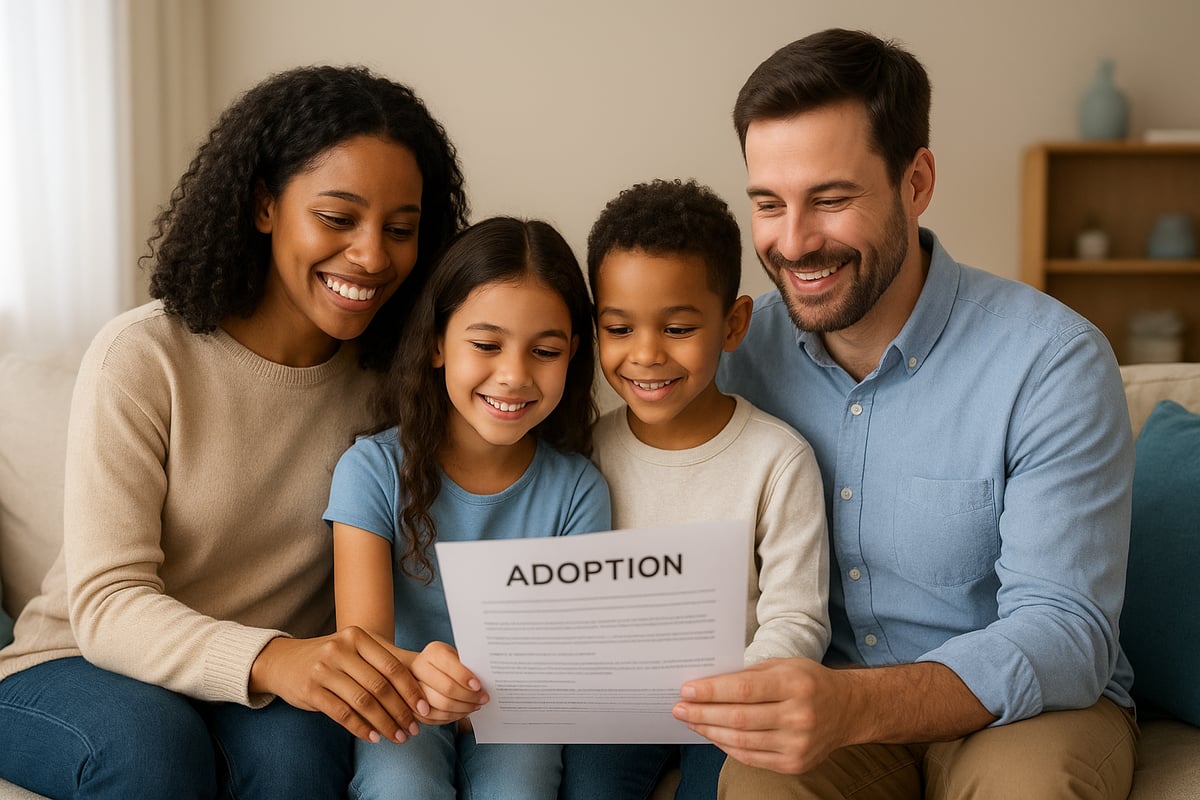
Adoption is a life-changing journey, and understanding the united states adoption process is essential for anyone considering it. At its core, adoption is the legal transfer of parental rights and responsibilities from birth parents to adoptive parents. There are several types of adoption in the U.S.: domestic (within the country), international, foster care, stepparent, and relative adoption. Open adoption, where birth and adoptive families have some contact, is more common today than closed adoption, where records and contact are sealed. The goal is always to provide stable, loving homes for children. Recent statistics show that thousands of children find families each year, highlighting both the need and the impact of adoption.
Definition and Key Concepts
The united states adoption process involves several key concepts every prospective parent should know. Adoption is more than a legal act—it’s a commitment to a child’s lifelong well-being. Domestic adoption refers to adopting a child born in the U.S., while international adoption involves children from other countries. Foster care adoption means adopting children from the child welfare system. Stepparent and relative adoptions keep children within their extended families. Open adoption allows ongoing contact with birth families, while closed adoption maintains privacy. Today, open adoptions are more common, reflecting a shift toward transparency and the child’s best interest. Adoption trends show an emphasis on finding permanent, supportive homes for children in need.
Why Do People Choose Adoption?
Many families are drawn to the united states adoption process for deeply personal reasons. Some face infertility and see adoption as their path to parenthood. Others, including single parents and same-sex couples, want to build or expand their families. Adoption also provides a loving home for children who need stability and care. Motivations can be influenced by personal stories, a desire to help children, or cultural and societal values that support family diversity. Each adoption journey is unique, shaped by the dreams and circumstances of prospective parents. Understanding these motivations helps families prepare emotionally for the rewarding, sometimes complex, process ahead.
Types of Adoption Available
The united states adoption process offers several paths to parenthood, each with unique steps and considerations. Domestic infant adoption often involves working with agencies or attorneys and may include a waiting period for a match. Foster care adoption gives families the chance to adopt children from the child welfare system, often with lower costs and shorter wait times. International adoption has become less common due to changing policies and regulations. Stepparent and kinship adoption allow families to formalize existing relationships, ensuring legal security for the child. To explore each option in detail, see this Types of Adoption Explained resource. Each route has its pros and cons, so it’s important to choose the best fit for your family.
Recent Changes and Trends for 2026
The united states adoption process continues to evolve. Federal and state laws have seen updates to improve transparency and child safety. Technology now plays a larger role in matching families and streamlining home studies, making the process more accessible. There’s a growing preference for open adoption and increased support for both birth and adoptive families. Recent statistics suggest that average wait times and costs vary widely, but overall adoption rates remain steady. More resources are now available to support families after placement, reflecting a commitment to long-term success for adopted children. Staying informed about these trends helps families navigate the process with confidence.
Step 1: Determining Eligibility and Preparing to Adopt
Preparing for the united states adoption process begins with understanding the essential eligibility criteria and getting your household ready for a life-changing journey. By breaking down the requirements and preparation steps, you can move forward with confidence and clarity.
Eligibility Requirements
Eligibility is the cornerstone of the united states adoption process. Prospective parents must meet several criteria before starting their journey. Common requirements include:
- Minimum age (usually 21 or older)
- U.S. citizenship or legal residency
- Stable marital status (single, married, or partnered)
- Clean criminal background and child abuse clearances
- Proof of financial stability and employment
- Good physical and mental health
Each state may add unique requirements, so it’s crucial to check local laws and agency policies. For a detailed breakdown of eligibility and legal considerations, review the USCIS Adoption Process Overview. Meeting these requirements sets the foundation for a smooth and successful adoption experience.
Choosing the Right Type of Adoption
The united states adoption process offers several paths, each with its own advantages and challenges. Consider your family’s goals, preferences, and circumstances as you decide:
- Private domestic adoption: For infants, often with shorter wait times.
- Foster care adoption: Providing homes for children already in the child welfare system.
- International adoption: Bringing children from other countries, though regulations are evolving.
- Stepparent and kinship adoption: For those with existing family ties.
Think about your comfort with openness, the age or needs of the child, and your budget. Consulting with adoption professionals can help clarify which route best fits your situation.
Researching and Selecting an Adoption Professional
Choosing the right support is vital in the united states adoption process. Professionals include agencies, attorneys, facilitators, and consultants. When evaluating options, look for:
- Proper accreditation and licensing
- Transparent, ethical practices
- Clear communication and responsiveness
- Positive reviews and client testimonials
Ask questions about their experience, fees, and support services. A trustworthy professional will guide you through challenges and ensure a legal, ethical adoption.
Initial Education and Training
Education is a required step in the united states adoption process. Most states mandate pre-adoption training covering:
- Parenting skills and child development
- Trauma-informed care and cultural competency
- State-specific adoption laws and procedures
You may need to complete a set number of training hours, often through classes or online modules. Ongoing learning helps you prepare for the unique needs of adopted children and builds confidence as you move forward.
Tapestry Adoption: Comprehensive Support Services
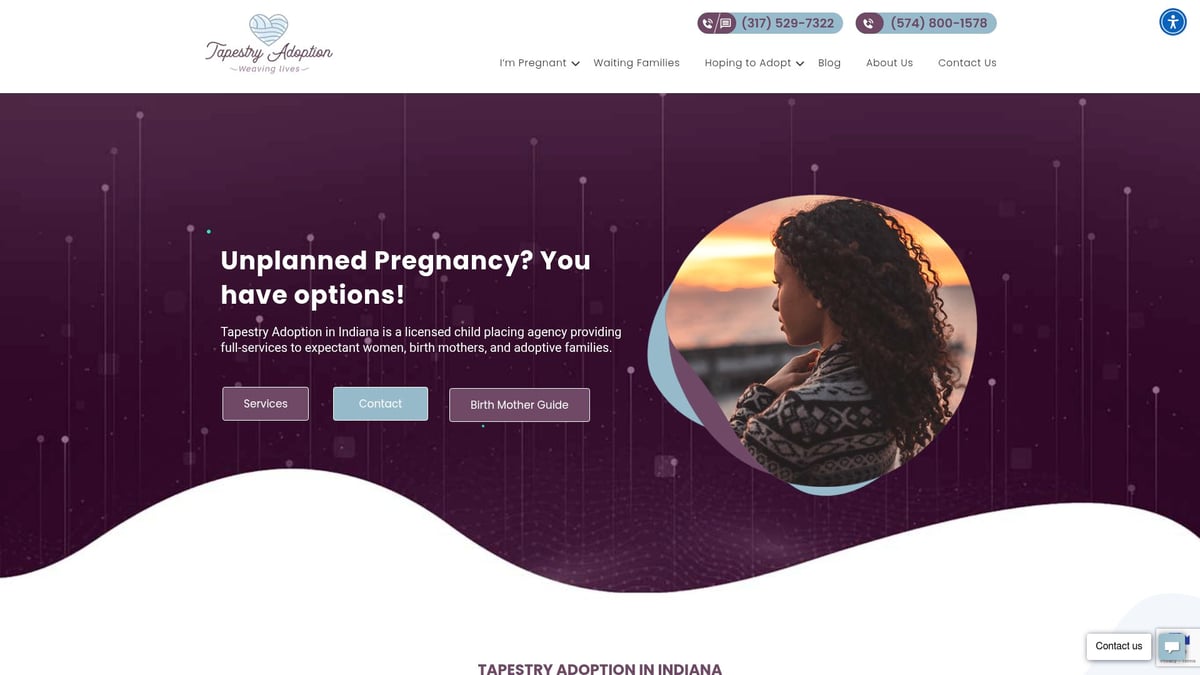
Tapestry Adoption provides holistic support throughout the united states adoption process. Their services include counseling for expectant mothers and adoptive families, financial and legal guidance, and assistance with home studies and background checks. Tapestry Adoption is known for its ethical, faith-based approach, offering individualized care and support for both families and expectant mothers. Their accessible services span nationwide, making them an invaluable resource for anyone considering adoption.
Step 2: The Home Study and Approval Process
Embarking on the home study and approval process is a pivotal moment in the united states adoption process. This step is the gateway to welcoming a child into your family, and understanding it fully can make all the difference. Many prospective parents feel anxious, but with the right preparation, you can navigate this stage confidently and efficiently.

What is a Home Study?
A home study is a comprehensive evaluation conducted by a licensed social worker as part of the united states adoption process. Its main goal is to ensure that your home environment and family dynamics are safe and nurturing for a child. This assessment is mandatory for all adoption types in the U.S., whether you are adopting domestically, through foster care, or internationally.
The process might seem daunting, but it is designed to support and prepare families for adoption. For a detailed look at what to expect, check out this Home Study and Approval Guide, which outlines every stage in detail.
Home Study Components
The home study within the united states adoption process involves several important elements. Expect in-home visits and interviews with everyone living in your household. The social worker will review your financial records and verify employment to ensure stability.
Key components typically include:
- Background checks for all adults in the home
- Medical evaluations and health records
- Personal references from friends or community members
- A physical inspection of your living space for safety
These steps are not about perfection, but about ensuring a loving, suitable environment for a child.
Documentation and Paperwork
Documentation is a major part of the united states adoption process. You will need to gather and organize several important documents. Commonly required items include birth certificates, marriage licenses, recent tax returns, employment verification, and proof of residence.
To keep things on track, create a checklist and a dedicated folder for all paperwork. Delays often happen when documents are missing or incomplete, so double-check everything before submission. Staying organized can help you avoid unnecessary setbacks and reduce stress during this stage.
Home Study Approval and Timeline
The approval step of the united states adoption process typically takes anywhere from two to six months, depending on your state and the agency you work with. After your home study is submitted, you may be approved, deferred, or, in rare cases, denied.
If there are concerns, such as incomplete documentation or safety issues, your social worker will guide you on how to address them. Most families who prepare thoroughly are approved, so stay proactive and communicate openly with your agency to keep things moving forward.
Insights and Tips for Success
Success in the home study phase of the united states adoption process comes down to preparation and honesty. Get your home ready by addressing safety concerns and making it welcoming for a child. Be open about your history, even if you have faced challenges—the goal is to demonstrate growth and readiness.
Helpful tips include:
- Gather strong personal references
- Be transparent in interviews
- Seek support from others who have completed the process
Real-life stories show that families who approach this step with authenticity and organization often have the smoothest experiences.
Step 3: Matching, Placement, and Waiting Period
The journey through the united states adoption process reaches a pivotal stage during matching, placement, and the waiting period. This is where your hopes, preparation, and patience truly come together. Each step brings you closer to expanding your family, but also presents unique challenges and emotions. Understanding what to expect can empower you to navigate this phase with confidence.
The Matching Process
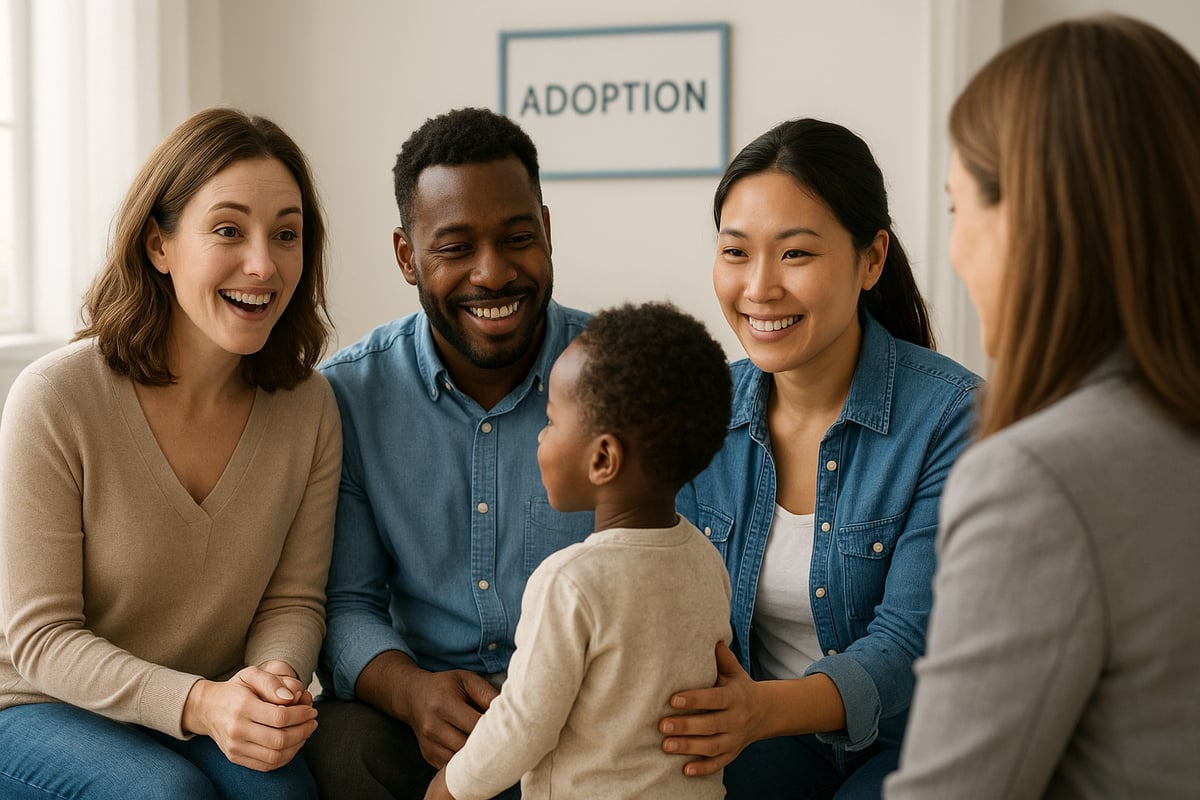
Matching is one of the most anticipated milestones in the united states adoption process. Agencies and professionals work to align the needs and preferences of children with those of waiting families. This involves reviewing adoption profiles, photo books, and sometimes participating in interviews or meetings.
Key factors considered during matching include:
- The child’s age, background, and special needs
- Family’s preferences and readiness
- Best interests of the child above all
Adoptive parents often create detailed profiles that highlight their lifestyle, values, and reasons for adopting. These profiles help birth parents or agencies find the best possible fit. For a deeper look at the step-by-step journey from matching to placement, explore this Overview of the Adoption Process.
The Waiting Period: What to Expect
After matching, the waiting period begins. This phase of the united states adoption process can range from a few weeks to several months, depending on factors like the type of adoption, the child’s age, and openness agreements. Waiting can be emotionally taxing, filled with anticipation, anxiety, and hope.
During this period, families may:
- Prepare the home and nursery
- Stay connected with their adoption professional
- Attend support groups or counseling
Managing expectations is crucial. Some families experience delays due to legal or logistical reasons. Building a strong support network and staying informed will help you navigate this period with resilience.
Placement Procedures
Placement marks the moment a child joins your family, a defining event in the united states adoption process. Placement procedures vary based on the type of adoption and the needs of the child.
Key steps include:
- Pre-placement meetings, where families and children become acquainted
- Transition plans, which may be gradual or immediate
- Foster-to-adopt scenarios, where a child is first placed as a foster child before legal adoption
Agencies guide both families and children through this transition, ensuring emotional and physical needs are met. Open communication and flexibility are vital to a successful placement.
Legal Rights of Birth Parents and Consents
The united states adoption process requires careful attention to the legal rights of birth parents. Birth parent consent is essential for any adoption to proceed. Requirements and timeframes for consent and relinquishment vary by state and type of adoption.
Important aspects include:
- Birth parents must provide written, voluntary consent
- There may be a waiting period before consent becomes irrevocable
- Some states allow a brief window for revocation
If an adoption is contested or disrupted, agencies and attorneys will guide families through the next steps. Understanding these legal protections helps ensure a secure and ethical adoption for everyone involved.
Real-Life Stories and Insights
Personal stories bring the united states adoption process to life. Many families have faced uncertainty during matching and placement, yet found strength through support and perseverance.
Consider these insights:
- One family navigated a year-long wait, using the time to bond with other adoptive parents
- Another parent describes the first meeting with their child as “life-changing and worth every moment of waiting”
- Support groups and online communities offer valuable encouragement and resources
Hearing from those who have walked this path affirms that, although the journey can be challenging, it is filled with hope and transformative joy.
Step 4: Finalizing the Adoption Legally and Financially
Finalizing your adoption is a major milestone in the united states adoption process. This step transforms your role from prospective to legal parent, requiring careful attention to legal and financial details. Understanding what lies ahead empowers you to move forward confidently.

Legal Steps to Finalize Adoption
The legal portion of the united states adoption process begins after a successful placement. Your attorney or agency will help you file an adoption petition with the local court. This initiates a review of your case, including your home study, background checks, and supporting documents.
A judge will schedule a hearing to confirm the adoption is in the child's best interest. During this hearing, you may answer questions about your readiness and bond with the child. Once approved, the court issues a final decree of adoption. This document grants you full legal parental rights.
After finalization, you can request a new birth certificate for your child, reflecting their new legal name and your parental status. This step marks the legal completion of the united states adoption process.
Costs and Financial Assistance
Costs in the united states adoption process can vary widely. Typical expenses include agency fees, attorney fees, court costs, travel, and post-placement supervision. Private and international adoptions often cost more than foster care adoptions, which may be subsidized.
Many families worry about affordability. Fortunately, several forms of financial help exist, including adoption tax credits, employer benefits, grants, and state subsidies. For a clear breakdown of expenses and guidance on available aid, visit Financial Assistance for Adoption.
Planning ahead helps you manage costs without stress. Understanding financial resources ensures that the united states adoption process remains accessible for families from all backgrounds.
Post-Placement Supervision
Before the united states adoption process is legally complete, most states require post-placement supervision. This involves a caseworker visiting your home several times over a set period, usually three to six months.
During these visits, the worker checks on your child's adjustment, your family's integration, and any challenges you face. Reports from these visits are submitted to the court as part of the finalization process.
Supervision ensures a smooth transition and helps you access resources or support if needed. Embracing this requirement as part of the united states adoption process can strengthen your family's foundation.
Navigating Legal Complexities
The united states adoption process may involve additional legal steps, especially for interstate or international cases. If you are adopting across state lines, the Interstate Compact on the Placement of Children (ICPC) ensures legal compliance in both states.
International adoptions require adherence to U.S. and foreign regulations. Working closely with an experienced adoption attorney or agency helps you navigate these rules and avoid delays.
Legal complexities can seem daunting, but staying organized and proactive keeps the united states adoption process moving forward. Always ask questions and seek expert advice to address challenges promptly.
Finalization Day: What to Expect
Finalization day is the celebratory finish line of the united states adoption process. Your family will attend a court hearing, where the judge officially recognizes you as your child’s legal parent.
Many families commemorate this moment with photos, small gatherings, or symbolic gestures. It’s a day filled with emotion, relief, and happiness as your adoption journey becomes official.
After the hearing, you’ll receive the final decree and can apply for a new birth certificate. Marking this day with special traditions makes it memorable for your family and reinforces the significance of the united states adoption process.
Step 5: Life After Adoption – Support, Rights, and Responsibilities
Becoming an adoptive family marks a joyful new chapter, but the journey continues after finalization. The united states adoption process doesn’t end in court; it evolves as you support your child’s growth, nurture relationships, and access vital resources. Knowing what comes next helps families thrive, ensuring every child receives the care, advocacy, and sense of belonging they deserve. Let’s explore the crucial areas of post-adoption life, from support services and open adoption relationships to adoptee rights, unique challenges, and the long-term responsibilities that come with building a forever family.
Post-Adoption Support Services
After completing the united states adoption process, families often benefit from a range of support services designed to help everyone adjust and thrive. These include counseling for both parents and children, access to therapeutic resources, and educational support tailored to adoptees’ unique needs. Many states offer post-adoption programs and support groups where families can share experiences, learn coping strategies, and find reassurance. According to National Adoption Statistics 2025, ongoing support is linked to healthier family outcomes and improved adjustment for adopted children. Taking advantage of these resources sets your family up for long-term success.
Navigating Open Adoption and Ongoing Contact
Open adoption is increasingly common in the united states adoption process, creating opportunities for ongoing contact between adoptive and birth families. Open adoption can foster a sense of identity and belonging for adoptees, but it also requires setting clear boundaries and expectations. Agreements may include regular updates, letters, or even in-person visits, depending on the comfort level of all parties. Navigating these relationships thoughtfully is essential for building trust and stability. Adoptive parents should communicate openly, prioritize the child’s best interests, and seek guidance from professionals to ensure healthy, respectful contact over time.
Adoptee Rights and Records
A crucial part of the united states adoption process is understanding adoptee rights. As adults, many adoptees seek access to their original birth certificates and adoption records. State laws vary, with some granting open access and others requiring court orders or birth parent consent. Adoptive families should educate themselves about their state’s regulations and be prepared to help their child navigate this process. Accessing these records can be a powerful step in identity formation and healing. Parents should approach these conversations with empathy and honesty, supporting their child’s desire for information and connection to their personal history.
Addressing Adoption-Specific Challenges
Every family formed through the united states adoption process may encounter unique challenges, from identity questions to attachment and trauma concerns. Adopted children may struggle with feelings of loss, belonging, or difference, especially in transracial or special needs adoptions. Proactive parenting strategies, such as trauma-informed care and cultural competency, are essential. Parents can seek professional help, join support groups, and access educational resources to better understand and address these challenges. Encouraging open communication and validating your child’s experiences creates a safe environment where healing and growth can flourish.
Long-Term Considerations and Advocacy
The united states adoption process brings lifelong responsibilities. Adoptive parents must plan for their child’s future, including education, healthcare, and legal matters. Supporting adoptees through major transitions, like adolescence or adulthood, requires ongoing advocacy and flexibility. Many families become passionate about adoption reform, working to improve systems and expand adoptee rights. Staying informed about legislative changes and connecting with advocacy groups helps families remain empowered. Embracing lifelong learning and being an active advocate ensures your family, and others like yours, benefit from positive changes within the adoption community.
Common Challenges, Myths, and Tips for a Successful Adoption Journey
Embarking on the united states adoption process is rewarding, but it comes with unique challenges and misconceptions. By understanding the realities, building resilience, and learning from others' journeys, you can navigate your path with confidence.
Debunking Common Adoption Myths
Many myths surround the united states adoption process, making it seem more daunting than it is. Some believe only married couples can adopt, or that adoption is always expensive and takes years. In reality, single parents and same-sex couples can adopt, and costs vary based on the type of adoption chosen.
There is also confusion about open versus closed adoption. Open adoptions are now more common, fostering ongoing contact with birth families. Another myth is that international adoption is the most popular route, but recent research shows a dramatic decline in international adoptions. Understanding these facts helps families approach the process with realistic expectations.
Overcoming Emotional and Practical Challenges
The united states adoption process can be emotionally intense. Waiting for a match, dealing with failed placements, or facing unexpected delays can be discouraging. Many families experience anxiety, fear of the unknown, and frustration with paperwork or legal hurdles.
To overcome these challenges, it is crucial to build a strong support network. Connect with other adoptive families, counselors, and support groups. Practice self-care, communicate openly with your partner or loved ones, and remember that setbacks are part of the journey, not the end. Resilience and flexibility will help you move forward, even through tough moments.
Tips for a Smooth Adoption Process
Staying organized is essential for success in the united states adoption process. Keep all documents, forms, and important contacts in one place. Create a checklist to track deadlines and required training. Communicate regularly with your agency or attorney and ask questions if you are unsure.
Leverage available resources, including adoption support groups and educational workshops. For financial planning, explore options like the Adoption Tax Credit Details 2025-2026, which can help offset costs. Being proactive and informed will make your adoption journey smoother and less stressful.
Insights from Adoptive Families and Experts
Hearing directly from those who have completed the united states adoption process provides invaluable perspective. Many families emphasize the importance of patience and maintaining hope, even when the road gets bumpy. Experts recommend seeking reputable agencies, being honest during home studies, and embracing ongoing learning about adoption issues.
Families often share that the challenges were worth it once their child came home. Their stories inspire others to persist, knowing that with determination, support, and accurate information, successful adoption is within reach.
After learning about the steps, challenges, and incredible rewards of adoption in the US, you might be feeling both excited and a little overwhelmed—and that’s completely normal. Whether you’re exploring your options or just want to understand what’s ahead, having the right support makes all the difference. If you’re an expectant mom considering adoption, or you know someone who is, I highly recommend checking out the Free Expectant Mother Guide. It’s packed with honest answers, real stories, and practical tips—because you deserve clarity, confidence, and compassionate guidance every step of the way.