


Adopt a Son Guide: Your Essential 2026 Roadmap
Adopting a child can transform your family, and the decision to adopt a son in 2026 brings both hope and important questions. The journey to adopt a son is filled with emotional highs and practical steps that can feel overwhelming without the right guidance.
Many families wonder where to start, what hurdles they might face, and how to navigate changing laws and requirements. Having a clear, step-by-step roadmap can make the entire process more manageable and lead to a rewarding adoption experience.
This essential guide will walk you through every stage, from preparation and legal steps to financial planning, home study, matching, and post-adoption adjustment. Use this as your trusted resource for a successful adoption journey in 2026.
Understanding Adoption in 2026: Trends, Laws, and Types
Adoption in 2026 is more accessible and transparent than ever, yet families looking to adopt a son still face a complex landscape. As you navigate this journey, understanding current trends, laws, and adoption types is crucial for making informed choices. Whether your goal is to adopt a son domestically, internationally, or through foster care, staying up-to-date with evolving practices will empower your decisions and set you up for success.

The Evolving Landscape of Adoption in 2026
The adoption world in 2026 is shaped by rapid changes in law, technology, and family needs. Domestic adoptions, including both infant and foster-to-adopt, remain the most common ways to adopt a son in the United States. Meanwhile, international adoptions have declined sharply, reflecting global policy shifts and new treaties focused on child protection.
Several states have updated their regulations, streamlining the process for prospective parents and increasing oversight to prevent unethical practices. Federal proposals, such as H.R.6170, aim to criminalize unlawful adoption activities, adding a layer of security for families eager to adopt a son.
Technology now plays a central role. Digital profiles and online matching platforms connect families with children more efficiently, offering detailed insights and instant communication. This digital evolution also raises the bar for transparency and ethical standards, with agencies prioritizing child welfare and birth family involvement.
Ethical adoption is at the forefront. Agencies and advocates emphasize the importance of supporting birth families, ensuring that every decision prioritizes the best interests of the child. Open adoptions, where adoptive and birth families maintain some level of contact, have become increasingly common, though closed adoptions still exist for families and children who prefer privacy.
Statistics show that in recent years, around 135,000 children are adopted annually in the US, with the majority through foster care. For a detailed breakdown of trends and numbers, consult this Adoption Statistics Infographic.
Families wishing to adopt a son also benefit from new policies welcoming LGBTQ+ and single-parent adopters. States are updating eligibility requirements to be more inclusive, ensuring that more children find loving homes. For example, a recent legal change in California shortened waiting periods for single parents, enabling faster placements and smoother transitions.
Types of Adoption: Which Path is Right for You?
When you decide to adopt a son, you’ll encounter several adoption paths. Each comes with unique requirements, timelines, and considerations. The three most common options are domestic infant adoption, foster care adoption, and international adoption.
-
Domestic infant adoption is often the first choice for families wanting to adopt a son from birth. This route typically involves working with agencies or attorneys and may include open or semi-open arrangements with the birth family. The process can take anywhere from 12 to 24 months, depending on your location and preferences.
-
Foster care adoption offers a path to provide a permanent home for children already in the child welfare system. Many children available for adoption from foster care are older or part of sibling groups, but there are opportunities to adopt a son of various ages. Foster-to-adopt programs often have little or no upfront cost, though the timeline can be unpredictable due to reunification efforts with birth families.
-
International adoption, while less common in 2026, is still an option for families seeking to adopt a son from abroad. This process is heavily regulated and may involve longer waits, higher costs, and extensive legal paperwork. Recent global trends have made international adoption less accessible, so it’s important to research country-specific requirements and ensure your agency is accredited.
Here’s a quick comparison of adoption types:
| Adoption Type | Typical Timeline | Cost Range | Key Eligibility Criteria |
|---|---|---|---|
| Domestic Infant | 12–24 months | $25,000–$50,000 | Age, marital status, financial stability |
| Foster Care | 6–24+ months | Low to none | Background checks, training, residency |
| International | 18–36+ months | $30,000–$60,000+ | Country rules, US requirements |
To adopt a son, you must meet basic eligibility: age (usually 21+), stable income, background checks, and a home study. Some agencies have additional requirements based on marital status or household composition.
Choosing the right path to adopt a son depends on your family’s readiness, flexibility, and long-term goals. Take time to evaluate each option, seek guidance, and connect with families who have walked these paths before you.
Preparing to Adopt: Emotional, Practical, and Legal Readiness
Embarking on the journey to adopt a son is an exciting and deeply meaningful decision. Preparation is essential, not just from a legal or practical standpoint, but for your emotional well-being and family dynamics. This section will walk you through the critical steps to ensure you are truly ready for this life-changing commitment.
Assessing Your Motivation and Readiness
Before you move forward to adopt a son, take time for honest self-reflection. Ask yourself why you want to adopt a son and what you hope to offer him. Engage your partner, children, or close family members in these discussions. Understanding your motivations is crucial for a healthy adoption journey.
Adopting a son brings both incredible rewards and unique challenges. You may encounter emotional ups and downs, especially as you adjust to new family dynamics. Common misconceptions suggest that you must feel 100% ready from the start, but most successful adoptive families experience doubts and fears along the way.
Consider the following questions:
- Are you prepared to address your own emotions and those of your family?
- Can you commit to supporting your son through his adjustment period?
- Are you willing to seek help when needed?
Many families who adopt a son report that facing their uncertainties head-on helped them grow stronger together. Remember, readiness is a journey, not a fixed destination.
Legal and Practical Requirements
Meeting the legal and practical requirements to adopt a son is an important step. Each state has its own criteria, but some common factors include age, marital status, and financial stability. You will need to gather key documents such as birth certificates, marriage licenses, and financial statements.
A typical legal checklist includes:
- Proof of age and citizenship
- Marriage or partnership verification (if applicable)
- Income and employment documentation
- Criminal background checks
- Child abuse clearances
- Residency verification
You may also need to meet state-specific residency or waiting period requirements. The home study is a mandatory process, involving interviews, home visits, and safety checks. For more details on what to expect and how to prepare, see these home study requirements.
By understanding and organizing these legal steps early, you can streamline your efforts to adopt a son and reduce unnecessary stress.
Building Your Support System
Building a strong support system is vital when you decide to adopt a son. Your immediate family, friends, and community can play a significant role in your success. Start conversations early to set expectations and gather encouragement.
Support resources to consider:
- Adoption support groups (local or online)
- Counseling services for adoptive parents
- Peer mentoring programs
- Workshops and educational sessions
If you have other children, prepare them for the changes that come with adopting a son. Honest conversations and age-appropriate explanations can help siblings adjust and welcome their new brother.
Extended family members may also need guidance. Share information about the adoption process and encourage them to ask questions. The more informed your network is, the better they can support you throughout your journey.
Tapestry Adoption: Comprehensive Support for Adoptive Families
Tapestry Adoption is dedicated to helping families adopt a son with confidence and compassion. Their services include home studies, counseling, and legal guidance tailored to your unique needs. By partnering with Tapestry Adoption, families gain access to expert advice and emotional support at every stage.

For example, one family shared how Tapestry Adoption guided them through paperwork, provided ongoing counseling, and connected them with a supportive peer group. These resources helped them overcome fears and navigate the challenges of adopting a son with greater ease.
Whether you need help understanding the legal process, managing finances, or preparing for the emotional journey, Tapestry Adoption stands ready to assist. Their comprehensive approach ensures you never feel alone as you work toward your goal to adopt a son.
The Step-by-Step Adoption Process: Your 2026 Roadmap
Embarking on the journey to adopt a son in 2026 can feel overwhelming, but breaking the process into clear, actionable steps makes success achievable. Here, we walk you through each critical phase, so you can move forward with confidence, clarity, and the right support.

Step 1: Choosing the Right Adoption Path
The first step to adopt a son is selecting the adoption path that fits your family’s needs. In 2026, families can choose between domestic, foster-to-adopt, international, or private adoptions. Each path offers unique opportunities and challenges.
When considering agencies, attorneys, or facilitators, research their credentials and reputation. Ask these questions during your consultations:
- Are they licensed and accredited?
- What support do they provide throughout the process?
- How do they ensure ethical practices?
Be aware of red flags such as vague fees, lack of transparency, or pressure tactics. Take advantage of resources like the Adoption process step-by-step guide, which offers detailed insights into what to expect at each stage as you adopt a son.
By choosing a reputable partner and clarifying your preferences, you lay a solid foundation for a successful adoption journey.
Step 2: Completing the Home Study
After selecting your path, the next step to adopt a son is the home study. In 2026, a home study includes:
- Home visits to ensure safety and suitability
- Family interviews and background checks
- Review of financial and personal documents
Agencies look for stability, readiness, and a safe environment. Prepare your home by addressing safety hazards and creating a welcoming space for a child. Involve all family members in discussions about expectations and responsibilities.
A typical home study can take two to four months, depending on your state and agency workload. Keeping documentation organized and responding promptly to requests can help speed up the process as you work to adopt a son.
Step 3: Financial Planning and Funding Your Adoption
Understanding the costs involved is key when planning to adopt a son. Here’s a comparison of typical expenses by adoption type:
| Adoption Type | Estimated Cost |
|---|---|
| Domestic | $20,000–$45,000 |
| Foster-to-Adopt | Low to none |
| International | $35,000–$60,000 |
Explore grants, low-interest loans, and employer benefits to offset costs. In 2026, both federal and state adoption tax credits are more accessible, providing significant relief. Build a budget that includes post-placement expenses like legal fees, counseling, and travel.
Families who adopt a son often find creative ways to fund their journey, from community fundraisers to leveraging workplace benefits. Staying proactive with financial planning will reduce stress and keep your adoption on track.
Step 4: Matching with Your Son
This stage is when your dream to adopt a son becomes tangible. Agencies use digital profiles, waiting lists, and matching criteria to connect families and children. Factors influencing timelines include your preferences, your son’s age and needs, and the involvement of birth parents.
In some cases, birth parents play a direct role in the matching process, reviewing family profiles and participating in meetings. If you are open to children with diverse backgrounds or special needs, you may match more quickly.
One family, after months of waiting, finally received the call that they had been matched to adopt a son who shared their values and interests. Their patience and openness paid off, leading to a life-changing connection.
Step 5: Finalizing the Adoption
The final step to adopt a son is legal finalization. This involves court hearings, signing paperwork, and updating the birth certificate to reflect your new family structure.
After placement, expect a period of post-placement supervision, where social workers ensure your son is adjusting well. Each state and country has specific timelines and requirements, so consult your agency for guidance.
Once the judge approves the adoption, you and your son gain all legal rights and responsibilities. This milestone marks the beginning of your lifelong journey together, filled with growth, love, and new experiences.
Navigating Challenges and Building Bonds After Adoption
Adopting a son is a life-changing commitment, but it is only the beginning of your journey together. After placement, families face new challenges and opportunities as they learn to build trust, nurture attachment, and support their son’s identity. Understanding what to expect and how to respond can make all the difference as you continue to adopt a son and help him thrive.
Common Post-Adoption Challenges
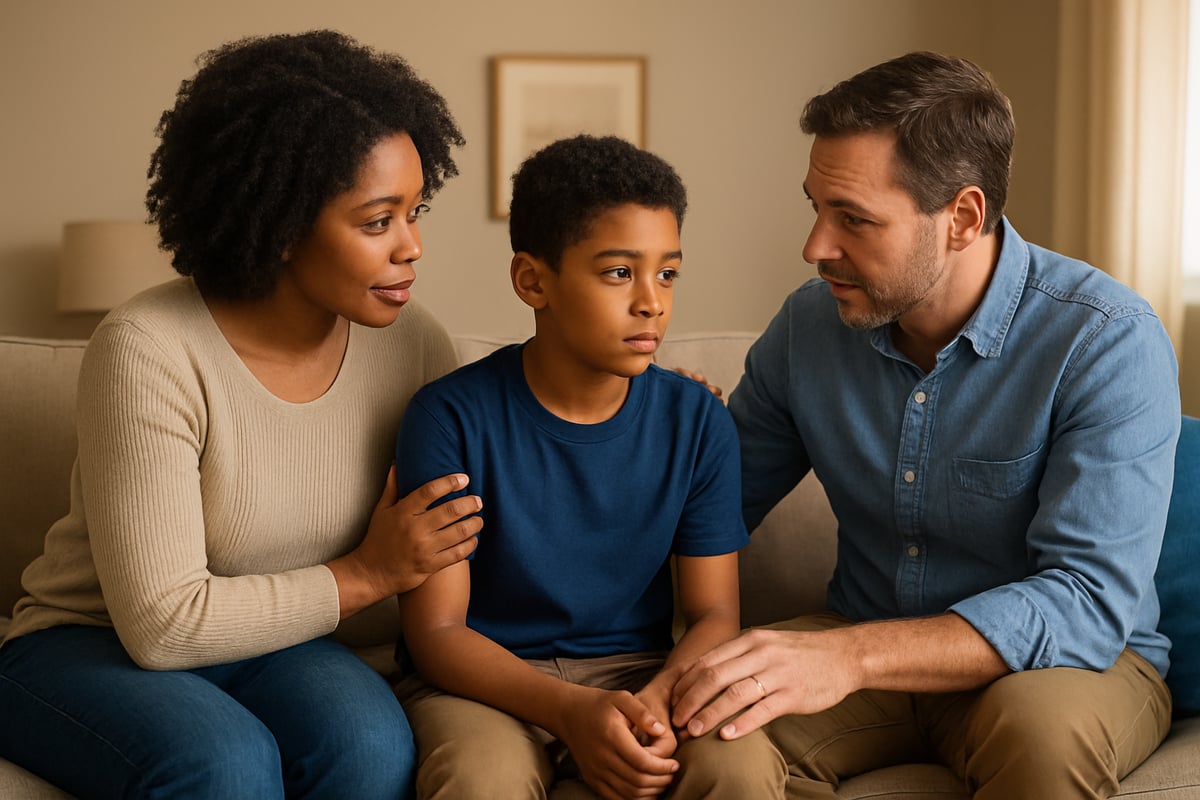
Every family who chooses to adopt a son will encounter ups and downs as they settle into new routines. It is normal for both parents and children to experience a mix of excitement, anxiety, and adjustment stress.
Some of the most frequent post-adoption challenges include:
- Attachment and bonding: Building a secure relationship can take time and patience.
- Trauma and grief: Many adopted sons carry histories that may include loss, transitions, or trauma.
- Identity questions: Children may struggle with feelings of belonging or confusion about their past.
Seeking professional counseling or joining support groups can help families navigate these hurdles. For instance, one family who chose to adopt a son found that regular check-ins with a post-adoption therapist allowed their son to express his feelings in a safe space, helping everyone adjust more smoothly.
Don’t hesitate to reach out for help if you notice prolonged sadness, withdrawal, or behavioral challenges. Early support is key to a healthy transition when you adopt a son.
Supporting Your Son’s Identity and Well-Being
Helping your son develop a strong sense of self is one of the most important responsibilities after you adopt a son. Open adoption arrangements, where appropriate, can allow ongoing contact with birth family, which may help your son process his story and maintain important connections.
Consider these strategies:
- Promote cultural and racial heritage: Celebrate traditions, learn about your son’s background together, and connect with community groups.
- Open communication: Encourage questions and honest conversations about adoption.
- Support belonging: Create family rituals that welcome your son and reinforce that he is a valued member of the family.
If your son was adopted internationally or comes from a different background, seek out mentors or role models who share his heritage. This helps build confidence and a sense of pride, making the decision to adopt a son even more rewarding.
School, Health, and Social Integration
After you adopt a son, helping him adjust to new environments is essential. When enrolling your son in school, gather required documents such as the updated birth certificate and court finalization papers. Meet with teachers and school counselors to discuss any support your son might need during the transition.
For health care, transfer medical records promptly and choose a pediatrician who understands the unique needs of adopted children. Keep an open line of communication with health professionals, and don’t overlook the importance of mental health support.
Social integration takes time. Encourage your son to join clubs, sports, or activities where he can build friendships. Model social skills at home, and celebrate small milestones together. With patience, consistency, and a strong support network, your family can overcome early obstacles and truly embrace the decision to adopt a son.
Resources, Support Networks, and Continuing Education
Finding the right help when you adopt a son can make all the difference. The journey does not end with placement. Instead, it transforms as you and your son grow together. Building a strong support network, staying educated, and accessing resources will empower your family for years to come.
Finding the Right Support Networks
Connecting with others who understand the journey to adopt a son can be a tremendous source of strength. National organizations like AdoptUSKids, the Dave Thomas Foundation for Adoption, and the North American Council on Adoptable Children offer ongoing support, advice, and community events.
Local agencies and faith-based groups often host meetups for adoptive families. Online forums and social media groups make it easy to find peer mentors and share experiences. Many parents who adopt a son find comfort and guidance from these connections, especially during challenging transitions.
Success stories abound. One family from Texas credits their local adoption support group with helping them navigate the early days after they adopt a son, offering practical advice and emotional encouragement. These networks will be vital as you move forward.
Continuing Adoption Education
Your learning does not stop once you adopt a son. The adoption landscape evolves, so staying informed is crucial. Workshops, webinars, and conferences are regularly offered by adoption agencies and national organizations.
Recommended books, podcasts, and online courses can deepen your understanding of trauma, attachment, and cultural identity. Many families schedule annual check-ins with adoption professionals to refresh their knowledge and address new challenges.
Lifelong learning helps you anticipate your son’s needs as he grows. Adopting a mindset of curiosity and openness will serve your entire family well. When you adopt a son, ongoing education is a powerful tool for building trust and resilience.
Financial and Legal Resources
Financial planning is a key part of your journey to adopt a son. Many families worry about costs, but a variety of resources can help. National and state grants, scholarships, and employer benefits may be available.
Consider exploring Financial assistance for adoption to discover grants and support programs. Staying current on tax benefits is also important. The Adoption Tax Credit Updates for 2025 and 2026 page offers essential details on recent federal changes, which can significantly offset expenses when you adopt a son.
Legal aid organizations specializing in adoption can guide you through paperwork or court hearings. State and federal agencies provide additional support, especially after placement. Take time to research your options and ask for help when you need it.
Advocacy and Giving Back
After you adopt a son, you may feel inspired to help others on the same path. Many adoptive families become advocates for ethical adoption practices, sharing their stories to raise awareness.
Opportunities to mentor prospective parents are plentiful, from hosting information nights to joining advisory boards. Some families volunteer with their local agency or support group, helping newcomers feel welcome.
One family in California, after years of support from their adoption network, now leads workshops for others hoping to adopt a son. By giving back, you create a ripple effect of hope and encouragement for future generations.
Now that you’ve explored the ins and outs of adopting a son in 2026—from getting emotionally ready to navigating the legal steps and building your support system—you might be wondering what your next step should be. One essential milestone is the home study, which can sometimes feel daunting, but it doesn’t have to be. We know the process is both life changing and challenging, and that’s why we want to make it just a little bit easier for you. To help you move forward with confidence, we’re offering $100 Off Cost of Home Study so you can take this important step without added stress. You’re not alone on this journey—let’s take the next step together!