


Adopting Mother Guide: Your Essential Roadmap for 2026
Did you know that in 2026, more women than ever are stepping forward to build families through adoption? For every adopting mother, the journey is filled with complex emotions, challenges, and life-changing rewards. Adoption is not only an act of love, but also a path to empowerment for families and children alike.
This guide is designed to be your essential roadmap for 2026, providing step-by-step insights every adopting mother needs. We’ll cover legal, emotional, financial, and practical essentials, including preparation, legalities, emotional readiness, financial planning, the adoption process, post-adoption support, and the resources that will help you thrive.
Understanding Adoption in 2026: Trends and Changes
Adoption has never been more dynamic, and for the adopting mother, the landscape in 2026 brings both exciting opportunities and new complexities. If you are considering this path, understanding the latest trends is crucial to making empowered choices.
Evolving Adoption Landscape
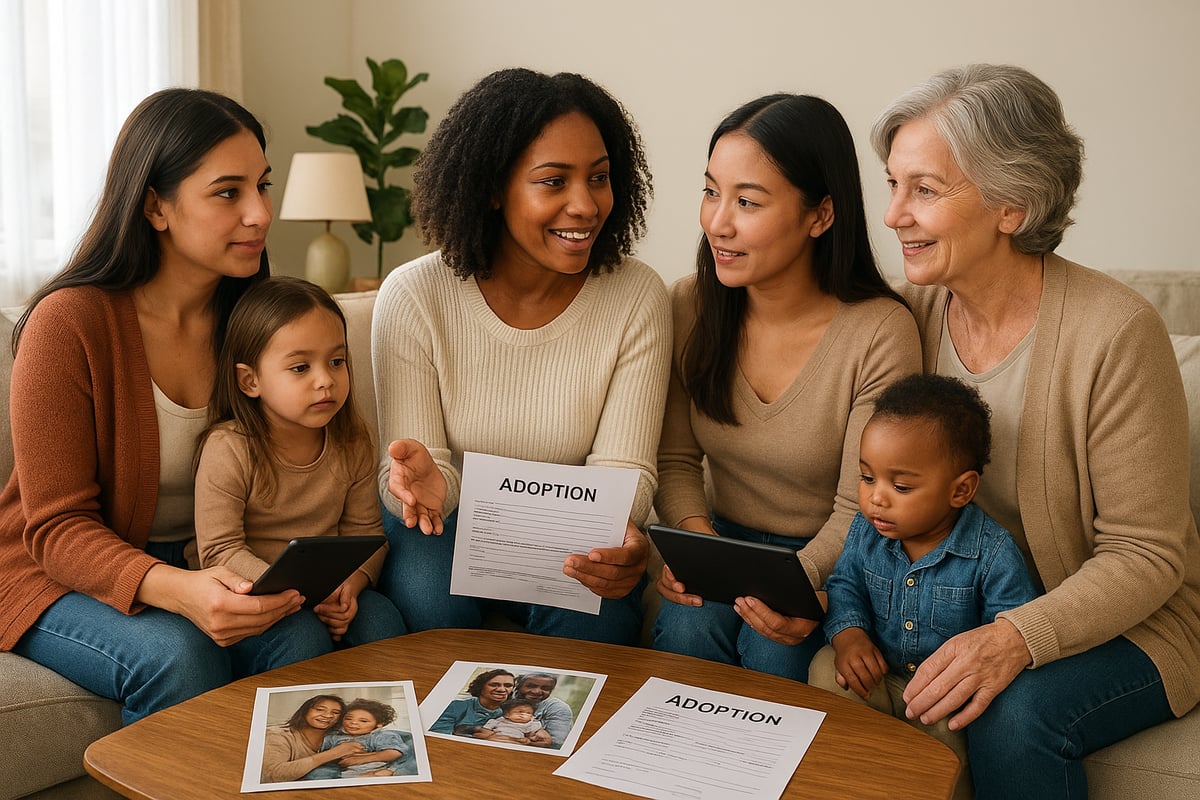
In 2026, the adoption world is experiencing major shifts. For the adopting mother, one of the most notable changes is the rise in domestic adoptions compared to international ones. According to recent analysis, international adoptions to the U.S. have slowed dramatically, reflecting a trend seen worldwide. For more on this, see the Decline in International Adoptions. This means that many adopting mothers are now focusing on opportunities within the United States.
Legislation has also evolved. The Adoption Modernization Act of 2025 introduced digital platforms for matching, streamlined background checks, and virtual home studies. These advancements have reduced paperwork and made the process more accessible for the adopting mother. Open adoptions are becoming the norm, encouraging ongoing relationships between birth families and adoptive families. For the adopting mother, this shift requires a deeper understanding of boundaries, communication, and emotional readiness.
Societal attitudes are rapidly changing, too. Media portrayals now celebrate diverse family structures, and the stigma around adoption continues to fade. The adopting mother is increasingly recognized and supported in her journey. The process for infant, foster, and step-parent adoptions also varies. For example, infant adoption often involves more open communication with birth parents, while foster care adoption may require additional training and longer wait times.
Let's look at a quick comparison:
| Adoption Type | Average Wait (2023) | Average Wait (2026) | Key Change |
|---|---|---|---|
| Domestic Infant | 18 months | 12 months | Faster matching |
| International | 24 months | 30+ months | Fewer placements |
| Foster Care | 10 months | 14 months | Stricter oversight |
| Step-Parent | 6 months | 5 months | Simplified process |
For the adopting mother, these changes mean more choices but also more decisions to make. Technology, legislation, and societal support are working together to reshape the adoption experience for the better.
Key Challenges and Opportunities
Despite the progress, the adopting mother in 2026 faces unique hurdles. Legal complexities remain, especially with new policies and varying state regulations. Emotional challenges are common, as the journey can be filled with hope but also uncertainty. Navigating open adoptions, understanding digital processes, and preparing for virtual home studies all require a new level of adaptability from the adopting mother.
Yet, the landscape is also more inclusive than ever. Single mothers and LGBTQ+ families are finding increased acceptance and support. In 2025, single-mother adoptions accounted for 19% of all placements, with projections suggesting a climb to 23% in 2026. This upward trend reflects a broader embrace of diverse family structures.
Consider the story of Maria, an adopting mother who navigated the new digital requirements. She successfully completed a virtual home study and matched with her child through an online platform. Her experience shows that, while challenges exist, the right resources and mindset can turn obstacles into opportunities.
As the adoption world evolves, the adopting mother stands at the center of a process defined by change, resilience, and hope. Understanding these trends is the first step on the path to a fulfilling adoption journey.
Step 1: Preparing Yourself for Adoption
Beginning your adoption journey as an adopting mother requires thoughtful preparation. This step is about laying the groundwork for a successful and fulfilling experience. From understanding your motivations to building a strong support network, preparation is the cornerstone of every adopting mother’s story.
Assessing Emotional Readiness
Before moving forward, every adopting mother should take time to reflect on her motivations and expectations. Ask yourself: Why do I want to adopt? Am I ready for the emotional ups and downs? Self-reflection is the first step to ensure you are entering this journey for the right reasons.
It’s natural to feel a mix of excitement, anxiety, and even fear. Managing these emotions is critical. Consider writing in a journal or talking to trusted friends to process your feelings. Many adopting mothers find that pre-adoption counseling provides invaluable guidance, helping them navigate potential disappointments and set healthy expectations.
Support groups can also make a profound difference. Listening to stories of other adopting mothers who have faced and overcome challenges can be reassuring. Remember, your emotional health directly influences your ability to provide a nurturing home for your future child.
Building a Support Network
No adopting mother should go through this process alone. Building a robust support network is essential for both emotional and practical support. Start by identifying key people in your life—family, friends, and professionals—who are willing to help.
Connect with online communities and local adoption groups. These resources offer a space to share experiences, ask questions, and find encouragement. Research shows that adopting mothers with strong support networks experience higher success rates and greater satisfaction throughout the adoption process.
Don’t hesitate to reach out for help when needed. A good support system can ease stress, provide valuable advice, and celebrate milestones with you. Surrounding yourself with people who understand your journey will empower you every step of the way.
Researching Adoption Types and Agencies
Choosing the right path as an adopting mother starts with understanding the various types of adoption available. You might consider private, agency, foster care, or international adoption. Each option has unique requirements, timelines, and benefits.
Do thorough research before selecting an agency. Create a checklist of questions about their experience, success rates, and support services. During initial interviews, pay attention to how agencies communicate and whether they prioritize your needs as an adopting mother.
For a detailed breakdown of adoption types and what to expect, visit Types of Adoption Explained. Gaining clarity on your options will help you make informed decisions and set realistic expectations for your adoption journey.
Tapestry Adoption: Comprehensive Support for Adopting Mothers
Tapestry Adoption stands out as a trusted partner for any adopting mother. Their comprehensive services include counseling, legal guidance, and financial planning, all tailored for adopting mothers at every stage.
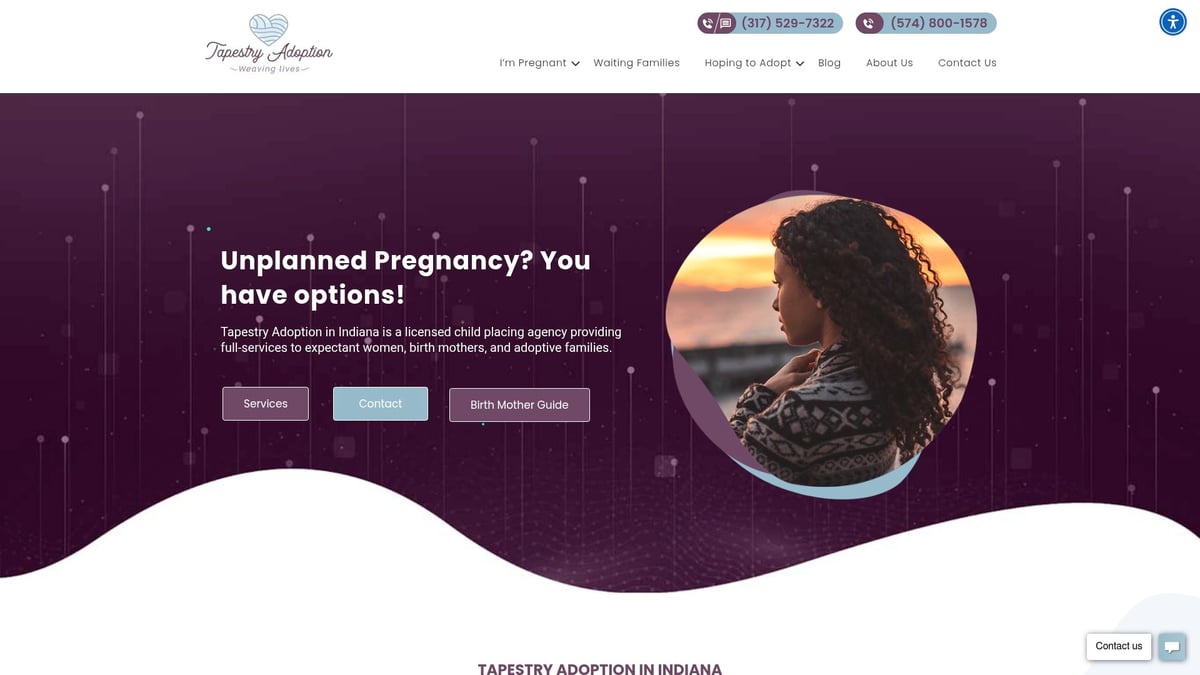
Through Tapestry’s support, many have found the home study process less daunting and more empowering. For example, one family shared how Tapestry’s attentive staff guided them through paperwork, offered emotional support, and connected them with other adopting mothers.
If you’re ready to take the next step, Tapestry provides direct contact and a wealth of resources to answer your questions. With their help, every adopting mother can feel confident and supported as she moves forward.
Step 2: Navigating the Legal and Administrative Process
Embarking on the legal journey as an adopting mother in 2026 means navigating a landscape filled with both new opportunities and unique challenges. Understanding the legal and administrative steps is crucial, as each phase impacts your timeline, eligibility, and emotional readiness.
This section breaks down the most vital aspects: legal requirements, the home study, and the matching process. Let’s empower you to move forward confidently, equipped with the knowledge to overcome common hurdles and make informed decisions.

Understanding Legal Requirements
For every adopting mother, understanding adoption laws and requirements is the first step toward a successful journey. In 2026, U.S. adoption regulations have evolved, with each state maintaining its own unique rules. It’s essential to familiarize yourself with both federal guidelines and your state’s specific statutes. Key requirements include background checks, detailed financial disclosures, and a comprehensive home study.
A typical legal process involves several stages:
| Step | Description | Estimated Timeframe |
|---|---|---|
| Background Checks | Fingerprinting, criminal history review | 2-4 weeks |
| Home Study | Social worker evaluation of home/family | 1-3 months |
| Financial Disclosure | Proof of income, tax returns, employment | 2 weeks |
| Finalization | Court hearings and legal paperwork | 1-2 months |
Working with an experienced adoption attorney is highly recommended. Legal counsel ensures that every document is accurate and deadlines are met, reducing the risk of delays. The process can be complex, but resources like Understanding the Adoption Process provide clarity on every key phase.
As an adopting mother, keep a dedicated folder for all paperwork and track your progress using a simple checklist. Being proactive about legal steps gives you more control and peace of mind.
Completing the Home Study
The home study is a cornerstone of the adoption process for every adopting mother. This thorough evaluation assesses your readiness, living environment, and overall suitability to parent. In 2026, expect a blend of in-person visits and virtual interviews, making the process more flexible yet comprehensive.
Preparation is critical. Here are some tips to help you succeed:
- Organize important documents (IDs, financial records, references).
- Prepare your home for safety and comfort.
- Be honest and open during interviews with the social worker.
- Attend recommended parenting workshops or classes.
Common reasons for home study delays include incomplete paperwork, unresolved safety concerns, or scheduling conflicts. On average, a home study takes between one and three months from start to finish. Some adopting mothers experience faster approval by staying organized and responsive to agency requests.
Support from professionals and peers can make this phase less intimidating. Many adopting mothers find that sharing experiences in online forums or local groups helps them feel prepared and confident. Remember, the home study is not just an inspection, but an opportunity to showcase your strengths as a future parent.
Matching with a Child or Birth Mother
The matching phase is both exciting and nerve-wracking for any adopting mother. Matching protocols vary depending on the adoption type, whether private, foster, or international. In 2026, technology plays a larger role, with digital profiles, virtual meetings, and advanced matching algorithms helping connect families and children faster than before.
Several factors influence how quickly a match is made:
| Factor | Impact on Timeline |
|---|---|
| Age and preferences | Broader preferences can speed up matching |
| Demographics | Certain backgrounds may match faster |
| Type of adoption | Foster and step-parent matches may differ |
| Openness to siblings | Willingness increases options |
A real-life example: One adopting mother, open to a wide age range and sibling groups, was matched within three months, while others with more specific criteria waited longer. Flexibility and open communication with your agency can make a significant difference.
Throughout this process, maintaining realistic expectations and a patient mindset is vital. Many adopting mothers find that journaling their experiences helps manage emotions and track progress. Ultimately, the right match will arrive when the timing is right for both you and your future child.
Step 3: Financial Planning for Adoption
Financial planning is a crucial step for any adopting mother preparing for the journey ahead. Understanding the costs, available resources, and smart strategies can transform uncertainty into empowerment. With the right roadmap, you can approach adoption with confidence and peace of mind.

Adoption Costs Breakdown
Every adopting mother should begin by mapping out the full range of adoption expenses. Costs can vary widely depending on the type of adoption you pursue.
Here’s a quick comparison:
| Expense Type | Domestic Adoption | International Adoption |
|---|---|---|
| Agency Fees | $20,000–$40,000 | $25,000–$50,000 |
| Legal Fees | $2,000–$6,000 | $4,000–$10,000 |
| Home Study | $1,500–$4,000 | $2,000–$5,000 |
| Travel | Varies | $5,000–$15,000 |
| Post-Placement | $1,500–$3,000 | $2,000–$4,000 |
As an adopting mother, it’s essential to consider grants, adoption loans, and employer benefits. Many employers now offer adoption assistance as part of their benefits package, so check with your HR department.
Government support can also lighten the load. Financial incentives like the Introduction to the Adoption Tax Credit provide substantial relief for eligible families. This credit can offset thousands of dollars in qualified expenses, making adoption more accessible for many.
A sample budget worksheet can be a lifesaver. Here’s a simple example:
Adoption Budget Planner:
- Agency Fees: $30,000
- Legal Fees: $4,000
- Home Study: $2,000
- Travel: $8,000
- Post-Placement: $2,000
- Total Estimated: $46,000
- Grants/Loans: -$10,000
- Employer Benefit: -$5,000
- Net Cost: $31,000
Starting with a clear financial plan helps every adopting mother stay organized and proactive.
Managing Unexpected Expenses
Even with a solid plan, surprises can happen. An adopting mother may encounter extra legal fees, medical expenses, or last-minute travel. How can you stay prepared?
First, build a contingency fund into your adoption budget. Setting aside 10–15% of your projected costs can protect you from financial stress.
Explore creative fundraising ideas, such as:
- Online crowdfunding campaigns
- Community events like bake sales or silent auctions
- Grants from adoption-focused organizations
Lean on your support network, too. Many adopting mother success stories involve friends and family rallying together to help bridge a financial gap.
One mother, Sarah, faced unexpected travel delays during her international adoption. Thanks to her community’s quick response with a fundraiser, she covered the extra costs without derailing her plans.
Remember, the journey may come with surprises, but resourcefulness and support make a difference. With preparation and resilience, every adopting mother can face financial challenges head-on and focus on welcoming their child home.
Step 4: The Emotional Journey—Before, During, and After Placement
Adoption is not just a legal or logistical process—it is a deeply personal emotional journey for every adopting mother. While the steps can seem overwhelming, understanding and preparing for the emotional landscape can transform uncertainty into empowerment. Let’s explore the most critical emotional stages before, during, and after placement, ensuring every adopting mother feels seen and supported.
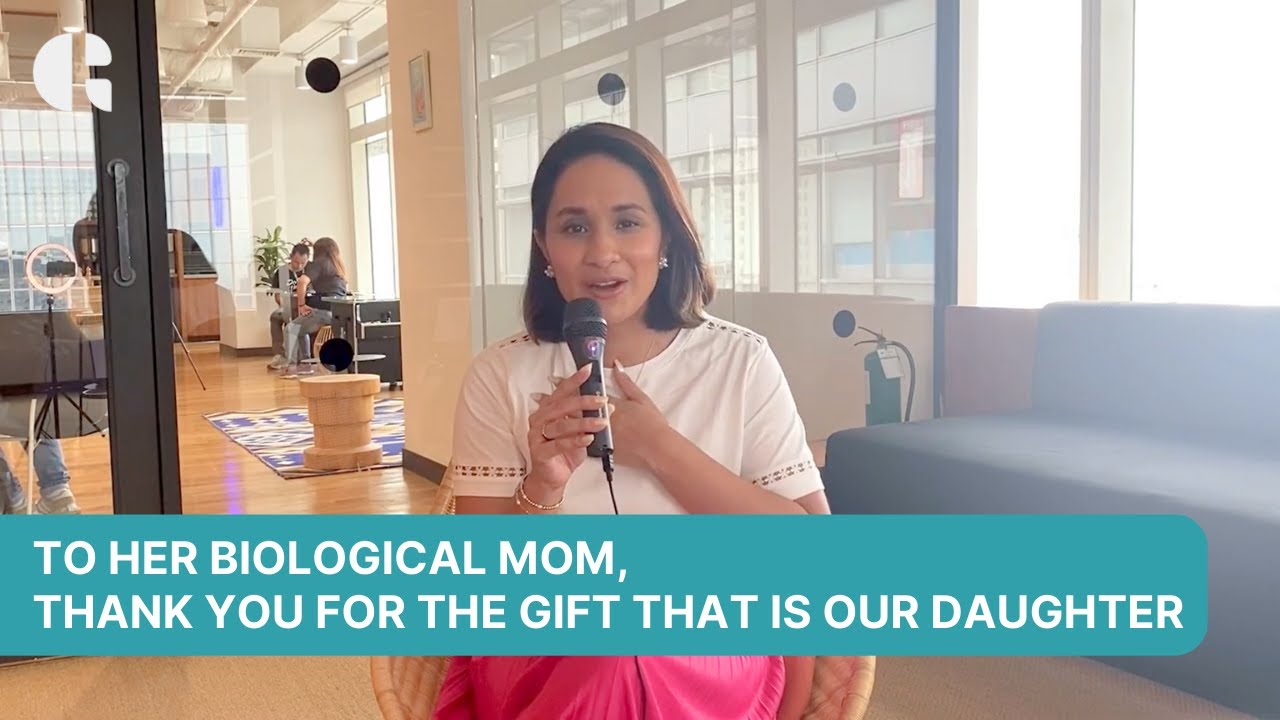
Preparing for the Emotional Rollercoaster
Every adopting mother begins her journey with hope, but it’s natural to experience a wide range of emotions: excitement, fear, anticipation, and even grief. Recognizing these feelings is the first step to building resilience. Many women find that self-reflection helps clarify their motivations and expectations, which is crucial for a stable foundation.
Common emotions you may face include:
- Joy when first considering adoption
- Anxiety during the waiting period
- Frustration with paperwork or delays
- Uncertainty about bonding with your future child
Coping with these highs and lows requires intentional strategies. Consider joining a support group, connecting with other adopting mothers, or seeking counseling. Many women share that pre-adoption counseling helped them process doubts and prepare emotionally for placement. For some, the home study process itself can trigger anxiety, but learning about the requirements in advance can make the experience less daunting.
Lean on your support network—family, friends, and professionals—who can offer encouragement. Remember, being an adopting mother is a journey of both heart and mind, and you don’t have to navigate it alone.
Bonding with Your Child
After placement, building a strong bond with your adopted child becomes the focus. For every adopting mother, the path to attachment can look different. Some children connect quickly, while others need time and gentle patience. Early efforts to establish routines, create shared experiences, and express consistent love lay the groundwork for lifelong trust.
Effective bonding strategies include:
- Creating predictable daily routines
- Sharing storytime or playtime together
- Practicing skin-to-skin contact for infants
- Encouraging open conversations about feelings
Understanding the impact of trauma and loss is essential. Adopted children may carry emotional scars from previous experiences. A nurturing adopting mother can help a child heal, but it’s important to be patient and seek professional support when needed. Research shows that early and intentional bonding leads to better long-term outcomes in children’s emotional health and development.
Every adopting mother should remember that love grows over time. Celebrate small milestones and allow the relationship to unfold naturally. Your presence, empathy, and commitment are the most powerful tools you have.
Navigating Open Adoption Relationships
Open adoption is increasingly common, bringing unique emotional dynamics for every adopting mother. Maintaining healthy communication with birth families requires clarity, empathy, and firm boundaries. Setting expectations early helps avoid misunderstandings and fosters mutual respect.
Key tips for navigating open adoption:
- Discuss boundaries and preferred communication methods with birth families
- Keep conversations child-focused and positive
- Be honest about your feelings and encourage the same from others
A successful open adoption relationship can enrich your child’s sense of identity and connection. Many adopting mothers share that regular, honest communication with birth parents eased their fears and deepened their understanding of their child’s background. Remember, your role as an adopting mother includes guiding these relationships with compassion and integrity.
As you move through each phase of adoption, embrace the emotional journey. Your willingness to learn, grow, and connect will shape your family’s story in powerful ways.
Step 5: Life After Adoption—Support, Resources, and Thriving as a Family
Welcoming a child into your family is just the beginning of your journey as an adopting mother. The post-adoption phase can bring profound joy, but also new challenges and questions. By understanding the support available, preparing for the realities of parenting an adopted child, and building a strong family narrative, you can help your family thrive and grow together.
Post-Adoption Support Services
As an adopting mother, seeking support after placement is one of the most empowering steps you can take. Professional counseling, support groups, and community organizations play a key role in helping families adjust to new dynamics. Many adopting mothers find comfort and guidance in connecting with others who share similar experiences.
Post-placement visits are often required by agencies to ensure the well-being of both mother and child. These visits not only provide oversight but also offer a space to voice concerns, ask questions, and receive practical advice. Access to ongoing counseling can help with identity issues, attachment, and navigating any emotional hurdles that arise.
Recent government initiatives, such as the Executive Order on Foster Care, have increased funding and resources for post-adoption support, making it easier for adopting mothers to find help tailored to their needs. One adopting mother shared how weekly sessions with her support group gave her the confidence and reassurance she needed during the first year.
Remember, reaching out for support is a strength, not a weakness. Surround yourself with professionals, peers, and loved ones who can guide you through this transformative chapter.
Parenting an Adopted Child
Parenting as an adopting mother brings unique joys and challenges. Children may face questions about their identity, cultural background, or even behavioral adjustments as they integrate into a new family. It's important to seek out educational resources designed specifically for adoptive parents. Workshops, webinars, and books can offer practical strategies for handling conversations around adoption, managing transitions, and nurturing resilience.
Statistics show that adopted children thrive when their adopting mother is proactive about seeking help and engaging in open dialogue. If your child was adopted from foster care, you might notice additional needs for support, especially in light of the Foster Care Adoption Decline that has shifted the landscape for many families. This trend highlights the importance of specialized resources for adopting mothers, especially those navigating complex backgrounds.
Community-based programs and school counselors can also be valuable allies. As an adopting mother, don't hesitate to advocate for your child's needs within educational and healthcare settings. The more informed and prepared you are, the smoother your transition into parenthood will be.
Building a Lifelong Family Narrative
One of the most beautiful responsibilities for an adopting mother is shaping her family's unique story. Open communication about adoption helps build trust and confidence in children as they grow. Start early, using age-appropriate language, and encourage your child to ask questions about their background.
Creating family rituals can be a powerful way to honor your child's history. Some families celebrate "adoption day" each year, while others make scrapbooks or share bedtime stories about how they became a family. These traditions not only strengthen bonds but also help your child feel valued and understood.
As your family evolves, continue to revisit your adoption narrative together. An adopting mother who embraces openness and celebrates her family's journey lays the foundation for a lifetime of connection and belonging.
As you take your first steps on this life changing adoption journey, remember that you don’t have to navigate it alone. We’ve covered everything from emotional readiness and legal hurdles to building a loving, lifelong family—because every mother deserves guidance, support, and real answers. If you’re ready to turn information into action and start planning for your future as an adopting mom, I highly recommend grabbing your Free Expectant Mother Guide. It’s packed with insights, checklists, and tips from real families who’ve been right where you are—so you’ll feel empowered at every step.