



Newborns for Adoption Guide: Your Pathway in 2026
Choosing newborns for adoption is a decision that will change your life forever, bringing hope, questions, and important choices at every turn.
This guide is here to give you clear, up-to-date advice for adopting a newborn in 2026. Whether you are a prospective parent or an expectant mother, you will find practical tips and legal insights to help you feel confident at every step.
We will explore eligibility, adoption pathways, legal requirements, emotional support, and real-life stories to show you what to expect throughout the process.
If you are ready to start your journey, this roadmap will empower you to make informed, compassionate decisions and achieve your dream of building a family.
Understanding Newborn Adoption in 2026
Choosing newborns for adoption in 2026 means navigating an evolving landscape filled with both promise and complexity. Whether you are an expectant mother or a prospective parent, understanding the current definition, trends, and pathways is crucial before you begin your journey.
Defining Newborn Adoption Today
Newborns for adoption refer to babies placed with adoptive families within the first few weeks of life, often immediately after birth. This differs from infant adoption, which can include children up to a year old, and older child adoption, which involves children beyond infancy.
In 2026, over 18,000 domestic newborn adoptions occur annually, with most placements happening within days of birth. Open adoption, where birth and adoptive families maintain some level of contact, has become the norm, while closed adoptions—where there is no contact—are now rare. To better understand these options, open vs. closed adoption explained offers valuable insights. Many choose newborns for adoption because it allows them to be present from the very start of a child’s life and build early bonds.
Recent Changes and Trends in Adoption
Adoption laws have seen significant updates in 2025 and 2026, impacting how newborns for adoption are placed. New digital tools like online matching platforms and virtual home studies have made the process more accessible and transparent.
Families adopting today are more diverse, with increases in single parents and LGBTQ+ families pursuing newborns for adoption. Open adoptions and post-placement contact agreements are on the rise, giving all parties more choices in shaping their lifelong relationships. These changes reflect a broader movement toward transparency, inclusivity, and adaptability in the adoption process.
Who Chooses Newborn Adoption?
The landscape of newborns for adoption has expanded to include a wide range of families. Typical adoptive parents come from all walks of life, including married couples, single individuals, and LGBTQ+ families. Their motivations often include infertility, a desire to grow their family, or a commitment to providing a loving home.
Birth mothers who choose newborns for adoption often cite reasons such as financial hardship, personal readiness, or the wish to offer their child more opportunities. Support for birth mothers has also grown, ensuring their needs are met throughout the process. The community surrounding newborns for adoption is now more supportive and diverse than ever before.
Types of Newborn Adoption Pathways
There are several main pathways for adopting newborns for adoption in 2026:
- Private domestic adoption through an agency
- Independent adoption with the help of attorneys or facilitators
- Foster-to-adopt, where newborns enter the foster system but become eligible for adoption
- International newborn adoption, which remains limited due to stricter global regulations
Each pathway offers different timelines, costs, and levels of openness. Choosing the right option depends on your family’s goals, budget, and desired level of involvement with the birth family. Prospective parents should carefully evaluate which path aligns with their hopes for newborns for adoption.
Key Statistics and Data
Understanding the numbers behind newborns for adoption can help set realistic expectations. Here’s a snapshot of the latest data:
| Statistic | 2026 Data |
|---|---|
| Annual domestic newborn adoptions | 18,000+ |
| Average wait time | 12–24 months |
| Cost (private domestic adoption) | $20,000–$50,000 |
| Open adoption rate | Over 60% |
| Diversity among adoptive families | Highest ever recorded |
With most newborns for adoption now taking place through open arrangements, families can anticipate more collaborative relationships. Wait times and costs vary, but support and resources are growing, making the journey more manageable for everyone involved.
Step-by-Step Guide to Newborn Adoption
Embarking on the journey of adopting a newborn can feel overwhelming, but breaking it down into clear, actionable steps makes the process manageable. Whether you are new to the idea or already committed, understanding each phase of adopting newborns for adoption will set you up for success and peace of mind.
Step 1: Assessing Readiness and Eligibility
Taking the first step toward newborns for adoption starts with honest self-assessment. Are you emotionally prepared for the joys and challenges ahead? Financially, can you handle adoption fees, medical costs, and baby essentials? Review your lifestyle: Do you have the flexibility and support needed for a newborn?
Legally, eligibility for newborns for adoption in 2026 means meeting age, marital status, and residency requirements, which vary by state. Most states require applicants to be at least 21, pass background checks, and complete a home study.
A typical self-assessment checklist includes:
- Emotional stability and readiness
- Financial preparedness
- Support network availability
- Willingness to participate in counseling
The home study is essential. You’ll provide documentation, complete interviews, and welcome a social worker into your home. Building a strong support system is critical — consider joining local or online groups and seeking counseling. For a detailed walkthrough, the Step-by-step adoption process guide can clarify what to expect as you move forward.
Step 2: Choosing the Right Adoption Pathway
There are several pathways for newborns for adoption, and your choice impacts your experience, timeline, and costs. Agency adoption involves working with a licensed organization, offering structure and guidance. Independent adoption means working directly with a birth mother, often with the help of an attorney.
Foster-to-adopt is another route, where you foster a newborn with the goal of permanent adoption. International newborns for adoption are less common in 2026 due to tighter regulations, but some families still pursue this option.
Compare options:
| Pathway | Pros | Cons |
|---|---|---|
| Agency | Support, legal guidance | Higher cost, wait times |
| Independent | More control, direct match | Legal complexity |
| Foster-to-Adopt | Lower cost, helps children | Uncertain permanency |
| International | Cultural connection | Restrictions, higher cost |
Consider budget, desired openness, and how long you’re willing to wait. Research state policies and talk to families who’ve walked these paths to make an informed decision about newborns for adoption.
Step 3: Completing the Home Study
The home study is a comprehensive review of your readiness for newborns for adoption. It’s a legal requirement in every state and includes interviews, background checks, and a home inspection to ensure a safe environment for a baby.
Expect the process to take 2 to 6 months. You’ll gather documents like birth certificates, marriage licenses, and financial statements. You’ll also answer questions such as:
- Why do you want to adopt?
- How do you plan to support your child’s identity?
- What is your discipline philosophy?
Tips for a successful home study:
- Be honest and open
- Prepare your home for safety
- Communicate promptly with your social worker
Passing the home study is a major milestone in the newborns for adoption process, giving you confidence and clarity as you proceed.
Step 4: Matching with a Birth Mother
Matching is where the journey toward newborns for adoption becomes real. Agencies and platforms use profiles and waiting lists to connect prospective parents with expectant mothers. Your profile should reflect your personality, values, and why you want to adopt.
Building trust with expectant mothers is vital. Open, honest communication fosters transparency and reduces anxiety on both sides. Many matches happen through online platforms, where birth mothers review family profiles before reaching out.
Success stories from 2025 and 2026 highlight the importance of patience and authenticity. One family shared how their heartfelt letter and photos resonated with a birth mom, leading to a joyful match. Remember, every match is unique — take time to connect and listen.
Step 5: Navigating Legal and Financial Steps
Legal requirements for newborns for adoption include obtaining birth parent consent, completing relinquishment paperwork, and finalizing the adoption in court. Every state has specific laws, so work with a knowledgeable attorney or agency.
Costs can vary widely. Here’s a typical cost breakdown in 2026:
| Expense | Range |
|---|---|
| Agency/Attorney Fees | $15,000-$35,000 |
| Home Study | $2,000-$4,000 |
| Birth Mother Expenses | $3,000-$8,000 |
| Legal/Finalization Fees | $2,000-$5,000 |
Explore grants, employer benefits, and federal adoption tax credits to ease the financial burden. Staying informed about state laws ensures a smooth, ethical process for newborns for adoption.
Step 6: Preparing for Placement and Post-Placement Support
As you near placement, prepare a hospital plan and set up your home for your new arrival. Pack essentials, arrange newborn care, and discuss the birth plan with hospital staff and the birth mother.
The transition period can be emotional. Expect post-placement visits from your social worker before finalization. Emotional support is crucial for both adoptive parents and birth mothers during this time.
Here’s a basic checklist for bringing your newborn home:
- Car seat installed
- Diapers, wipes, and formula ready
- Pediatrician appointment scheduled
- Support network on standby
Post-placement support, counseling, and resources will help you navigate the early weeks and months, making the newborns for adoption journey a fulfilling experience for your entire family.
Legal Considerations and Adoption Laws in 2026
Navigating the legal landscape for newborns for adoption in 2026 requires up-to-date knowledge. Laws continue to evolve, and understanding these changes is vital for both adoptive parents and expectant mothers. This section breaks down the essential legal aspects you need to know, empowering you to move forward with clarity and confidence.

Overview of Adoption Laws by State
Each state sets its own rules for newborns for adoption, so where you live can impact your journey. For example, Indiana, California, and Texas all have unique timelines and documentation requirements. Some states may require longer waiting periods before finalization, while others prioritize faster placements.
The Interstate Compact on the Placement of Children (ICPC) is a critical step if the adoption crosses state lines. Recent updates in 2026 have streamlined the ICPC process, making out-of-state placements more efficient and less stressful for families. Always review your state’s latest requirements and consult a licensed adoption attorney for guidance.
Consent, Relinquishment, and Parental Rights
Consent is a foundational step in the process of newborns for adoption. Birth parents must provide legal consent before an adoption can proceed. The timing of consent and the window for revocation vary by state. For instance, some states allow birth parents a short period to reconsider after signing, while others make consent permanent sooner.
Biological fathers and extended family members may have rights that need to be addressed. Notable legal cases in recent years have reinforced the importance of clear communication and thorough documentation. Understanding your state’s consent laws helps ensure a smooth and ethical adoption experience.
Open vs. Closed Adoption Agreements
Open adoptions are now the norm for newborns for adoption, with over 70% involving some level of post-placement contact. Legally binding open adoption agreements define the expectations for ongoing communication between adoptive and birth families. However, enforceability varies by state—some states recognize these agreements in court, while others treat them as informal arrangements.
Mediation can help resolve disagreements and clarify boundaries. As open adoption grows more common, families find that clear agreements foster trust and reduce misunderstandings. Always discuss the legal status of your agreement with an adoption professional.
International Adoption Law Changes
International newborns for adoption face new hurdles in 2026. Many countries have tightened restrictions, and the Hague Convention’s revised standards require more transparency and documentation. The number of international adoptions to the U.S. has declined significantly, reflecting global trends and stricter oversight. For a deeper analysis, see the Decline in International Adoptions to the U.S..
Top countries for international newborn adoption now include South Korea and Colombia, but wait times and eligibility remain challenging. Always consult the U.S. Department of State’s latest guidelines before pursuing this pathway.
Adoption Fraud and Ethical Safeguards
Protecting families and birth parents from fraud is a top priority for anyone seeking newborns for adoption. Warning signs of scams include unlicensed facilitators, requests for upfront cash, or pressure to rush decisions. Always work with licensed agencies or attorneys who follow strict ethical guidelines.
In 2026, new federal initiatives have increased oversight, helping to prevent fraudulent activities and protect all parties involved. Education, verification, and transparency are your best defenses. When in doubt, reach out to trusted adoption professionals for support.
Emotional and Practical Support for Birth Mothers and Adoptive Families
The journey of adopting or placing newborns for adoption is deeply emotional, requiring strong support systems for both birth mothers and adoptive families. Navigating these feelings and practical challenges can be overwhelming, but comprehensive resources exist to guide everyone involved through each step.
Emotional Journey for Birth Mothers
Choosing newborns for adoption is often accompanied by a complex mix of emotions, including relief, hope, grief, and anxiety. Many birth mothers find themselves needing both emotional and practical support to process these feelings and make confident decisions. Access to professional counseling and peer support networks can make a significant difference.
Testimonies from women who have placed newborns for adoption reveal that healing is possible with the right resources. For more guidance, explore emotional support for birth mothers, which offers counseling, support groups, and expert advice tailored to your journey.
Support Systems for Adoptive Families
Adoptive families preparing for newborns for adoption benefit from comprehensive support before, during, and after placement. Pre-adoption counseling helps parents manage expectations and prepare for the emotional realities of adoption. Post-adoption support, including parenting education on attachment and newborn care, fosters healthy family bonds.
Joining support groups and online communities connects families with others who understand the unique challenges of adopting newborns. These resources offer reassurance and practical tips, ensuring families feel confident as they welcome a child into their lives.
Financial Assistance and Resources
The financial aspect of newborns for adoption can be daunting, but many resources can ease the burden. Grants, low-interest loans, and employer adoption benefits are available to qualifying families. State and federal tax credits, including recent enhancements, reduce out-of-pocket costs for adoptive parents.
For the latest details on how the federal adoption tax credit can benefit you in 2026, review the Adoption Tax Credit Enhancements for 2025 and 2026. Applying early for assistance programs can make the process more manageable and help families focus on bonding with their newborn.
Navigating Open Adoption Relationships
Open adoption is increasingly common in newborns for adoption, allowing ongoing contact between birth and adoptive families. Setting clear boundaries and expectations from the start is crucial for healthy relationships. Communication strategies, such as regular updates and scheduled visits, help maintain trust and understanding.
Success stories show that open adoption can offer lifelong benefits for children, birth parents, and adoptive families. Embracing openness with empathy and flexibility creates a supportive environment for everyone involved.
Tapestry Adoption: Comprehensive Support for Expectant Moms and Adoptive Families
Tapestry Adoption provides licensed, ethical services for those considering newborns for adoption. Expectant mothers receive free counseling, financial help, medical assistance, and housing support. Adoptive families benefit from home studies, matching services, and ongoing post-placement support.
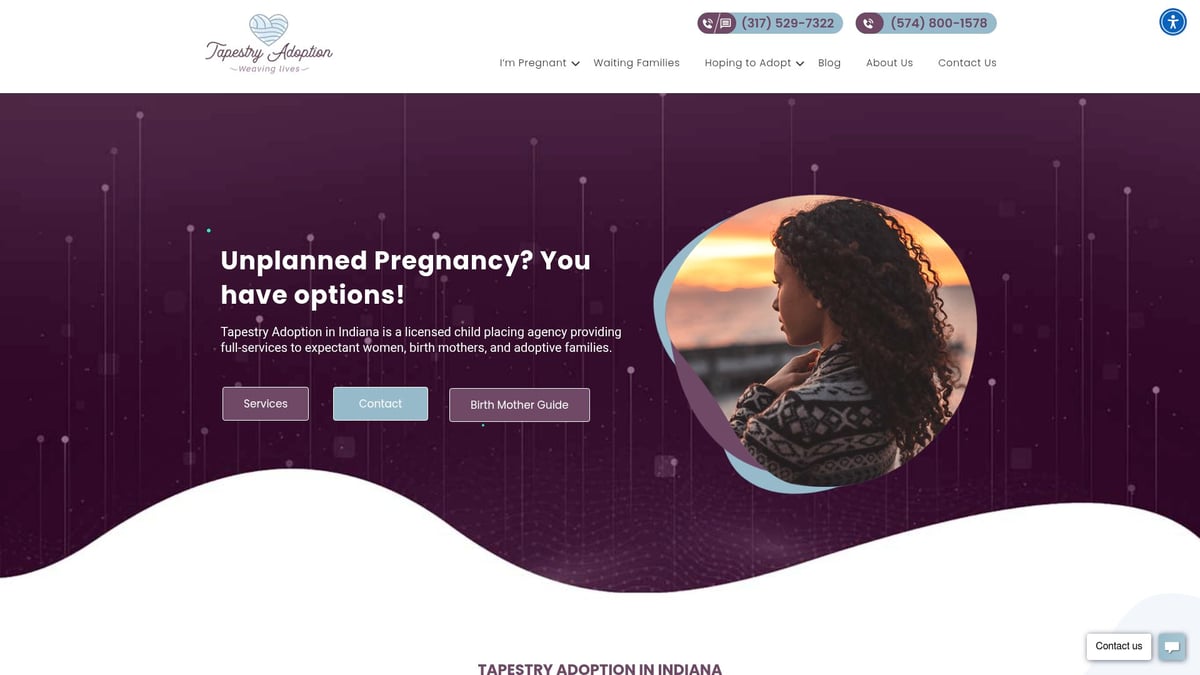
Tapestry’s faith-based approach prioritizes compassion and transparency, serving clients in Indiana and nationwide. Accessing Tapestry’s resources is simple: reach out for a confidential consultation and discover personalized support for every stage of the adoption process.
Preparing for Life After Newborn Adoption
Welcoming your child home is the beginning of a new chapter. The journey of adopting newborns for adoption does not end at placement. Instead, it opens up ongoing opportunities to nurture your family, address your child’s needs, and build a thriving support system. Here’s how to confidently navigate life after newborn adoption, one step at a time.
Bonding with Your Newborn
Building a strong bond with your child is essential for healthy development. Adoptive parents of newborns for adoption can foster attachment through skin-to-skin contact, soothing routines, and eye contact during feeds.
Consider these tips from pediatricians who specialize in adoption:
- Hold your baby often and respond to their cues.
- Use gentle touch and calm voices to build trust.
- Establish predictable routines for feeding, sleep, and play.
Remember, every baby is unique. Be patient as you learn each other’s rhythms. Many parents find that consistent, loving care helps newborns for adoption settle in and thrive, creating a foundation for lifelong connection.
Talking About Adoption with Your Child
Honest, age-appropriate conversations about adoption help children understand their story. Start early, using simple language to explain that they were loved and chosen. Reading children’s books about adoption or joining support groups can make these talks easier.
Key strategies include:
- Use positive adoption language in everyday life.
- Answer questions as they arise, adapting to your child’s age.
- Encourage open dialogue, so your child feels safe sharing feelings.
For families with newborns for adoption, normalizing adoption from the start lays the groundwork for healthy self-esteem and trust as your child grows.
Navigating Identity and Cultural Connections
Honoring your child’s heritage and birth family history is vital. For many families who welcome newborns for adoption, incorporating cultural traditions fosters pride and belonging.
Practical ways to support identity:
- Celebrate adoption milestones and heritage days together.
- Learn about your child’s birth culture, even if it differs from your own.
- Share stories and keepsakes that connect your child to their roots.
By embracing your child’s unique background, you help them build a strong sense of self. Many parents of newborns for adoption find these traditions become cherished family rituals.
Ongoing Legal and Documentation Needs
After placement, you will need to finalize the adoption and secure important documents. This typically involves a court hearing, after which you receive a new birth certificate for your child.
Keep these key documents organized:
- Adoption decree
- Amended birth certificate
- Medical and immunization records
- Post-placement reports
Use a secure, accessible place for records. For families of newborns for adoption, staying on top of legal paperwork ensures you’re prepared for school enrollment, travel, or future needs.
Building a Support Network
Connecting with other adoptive families brings encouragement and practical advice. Join local or national organizations, attend annual adoption events, or participate in family retreats. These communities often provide resources tailored to newborns for adoption.
Since the Rise in Private Domestic Adoptions Post-Pandemic, more families are seeking support and sharing their journeys. Consider:
- Online forums and social media groups
- Parenting workshops focused on adoption
- Peer mentorship programs
A strong support network empowers you and your child to thrive. Sharing experiences and learning from others who have adopted newborns for adoption can make all the difference.
After reading through this guide, you probably have new questions and maybe even more hope about your adoption journey. Navigating the emotional, legal, and practical aspects can feel overwhelming—but you don’t have to do it alone. If you’re an expectant mom considering adoption, or a family eager to welcome a newborn, it’s so important to have reliable, caring support at every step. Tapestry Adoption offers free expert counseling, financial and legal help, and step by step guidance tailored just for you. To get started with clarity and confidence, check out their Free Expectant Mother Guide for practical advice and real stories from people who’ve been where you are.