



Guide to Give Baby Up for Adoption: What You Need to Know 2026
Facing an unplanned pregnancy can feel isolating, but you are not alone. Every year, many women consider the choice to give baby up for adoption, seeking what is best for themselves and their child.
This guide is here to help you understand your options, empowering you to make an informed and confident decision. We will walk you step by step through the adoption process, types of adoption, your legal rights, emotional and financial support, how to choose an agency or family, and what life looks like after placement.
You deserve clarity, compassion, and real answers. Let’s get started together.
Understanding Adoption: The Basics
Facing an unplanned pregnancy can bring up many questions. If you are exploring how to give baby up for adoption, you are not alone. Understanding the basics helps you feel empowered and informed as you consider your next steps.

What Does It Mean to "Give a Baby Up for Adoption"?
Many people use the phrase "give baby up for adoption," but the process is much more thoughtful and caring than it sounds. A more accurate term is "making an adoption plan." This means you are making a loving, responsible decision for your child's future, not simply giving up.
Some believe adoption is abandonment, but in reality, birth mothers often choose adoption out of deep love and hope for their child's future. Adoption can be voluntary, where you decide to place your child, or involuntary, when the court intervenes for the child's safety. Most adoptions in the U.S. are voluntary and planned with great care.
For a step-by-step guide and real stories from birth mothers, visit Placing Your Baby for Adoption. Many women, like Emily, shared how creating an adoption plan helped them feel empowered and supported throughout their journey.
Reasons Women Consider Adoption
Every woman's story is unique when she decides to give baby up for adoption. Some face financial challenges, while others feel emotionally unprepared or want to focus on education or career goals. According to recent statistics, thousands of women each year make this choice, seeking the best for their child.
Family expectations, lack of support, or wanting a stable, loving future for the baby are common reasons. Some women, like Ana, chose adoption because they wanted their child to have opportunities they couldn't provide at the time. Women from all backgrounds consider adoption, proving there is no single "type" of birth mother.
Key Adoption Terms and Concepts
Understanding the language of adoption is essential when you start to give baby up for adoption. Here are some key terms:
| Term | Meaning |
|---|---|
| Birth Mother | The woman who gives birth and makes the adoption plan |
| Adoptive Family | The family who will raise and love the child |
| Open Adoption | Birth parents and adoptive family share contact and information |
| Closed Adoption | No contact or identifying details are shared |
| Consent | Legal agreement from birth parents to proceed with adoption |
| Home Study | Assessment of adoptive family's readiness and suitability |
Knowing these terms helps you communicate your wishes clearly. For example, open adoption might mean regular visits, while closed adoption provides complete privacy. Each option shapes your adoption journey in a different way.
Myths and Facts About Adoption
Many myths surround the decision to give baby up for adoption. Some believe you will never see your child again, but in fact, birth mothers can choose the family and level of contact. Another myth is that you lose all support, but agencies provide counseling and guidance.
The truth is, you have options and control throughout the process. Stories and statistics from real birth mothers show that adoption can be a loving and positive decision.
Step-by-Step Guide: How to Give Your Baby Up for Adoption in 2026
Facing the decision to give baby up for adoption can feel daunting, but breaking it down into clear steps makes the journey more manageable. This step-by-step guide walks you through each important stage, so you can move forward with confidence and support.

Step 1: Deciding if Adoption Is Right for You
The first step to give baby up for adoption is honest self-reflection. Take time to consider all your options: parenting, adoption, or other choices. Many women find it helpful to talk with a counselor who provides confidential, non-judgmental support.
Ask yourself:
- What are my current circumstances?
- What future do I want for my child?
- Am I feeling pressured or am I making this choice freely?
Birth mothers who have taken time to weigh their options often report feeling more empowered and at peace with their decision. Remember, you do not need to rush this step. Support is available every step of the way.
Step 2: Researching Adoption Agencies and Professionals
To give baby up for adoption safely, it’s crucial to choose the right professionals. You can work with adoption agencies, attorneys, or facilitators. Each offers different services, so research carefully.
When evaluating agencies, look for:
- State licensing and accreditation
- Clear, ethical practices
- Counseling and support services
- No hidden fees
Ask questions like:
- What support do you offer before and after placement?
- How do you screen adoptive families?
- What are your agency’s success stories?
Following advice from experienced birth mothers and competitor resources can help you make an informed choice.
Step 3: Creating Your Personalized Adoption Plan
Once you decide to give baby up for adoption, you’ll work with your chosen professional to create a personalized adoption plan. This plan lets you control details, such as:
- The type of adoption: open, semi-open, or closed
- What you want in an adoptive family
- Your preferences for contact and updates
You can even outline your hospital and birth plan. Every adoption plan is unique, tailored to your needs and wishes. For a deeper dive into customizing your plan, visit Making an Adoption Plan for helpful tools and resources.
Step 4: Selecting the Right Adoptive Family
A key part of the process to give baby up for adoption is choosing the right family. Most agencies allow you to review detailed family profiles, ask questions, and even meet families in person or virtually.
Birth mothers often look for:
- Shared values and beliefs
- Lifestyle and background
- Parenting style and experience
Statistics show the majority of agencies empower birth mothers to select the adoptive family. One example: A birth mother matched with a couple who shared her cultural background and educational values, creating a lasting bond. Trust your instincts and take your time.
Step 5: Legal Process and Consent Requirements
The legal steps to give baby up for adoption protect your rights and ensure everything is handled properly. You’ll need to provide informed consent, sometimes after a waiting period depending on state law. The birth father’s rights also come into play, and your agency or attorney will explain the process.
Be aware of:
- Consent paperwork and timelines
- Revocation periods (the window to change your mind)
- State-specific laws
Legal counsel is essential. For example, some states require a 72-hour wait before signing consent, while others have different rules. Know your rights and never sign anything under pressure.
Step 6: Pregnancy, Birth, and Placement
As you continue to give baby up for adoption, you’ll prepare for delivery and placement. Your hospital plan can include decisions about who is present, how much time you spend with your baby, and any ceremonies or keepsakes you want.
The placement process is emotional. Many birth mothers choose to hold their baby, take photos, or share a special goodbye. Agencies support you through every step, ensuring your wishes are respected and your experience is as positive as possible.
Step 7: Life After Placement and Post-Adoption Support
After you give baby up for adoption, healing and support are vital. Many agencies offer post-placement counseling, support groups, and mentorship. You are not alone—thousands of women have walked this path and found comfort in community and ongoing resources.
Remember, your journey continues, and support is always within reach.
Types of Adoption: Open, Semi-Open, and Closed
Choosing how to give baby up for adoption means understanding the different types of adoption available to you. Each option offers a unique level of contact and privacy, letting you decide what feels right for your situation and your child's future. Let’s break down the three main types so you can make a fully informed choice.

Open Adoption: What It Is and How It Works
Open adoption is the most common choice for women who give baby up for adoption in the United States today. In this arrangement, birth mothers and adoptive families share identifying information and maintain direct contact. Communication might include visits, calls, photos, or letters.
The benefits of open adoption are significant. Many birth mothers find comfort in staying connected and knowing how their child is doing. Children also benefit from transparency and understanding their story. According to recent Open Adoption Explained resources, most private adoptions now include some level of openness.
For example, some birth mothers attend birthday parties or special events, building a lasting relationship with their child and the adoptive family.
Semi-Open Adoption: Balancing Privacy and Connection
Semi-open adoption offers a balance between connection and privacy for those who give baby up for adoption. In a semi-open arrangement, contact happens through the adoption agency or a third party. Birth mothers might receive updates, photos, or letters, but identifying details remain private.
Why might someone choose this path? For many, it provides emotional comfort and a sense of involvement, without the pressures of direct contact. Pros include privacy and reduced anxiety, while cons might involve limited information over time.
For instance, a birth mother may receive yearly photo updates via the agency, knowing her child is well while keeping her personal details confidential.
Closed Adoption: Complete Privacy
Closed adoption is the most private way to give baby up for adoption. All identifying information is kept confidential, and there is no contact between birth mother and adoptive family after placement.
Some women choose closed adoption for privacy, safety, or emotional reasons. While this path can offer peace of mind, it can also bring challenges, such as future curiosity or a lack of information for the child.
One example is a birth mother who, due to personal circumstances, decides not to share any details. She finds comfort in knowing her privacy is fully protected, though she acknowledges the possibility of future questions.
How to Choose the Best Type for You
Deciding which way to give baby up for adoption is a deeply personal choice. Consider your comfort with future contact, your emotional needs, and your long-term wishes. Speak with counselors and agencies to explore each option.
Some birth mothers start with one type of adoption and later change their minds as circumstances evolve. Remember, you are not locked into your initial decision—many agencies allow you to revisit your plan.
Reflect on your values, talk to trusted advisors, and take your time. The right choice is the one that empowers you and supports your journey.
Legal Rights, Consent, and the Role of the Birth Father
Facing the legal side of adoption can feel intimidating. Yet, knowing your rights is the first step to feeling confident and protected if you decide to give baby up for adoption. Every birth mother deserves clarity, respect, and the power to make informed choices throughout this journey.

Understanding Your Legal Rights as a Birth Mother
When you give baby up for adoption, you hold the legal right to make every decision about your adoption plan. This includes choosing the adoptive family, deciding the type of adoption, and determining the level of contact you want after placement.
Each state has specific laws about consent and revocation periods. You must give written consent before the adoption is finalized, and you have the right to change your mind within a set time frame, known as the revocation period. For example, some states allow a few days for this, while others may have different timelines.
Legal protections ensure no one can pressure you into a decision. Many women have found that understanding these rights made their experience more empowering and secure. It is important to know you can ask questions and request legal counsel at any stage when you give baby up for adoption.
Birth Father’s Rights and Consent Laws
The role of the birth father is a crucial legal aspect when you give baby up for adoption. In most cases, the father's consent is required, but this process varies greatly by state. Some states require both parents to sign consent forms, while others have different rules if the father is not involved or cannot be located.
If the father is present, he generally has the right to be informed and to participate in the process. In cases where the father is absent or unknown, courts may follow specific procedures to terminate parental rights legally. Reviewing state laws and recent trends, such as those in the Adoption by the Numbers Report, can help you understand what to expect in your area.
Remember, if there is disagreement or uncertainty, courts can intervene to protect the best interests of the child and ensure all legal requirements are met when you give baby up for adoption.
Navigating Complex Situations: Absent, Unknown, or Unsupportive Fathers
Sometimes, the birth father is absent, unknown, or unwilling to consent when you give baby up for adoption. If you cannot locate the father, the law typically requires agencies or attorneys to make reasonable efforts to notify him. This may involve public notices or legal filings.
If the father is unfit or refuses to participate, the court can terminate his parental rights after reviewing the situation. Support is available to guide you through these challenges. You do not have to navigate difficult conversations or legal procedures alone.
Many birth mothers have faced these scenarios and successfully moved forward with their adoption plan. The key is to work with professionals who understand how to protect your interests and make the process as smooth as possible when you give baby up for adoption.
Finding Legal Support and Advocacy
Having the right legal support is essential when you give baby up for adoption. Experienced adoption attorneys and agency legal teams ensure your rights are protected, help you understand every document you sign, and advocate for your wishes.
Most reputable agencies provide free or low-cost legal assistance for birth mothers. These professionals can answer questions, explain state-specific laws, and represent you in court if necessary.
If you ever feel pressured or unsure, seek a second opinion or ask for more information. Your comfort, security, and legal protection should always come first when you give baby up for adoption.
Emotional, Financial, and Practical Support for Birth Mothers
Facing the decision to give baby up for adoption is never easy, but you do not have to walk this journey alone. Support is available to help you navigate every step, from your first thoughts about adoption to life after placement. Understanding the resources at your fingertips can empower you to make the best choices for you and your child.
Counseling and Emotional Support Throughout the Process
When you give baby up for adoption, emotional support is crucial. Licensed counselors can help you process feelings of grief, relief, or uncertainty. Many agencies offer counseling at no cost, giving you a safe space to talk through your thoughts and emotions.
Support groups and peer mentors connect you with other birth mothers who understand what you are experiencing. Group therapy and one-on-one sessions help you explore your options and make informed decisions. For many women, ongoing counseling remains a lifeline before, during, and after placement, providing comfort and understanding at every stage.
Financial Assistance: What’s Available and How to Access It
If you are considering to give baby up for adoption, financial concerns can feel overwhelming. Many states allow regulated financial assistance for expectant mothers, covering essentials like rent, groceries, medical care, and maternity clothing. Agencies and attorneys can walk you through the process, helping you access support ethically and transparently.
You may qualify for help with living expenses throughout your pregnancy. Learn more about Financial and Pregnancy Support to see what options are available in your area. Remember, asking for help is not only allowed but encouraged, and you should never feel pressured to make decisions based on finances alone.
Medical and Housing Support Options
Choosing to give baby up for adoption ensures you receive quality prenatal care, regardless of your insurance situation. Most agencies coordinate appointments, cover hospital bills, and even help with transportation to medical visits. You will not be left with medical debt after placement, giving you peace of mind.
If stable housing is a challenge, some agencies offer maternity homes or help with rent and utilities. These resources let you focus on your health and your baby’s well-being, knowing your basic needs are met. Many birth mothers find that having a safe place to stay makes the entire process less stressful.
Support for Birth Mothers After Placement
Support does not end when you give baby up for adoption. Post-placement services include counseling, support groups, and mentorship programs designed to help you heal and adjust. Many agencies offer lifelong resources, so you can continue to access help whenever you need it.
Connecting with other birth mothers allows you to share your story, find encouragement, and gain strength during your healing journey. Remember, your well-being matters, and ongoing support is available to help you embrace the next chapter of your life.
Choosing the Right Adoption Agency or Professional
Choosing where to turn when you decide to give baby up for adoption is one of the most significant steps in your journey. The agency or professional you select will shape your experience, provide crucial support, and impact your peace of mind. With so many options, knowing what to look for ensures your rights and needs always come first.
What to Look for in an Adoption Agency
When seeking an agency to help you give baby up for adoption, trust and transparency are essential. Look for agencies that are fully licensed and accredited in your state. Ethical agencies will have clear policies, no hidden fees, and a proven track record of successful placements.
The best agencies provide comprehensive services, including counseling, legal support, medical assistance, and help with living expenses. They should prioritize your well-being and respect your decisions at every stage. According to the Adoption Statistics Infographic, reputable agencies play a critical role in supporting both birth mothers and adoptive families, ensuring the process is safe and positive for everyone involved.
Use this checklist to evaluate agencies:
- Is the agency licensed and accredited?
- Do they offer free counseling and legal support?
- Are their services clearly explained?
- Do they respect your choices and privacy?
Questions to Ask Before Committing
Before you give baby up for adoption, ask each agency direct questions to gauge their support and standards. Prepare a list in advance to ensure you cover what matters most to you.
Here are some crucial questions you might ask:
| Question | Why It Matters |
|---|---|
| How long has your agency been operating? | Experience shows reliability. |
| What support is available before, during, and after placement? | Ensures you are cared for throughout. |
| How are adoptive families screened? | Guarantees a safe, loving home for your baby. |
| Can I speak with other birth mothers? | Real-life feedback provides trust. |
Hearing testimonials and understanding agency practices helps you feel confident and empowered in your decision to give baby up for adoption.
Tapestry Adoption: Comprehensive Support for Expectant Mothers
Tapestry Adoption is a trusted choice for women seeking to give baby up for adoption in Indiana. They offer personalized adoption planning, financial help, counseling, and legal support, all at no cost to birth mothers.
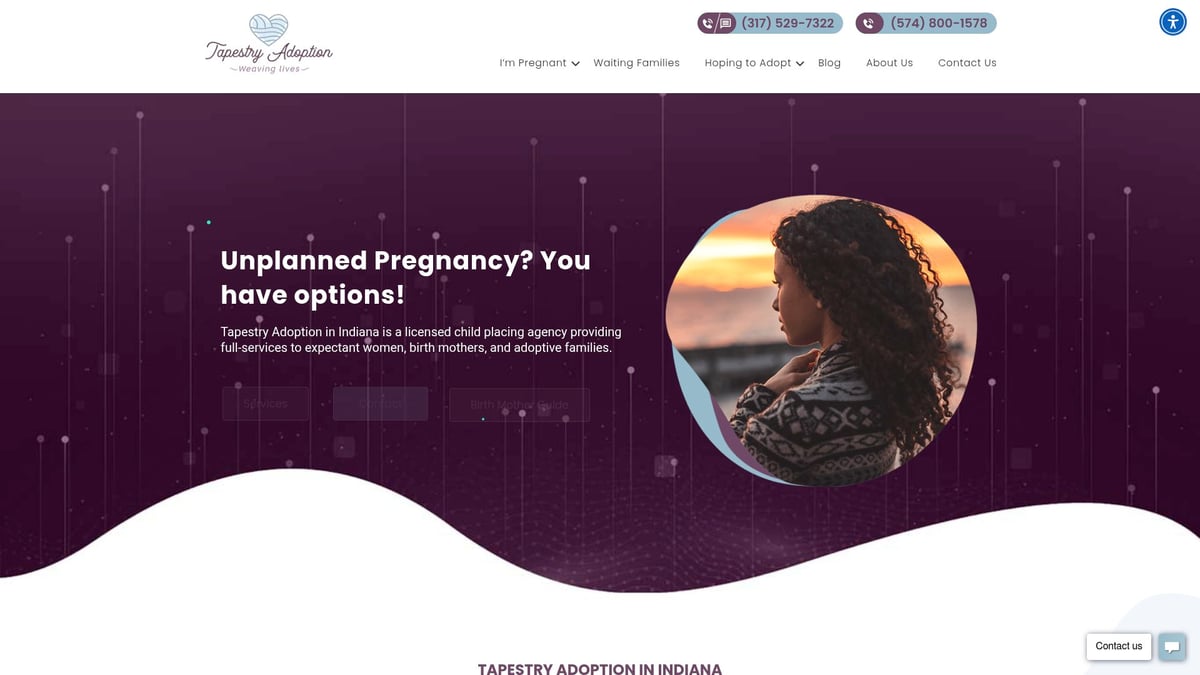
This licensed, faith-based agency has a reputation for ethical, compassionate care. Tapestry Adoption allows you to design your own plan, choose the adoptive family, and decide how much contact you want. Their services also extend to hopeful adoptive parents, ensuring everyone receives guidance and respect.
Many women share stories of feeling empowered and cared for, like one birth mother who said Tapestry Adoption helped her feel understood and never pressured. Ongoing counseling and post-placement support mean you are never alone after you give baby up for adoption.
Red Flags and How to Avoid Unethical Practices
Not every agency or professional has your best interests at heart. If you ever feel pressured, encounter hidden fees, or sense a lack of transparency, consider it a red flag. Ethical agencies will always prioritize your informed consent and never rush you to make a decision.
Other warning signs include vague answers about services, reluctance to share credentials, or negative feedback from other birth mothers. If you experience any of these, trust your instincts and seek a second opinion before you give baby up for adoption.
One woman shared how she switched agencies after feeling pressured and unsupported, ultimately finding a team that respected her choices. Remember, you deserve respect, honesty, and support at every step.
Life After Adoption: Maintaining Connection and Moving Forward
Life after you give baby up for adoption is a journey that continues well beyond placement. As you move forward, maintaining connection, healing emotionally, and planning your future are all important steps. Each experience is unique, but you are not alone—support and resources are available to help you thrive.
Navigating Post-Adoption Relationships
Building a healthy relationship with your child’s adoptive family can bring comfort and clarity. Many birth mothers who give baby up for adoption choose open or semi-open arrangements, allowing for ongoing contact through visits, calls, or sharing photos.
Set clear boundaries and expectations early. Communicate your wishes openly, and remember, these relationships can evolve over time. For example, one birth mother started with letters and eventually enjoyed regular video calls with her child’s family. The diversity of adoptive families and relationships is growing, as highlighted in Adoption Demographics in America, meaning there are many paths to connection.
Coping with Emotions and Finding Community
After you give baby up for adoption, it is natural to experience a mix of emotions: grief, pride, relief, and hope. Healing takes time, and connecting with others who understand your journey can make a world of difference.
Many organizations offer support groups, mentorship, and counseling. These safe spaces help you share your story and find community. For instance, one birth mother found lasting friendships through a local support group, helping her feel understood and empowered. Look for groups online or through your agency to start building your network.
Planning for Your Future
Choosing to give baby up for adoption is just one chapter—your future is full of possibilities. Take advantage of educational, career, and personal growth resources offered by adoption agencies and local organizations.
Set new goals and celebrate your progress. Remember, self-care and personal growth are vital as you move forward with confidence.
If you’re feeling overwhelmed or unsure about your next steps, remember—you’re not alone, and there’s support for every part of your journey. We’ve talked about how understanding your options, knowing your rights, and having access to real support can make all the difference when considering adoption. To make things easier, I want to share a practical resource that answers common questions and guides you through the process, step by step. You deserve clear information and compassionate help as you make the best choice for you and your baby. Get your Free Expectant Mother Guide and take your next step with confidence.